

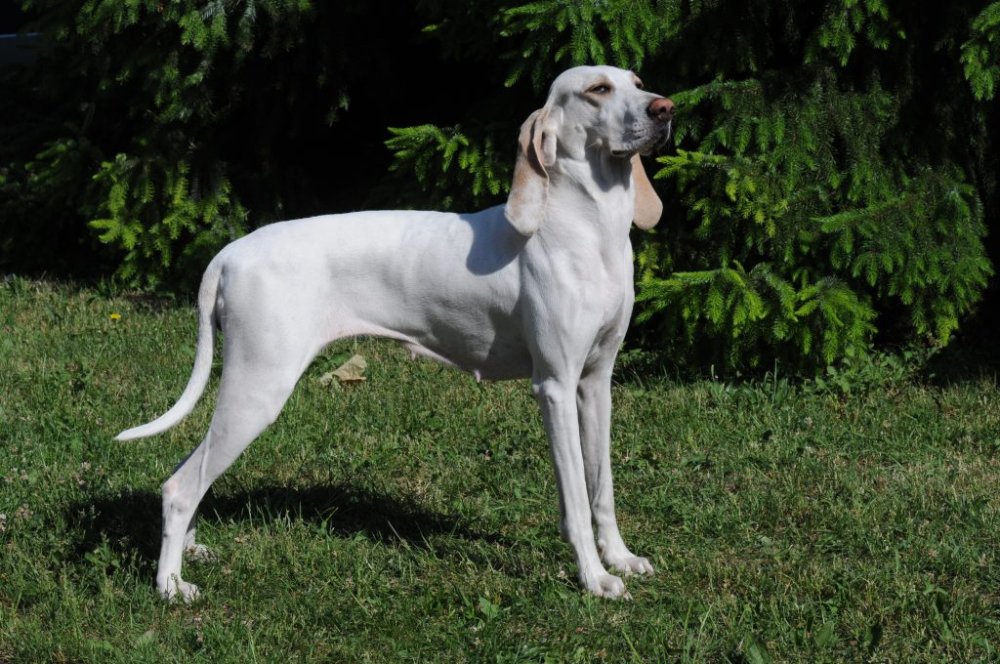
Most people first hear about the Billy when they stumble across a photo of a tall, white French hound and wonder what it is, or when they are looking for a running partner and keep seeing the same note repeated: “rare”, “fast”, “needs space”. It is tempting to assume a hound like this is simply a bigger Beagle type, friendly, easygoing, and happy with a daily walk.
In practice, the Billy tends to make sense to people who already know what a scent hound is like to live with: a dog built to move for hours, follow a trail with single-minded focus, and use its voice. That can be wonderful in the right home, and frustrating in the wrong one, especially if you are expecting quick off-lead reliability.
What follows is a grounded look at the Billy as a dog, not the accidental “Billy goat” detour you sometimes see online. If you are considering the breed, the details matter, because the Billy’s strengths are closely tied to its needs.
Breed category: Scent hound (FCI Group 6)
Country of origin: France
Typical height: Males 60 to 70 cm, females 58 to 62 cm1, 2
Typical weight: Often around 25 to 35 kg, sometimes higher depending on build1
Life expectancy: Commonly reported around 10 to 14 years (varies with genetics, lifestyle, and veterinary care)8
Grooming: Low maintenance coat, regular ear checks matter
Exercise needs: High, with a strong preference for long, purposeful movement
History and origin
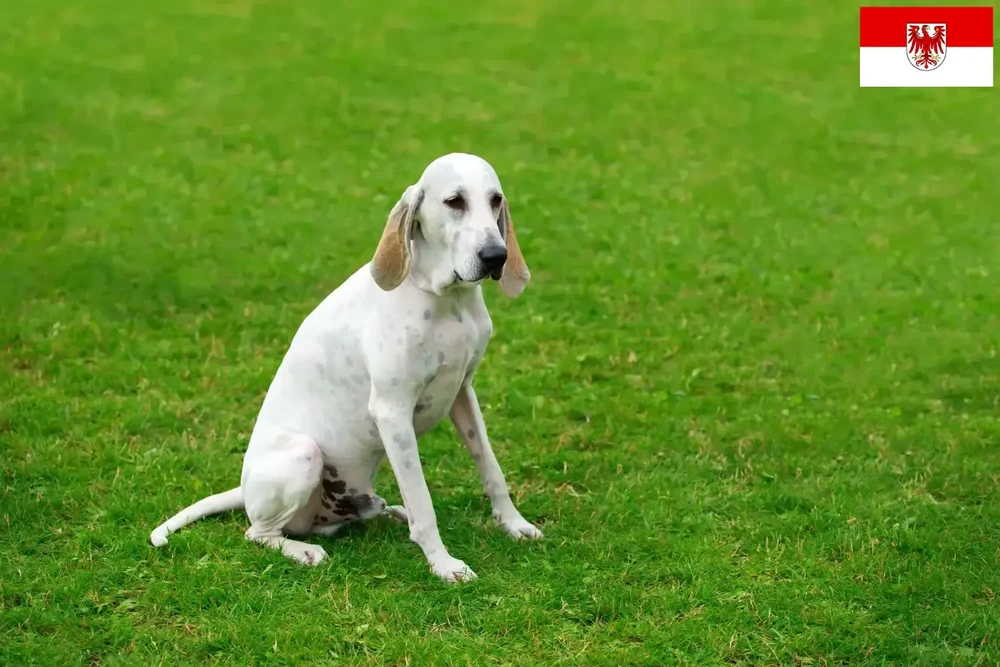
The Billy is a French scenthound developed in the nineteenth century, associated with Gaston Hublot du Rivault and the Château de Billy in the Poitou region.1, 2 It was bred for hunting in packs, with an emphasis on speed, stamina, and the ability to hold a line over distance.
As with many working hounds, the Billy’s story is also a story of fashion, war, and near-loss. The breed became rare, with numbers dropping sharply around the twentieth century, and it has remained uncommon outside France.1 That rarity is part of the appeal for some people, but it also means you may have fewer local breeders, fewer breed-savvy vets and trainers, and less casual public familiarity when you are out and about.
If you are drawn to the Billy, it helps to think of it less as a “novelty breed” and more as a specialist working hound that can adapt to companion life when its core needs are met.
Size, build, and coat
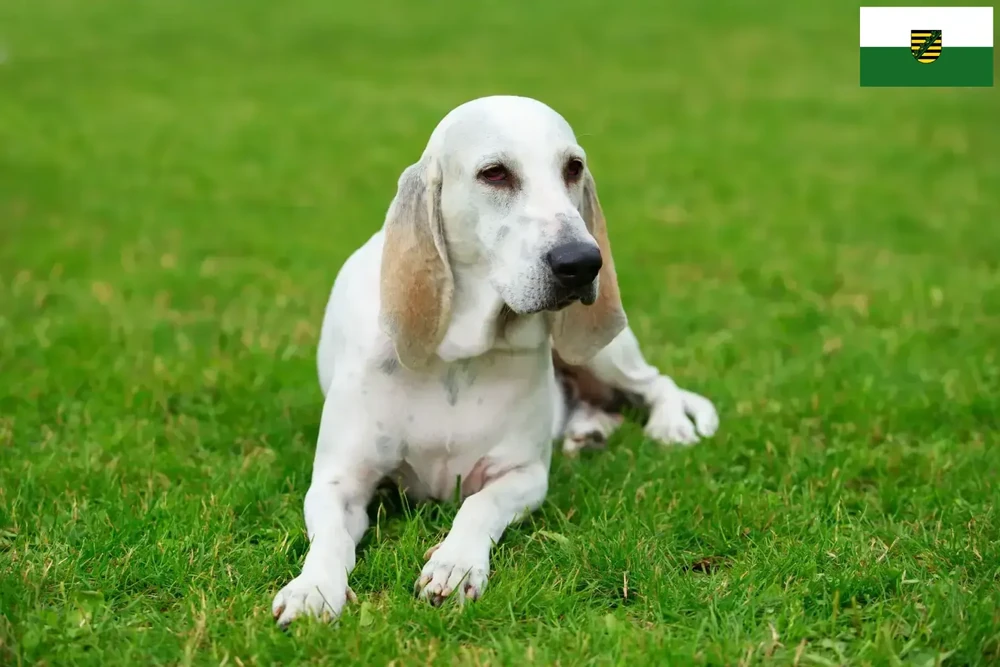
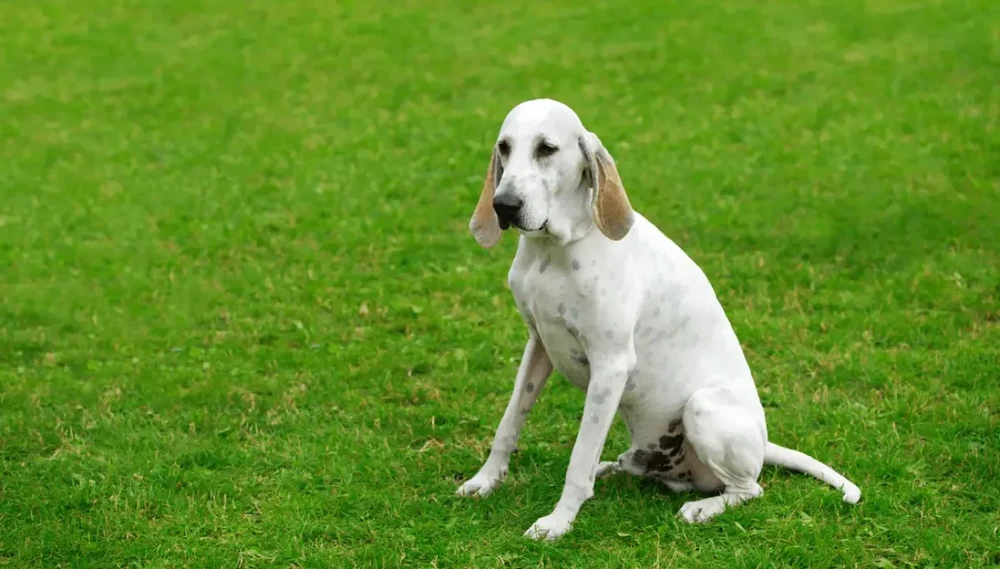
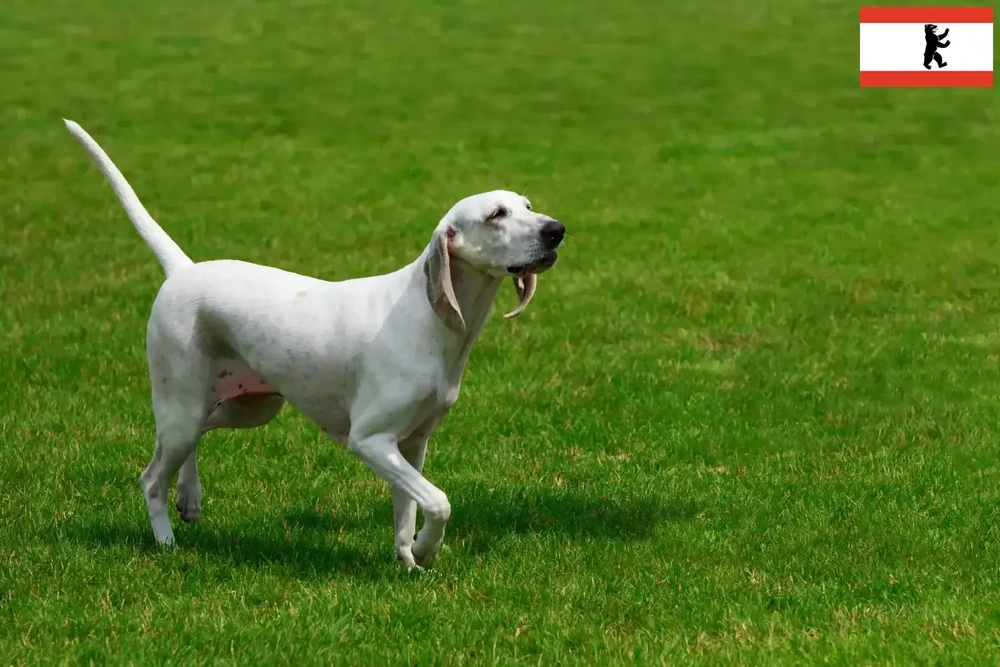
The Billy is tall, athletic, and light on its feet for its size. Breed standards describe a short coat that is smooth and somewhat harsh to the touch, usually white or off-white, sometimes with lemon or orange markings.2 The overall impression is of a dog made for forward motion, not for lounging in tight spaces.
That build is also a clue about day-to-day management. A Billy can look calm at home, then switch on instantly outdoors when scent and movement arrive. Planning for that contrast is more useful than assuming the dog will “grow out of it”.
Temperament and trainability in real homes

Billys are typically described as social with their people and capable of living well with other dogs, which fits their background as pack hounds.1 Many will happily take affection and settle near the household, especially after they have had adequate exercise.
Training, however, is where expectations need a gentle reset. Scent hounds can be responsive and biddable in structured sessions, but they are also designed to make decisions at a distance from the handler. A Billy may comply beautifully until the environment offers a more compelling option, usually a scent trail. The practical takeaway is simple: train for the world you live in, not the world you wish you had.
Useful focuses tend to be:
- Recall foundations with long lines and controlled access to interesting scents
- Loose lead skills that account for stopping, scanning, and scenting
- Settle training and calm routines inside the home
- Scent games and tracking as a constructive outlet, rather than trying to extinguish the behaviour
Exercise and mental stimulation
The Billy is not an “hour around the block” type of dog. Breed descriptions consistently point to a hound that needs room and regular opportunities to move, often at pace.1 If your lifestyle is active and you enjoy long walks, hiking, or structured scent work, the match can feel effortless.
It also helps to broaden the idea of exercise. For many Billys, a slow, scent-heavy walk where the dog can think and process the environment can be as satisfying as a faster run. If you can safely combine both, you often get a dog that is far easier to live with indoors.
In everyday terms, look for a routine that includes:
- Long walks with time to sniff
- Varied routes, not just the same loop
- Short training sessions that build impulse control
- Enrichment at home, such as scatter feeding and puzzle toys
Living with children and visitors
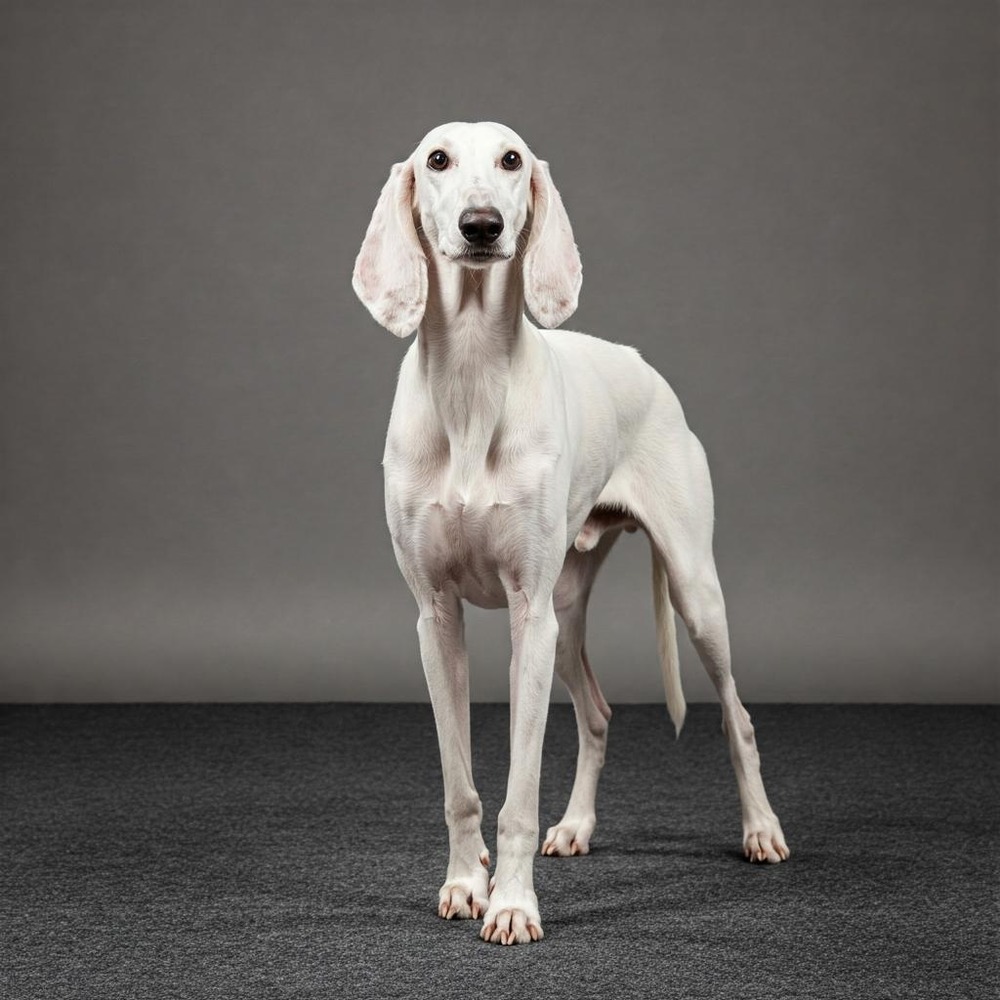
In many households, a Billy can be a steady presence around children, particularly when the dog’s exercise needs are met and the home is calm. As with any larger, energetic dog, supervision matters most during high-arousal moments, such as arrivals, rough play, or when children have friends over.
With visitors, hounds often look “friendly” because they are curious and social, but that does not automatically mean they are relaxed. Watch the whole body, not just the tail. If your Billy becomes over-excited, it is fairer to offer a predictable routine, for example a lead on at the door, a mat to settle on, and a quiet reward for calm behaviour.
Multi-pet households and prey drive
Because the Billy was bred to hunt, it is sensible to assume there may be a strong prey drive, even in dogs that are gentle with people. This does not mean a Billy cannot live with other pets, but it does mean introductions and management should be approached with care, especially with cats and small animals.
Australian shelter and welfare guidance for dog and cat introductions emphasises gradual exposure, barriers, calm set-ups, and the importance of allowing both animals to retreat.3, 4 That is particularly relevant for a fast, scent-driven hound.
Practical safeguards that help in the real world include:
- Separate safe zones for the cat, including vertical escape routes
- Early sessions using baby gates or a see-through barrier, with the dog on a loose lead3
- Rewarding the dog for disengaging and orienting back to you
- Unsupervised separation until you have a long history of calm behaviour4
Health considerations to discuss with a vet
There is not the same volume of publicly available breed health data for the Billy as there is for very popular breeds, simply because it is rare. Still, it is reasonable to discuss a few issues that come up across medium to large, deep-chested, athletic dogs.
Ear health is a practical one. Drop ears can trap moisture and debris, especially in dogs that run through long grass. Gentle, regular checks are often more effective than occasional heavy cleaning.
Gastric dilatation-volvulus (GDV), often called bloat, is another topic worth raising with your vet. Deep-chested dogs are generally considered at higher risk, and GDV is a time-critical emergency.5, 6 Strategies commonly recommended include feeding multiple smaller meals, avoiding vigorous exercise straight after eating, and asking your vet whether preventative gastropexy is appropriate for your dog and circumstances.5, 6, 7
If you are sourcing a puppy, it is also fair to request clear information about the parents’ health, temperament, and how the litter was raised. With rare breeds, good breeding decisions make an outsized difference.
Housing and daily set-up
The Billy tends to cope best where there is space, routine, and reliable containment. A secure yard matters because a scent hound that finds an interesting trail may travel further than you expect, quickly. Breed descriptions also note the Billy’s speed and the challenge of restraint once the dog is running.1
That does not automatically rule out smaller homes, but it does mean you need to supply what the environment cannot. If you live without a large yard, your plan needs to be stronger: regular long walks, safe enclosed areas for running, and enrichment that taps into scenting and problem solving.
Is a Billy likely to suit you?
A Billy can be a deeply satisfying companion for the person who enjoys hounds and has room in their life for daily, purposeful exercise. It is often less suited to someone who wants an off-lead dog by default, a quiet household, or a dog that is content with minimal stimulation.
The simplest litmus test is to imagine your week with a dog that needs to move, sniff, and follow its nose, even in poor weather. If that picture feels normal, the Billy may fit. If it feels like a constant negotiation, you may be happier with a breed whose instincts align more closely with suburban life.
References
- Wikipedia: Billy (dog)
- Fédération Cynologique Internationale (FCI): Breed standard No. 25, Billy (PDF)
- RSPCA Australia Knowledgebase: Introducing a new dog or puppy to an existing cat
- Animal Welfare League (Australia): Dog to cat introductions
- Cornell University College of Veterinary Medicine: Gastric dilatation volvulus (GDV) or bloat
- American Animal Hospital Association (AAHA): Understanding canine bloat (GDV), a medical emergency
- VetZone (Australia and New Zealand): Gastric dilation and volvulus (bloat) in dogs
- Société Centrale Canine: Billy (breed information)