

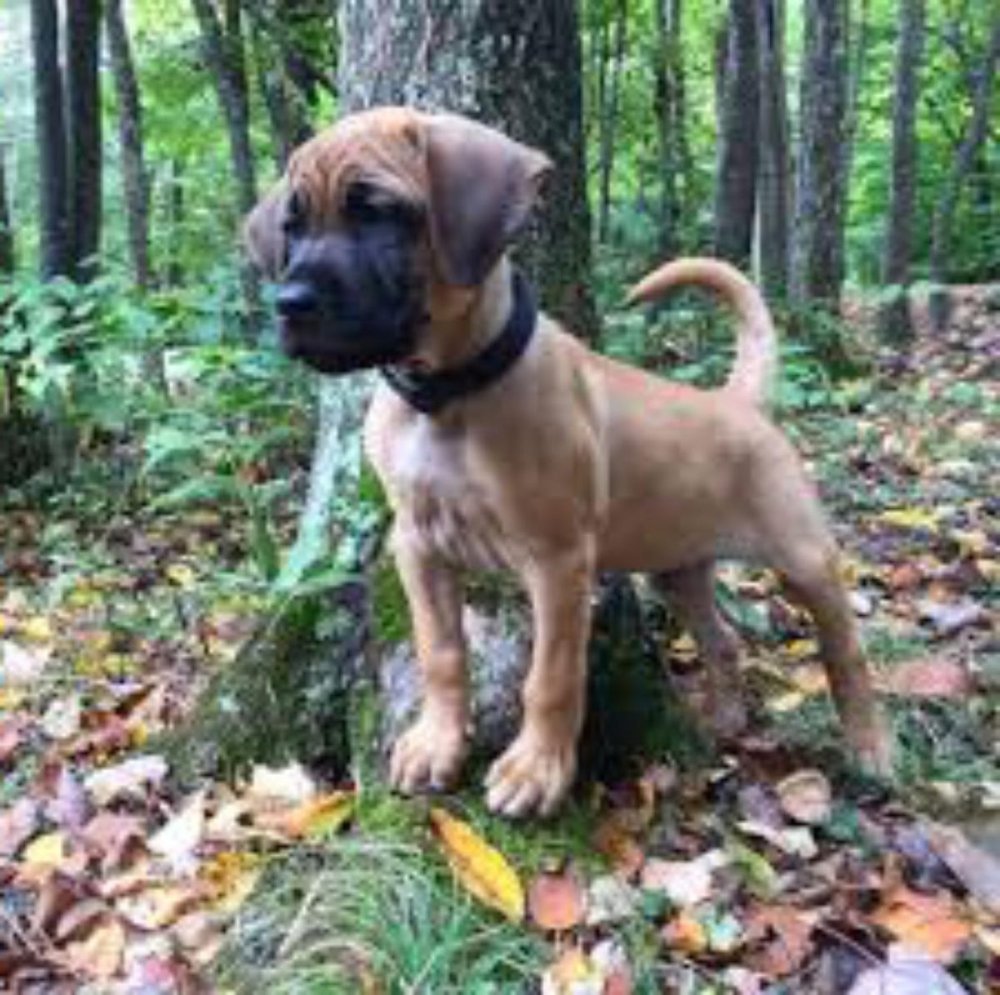
You might come across a Black Mouth Cur the way many people do, by meeting a solid, capable dog on a property, seeing a “cur” listed in a rescue profile, or noticing a young dog whose black muzzle and athletic build seem to hint at a working background. They often look straightforward at first glance, short coat, alert eyes, built to move, but their day to day needs can surprise people.
It is tempting to assume a dog like this will “settle” with a backyard and a couple of walks. In practice, Black Mouth Curs tend to do best when their brains and bodies are both busy. Without that outlet, the same traits that make them excellent all-rounders can show up as restlessness, over-vigilance, or a talent for finding their own work.
When you understand what the Black Mouth Cur was shaped to do, you get a clearer picture of the dog in front of you, and you can make choices about training, exercise, and home setup that actually fit real life.
At a glance: Black Mouth Cur basics

The Black Mouth Cur is a medium to large working dog type, developed in the southern United States as a versatile farm and hunting companion.1, 2
- Origin: United States (especially the American South)2
- Build: powerful, agile, made for rough terrain and long days2
- Coat: short, dense, generally easy-care2
- Typical colours: often yellow, red, fawn, brindle, sometimes with a black muzzle or mask (and sometimes without)2
- Temperament theme: tenacity and strong work drive, commonly loyal and protective with their people2
A quick language note: in the US, “cur” can refer to a type of short-haired working dog used for hunting and herding, even though in everyday speech it is sometimes used more loosely or negatively.3
Where they come from, and why it still matters

Black Mouth Curs are tied to the southern United States and the practical needs of rural life. They were valued as dogs that could switch between jobs, hunting, guarding a homestead, and helping manage stock, rather than specialising in one narrow task.2
Their exact early ancestry is not settled, and different regions and lines have their own histories. What is consistent is the “working first” selection: a dog that could move all day, think independently, and stay engaged with the job at hand.2
The United Kennel Club (UKC) recognised the Black Mouth Cur on 1 November 1998, which matters mostly because it provides a written standard that describes the dog as a functional worker, not a purely cosmetic show breed.2
Temperament, family life, and what “protective” can look like
People often describe Black Mouth Curs as loyal and protective. In everyday terms, that can mean a dog who notices changes quickly, positions themselves between their person and a visitor, or alerts when something feels different on a walk. None of that automatically equals aggression, but it does mean the dog benefits from calm handling, structure, and clear routines.2
Many do well in families, including with children, when they are raised with thoughtful boundaries and supervision. Because they are athletic and enthusiastic, the main “kid challenge” is often accidental bumps, chasing games that escalate, or a young dog who has not yet learned to downshift.
With other pets, outcomes vary. Some Curs live peacefully with other dogs and even cats, and some will find small running animals very hard to ignore. Early socialisation helps, but it is just as important to be honest about the individual dog’s history and drive.
Training that suits a thinking working dog
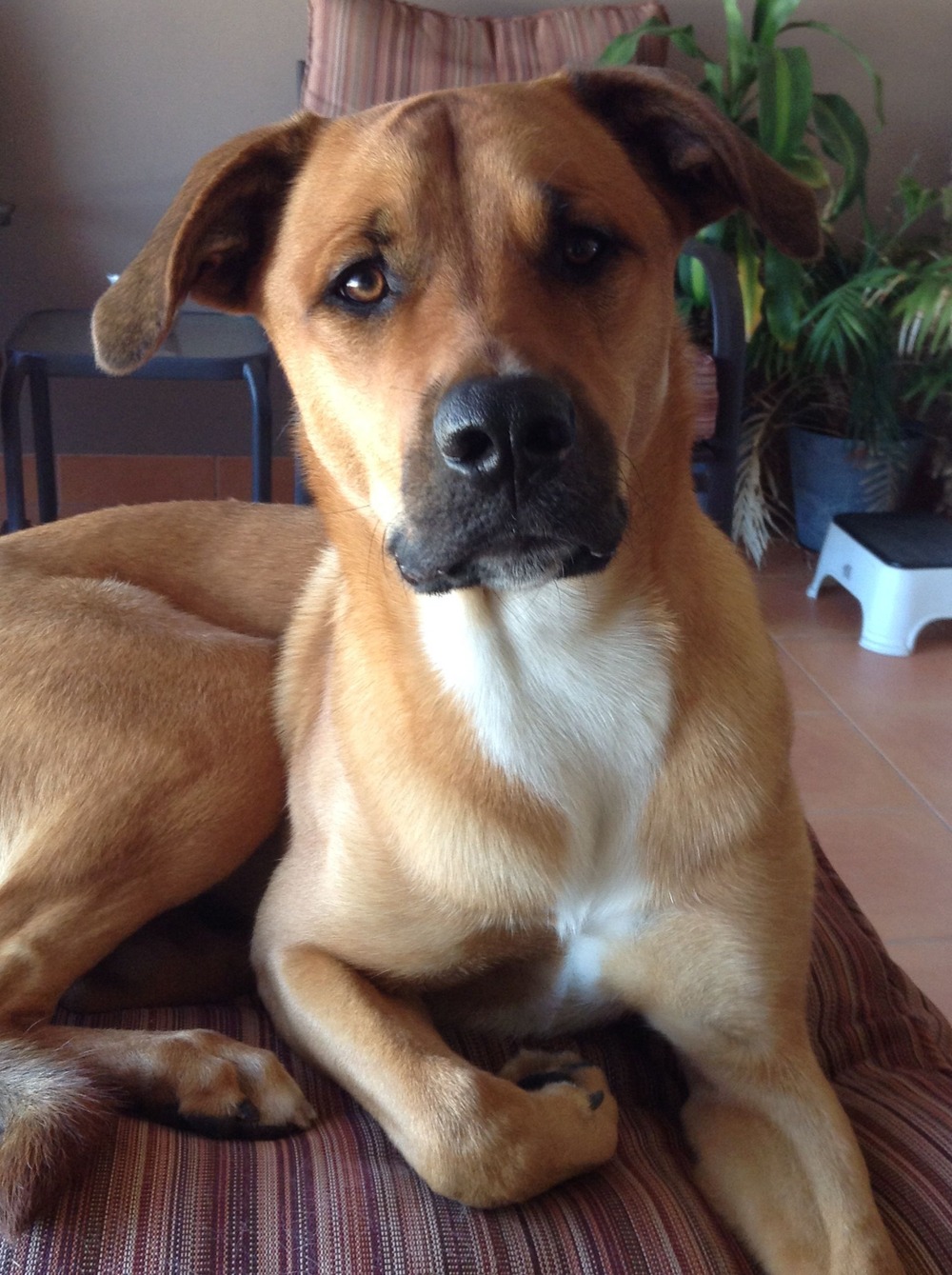
Black Mouth Curs are often quick to learn, but that does not always translate to automatic compliance. A dog bred to make decisions at distance may test whether the cue is meaningful, whether the environment is more interesting, or whether the reward is worth it.
In most homes, the aim is not to “dominate” this breed, but to build habits that are reliable under distraction. Positive reinforcement works well, especially when paired with consistent rules and enough daily activity to take the edge off. If you need a firmer boundary, make it predictable and unemotional, then guide the dog towards what you do want.
Common focus areas that pay off early include:
- Recall with long-line practice before any off-lead freedom.
- Loose lead walking that includes pauses, sniff time, and check-ins.
- “Place” or mat training for visitors and household calm.
- Impulse control around gates, cars, livestock, and wildlife.
Exercise and enrichment, beyond “a big walk”

This is typically a high-energy, high-stamina dog type. Physical exercise matters, but many Black Mouth Curs also need a daily mental workload or they will create their own entertainment.
Useful, low-fuss options include:
- Scent games in the yard (scattered treats, hidden toys, simple “find it”).
- Structured tug and fetch with clear start and finish cues.
- Hiking and varied terrain walking for confidence and conditioning.
- Training sessions that stay short but happen often.
If you live in a smaller space, it is not automatically impossible, but it is rarely “easy mode”. The more your home limits natural movement, the more you need a plan for exercise, enrichment, and noise management.
Health considerations: hips, ears, and the basics that prevent problems

No breed is health-proof, and Black Mouth Curs are no exception. Two issues owners commonly hear about are hip dysplasia and ear trouble. Hip dysplasia is a developmental condition linked to joint laxity, genetics, and other factors, and can lead to arthritis over time.4
Signs worth acting on include stiffness, reluctance to jump or climb, bunny-hopping gait, or reduced activity. A vet can assess the hips and talk you through management options, from weight control and exercise adjustments to medication and, in some cases, surgery.4, 5
Ear infections (often described as otitis externa) are common across many dogs, especially those who get wet, have allergies, or have ear canals that stay moist. Typical signs include head shaking, smell, redness, discharge, or sensitivity around the ears.6
If your dog is prone to ear issues, good guidance matters because “over-cleaning” or using the wrong products can make things worse. Merck’s pet owner guidance notes that cotton-tipped applicators should not be used in the ear canal because they can push debris deeper.7
Grooming and coat care that fits real life
The short coat is usually straightforward: occasional brushing, rinsing off after muddy adventures, and bathing only when needed. Expect some shedding, particularly with seasonal changes.
Maintenance often comes down to the unglamorous essentials:
- Nails kept short enough that movement stays comfortable.
- Teeth care (even a few times a week is worthwhile).
- Ears checked regularly, especially after swimming or bathing.
Working-bred dogs can pick up scrapes and minor injuries. It is sensible to do a quick body check after big days out, looking at paws, pads, and the thin-coated areas on the belly and groin.
Feeding and nutrition: quality, consistency, and avoiding common traps
A Black Mouth Cur’s diet should suit their age, workload, and body condition. Active dogs can look “fit” while still carrying extra weight, especially once the dog reaches adulthood and the frantic puppy phase ends. If you are unsure, ask your vet to score body condition and adjust portions gradually.
WSAVA’s Global Nutrition Guidelines were developed to help veterinary teams and owners make sensible nutrition choices and avoid being misled by marketing claims or ingredient-list assumptions.8
If you offer human foods as treats, keep it simple and safe. Some foods can be genuinely dangerous for dogs, including grapes and raisins, chocolate, onions and related plants (alliums), and xylitol, an artificial sweetener found in some sugar-free products.9, 10
Old Yeller, “talking” dogs, and other stories you might hear
Black Mouth Curs are often linked to rural American storytelling, including the long-running claim that Old Yeller was modelled on a “yellow cur”, with some sources suggesting a Black Mouth Cur type may have been part of that inspiration.1
It is also common to hear that they “talk”. Some individuals are vocal and expressive, while others are quieter. What matters more than the myth is what the dog is communicating in context: boredom, arousal, uncertainty, or a learned habit that gets attention.
Final thoughts: who this breed tends to suit
A Black Mouth Cur can be a deeply satisfying companion for people who like to be outdoors, enjoy training, and want a dog with a genuine working mindset. The same dog can be a tough match for someone who needs a low-key pet that is happy with minimal stimulation.
If you are considering one, aim for a realistic picture of your weeks, not your best weekends. Daily structure, consistent training, and enough meaningful activity are what usually turn this breed from “a lot of dog” into a steady, capable partner.
References
- Wikipedia: Black Mouth Cur
- United Kennel Club (UKC): Black Mouth Cur breed standard overview
- Wikipedia: Cur (dog type term and usage)
- American College of Veterinary Surgeons (ACVS): Canine Hip Dysplasia overview
- American Kennel Club (AKC): Hip dysplasia in dogs (signs and treatment)
- Merck Veterinary Manual: Otitis externa in animals
- Merck Veterinary Manual: How to clean your dog’s ears (table)
- WSAVA: Global Nutrition Guidelines
- Agriculture Victoria: Human foods to avoid for cats and dogs
- RSPCA Pet Insurance Australia: Fruit and vegetables to avoid feeding your dog