

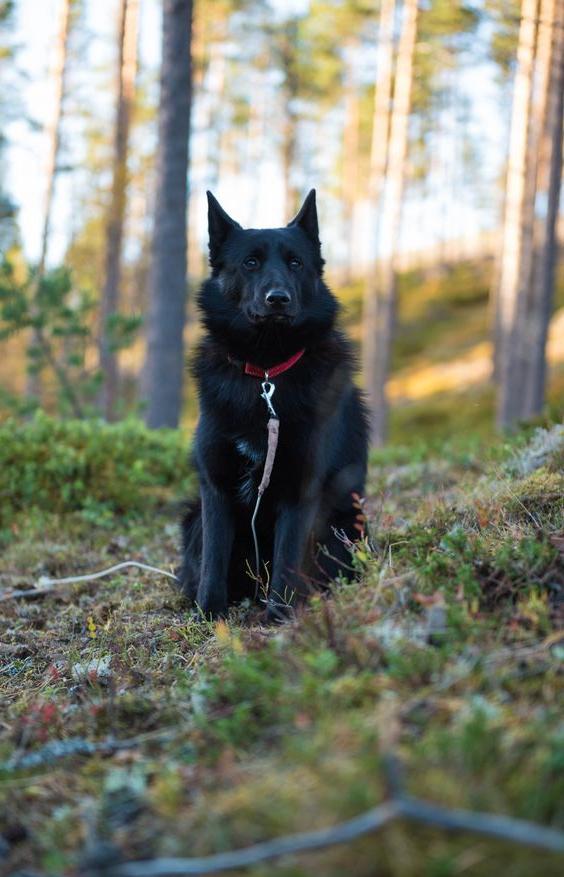
People usually end up looking into the Black Norwegian Elkhound after they have spotted one at the park, seen a photo of that glossy black coat, or heard someone mention an “elkhound” and assumed it must be the same as the better-known grey version. Then the questions start: is it actually a separate breed, how big does it get, and is it the sort of dog that fits suburban life?
It helps to know that what looks like a striking “colour variant” is, in practice, its own recognised breed standard in many kennel systems. The Black Norwegian Elkhound was shaped for demanding work, with a body built for endurance, a coat made for cold, and a mind that often prefers purpose over pampering.1, 2
That does not mean they cannot be affectionate family companions. It does mean that the best experiences tend to come from owners who enjoy training, can offer regular exercise, and are comfortable living with a dog that notices the world and has opinions about it.
Quick picture of the breed
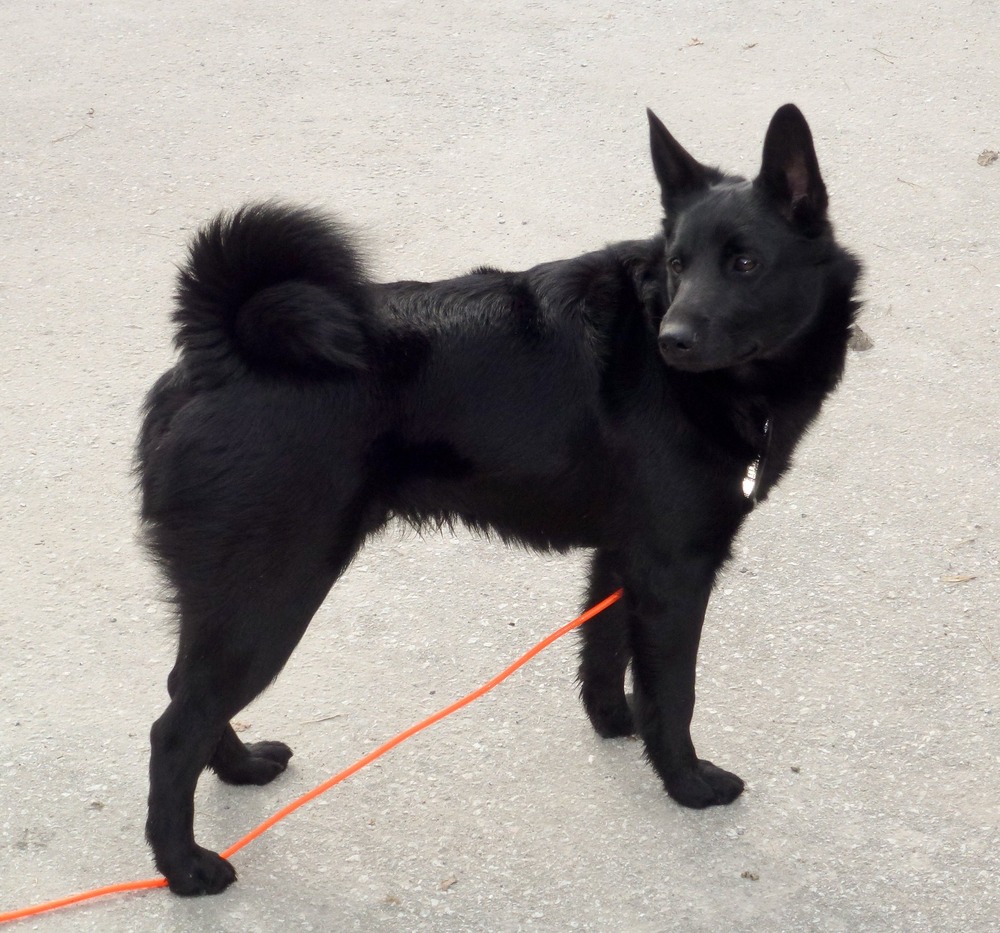
The Black Norwegian Elkhound (often referred to by its Norwegian name, Norsk Elghund Sort) is a Nordic hunting dog with a compact, square outline, erect ears, and a tail curled over the back.1, 2
In the FCI system, it sits in Group 5 (Spitz and primitive types), section “Nordic Hunting Dogs”, rather than the “hound” groups some English-language summaries place it in.1
- Size: typically around 43 to 49 cm at the withers, depending on sex and individual variation.2
- Coat: dense, close-lying double coat, designed for harsh conditions.2
- Colour: shining black, with small white markings sometimes tolerated in the standard.2
- Purpose: traditionally used for elk (moose) and deer hunting work in Norway, often in close cooperation with a handler.3, 4
History and what it was bred to do
Breed history gets simplified online, especially with phrases like “ancient Viking dog”. The more grounded version is that the Black Norwegian Elkhound developed from local spitz-type dogs in Norway and Sweden, and has been described as its own distinct type since the mid 1800s, with modern standardisation through kennel organisations later on.4, 5
In Norway, it is still spoken about as a specialist working dog, particularly suited to bandhund style work (working on lead) where cooperation with the handler matters as much as drive and stamina.4, 5
That working background is the thread you can still feel in day-to-day life. Many individuals are alert, quick to scan their environment, and motivated by scent and movement. If you give that energy nowhere sensible to go, it tends to leak out as restlessness, pulling, or noisy “commentary” at the fence.
Appearance and distinguishing traits
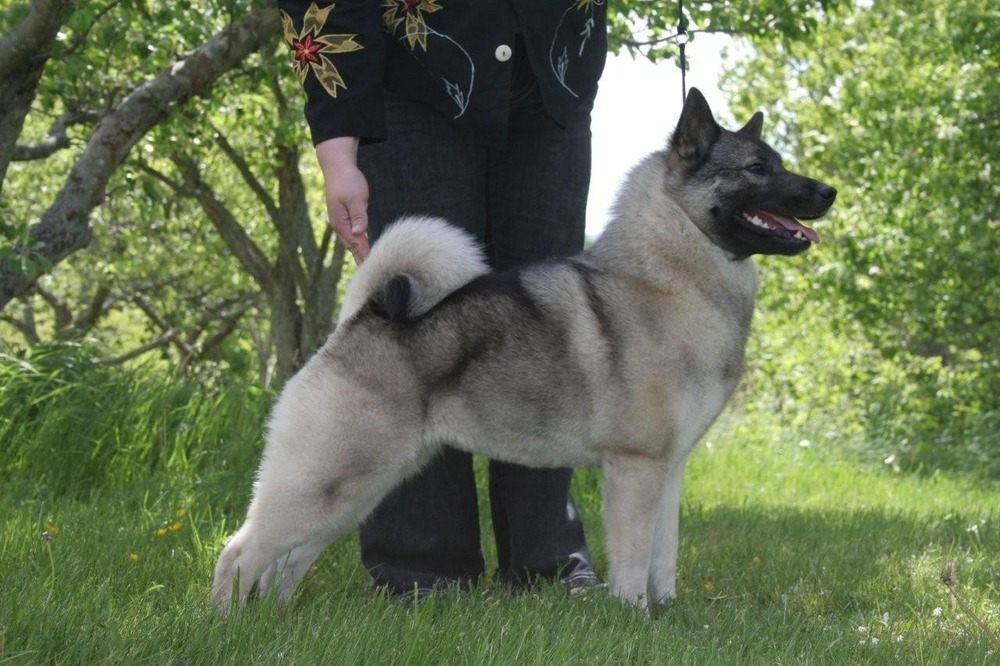
The breed standard describes a typical spitz shape: squarely built, athletic, with a proud carriage, pointed ears, and tail carried curled over the back.2
Two details are worth keeping in mind if you are comparing “elkhounds”:
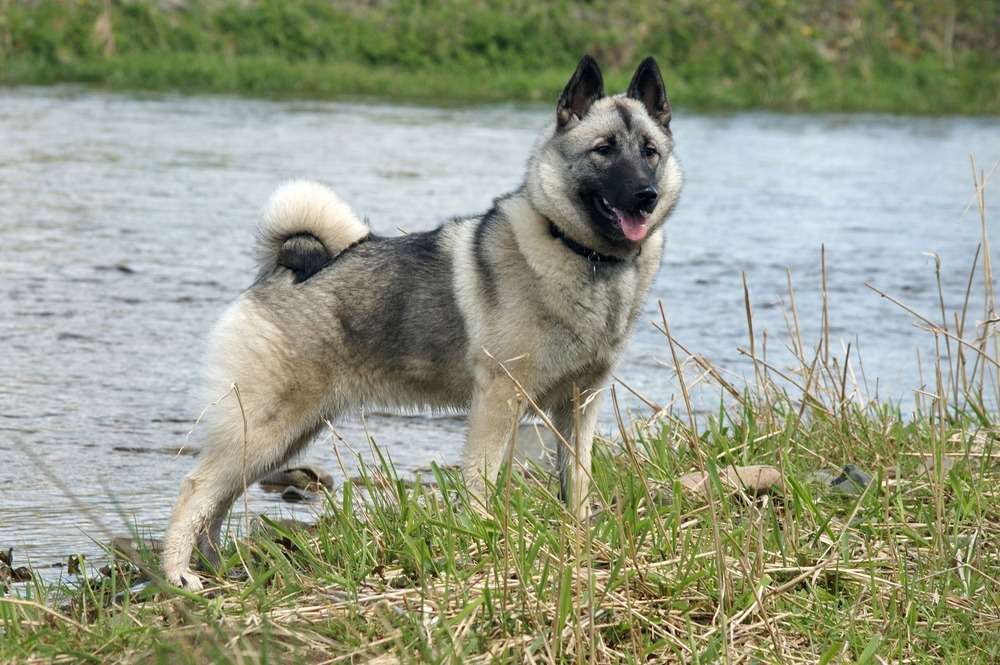
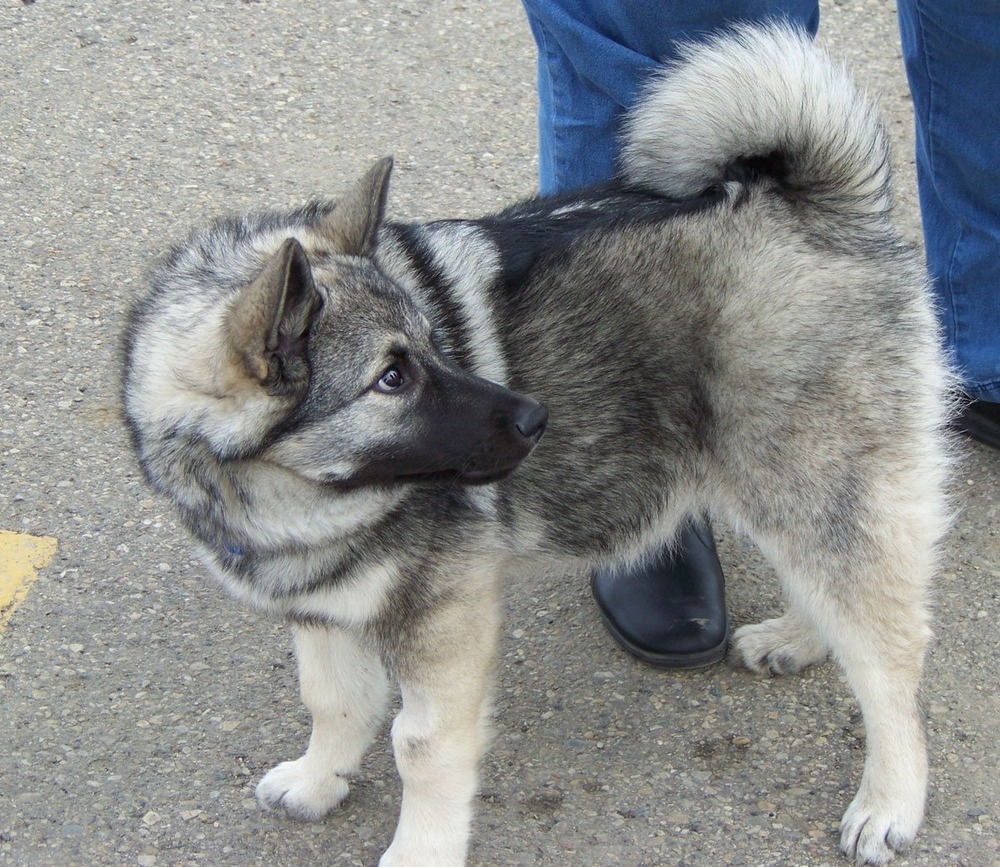
- The Black Norwegian Elkhound is smaller than the grey Norwegian Elkhound described in UK and Australian standards, and it has its own size range in the FCI standard.2, 6
- “Norwegian Elkhound” standards you see in Australia and the UK usually refer to the grey breed. That can confuse buyers who are specifically looking for the black dog.6, 7
The coat is dense and practical rather than decorative. It is meant to insulate, shed water, and protect the dog while moving through scrub and poor weather.2
Temperament, with real-life suitability in mind
Temperament is where people either fall in love, or realise the breed is not for them. Black Norwegian Elkhounds are often described as energetic and brave in breed standards, and as purposeful working dogs in Norwegian breed information.2, 5
In a home, that can look like:
- High awareness of what is happening outside the yard or window.
- Strong interest in scents, trails, and wildlife, which can make recall a long-term project rather than a quick win.
- A tendency to test whether a cue is truly worth responding to, especially if training has been repetitive or unclear.
They often do well with children and other pets when they are thoughtfully socialised and managed, but it helps to remember that a lively, fast dog and a busy household can both amplify arousal. Calm routines, clear boundaries, and enough exercise usually matter more than any single “kid-friendly” rating.
Training that suits an independent working dog
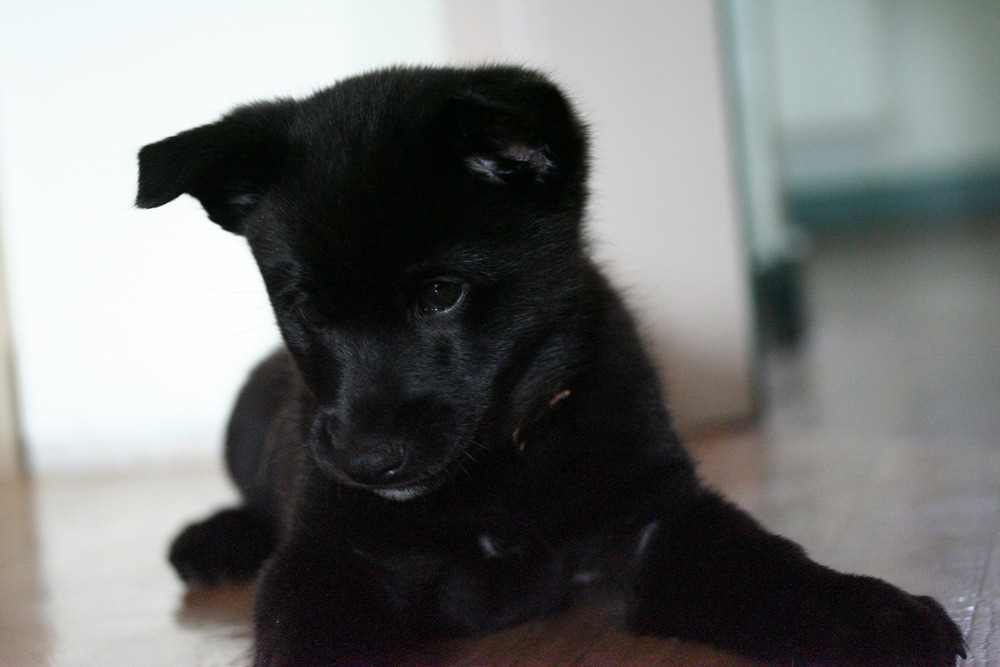
Owners often get the best results when they treat training as a relationship skill, not a contest. Reward-based methods are widely recommended by animal welfare organisations, because they teach the dog what to do, while reducing the risk of fear or conflict behaviours.8
For this breed, focus on three practical pillars:
- Early socialisation that is gentle and structured, including calm exposure to new surfaces, noises, dogs, and handling.
- Daily reinforcement of recall foundations on a long line, before you expect reliability off lead.
- Enrichment with purpose, such as scent games, tracking-style walks, food puzzles, and training that uses their nose rather than only their speed.
If you meet independence with harsh corrections, you often get a dog that either shuts down or doubles down. If you meet it with clear rewards, consistency, and enough outlets, you tend to get a dog that is keen, steady, and much easier to live with.
Exercise needs and day-to-day outlets
These dogs were bred for stamina. A quick lap around the block usually is not enough, especially for younger adults. Think in terms of daily movement plus daily thinking.
Useful options include longer walks with sniffing time, structured play, scent trails in the yard, and training sessions that ask for focus in gradually more distracting places. If you enjoy hiking or being outdoors most days, the breed can feel like a natural fit.
Also consider climate. A dense double coat helps in cold weather, but can make heat management more important in summer. Shade, water, and choosing cooler parts of the day for exercise can make a noticeable difference.
Health considerations and preventative care
Like many medium-sized working breeds, Black Norwegian Elkhounds can be affected by inherited and multifactorial conditions. Two commonly discussed areas are hips and eyes.
Hip dysplasia is influenced by genetics and environment. Keeping a dog lean and well-conditioned can reduce the severity of signs, but it does not “prevent” hip dysplasia in a genetically predisposed dog, and screening breeding dogs by radiographs remains an important part of responsible breeding.9
For eye health, progressive retinal atrophy (PRA) is a broad group of inherited retinal diseases seen across many breeds. If you are buying a puppy, ask what eye testing is done in the lines, and what results mean in plain language, not just as paperwork.
Preventative care basics still do the heavy lifting:
- Routine vet checks and age-appropriate screening.
- Parasite control appropriate to your area and lifestyle.
- Weight management, especially in desexed adults or dogs with reduced exercise due to injury.
Grooming and coat care in a normal household
The coat is dense and can shed steadily, with heavier seasonal sheds. Weekly brushing is a reasonable baseline for most homes, with more frequent brushing when the undercoat is coming out.
A practical approach is to:
- Brush through to the undercoat, not just the surface, using a tool that suits your dog’s coat density.
- Check ears, nails, and paw pads as part of a short routine, rather than leaving it until something looks wrong.
- Keep bathing modest, since frequent shampooing can dry the skin and make coat management harder for some dogs.
If you are deciding between breeds, it is fair to call this moderate maintenance, not “easy-care”. The difference shows up most clearly in the amount of hair in the house.
Feeding and keeping a working breed in good condition
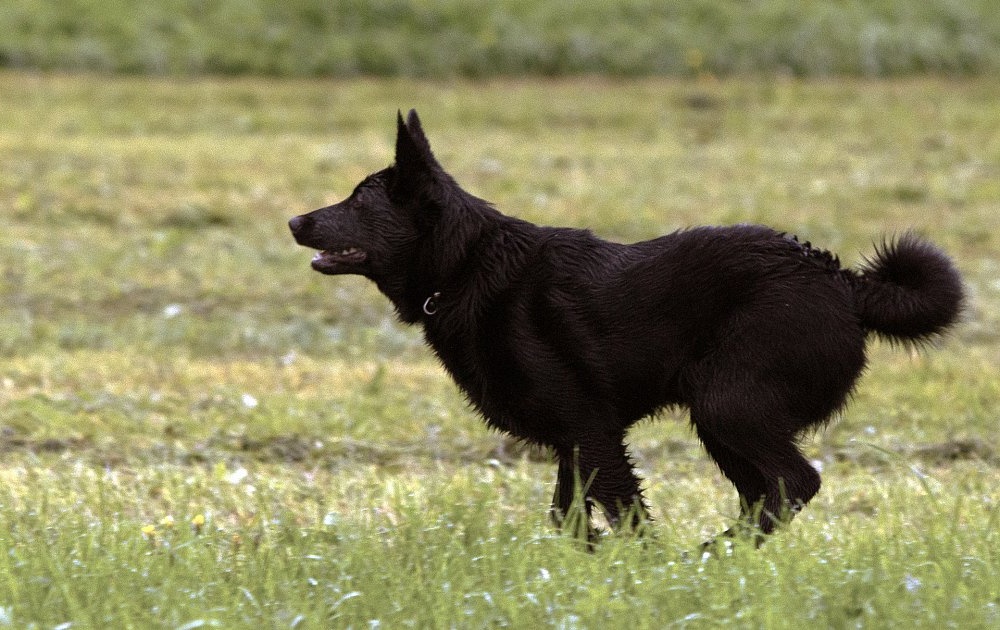
For an active spitz-type dog, the goal is not a particular brand or trend. It is a diet that meets recognised nutritional standards, suits your dog’s life stage, and keeps them in a healthy body condition. Veterinary nutrition guidelines emphasise an individual nutrition plan and regular assessment, especially since obesity is common and often missed under thick coats.10
Two small habits help a lot:
- Use a simple body condition check (ask your vet to show you what “ideal” feels like on your dog).
- Adjust portions when exercise changes, for example during hotter months, injury rest, or after desexing.
If you are using treats for training, factor them into the day’s intake. This breed often responds well to food reinforcement, but it is easy for calories to creep up if you do not watch the totals.
Final thoughts
The Black Norwegian Elkhound suits people who like dogs as companions and as partners in activity. The coat and looks catch your eye, but it is the working heritage that shapes the day-to-day experience: an alert dog, built for movement, with a strong sense of environment and a real need for purposeful engagement.2, 5
If you can offer steady training, regular exercise, and a home that does not expect a quiet ornament, you often get something special: a dog with presence, stamina, and a calm confidence that grows when their needs are met.
References
- FCI: NORSK ELGHUND SORT (Norwegian Elkhound Black), breed listing
- Dogs Global: Black Norwegian Elkhound (Norsk Elghund Sort), FCI standard summary
- Norske elghundklubbers forbund: Norsk elghund sort (NES) raseinformasjon
- Norsk Kennel Klub (NKK): Norsk elghund sort, breed information
- Norges Jeger- og Fiskerforbund (NJFF): Norsk elghund sort
- Dogs Australia: Norwegian Elkhound (grey) breed standard
- The Kennel Club (UK): Norwegian Elkhound breed standard
- RSPCA Knowledgebase: Reward-based dog training and why the RSPCA supports it
- UC Davis School of Veterinary Medicine: Canine hip dysplasia
- WSAVA: Global Nutrition Guidelines