

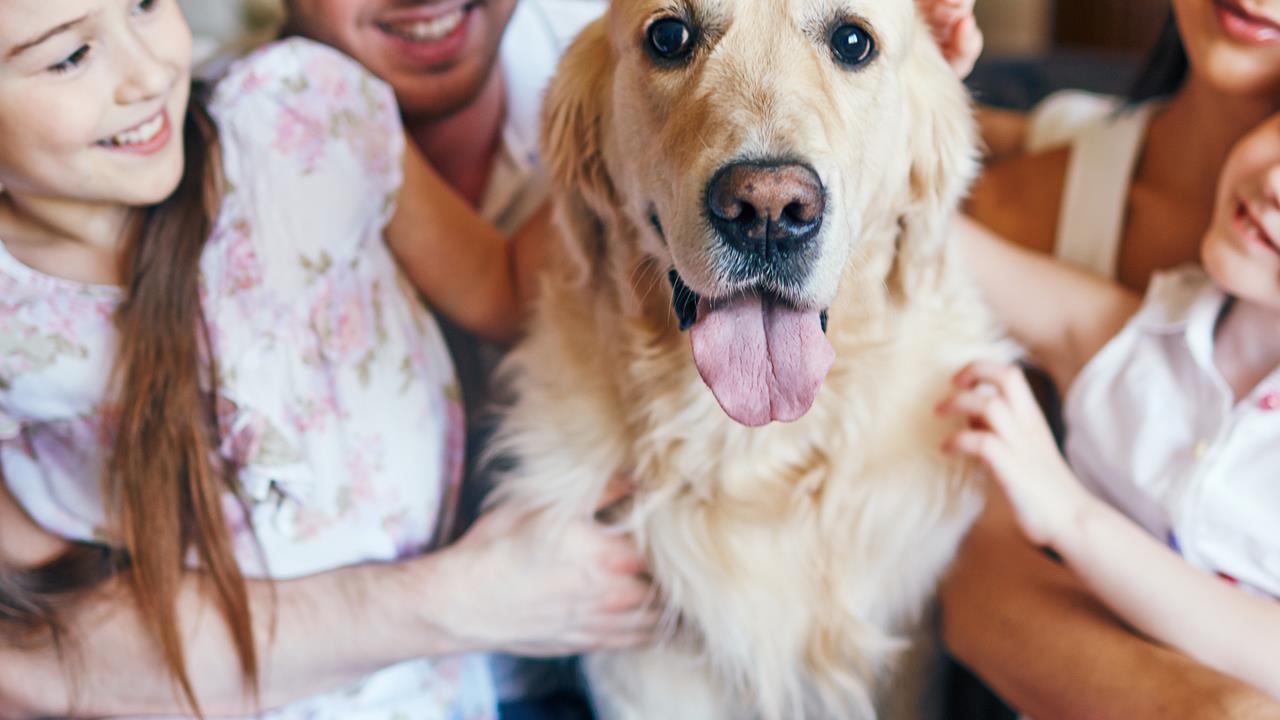
People usually start searching about pet ownership when they’re weighing up a new animal in the house, or when the day-to-day reality has started to feel heavier than expected. The decision matters. A mismatch can quietly lead to stress for the household, welfare problems for the animal, and expensive, time-sensitive vet bills.
Responsible pet ownership is less about good intentions and more about steady, practical care over years. The basics are simple: meeting daily needs, planning for costs, keeping everyone safe, and choosing an animal that fits the way your home actually runs.1
The real responsibility: care for a whole lifetime
Most pets don’t just “slot in”. They rely on you for food, water, shelter, safety, and health care, every day, for their whole life. That’s the core commitment—especially when life changes, money tightens, or your schedule shifts.1
Practical planning helps. Many people underestimate the early set-up costs (equipment, vaccinations, microchipping, registration) and the ongoing ones (food, parasite prevention, check-ups, grooming, training, boarding). It’s also worth expecting the unexpected: injuries and sudden illness are part of living with animals.2
Daily needs that don’t take days off
Different species need different things, but most responsibilities show up in the same places:
- Food and fresh water suited to the animal’s age and health.
- Movement and stimulation (from dog walks to climbing, foraging, training games, or safe exploration).
- Hygiene (litter trays, bedding, cages, tanks, and the places pets eat and sleep).
- Company and supervision, including time indoors, time alone, and safe boundaries.
- Routine veterinary care (vaccinations, parasite control, dental and general health checks as advised by your vet).1, 6
Health care basics: prevention beats panic
Good pet care is quiet and preventative. A regular relationship with a local veterinarian makes a difference, because many problems are easier (and cheaper) to manage early.
Vaccination, parasite control, and identification
Vaccination needs vary by species, lifestyle, and location, so the schedule should come from your vet. In Australia, puppies and kittens commonly start their core vaccinations from around 6–8 weeks, with follow-up doses through the early months, then ongoing boosters as advised.6, 7
Identification matters too. Microchipping improves the chance of reunion if a pet is lost, and it’s a legal requirement in many parts of Australia (alongside council registration and, in some places, desexing requirements). Check your local council rules and keep your microchip details up to date.3, 4
Illness and accidents: plan for the fast moments
Even well-cared-for animals get sick, or do something ordinary and unlucky—an awkward jump, a swallowed object, a fight at the fence line. A dedicated savings buffer or pet insurance can soften the impact, but either way it helps to decide in advance how you’ll handle emergency costs and transport, especially after hours.2
What pets can change in people (and what they can’t)
Many people feel better with an animal around: calmer routines, more movement, a quieter house at the end of the day. The evidence is mixed, though. Some studies find benefits for loneliness or stress in some groups, while others find no benefit—or even worse quality-of-life measures under certain conditions (like during periods of high disruption). It’s more accurate to say pets can support wellbeing, but they’re not a reliable “treatment”, and the effect depends on the person, the animal, and the situation.5
Physical activity and cardiovascular health
Dogs, in particular, tend to pull people outdoors. Large reviews and scientific statements note that dog ownership is often linked with higher physical activity, and may be associated with lower cardiovascular risk—though the evidence isn’t uniform, and adopting a pet solely for health reasons isn’t recommended.8
Common disadvantages (and how they usually show up)
The downsides of pet ownership are rarely dramatic. They’re practical, repetitive, and sometimes exhausting:
- Money pressure: food, parasite prevention, vaccinations, desexing, microchipping, registration, and vet visits—plus occasional big emergency bills.2
- Time and routine: daily care, training, cleaning, and making arrangements for holidays or late workdays.1
- Health and hygiene risks: pets can carry germs and parasites that can make people sick, sometimes even when the animal looks healthy. Handwashing, sensible cleaning, and routine vet care reduce the risk (extra care is needed around pregnancy and immunosuppression).9
Choosing the right pet for your lifestyle
Matching a pet to your real week—work hours, commuting, noise tolerance, energy, budget—prevents a lot of heartache. Dogs often need more active time and training. Cats can be more independent, but still need daily care, enrichment, and veterinary support. Small mammals, birds, reptiles, and fish can look “low maintenance” at first glance, yet they often have precise housing, temperature, diet, and hygiene needs that take discipline.
If you’re unsure, start with honest questions:
- How many hours will the animal be alone most days?
- Who does care when you’re sick, away, or working late?
- What’s your realistic weekly budget, plus a buffer for emergencies?
- Are there allergies, mobility limits, rental restrictions, or council rules that change what’s possible?
RSPCA Australia recommends researching the specific needs of the animal and planning before bringing a pet home, including considering adoption through an RSPCA shelter where suitable.1
Pets and children: benefits come with supervision
Pets can be part of a warm childhood—shared routines, gentle responsibility, and plenty of chances to practise calm handling. But safety needs to be treated as non-negotiable, especially with dogs.
Australian child-safety guidance is consistent on one point: any dog might bite, and young children are at higher risk, often bitten by a familiar dog at home. Close supervision means staying within arm’s reach and being ready to step in, particularly around food, sleep, pain, high-energy play, and unfamiliar animals.10
Teaching kids practical pet-care responsibility
- Make care tasks predictable and age-appropriate (topping up water, helping with feeding under adult control, gentle brushing).
- Teach “leave them alone” moments: eating, sleeping, hiding, injured, cornered.
- Set up zones: a child-free retreat for the pet, and a pet-free area for the child when needed.10
Considerations for older pet owners
For many older people, pets bring structure to the day and reasons to step outside. Still, the best match is the one that fits safely: manageable strength on the lead, low trip hazards, a stable temperament, and a realistic plan for vet visits and ongoing costs.
If future mobility is a concern, think ahead—smaller or calmer animals may be easier to care for, and it’s wise to have a written back-up plan in case the pet outlives you or you can’t provide care for a period.1, 2
Adoption vs buying: what to weigh up
Adoption is a straightforward way to give an animal a second chance. Many shelters include essential veterinary work—often vaccinations, microchipping, desexing, and health checks—as part of the adoption process, though details vary by organisation and the individual animal.1, 11
Buying from a breeder can be appropriate in some circumstances, but it’s worth being cautious: high demand can fuel poor welfare practices. If you go down this path, take time to check that the breeder is reputable, transparent about health screening, and willing to discuss temperament and suitability—not just colour and pedigree.
A quick decision check
- You can cover routine care and have a plan for emergencies.2
- Your daily schedule fits the animal’s needs, including exercise and supervision.1
- Your home can be set up safely (secure fences, safe spaces, child supervision rules where relevant).10
- You’re ready for a long commitment, not just the first exciting months.1
References
- RSPCA Australia — Responsible pet ownership
- RSPCA Pet Insurance — Why owning a pet is a big decision
- ACT Government (City Services) — Responsible dog ownership: your responsibilities
- Agriculture Victoria — Microchipping of dogs and cats
- PubMed — Pet ownership and mental health during COVID-19 lockdown (Australia; COLLATE study)
- RSPCA Pet Insurance — Vaccinations for your pet (core vaccines and typical schedules)
- RSPCA Knowledgebase — What vaccinations should my dog receive?
- American College of Cardiology — Summary of the American Heart Association scientific statement on pet ownership and cardiovascular risk
- CDC — Diseases that can spread between animals and people (Healthy Pets, Healthy People)
- Raising Children Network — Dogs and children: preventing dog bites
- RSPCA ACT — Reduced adoption fees (includes information on veterinary care provided to animals in care)