

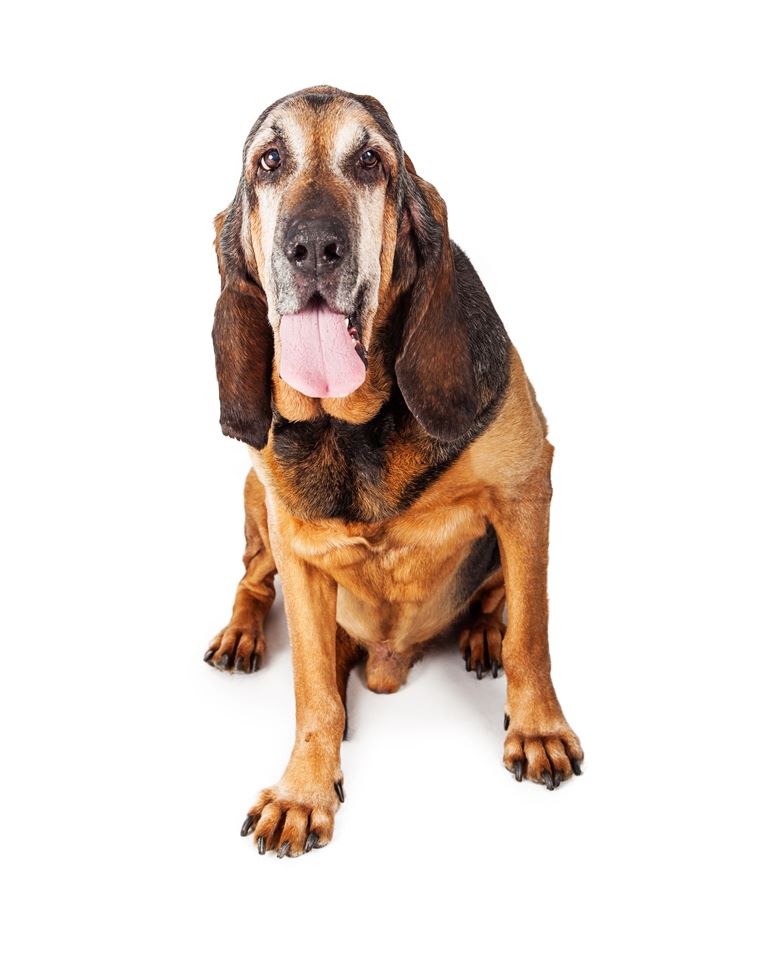
You might meet a Bloodhound as a calm, wrinkly face at the park, then watch the dog suddenly lock onto a smell and become almost impossible to distract. It can be surprising, especially if you expected training cues or toys to be the main motivators. With this breed, the nose often leads and everything else follows.
That matters in everyday life because a Bloodhound is not just a big dog with long ears. They are built for slow, determined scent work, and the same traits that make them brilliant trackers can make ordinary routines, like walks, visitors at the gate, or mealtimes, feel a bit more complicated if you are not prepared.
When people and dogs struggle together, it is often less about stubbornness and more about mismatch. A Bloodhound typically does best with space, patient handling, and opportunities to use their scenting ability in safe, structured ways.
At a glance: what a Bloodhound is like to live with
- Breed type: Large scent hound, bred to trail by smell and work steadily over distance1, 2
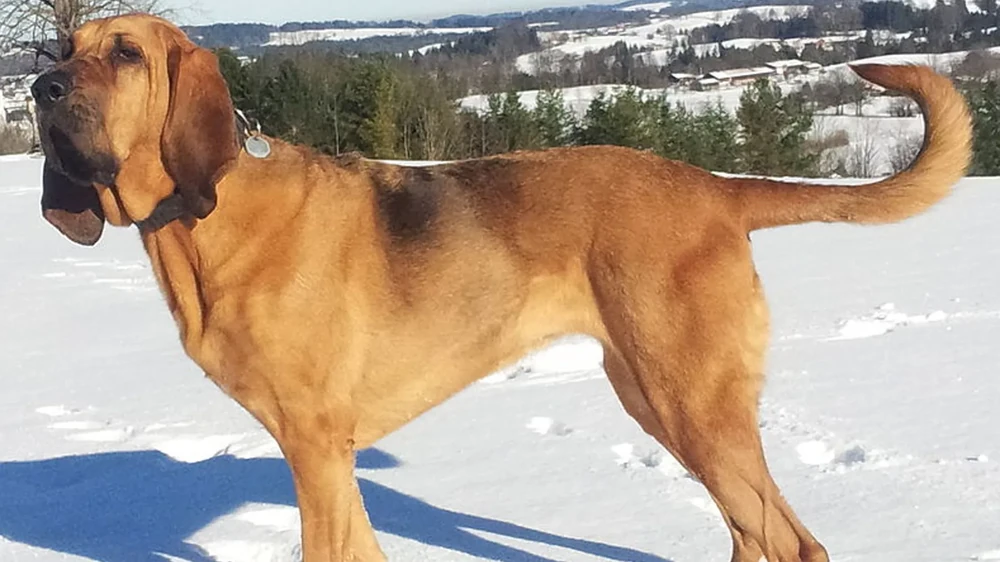
- Typical height: About 58 to 70 cm at the withers (varies by sex and line)3
- Typical weight: Commonly 36 kg and up, many are much heavier, so management matters as they age3
- Coat: Short, dense coat in black and tan, liver and tan, or red3
- Temperament: Often gentle and sociable, but can be persistent and independent when following scent4
- Notable quirks: Very heavy drooling is common, and their scent drive can make off-lead reliability difficult in unfenced areas4
History and origin: where the Bloodhound comes from
The Bloodhound is closely linked with the Chien de Saint-Hubert, a large scent hound associated with the Abbey of Saint-Hubert in what is now Belgium. Breed history is not always perfectly tidy, but the long-running tradition is clear: these were dogs selected for their ability to hold a trail and keep working in difficult conditions.1, 2
Over time, Bloodhounds became valued not only for hunting, but also for tracking people. Modern breed standards still describe the Bloodhound as a dog meant to work on lead and follow scent over long distances, which helps explain their steady pace and the way their focus can narrow when they are “on” something.2
If you are choosing the breed, it is worth taking that background seriously. A Bloodhound is not designed to be constantly watching you for the next cue. They are designed to commit to information coming in through the nose.
Physical characteristics that affect behaviour
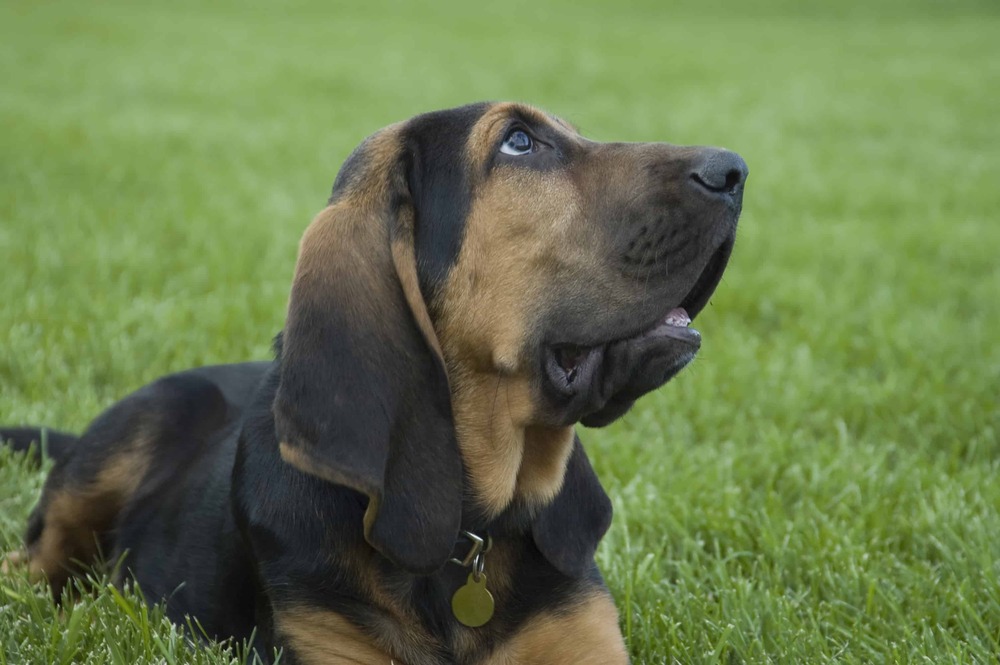
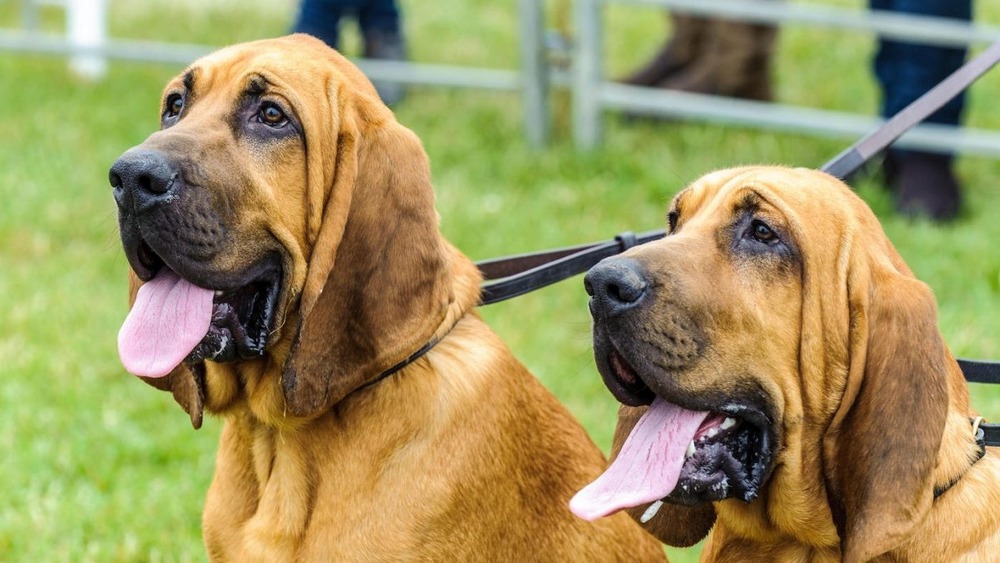
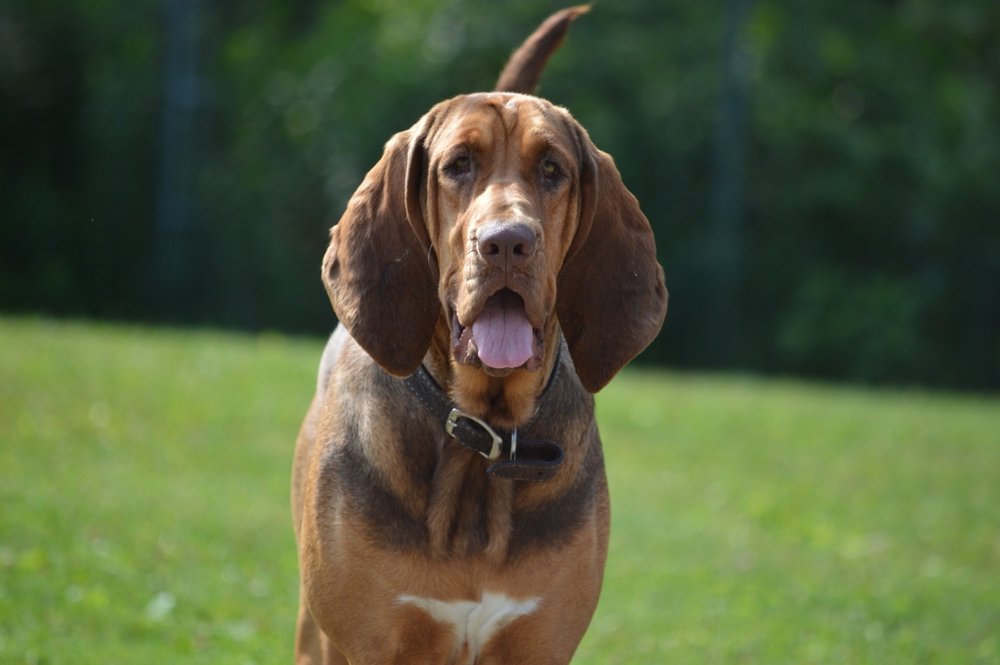
Bloodhounds are big, substantial dogs with a short coat and a distinctive head: long ears set low, loose skin, and deep flews. The look is iconic, but it also comes with practical realities like drool, damp ears after drinking, and skin folds that need basic routine care rather than fussing.3, 4
It is common to hear that the ears and wrinkles “trap scent”. In real life, it is safest to treat that as a helpful way of visualising the breed’s design rather than a precise explanation. What matters day to day is that Bloodhounds have extraordinary scenting capacity and a body made to follow it for hours, which is why a casual sniff can suddenly turn into a powerful pull on the lead.2, 4
Temperament and behaviour: gentle, persistent, easily led by scent
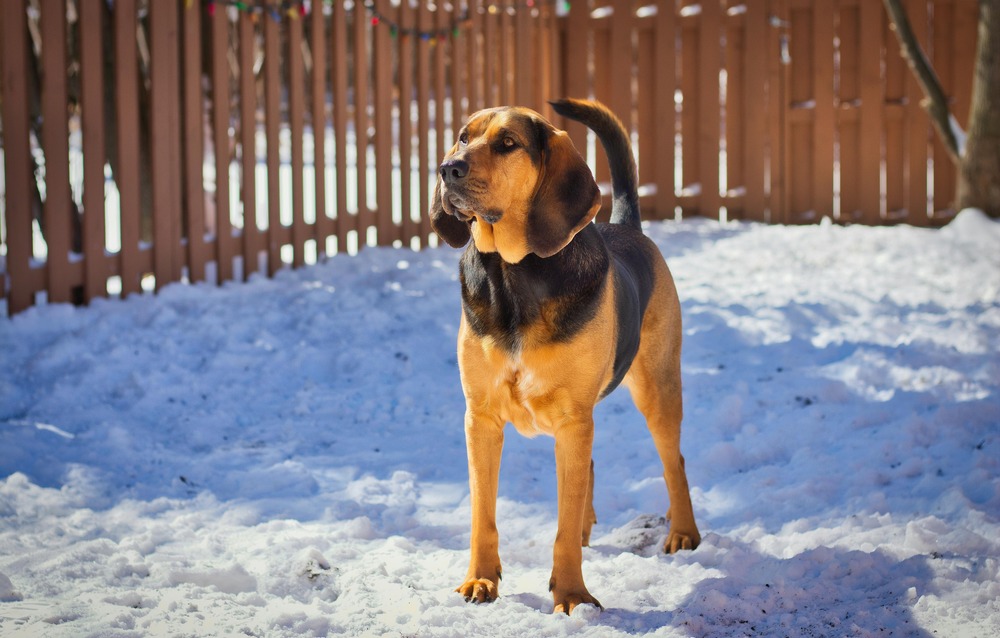
Most Bloodhounds are described as placid and kind with people. They are often social dogs, and many cope well with children when the household sets sensible boundaries around space, food, and rough handling. Their size alone is a reason to supervise, not because the breed is “bad with kids”, but because a heavy dog can knock a child over without meaning to.4
Where people sometimes get caught out is the way a Bloodhound can feel “selectively deaf”. It is not always defiance. Scent work is deeply reinforcing, so once the dog is tracking, your voice may simply not compete. In practice, that means management becomes part of kindness: secure fencing, a well-fitted harness, and being realistic about where you can safely give them freedom.2
Many Bloodhounds are also sensitive to harsh handling. A steady, consistent approach tends to get better results than corrections that escalate arousal and confusion.4
Training and exercise: meeting the dog where their brain lives
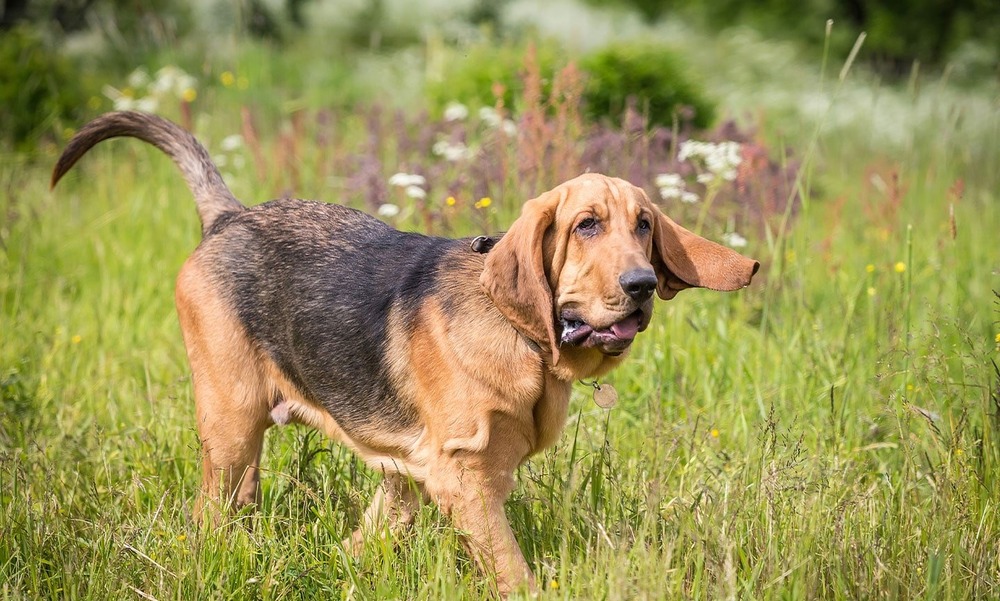
Training a Bloodhound is often less about teaching “sit” and more about building everyday cooperation. Loose-lead walking, recall foundations, and calm greetings matter, but they usually develop best when you accept that sniffing is not a distraction. For this breed, sniffing is a primary need.
Good exercise for a Bloodhound is not only distance. It is also time to investigate scent. A long, structured walk where the dog can sniff on cue, plus short sessions of tracking games in the yard, can leave them more settled than a fast march around the block.
Practical ideas that suit many Bloodhounds include:
- Scent trails using a dragged treat pouch or a family member’s footsteps in the garden
- Scatter feeding in grass (supervised) for calm, nose-led work
- Basic impulse control around doors and gates, using rewards and repetition rather than pressure
If you are struggling with pulling, consider getting help early. With a powerful hound, technique and equipment choices make a real difference to safety and comfort.
Health and lifespan: the predictable trouble spots
Bloodhounds are commonly reported to live around 10 to 12 years, though individuals vary. As a large breed, they benefit from thoughtful weight management and a vet who is proactive about mobility as the dog ages.
Two health topics come up again and again:
- Ear disease: Long, folded ears can create a warm, moist environment, and otitis externa can become chronic if underlying causes (like allergies or foreign bodies) are missed. Persistent head shaking, odour, redness, or discharge deserves a vet check rather than repeated home cleaning.5
- GDV (bloat): Large, deep-chested dogs are at higher risk. It is not something to be casual about, because it can become life-threatening quickly. Risk reduction is not perfect, but sensible routines help, including splitting meals and avoiding hard exercise around mealtimes.6, 7
If you are buying a puppy, ask what health screening is done in the line, and what the breeder has seen in related dogs. If you are adopting, your vet can help you build a plan based on the dog in front of you rather than the “average Bloodhound”.
Grooming and maintenance: simple coat, ongoing ears, plenty of drool
The coat itself is generally straightforward. Weekly brushing is usually enough to manage shedding and keep the coat clean, with baths as needed.
The maintenance that catches people by surprise is everything around the head. Many Bloodhounds need regular ear checks, and some need routine cleaning as advised by a vet, especially if they have a history of infections. Because ear problems can involve bacteria, yeast, inflammation, and a damaged eardrum, it is wise to avoid experimenting with products when the ear is sore or smelly.5
Drool is also part of the package for many dogs. Keeping a cloth near water bowls and wiping skin folds if they stay damp can help prevent irritation.
Diet and nutrition: appetite, weight, and safe feeding habits
Bloodhounds often enjoy food, and their size means small daily extras add up quickly. In Australia, pet obesity is common, and the practical fix is usually boring but effective: measure meals, reduce treats, and check body condition regularly rather than relying on the scale alone.8
For many adult dogs, feeding at least two meals a day is a sensible routine. It can help with hunger and is often recommended as part of bloat risk management, along with not exercising immediately before or after eating.7
If you want a simple starting point, look for a complete and balanced diet suitable for large breeds, then adjust based on your dog’s condition, activity level, and veterinary advice. Fresh water should always be available.7
Choosing a Bloodhound: who they suit (and who they do not)
Bloodhounds tend to suit people who enjoy slow, sensory walks, have secure fencing, and do not mind a dog that will happily follow smells for the sheer satisfaction of it. They often do well with owners who can give them patient structure without expecting constant off-lead control.
They can be a tougher match for apartment living, not because they cannot settle, but because daily life often involves lifts, narrow hallways, and frequent close encounters. A strong, scent-driven dog in a crowded environment needs more planning.
If you are considering the breed, it helps to ask yourself one honest question: can you enjoy a dog whose favourite hobby is smelling the world, even when you would rather keep moving?
References
- Federation Cynologique Internationale (FCI): Chien de Saint-Hubert (Bloodhound) breed entry
- FCI Standard No. 84: Bloodhound (Chien de Saint-Hubert)
- Wikipedia: Bloodhound (overview, size range, colours)
- United Kennel Club (UKC): Bloodhound breed standard and temperament notes
- Australian Veterinary Prescribing Guidelines (University of Melbourne): Companion animal ear disease guidance
- Cornell University College of Veterinary Medicine: Gastric dilatation volvulus (GDV or bloat)
- RSPCA Australia Knowledgebase: What should I feed my dog?
- RSPCA Australia: 4 ways to avoid obesity in your dog