

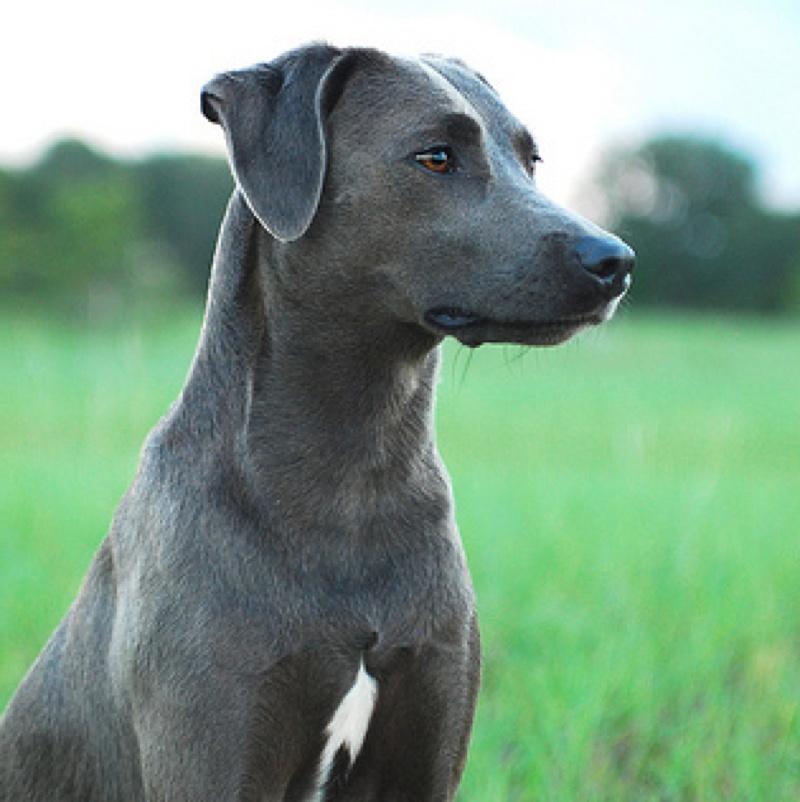
You usually hear about Blue Lacys in passing. A friend mentions a “Texas working dog” that can run all day, or you spot a lean, slate-grey dog on social media and wonder what it is. Sometimes it is the other way around: you already live with one, and you are trying to make sense of the intensity, the quick learning, the way they notice everything.
It is easy to assume a short-coated, medium-sized dog will be straightforward. With the Blue Lacy, the coat is the simple part. What shapes day-to-day life is the breed’s working background, plus a strong need for movement, problem-solving, and clear routines.2, 7
When that need is met, many people describe a dog that settles well at home and becomes deeply connected to their people. When it is not met, the same dog can look “naughty” or “restless”, when it is really under-employed.
- Breed category: Working dog (ranch and hunting work)
- Country of origin: United States (Texas)
- Size (typical): Medium, athletic build
- Coat: Short, smooth
- Colours: Blue (grey), red, tri-coloured
- Energy level: Very high
- Grooming: Low, occasional brushing
- Best suited to: Active homes, ideally with space and structured outlets
The Blue Lacy and where it comes from
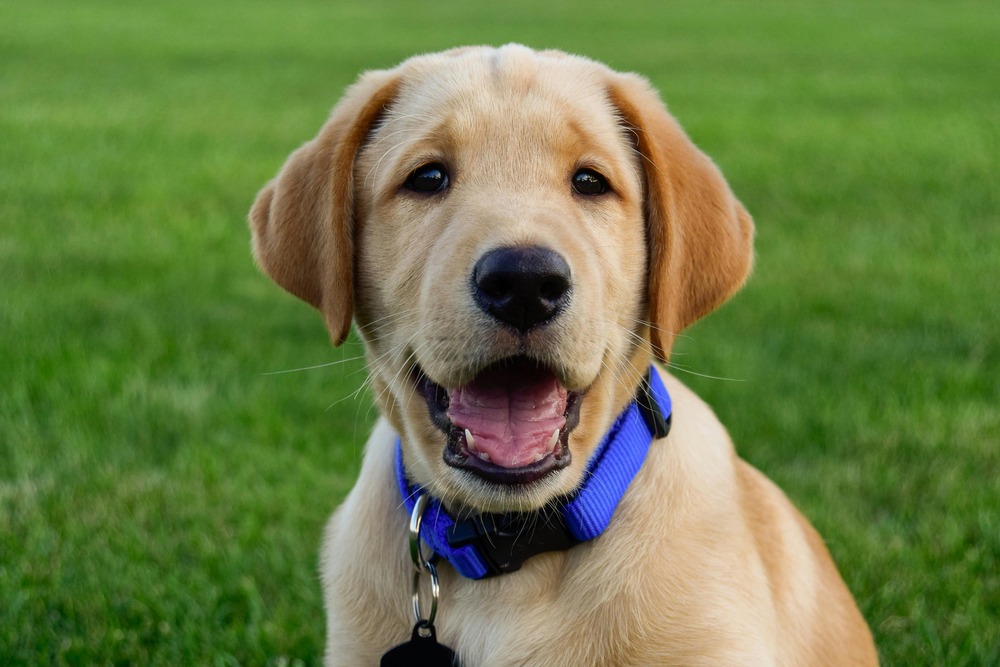
The Blue Lacy (also called the Lacy Dog) developed in Texas in the mid-19th century, associated with the Lacy family and the needs of Hill Country ranch life.3, 7 The dogs were valued because they could do a bit of everything: move stock, handle feral hog work, track game, and keep up over long days.
You will sometimes see claims about the breed’s mix, including greyhound and scent hound influence. Those origin stories are commonly repeated, but like most working landrace-type histories, the details can be hard to verify with certainty across generations. What is clear is the outcome: a fast, tough, highly trainable working dog shaped by practical selection rather than show fashion.7
In 2005, the Texas Legislature designated the Blue Lacy as the official State Dog Breed of Texas.1, 2
What a Blue Lacy looks like in real life
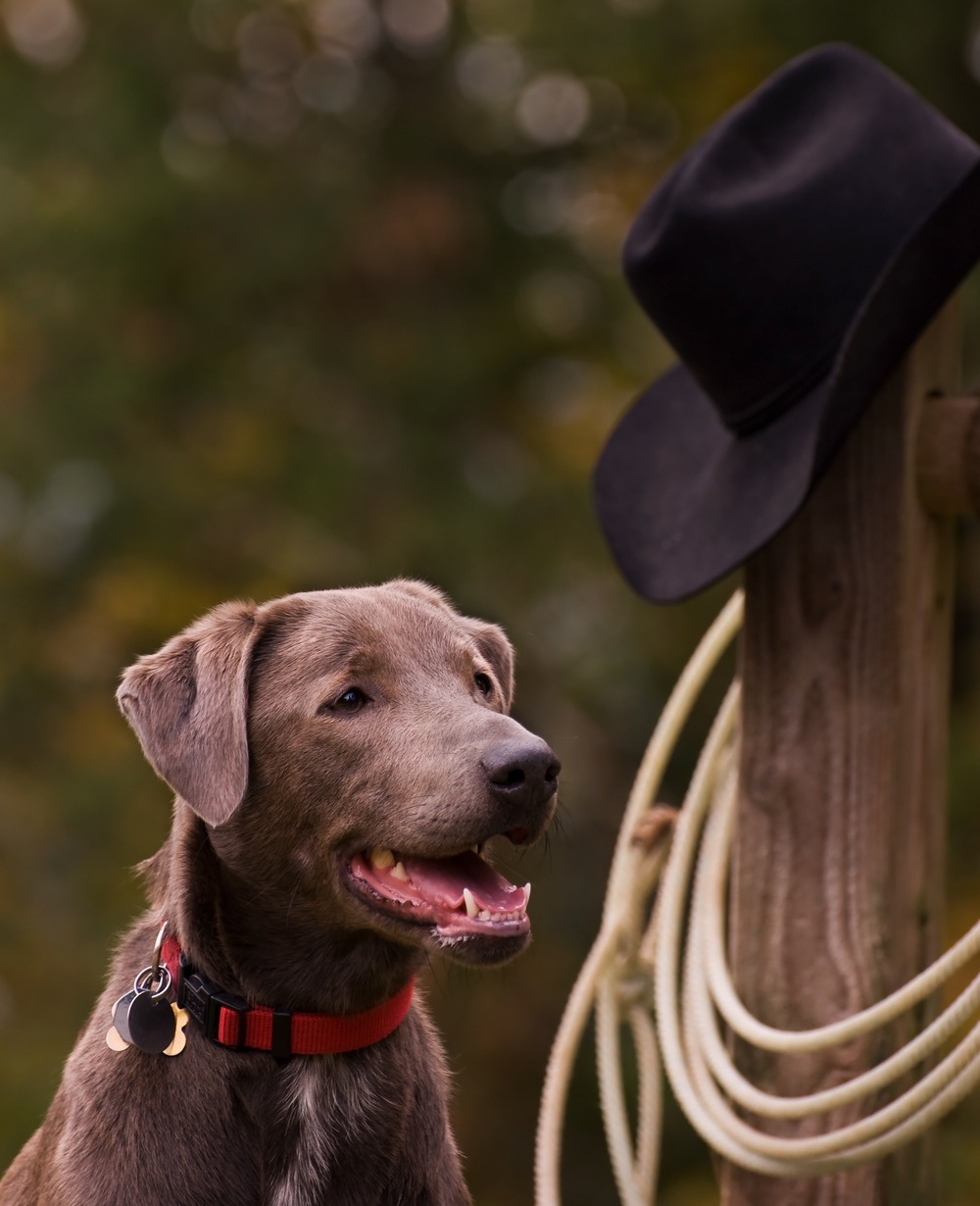
Most Blue Lacys sit in that useful middle zone: big enough to have strength and stamina, light enough to turn quickly and run efficiently. They are typically lean, with a tucked-up waist and a clean, athletic outline.
The coat is short and smooth, and the recognised colours are generally described as blue (grey), red, and tri-colour. Eyes are often amber to yellow, sometimes appearing lighter in some dogs.7
Because the coat is short, you will see the dog’s condition easily. A fit Lacy often looks “skinny” to people used to heavier-set breeds, but the aim is lean muscle and good recovery, not bulk.
Temperament, drive, and the kind of home that suits them
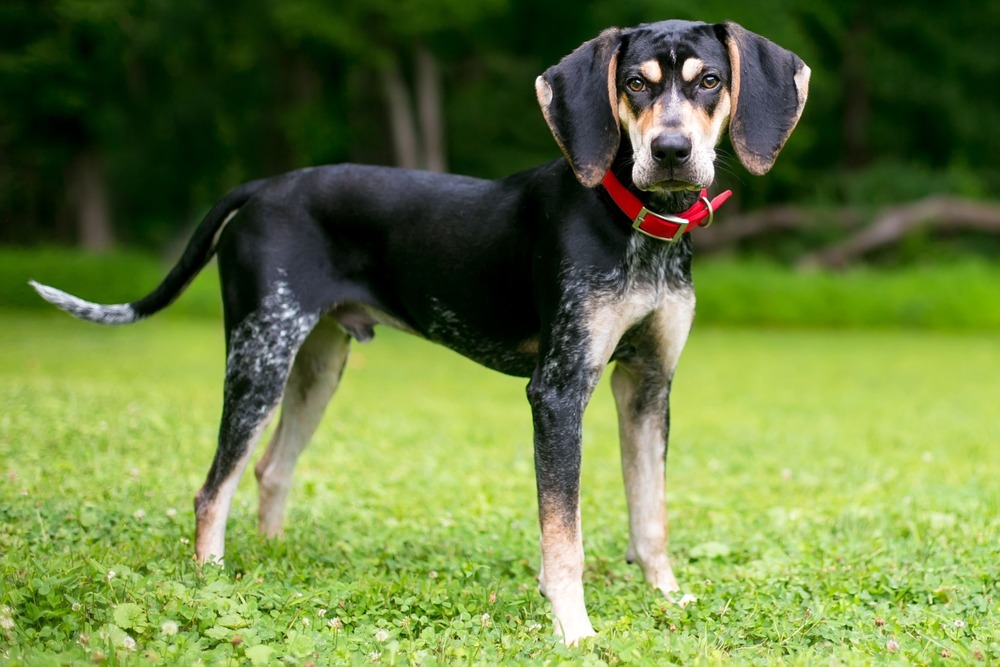
A Blue Lacy is often described as intelligent, energetic, and people-focused. In practice, that can look like a dog that watches patterns, anticipates routines, and learns new behaviours quickly, especially when training is consistent and rewarding.
It also means many Lacys have strong chase and grab instincts. That does not make them “aggressive”, but it does mean you should take introductions to smaller pets seriously and do not rely on hope as a management plan. Early socialisation, careful supervision, and teaching alternative behaviours can make a big difference.7
They tend to do best with people who enjoy having an engaged dog at their side, and who can provide structured outlets for drive, not just a backyard. A yard is useful, but it rarely replaces daily exercise, training, and purposeful play.
Children and visitors
With children, the key is often impulse control. A high-drive dog can bowl over little kids without meaning harm, especially in exciting moments. Focus on calm greetings, mat training, and giving the dog a predictable “job” when the household gets busy.
Training and exercise that actually works
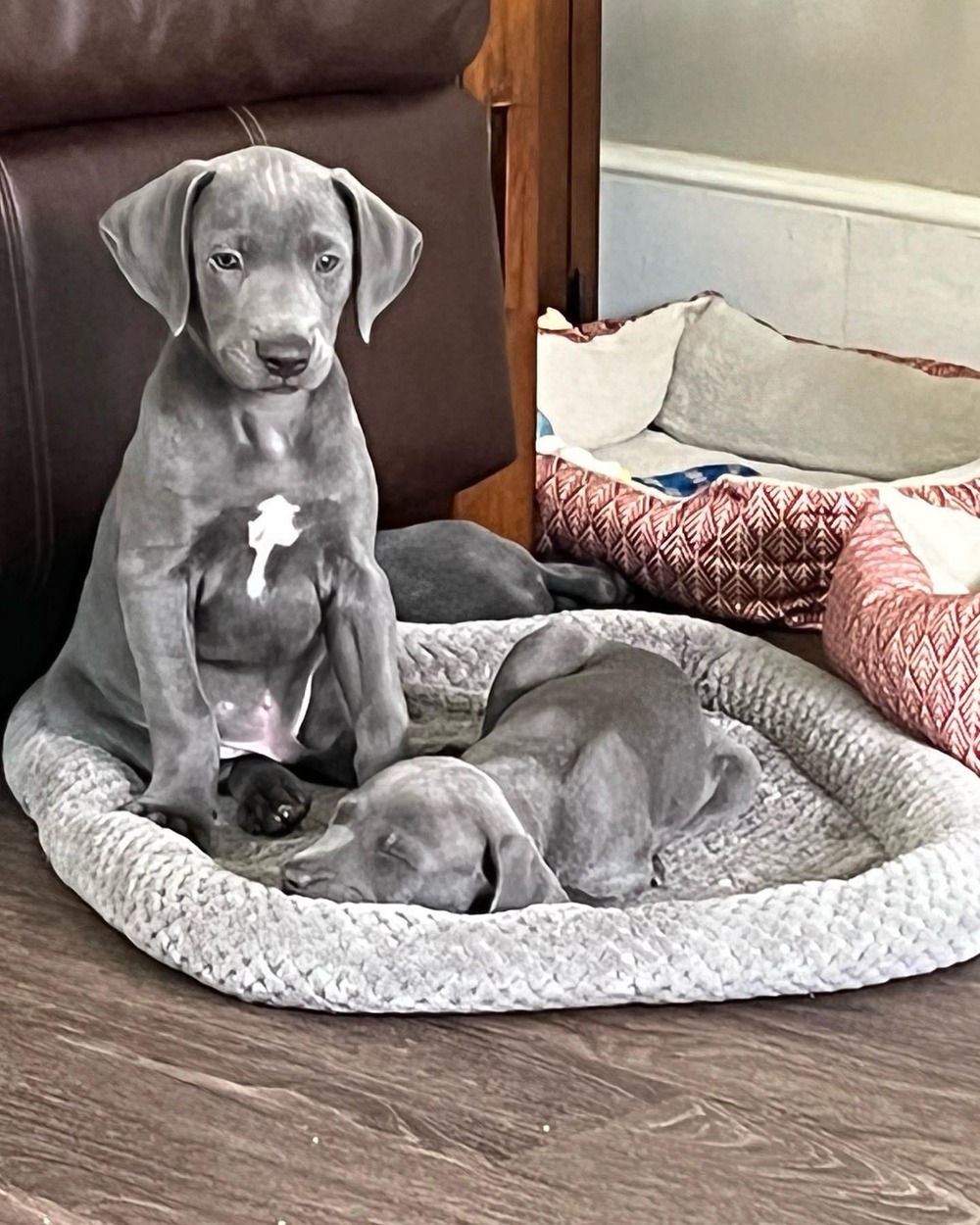
Many Blue Lacys respond best to reward-based training that is clear, practical, and done little and often. Because they are quick, they also learn the things you did not intend to teach, like charging the door when the lead comes out, or rehearsing frantic behaviour to start play. Consistency matters.
Exercise needs vary by individual, age, and health, but this is typically a high-energy working breed that benefits from daily movement plus mental work. Long sniffy walks, structured running (where safe), retrieving games with rules, and dog sports such as agility or tracking can all suit the Lacy mindset.7
- Build an off switch: practise calm on a mat after exercise, not only more activity.
- Use food puzzles, scent games, and short training sessions to reduce “busy brain” behaviour.
- If recall is not reliable, use a long line and set the dog up to succeed.
Apartment living
It is not impossible, but it is usually harder. In a small space, your margins are thinner: missed walks and bored behaviour show up faster. If you are committed to daily exercise and enrichment, some individuals can adapt, but many owners find a home with space and access to training outlets is simply easier.
Health, lifespan, and preventative care
Blue Lacys are often described as generally healthy, but the breed is relatively rare, so population-level health data is limited. Some sources note tendencies toward allergic skin disease (atopic dermatitis) in at least some individuals, and like many athletic medium dogs, sensible conditioning and weight management matter for long-term joint comfort.7, 8
A commonly cited lifespan is up to around 12 to 16 years, with the usual caveat that genetics, diet, exercise, and veterinary care all influence the outcome.8
Practical preventative care habits
- Annual vet check-ups, plus earlier visits if you notice itching, sore ears, or changes in mobility.
- Keep your dog at a healthy weight, as excess weight increases strain on joints and can affect overall wellbeing.6
- Stay consistent with parasite prevention, especially if your dog spends time in bushland or around livestock.
Coat care, grooming, and comfort in different weather
The Blue Lacy’s short coat is low maintenance. A quick brush helps remove loose hair and gives you a chance to check the skin for irritation, ticks, or minor injuries after outings.
Short coats also mean less insulation. In cold or wet conditions, some Lacys do better with practical warmth, such as a well-fitting coat for early-morning walks. In hot weather, plan exercise for cooler parts of the day and prioritise shade and water, since hard-working dogs can overheat when they push through fatigue.
Feeding and keeping a Lacy in good condition
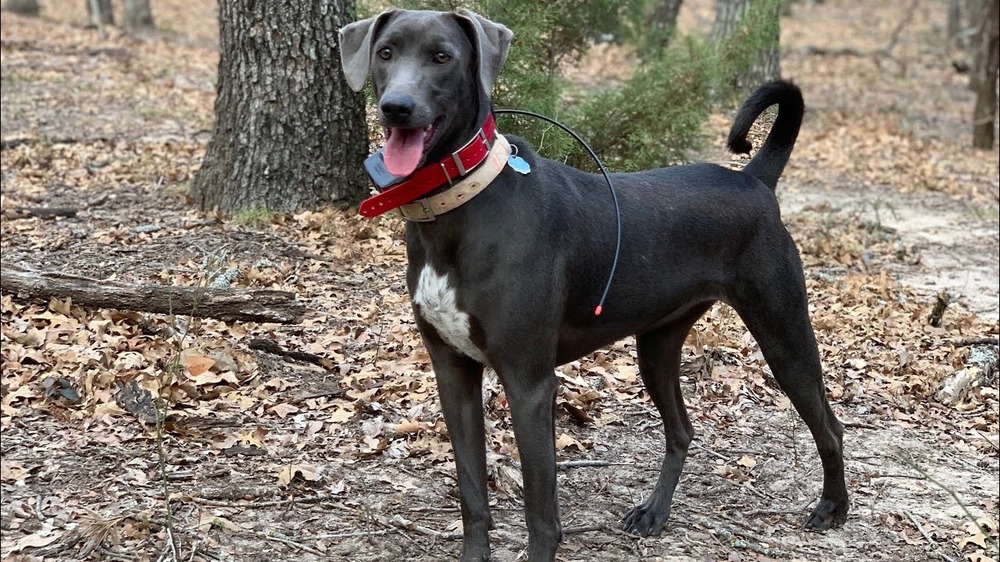
Most owners do best with a simple approach: a high-quality, complete diet that matches the dog’s activity level, with adjustments based on body condition rather than the label on the bag. Because Lacys are often energetic and lean, it is tempting to feed “just a bit more”, but weight can creep up when a dog’s routine changes.
If you use treats for training, treat them as part of the daily intake. This is particularly important for high-drive dogs, because training can involve many repetitions and a surprising number of calories over a week.6
Dental care is part of whole-body health
Dental disease is common in pet dogs, and the most effective home habit is regular tooth brushing with pet-safe toothpaste. Start gradually, keep it calm, and ask your vet for advice if you are unsure about technique or products.4, 5
Final thoughts
A Blue Lacy can be a brilliant match for the right person. Not because they are flashy or trendy, but because they are honest working dogs: fast learners, strong partners, and often happiest when they have a clear role in daily life.
If you are considering one, think less about the breed’s look and more about your routine. Can you offer daily purposeful activity, calm training, and boundaries that make sense to a clever dog? If the answer is yes, you may find the Blue Lacy fits into your life with a rare kind of ease.
References
- Texas Legislature, H.C.R. No. 108 (Enrolled): Designating the Blue Lacy as the official State Dog Breed of Texas
- Wikipedia: Blue Lacy
- Lacy Game Dog Registry: Breed History
- RSPCA Knowledgebase: How should I take care of my cat or dog’s teeth?
- RSPCA Australia: Importance of dental health
- RSPCA Australia: 4 ways to avoid obesity in your dog
- The Spruce Pets: Blue Lacy Dog Breed Characteristics and Care
- PetMD: Blue Lacy Dog Breed Health and Care
- Continental Kennel Club: Blue Lacy Dog Breed Information