

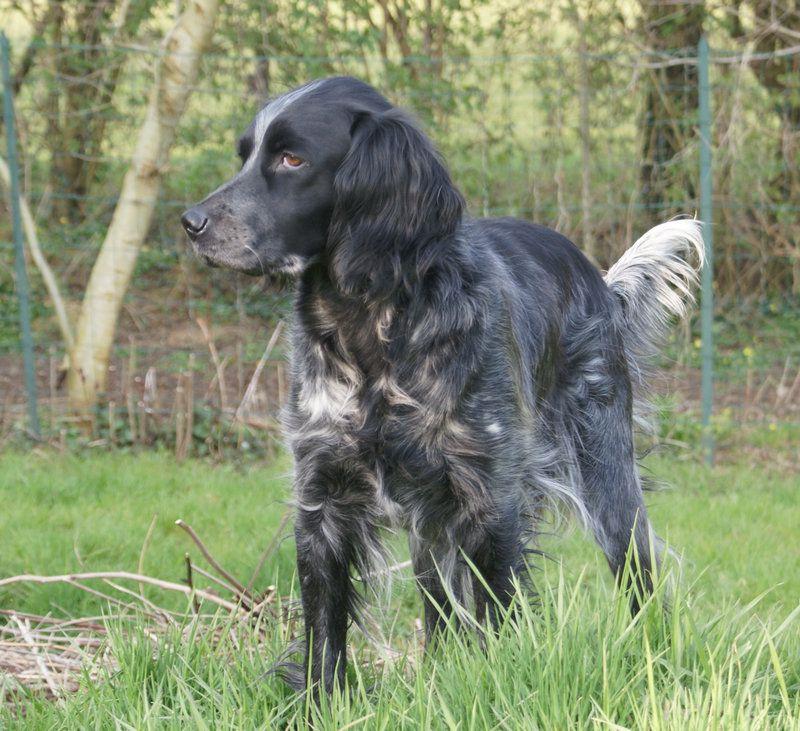
Sometimes you notice a dog at the park with a soft, speckled “blue” coat and long, feathered ears, and you cannot quite place the breed. Or you meet one that looks like a spaniel but moves like a serious working gundog, happy to potter calmly at your feet and then switch on instantly outdoors.
The Blue Picardy Spaniel tends to enter people’s lives that way, as a quiet surprise. It is not a common breed in Australia, so many owners first come across it through hunting circles, breed clubs, or a conversation with someone who simply “has the loveliest blue spaniel”. What matters most, in practice, is that this is a dog bred for long days in the field and water, and that heritage shapes everything from exercise needs to coat and ear care.
It can be tempting to think that a gentle, biddable spaniel will fit neatly into any household. With the Blue Picardy Spaniel, the gentleness is real, but so is the need for daily movement, training that makes sense to a working brain, and routines that keep skin, ears, and joints comfortable over the long term.
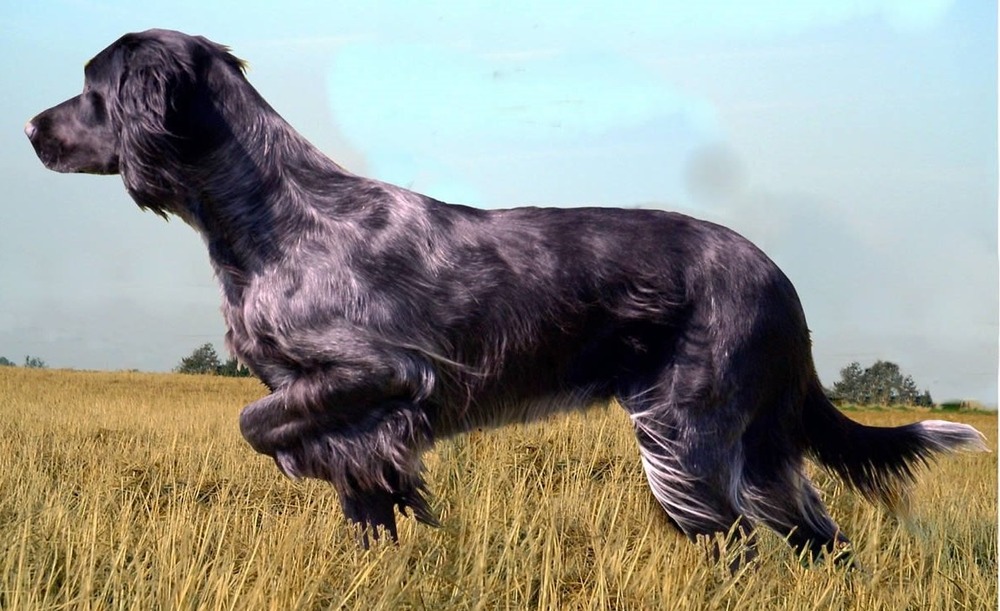
Breed snapshot: Medium-sized sporting spaniel, originally developed in France for wetland hunting and retrieving, typically around 12 to 14 years of age with good care.1, 2
- Origin: Picardy region, France
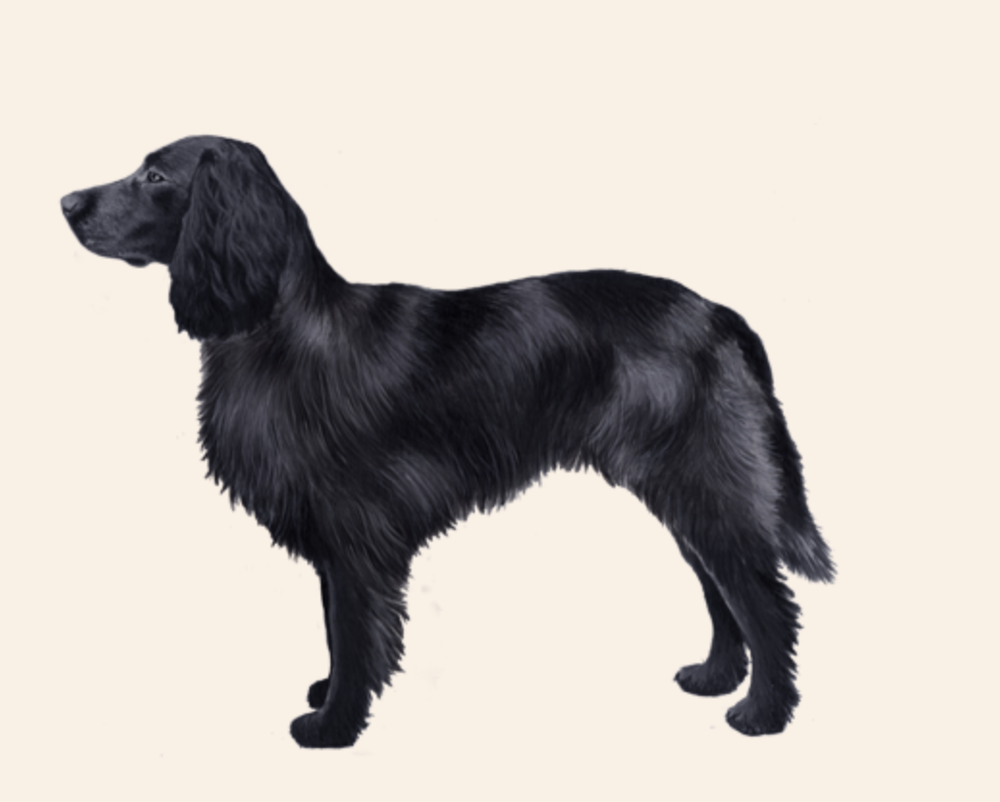
- Size: commonly around 56 to 61 cm at the shoulder, roughly 20 to 25 kg (varies by lines and sex)1
- Coat: flat to slightly wavy, with feathering, speckled grey and black that reads as “blue”1, 2
- General temperament: typically gentle, responsive, people-focused, with a strong hunting instinct3
Origins and what the breed was built to do
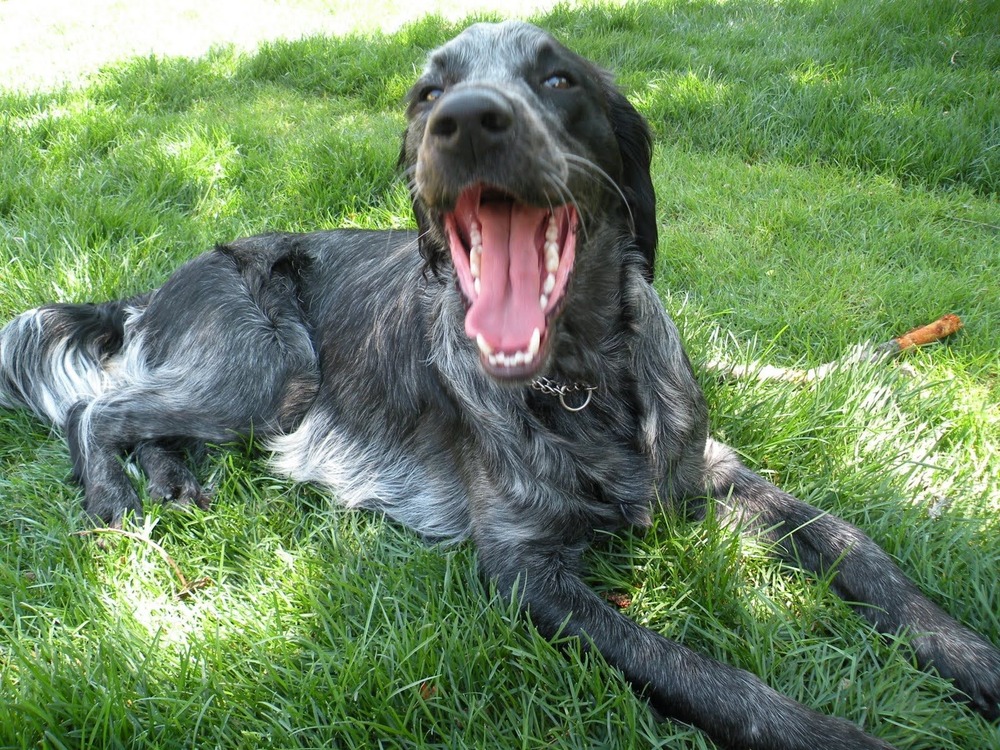
The Blue Picardy Spaniel (Epagneul Bleu de Picardie) developed in northern France around the turn of the 20th century, shaped by local spaniel types and the influence of English Setters that were present in the region.1, 2 It was bred for practical work: quartering ground, locating game, and retrieving from water and heavy cover.
That original job description still shows up in everyday life. Many Blue Picardy Spaniels have steady stamina rather than frantic energy. They often settle nicely indoors when their needs are met, but they do not thrive on a quick lap around the block as their only outlet.
In France, the breed was recognised as separate from the Picardy Spaniel in 1938.1 If you are reading older material, you may also see the two breeds discussed together, which can add to confusion.
Temperament: gentle does not mean low-need
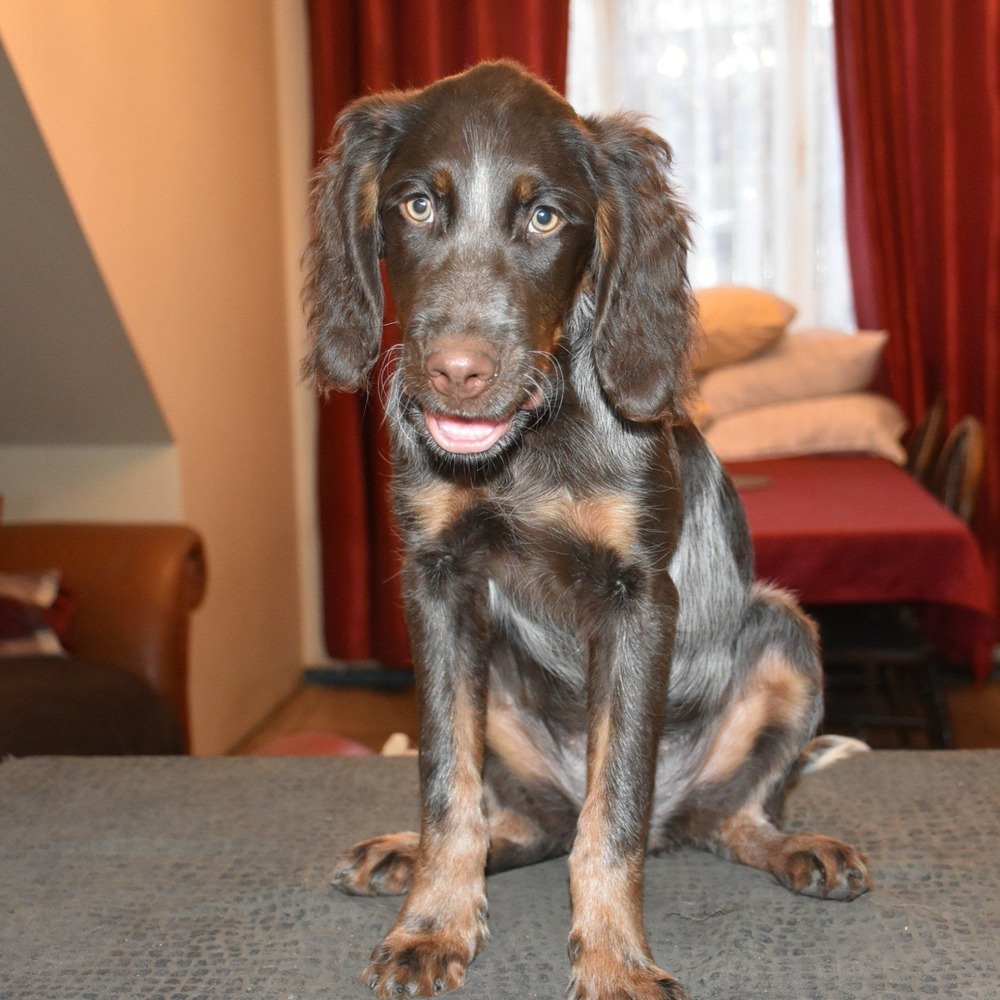
Well-bred Blue Picardy Spaniels are often described as calm, adaptable, and willing to please, with a strong desire to work alongside their person.3 Many do well with children and other dogs when they are appropriately socialised and supervised, especially because their typical style is more cooperative than confrontational.
The detail that is easy to miss is that “soft” breeds can be sensitive to harsh handling. In practical terms, they tend to do best with clear, kind training and a predictable home routine. If they get bored or under-exercised, you are more likely to see restlessness, scavenging, and busy behaviours than outright aggression.
If you are considering the breed as a family dog, it helps to think about what your days look like. A Blue Picardy Spaniel often fits beautifully with people who enjoy walking, training, and weekend outings, and less well with households that want an ornamental companion with minimal daily input.
Training that suits a working spaniel brain
Because they were developed for hunting and retrieving, many Blue Picardy Spaniels are naturally inclined to use their nose, range out, and stay engaged with moving things in the environment. Training works best when it respects that reality instead of trying to suppress it.
Reward-based training, short sessions, and plenty of real-world practice (on lead first, then long line, then off-lead where legal and safe) tends to build the most reliable behaviour. If you plan to do any field work, recall and stop cues are worth teaching carefully and early, before adolescence makes the outside world especially compelling.
Some owners find that enrichment matters as much as exercise. Scent games, retrieves, and puzzle feeding can make a noticeable difference to how settled the dog is at home, particularly on days when weather or work gets in the way of long outings.
Exercise needs: stamina, not constant chaos
This is a sporting breed with endurance. Most adults need a daily mix of walking, off-lead running where safe, and activities that use the brain as well as the body. The exact amount varies with age and individual temperament, but the direction is consistent: they do best when exercise is a normal part of life, not an occasional event.
Water can be a particular joy for many dogs of this type, and some individuals have partially webbed feet, which can support efficient swimming. Still, not every dog is a confident swimmer, so it is worth introducing water gradually and safely, with easy exits and supervision.
In Australia, it is also wise to take heat seriously. A medium-to-long coat and enthusiastic working style can increase overheating risk during warm days, particularly if the dog is unfit or excited. Prioritise early morning or late afternoon exercise in summer, provide water and shade, and learn the common signs of heat stress.4
- Watch for: heavy panting that worsens, drooling, weakness, vomiting or diarrhoea, confusion or collapse.4
- Do: move to a cool area, offer small amounts of water, cool with tepid to cool water, and contact a vet promptly if you suspect heatstroke.4
Health and lifespan: what owners should monitor
Many sources describe the breed as generally healthy, with a typical lifespan around 12 to 14 years.1, 3 That said, “generally healthy” does not mean “no maintenance”. The most sensible approach is to plan for routine preventative care and to choose breeders who can explain what they do to reduce inherited risk.
Hip dysplasia is discussed across many medium-to-large sporting breeds, and it is still worth asking about hip scoring and family history. Ear problems are also a practical reality for many spaniel types because pendulous ears can reduce airflow and trap moisture, especially after swimming or bathing.
If your dog is prone to repeated ear inflammation, it is worth working with your vet early. Chronic ear disease can become painful and stubborn, and it is often easier to manage when you address moisture, hair, allergies, and cleaning routines before infections become frequent.
Coat, ears, and everyday grooming
The Blue Picardy Spaniel coat is usually described as flat to slightly wavy, with feathering on ears, legs, and tail, designed to cope with wet cover and cold water.2 In the home, that same coat can pick up burrs, grass seeds, and mud, so grooming is less about styling and more about comfort and skin health.
A few steady habits go a long way:
- Brush through feathering several times a week to prevent mats, especially behind the ears and on the backs of legs.
- After swims, rinse if needed and dry the ears and feathering well to reduce trapped moisture.
- Check paws and between toes for seeds and irritation after long grass walks.
Ear care is often the make-or-break routine for spaniel owners. If you need to clean ears, ask your vet to demonstrate the right technique and product for your dog, since over-cleaning or the wrong cleaner can make things worse.
Feeding and nutrition: keep it simple and safe
A balanced commercial diet that suits your dog’s life stage is a sensible baseline, and many owners use part of the daily ration as training rewards to avoid accidental over-feeding. Treats can be helpful, but sporting dogs can gain weight quietly when exercise drops in winter or during injury recovery.
If you offer human foods, keep a clear “never list” on the fridge. The safest approach is to assume that some everyday ingredients are not worth the risk.
Avoid known toxins such as chocolate, grapes and raisins, and onions or garlic (including powders in scraps). If you suspect ingestion, contact your vet or an animal poison advice service promptly.5
Is the Blue Picardy Spaniel right for your home?
This breed often suits people who want a companion that can be both affectionate and genuinely useful in the outdoors. It can also work well for families who enjoy training and movement as part of daily life, and who like the idea of a dog that is engaged without being perpetually noisy.
It may be a harder fit if you need a dog that is content with minimal exercise, or if you cannot reliably provide time for training, grooming, and ongoing social exposure.
When it does fit, the appeal is straightforward. You get a dog with quiet companionship at home and real athletic capability outside, wrapped in one of the most distinctive coats in the gundog world.
References
- Wikipedia: Blue Picardy Spaniel
- Fédération Cynologique Internationale (FCI): Standard No. 106 Epagneul Bleu de Picardie (PDF)
- United Kennel Club (UKC): Epagneul Bleu de Picardie breed standard
- RSPCA Pet Insurance: Heatstroke guide for cats and dogs
- ASPCA Animal Poison Control: People foods to avoid feeding your pets