

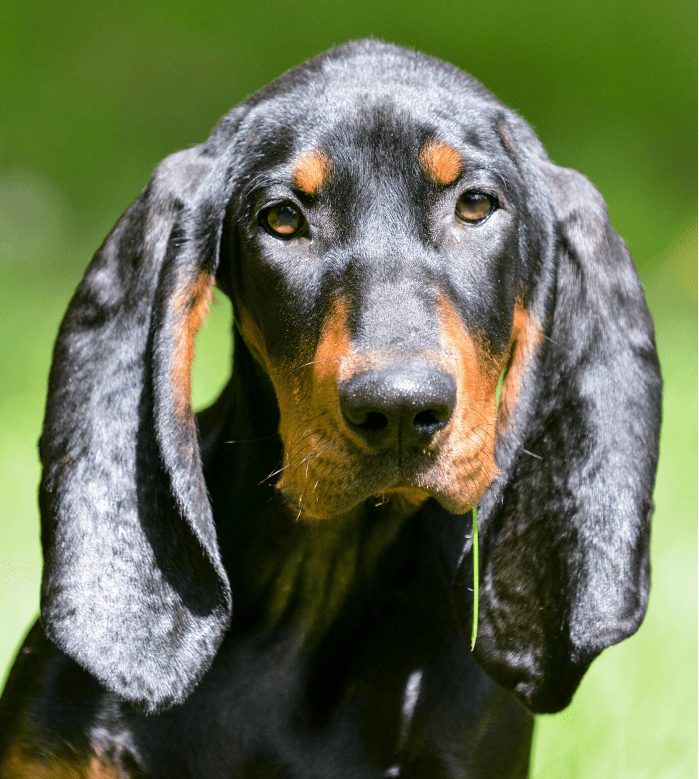
People often start looking into Bluetick Coonhounds after noticing a particular kind of dog on a walk or online: a lean, blue-speckled hound with long ears, a steady trot, and a voice that carries. Sometimes the curiosity is more practical. A family is considering adopting a rescue hound, or they have a young dog whose nose seems to switch on mid-walk and suddenly everything else becomes background.
It is easy to assume a coonhound is just a hunting dog that needs “lots of exercise”. In reality, what shapes life with a Bluetick is the way they experience the world through scent, plus the routines that help them settle when they are not out tracking. The same traits that make them brilliant in the bush can make suburban life feel a bit complicated unless you plan for it.
When a Bluetick is matched well to the right household, they can be a warm, steady presence, with a clear need for movement, companionship, and purpose. It is less about having a big yard, and more about meeting the dog in front of you.
Quick breed snapshot
- Breed group: Hound (scenthound)
- Country of origin: United States
- Typical height: Males 56 to 69 cm, females 53 to 64 cm (at the withers)1
- Typical weight: About 20 to 36 kg, depending on sex and build1
- Coat: Short, dense, moderate shedding
- Known for: Strong scenting ability, stamina, and a distinctive “bawl” voice
- Average lifespan: Often around 11 to 12 years (individual variation is normal)2
The Bluetick Coonhound, where the breed comes from

Blueticks are American coonhounds, developed for trailing and treeing game, most famously raccoons. In the parts of the United States where they were shaped, a good hound needed to work for hours, keep thinking when the trail went cold, and then stay audible to the people following behind.
That background matters because it explains the modern dog. A Bluetick is often at their best when they can do slow, nose-led exploring, not just fast exercise. Many owners find the dog is calmer at home when their day includes sniffing, problem-solving, and time with people, not only a big run.
Formal breed standards also help set realistic expectations about size and structure. The UKC standard, for example, describes a medium to large hound with a muscular build, long ears, and the distinctive mottled “blue” coat pattern.1
What they look like, and what makes them different
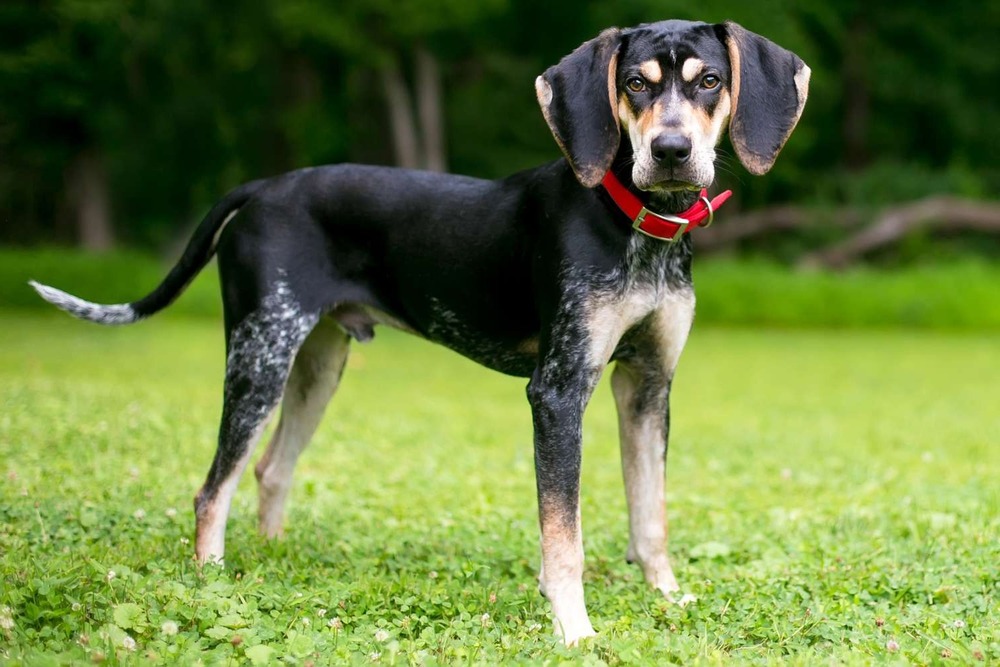
The “blue” in Bluetick is not a single solid colour. It is the visual effect created by black ticking on a white base, often with black patches, and sometimes tan points on the face and legs. Coats are short and practical, built for moving through scrub rather than needing salon-level upkeep.1
Their ears are long and soft, which is part of the classic hound look. It also means the ear canal can be warmer and less ventilated than in prick-eared breeds, which is one reason vets often remind hound owners to stay alert for ear irritation.3
Then there is the voice. Blueticks are known for a carrying, musical “bawl” when trailing. In a rural setting that can be a feature. In close suburbia, it is worth treating vocal tendency as a management issue, not a personality flaw, and building routines that reduce boredom and frustration.
Temperament and day-to-day suitability
Most Blueticks are social dogs that enjoy being part of family life. They are often friendly with familiar people and can do well with respectful children, especially when the household understands that a scent hound may get distracted, and needs patient, consistent handling rather than repeated corrections.
They also tend to be independent thinkers. That is not stubbornness for its own sake. It is the working style of a dog bred to make decisions at a distance from the handler. In day-to-day life, it can look like selective hearing when an interesting smell appears.
If you share your home with other pets, early introductions and thoughtful management are important. Many Blueticks live happily with other dogs. Smaller animals can be more variable because scent and chase are part of the breed heritage, so supervised, gradual introductions are the sensible default.
Training that works with a scent hound brain
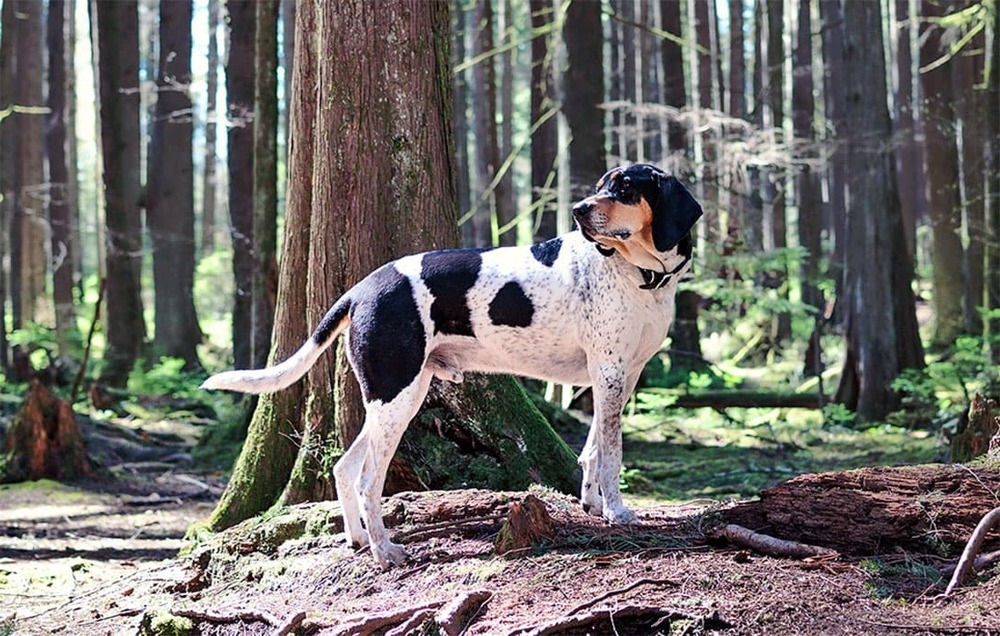
Bluetick training usually goes best when it is practical, reward-based, and built into daily life. Many people get results by treating recall and loose-lead walking as long-term skills, not something you “finish” in puppy school.
It helps to remember what competes with you for attention. Outdoors, scent is information, and it can be more motivating than toys or praise. Using food rewards, sniff breaks, and structured games can turn that into something you can work with.
- Make recall easy to win: start in low-distraction areas, then build up gradually.
- Use sniffing as reinforcement: ask for a brief behaviour, then release the dog to sniff.
- Keep sessions short: multiple small practices usually beat one long session.
For general training approach and mental stimulation, Australian RSPCA resources lean towards reward-based training and regular enrichment as part of everyday care.4
Exercise and enrichment, what “high energy” really means
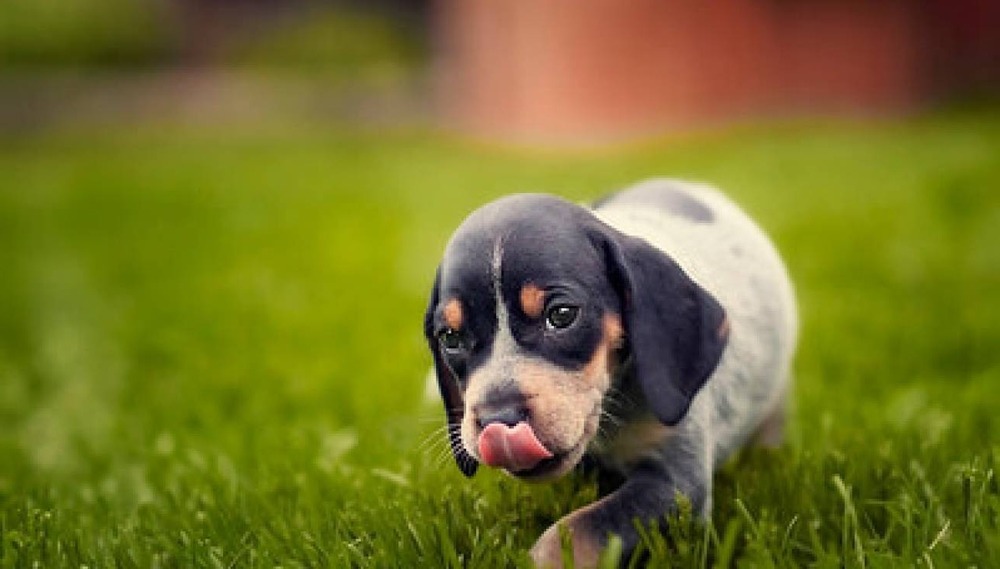
Blueticks are active dogs, but the best outlet is not always a hard run. Many will do better with a mix of brisk walking, off-lead time in safe legal areas, and plenty of opportunities to use their nose. That might be scent trails, scatter-feeding in the yard, or hiding treats around the house.
Regular daily exercise is a baseline for most dogs, and it also supports behaviour, weight, and overall health. Australian RSPCA guidance emphasises that dogs generally need daily exercise and play, and that activity can also support socialisation and reduce unwanted behaviour.4
It is also worth being thoughtful about timing. RSPCA advice notes that it is sensible to avoid intense exercise immediately before or after meals, and to consider heat and hydration, especially in warmer weather.5
Health patterns to be aware of
No breed is “guaranteed healthy”, but you can be prepared for issues that show up more often in hounds and medium to large athletic dogs.
Hips and joints
Hip dysplasia can occur in many breeds. If you are buying from a breeder, ask what health screening is done and how results are verified. If you are adopting, notice how the dog moves and discuss any stiffness, reluctance to jump, or reduced tolerance for exercise with your vet. Organisations such as the Orthopedic Foundation for Animals (OFA) provide background on inherited orthopaedic conditions and the broader health-screening landscape.6
Ears and skin
Long, pendulous ears can predispose dogs to otitis externa (outer ear inflammation), particularly if moisture and debris get trapped. A vet can show you what normal ears look like for your dog, and whether cleaning is needed, since over-cleaning can irritate some ears too.3
Weight management
Blueticks can be so food-motivated that weight creeps up quietly. Keeping your dog lean is not about aesthetics. It is part of protecting joints and supporting long-term comfort. RSPCA Australia notes that obesity is common and is often related to feeding more than a dog requires, which is a useful reminder to adjust portions as activity levels change across seasons and life stages.7
Grooming and care routines
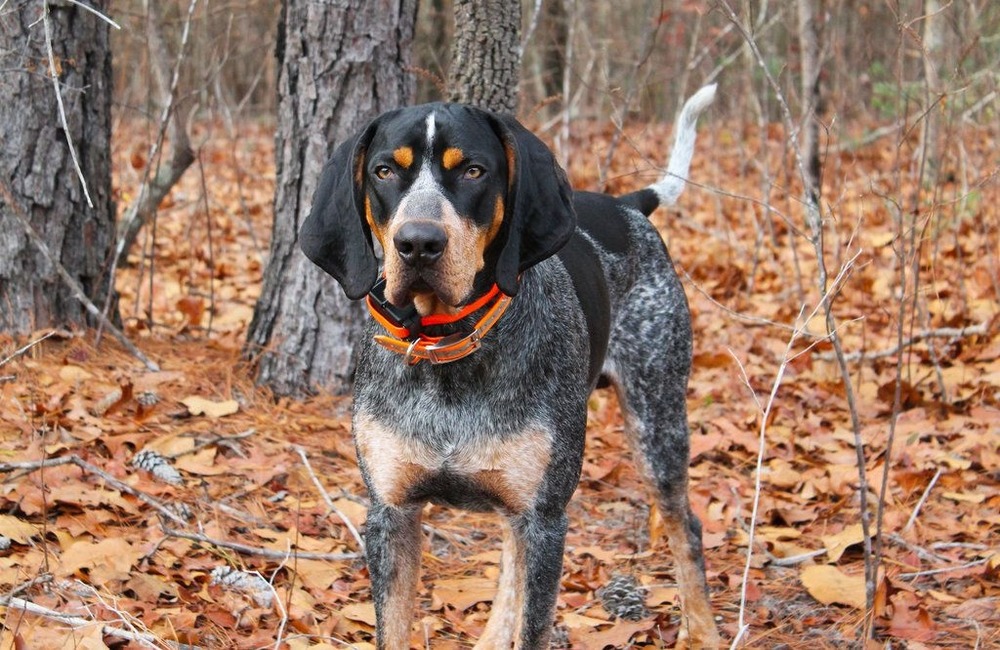
The Bluetick coat is straightforward. Weekly brushing is usually enough to lift loose hair and keep the coat glossy, with extra brushing during seasonal shedding. It also gives you a chance to check for grass seeds, ticks, and minor skin changes after time outdoors.
Ear care matters more than coat care for many individuals. If your dog swims, gets recurrent wax build-up, or has a history of infections, your vet may recommend a specific routine and product. The key is to keep it gentle and consistent, and to treat repeated redness or odour as a reason for a proper check-up.
Feeding, keeping it simple and evidence-based
A Bluetick’s diet should fit their life stage, activity level, and health needs. There is no single “best” food for every dog, but there are good principles: choose a complete and balanced diet, monitor body condition, and adjust portions rather than relying on the packet alone.
The WSAVA Global Nutrition Guidelines are widely used by veterinary teams and focus on practical nutritional assessment, including diet history, body condition scoring, and tailoring a plan to the individual animal.8
As everyday habits:
- Measure meals for a week or two, then adjust based on body condition, not only weight.
- Use treats strategically, especially during training, and count them as part of daily intake.
- Keep fresh water available, and take water on longer outings.
Culture and “famous” Blueticks
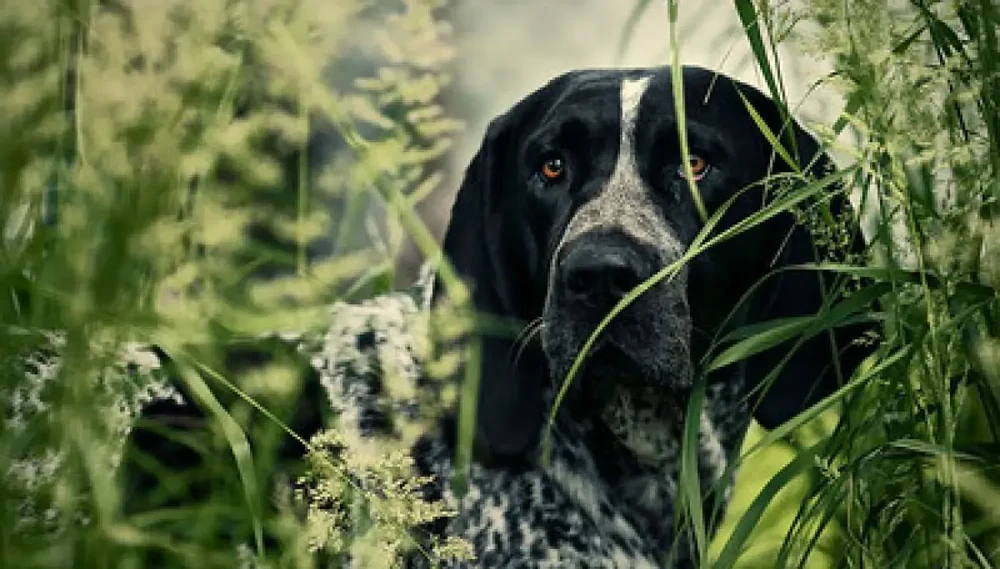
The most recognisable modern Bluetick is probably Smokey, the live mascot of the University of Tennessee. The tradition dates back to 1953, and Smokey remains a well-known example of how closely people connect with hounds as symbols of place and identity, not just as working dogs.9
It is also a gentle reminder that even within a breed, individuals vary. Some Blueticks are confident in busy public settings, while others are more reserved and do best in quieter routines.
Living well with a Bluetick Coonhound
A Bluetick Coonhound can be a wonderful companion for people who like being outdoors, do not mind a dog with opinions, and are ready to build a life that includes training as an ongoing conversation. They are not always the easiest match for apartment living or for households that need a quiet dog.
If you are considering one, it can help to think in terms of practical fit:
- Can you provide daily exercise plus sniff time, even on weekdays?
- Is your fencing secure, and do you have a plan for recall and lead manners?
- Are neighbours likely to be bothered by a vocal hound?
- Do you enjoy the process of training, rather than wanting a dog that automatically stays close?
When those pieces line up, Blueticks often settle into family life with a steady, companionable presence, and a nose that keeps the ordinary world interesting.
References
- United Kennel Club (UKC), Bluetick Coonhound Breed Standard
- Purina, Bluetick Coonhound Dog Breed Information
- VCA Animal Hospitals, Otitis Externa in Dogs
- RSPCA Pet Insurance Australia, Essential dog care information
- RSPCA Pet Insurance Australia, How to safely exercise your dog or puppy
- Orthopedic Foundation for Animals (OFA), Official website
- RSPCA Australia, 4 ways to avoid obesity in your dog
- WSAVA, Global Nutrition Guidelines
- Smokey (mascot), University of Tennessee live mascot tradition (overview)