

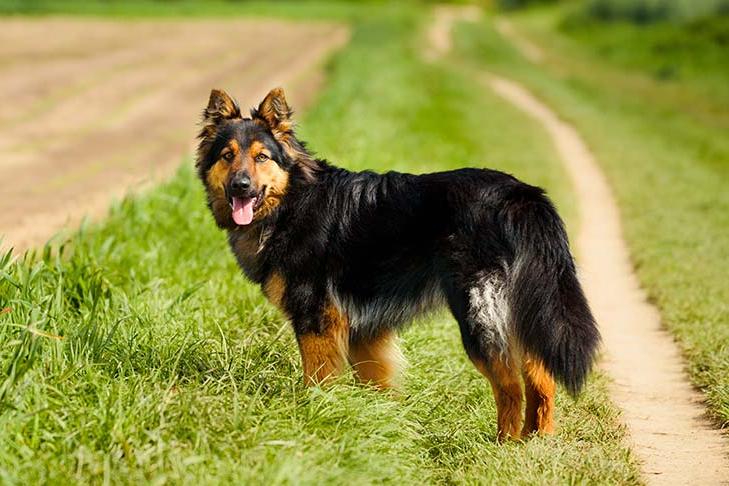
You might come across a Bohemian Shepherd because you have seen a striking black-and-tan dog at training, on a farm, or in agility, and it looks a bit like a German Shepherd but somehow lighter on its feet. Or you are scrolling breeder pages and keep seeing the name Chodsky pes, with owners describing a dog that is clever, biddable, and very tuned in to its people.
It is tempting to assume that any “shepherd” type will fit neatly into familiar categories: good family dog, good guard dog, needs a big yard, job done. In practice, these dogs can be wonderfully adaptable, but they do best when their everyday life includes purpose, training, and sensible boundaries. The details matter, especially around exercise, coat care, and heat management.
The Bohemian Shepherd is still relatively uncommon outside Central Europe, which means a lot of information gets repeated without much context. If you are considering one, or you already live with one, it helps to understand what the breed was shaped to do, and what that can look like in a modern home.
Bohemian Shepherd at a glance
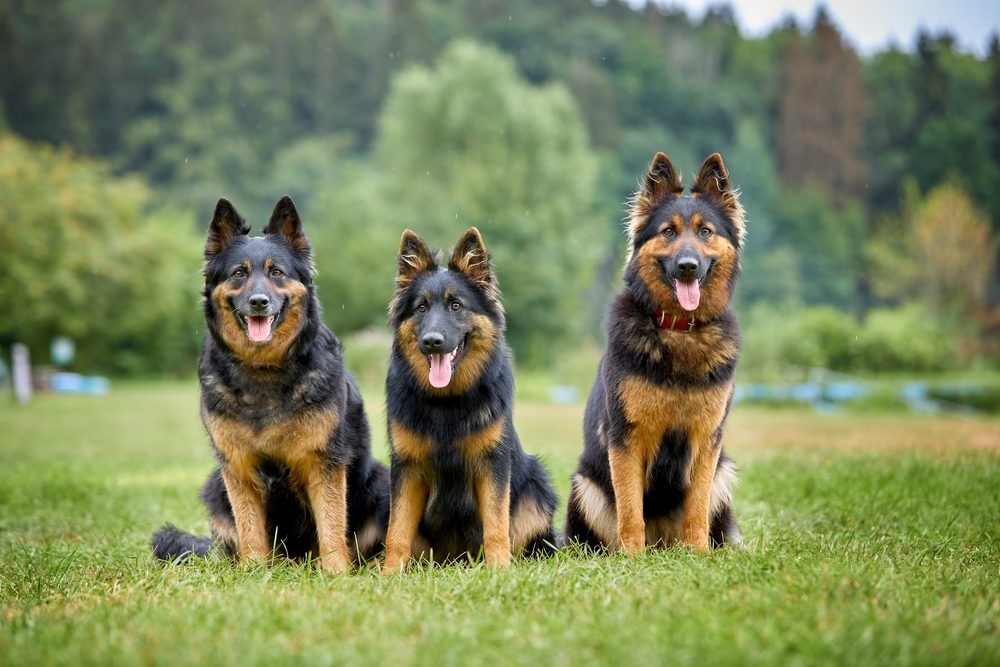
- Breed type: Herding and watchdog (medium-sized, athletic)
- Country of origin: Czech Republic
- Typical size: About 49 to 55 cm at the shoulder, roughly 18 to 25 kg (varies by sex and individual)
- Coat: Dense double coat, usually black with tan markings
- Shedding: Moderate to high, often heavier seasonally
- Energy: High, generally needs daily exercise and training
- Temperament (general): Affectionate with family, alert with strangers, often very responsive to training
- Life expectancy: Commonly quoted around 12 to 15 years (as with any breed, this varies)
Origins and what they were bred to do
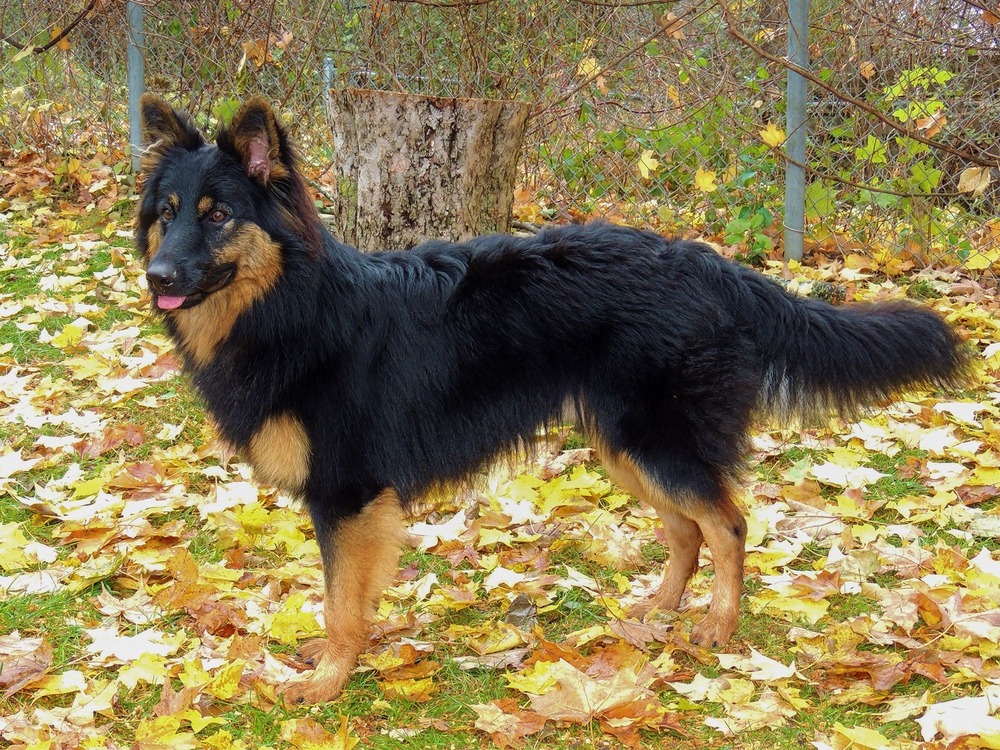
The Bohemian Shepherd is also known by the Czech name Chodsky pes. The breed is associated with the Chods (Chodove), a community historically linked with border regions in south-west Bohemia. In modern writing, you will often see references to long history and working roles such as herding and guarding, which aligns with how the breed is described in official breed materials and summaries.
In international kennel-club terms, the key recent milestone is the FCI’s provisional recognition and publication of the breed standard in 2019.1 “Provisional” matters here, because it can influence how consistently the breed is represented in different countries, and why you might see variation in type, size, or coat fullness from one line to another.
Whatever the exact historical detail in any given source, the practical takeaway is consistent: this is a dog shaped for stamina, awareness, and cooperation. Those traits tend to show up clearly in daily life.
Temperament and everyday behaviour
Well-socialised Bohemian Shepherds are often described as people-focused and quick to learn. Many have a steady “check in” habit, looking back to their person for information. That can make them a pleasure to train, and it can also mean they do not thrive when left to self-entertain for long stretches.
As with many herding and guardian-leaning breeds, you may see watchfulness, especially at the fence line or when someone approaches the home. This does not automatically equal aggression. More commonly it looks like alert barking, body blocking, or shadowing. With thoughtful training, the goal is not to eliminate those instincts, but to give the dog a clear, rehearsed routine for what to do instead, such as going to a mat, waiting at a gate, or returning to you on cue.
With children, the breed is often reported to be tolerant and affectionate, but supervision still matters. Herding-style behaviours can appear in play, such as chasing or “rounding up”. If you see that pattern, treat it as information, not misbehaviour, and redirect into structured games and training.
Training that suits the breed
These dogs usually respond best when training is clear, consistent, and rewarding. Reward-based methods are widely recommended by animal welfare organisations because they build reliable behaviour without the fallout that can come from harsh corrections, particularly in sensitive or highly observant dogs.2, 3
If you are raising a puppy, early socialisation is less about “meeting everyone” and more about building calm confidence. Aim for steady exposure to:
- different surfaces, sounds, and environments
- people of varied ages and appearances
- other dogs with good social skills
- handling and grooming routines (brush, nails, ears)
Bohemian Shepherds often enjoy sports that combine movement and problem-solving, such as obedience, scent work, tracking, and agility. The mental work is not optional decoration. For many dogs, it is what keeps the household calm.
Exercise and enrichment without overdoing it
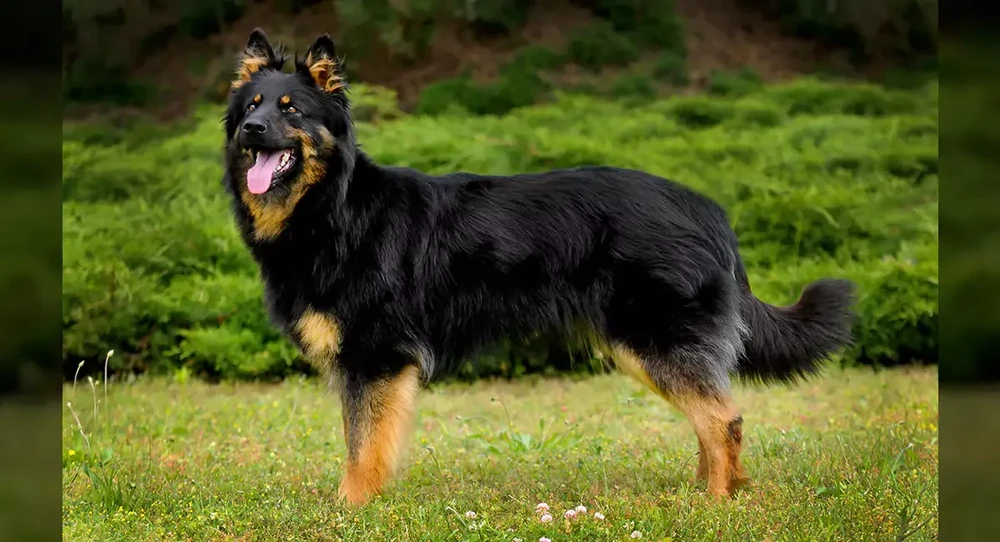
Most Bohemian Shepherds need daily exercise, but the shape of that exercise matters. Long, repetitive high-impact running is not automatically better than a mix of walking, sniffing, training, and short bursts of play. A good routine often includes:
- a brisk walk plus time to sniff and decompress
- short training sessions (5 to 10 minutes, a few times a day)
- retrieving, tug with rules, or controlled chase games
- food enrichment (scatter feeding, puzzle toys, stuffed Kongs)
In warm climates, plan exercise around the cooler parts of the day and keep an eye on how quickly your dog heats up. Thick-coated dogs can be more vulnerable to heat stress, particularly when excited and active.4, 5
Health considerations and preventative care
No breed is “problem-free”, and with less common breeds it can be harder to find large, long-term datasets in English. In broad terms, larger active dogs are often monitored for orthopaedic issues, and owners and breeders commonly mention hips and elbows. If you are buying a puppy, ask what screening has been done in the line, and request to see evidence rather than relying on verbal assurances.
For day-to-day care, the basics still do a lot of heavy lifting: keeping your dog lean, maintaining fitness gradually, and taking veterinary advice early when you notice stiffness, reluctance to jump, or a change in gait. Excess weight increases strain on joints, regardless of breed.
Keep up with routine veterinary checks, dental care, parasite prevention, and vaccination guidance appropriate to your area. If you live somewhere that gets very hot, have a plan for heat days, including cool indoor space and adjusted exercise.
Coat care and grooming
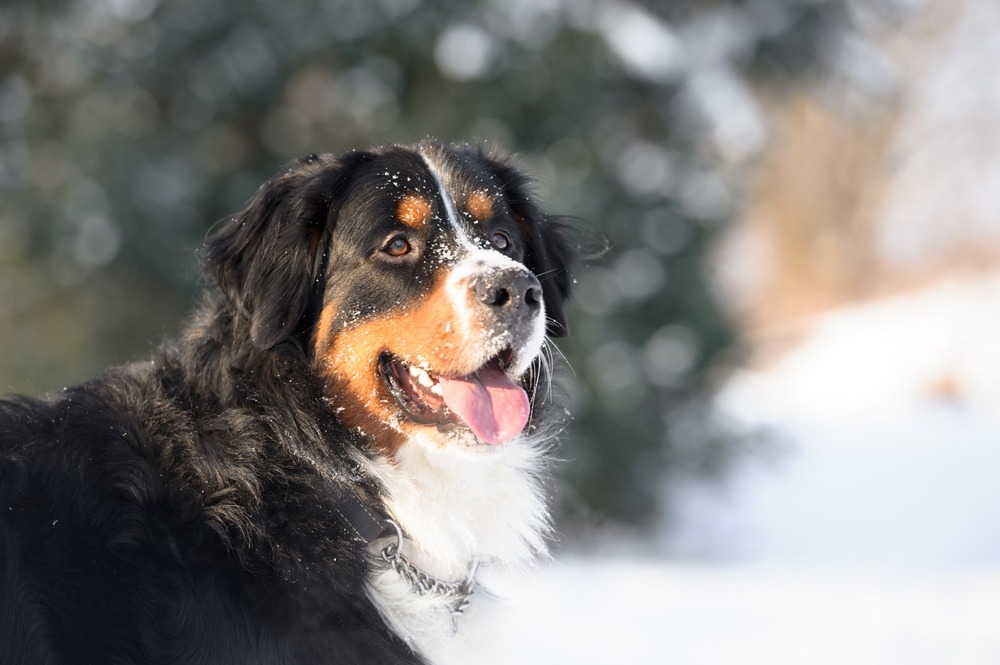
The coat is one of the breed’s defining features: a dense double coat designed for weather protection. It tends to shed steadily, and often more heavily seasonally. Regular brushing helps remove dead undercoat, reduces tangles, and makes it easier to spot skin issues early.
A practical baseline for many households is brushing a few times a week, then increasing frequency during heavy shedding periods. Focus on friction areas, such as behind the ears, the “trousers” on the back legs, and the feathering under the tail.
Try not to fall into the trap of thinking a close shave will automatically cool the dog down. For double-coated breeds, the coat has an insulating role in both cold and heat. If you are considering clipping for medical or welfare reasons, speak with your vet or a groomer experienced with double coats first.
Feeding and nutrition, keeping it simple and safe
Bohemian Shepherds generally do best on a diet that is complete and balanced for their life stage, with portions adjusted for their workload. If you feed a commercial food, look for clear nutritional adequacy statements and reputable manufacturing practices. If you feed home-prepared meals, get veterinary guidance so you do not accidentally create nutritional gaps.
Treats are useful for training, but keep them in proportion and choose low-mess options that do not add too many extra calories. For many dogs, using part of the daily kibble as training rewards is an easy way to keep weight stable.
Be especially careful with human foods. Some common items can be dangerous for dogs, including grapes and raisins, onions and garlic, and chocolate.6, 7 When in doubt, call your vet promptly.
Heat, cold, and the reality of Australian weather
These dogs often cope well with cold, wet conditions thanks to their coat, but Australian summers can be a different story. Heat stress can creep up faster than people expect, especially during high-intensity play or training, or on humid days.
Learn the early signs and take them seriously. Heavy panting that does not settle, drooling, agitation, bright red or pale gums, vomiting, wobbliness, or collapse are red flags that need immediate action and veterinary advice.4, 8
On hot days, simple choices make a difference: early walks, shaded rest areas, cool water, and time indoors with airflow. If your dog must be outside, make sure shade actually moves with the sun across the day, and that water is fresh and not warming in a metal bowl.
Living with a Bohemian Shepherd
In the right home, the Bohemian Shepherd can be an engaging companion, the kind of dog that wants to be part of your routines and learns patterns quickly. They often suit people who enjoy training as a normal part of life, not a short “puppy phase”, and families who can offer steady exercise plus meaningful interaction.
If your household is quiet, you work long hours away, or you want a dog that is mostly self-sufficient, it is worth pausing. This breed tends to do best when it has something to do each day, even if that “something” is modest: a training game, a scent trail in the backyard, a structured walk, and calm time close to you.
References
- FCI: CHODSKY PES (Bohemian Shepherd Dog) breed entry and standard publication dates
- RSPCA Knowledgebase: Training recommendations and reward-based methods
- RSPCA Knowledgebase: Reward-based dog training and why it is supported
- RSPCA Australia: Protecting pets from heatstroke, risk factors and signs
- RSPCA ACT: Hot weather tips and first aid guidance for heatstroke risk
- RSPCA Australia: Household dangers including foods toxic to pets
- Agriculture Victoria: Human foods to avoid for cats and dogs
- RSPCA Pet Insurance: Heatstroke in dogs and cats, prevention and signs