

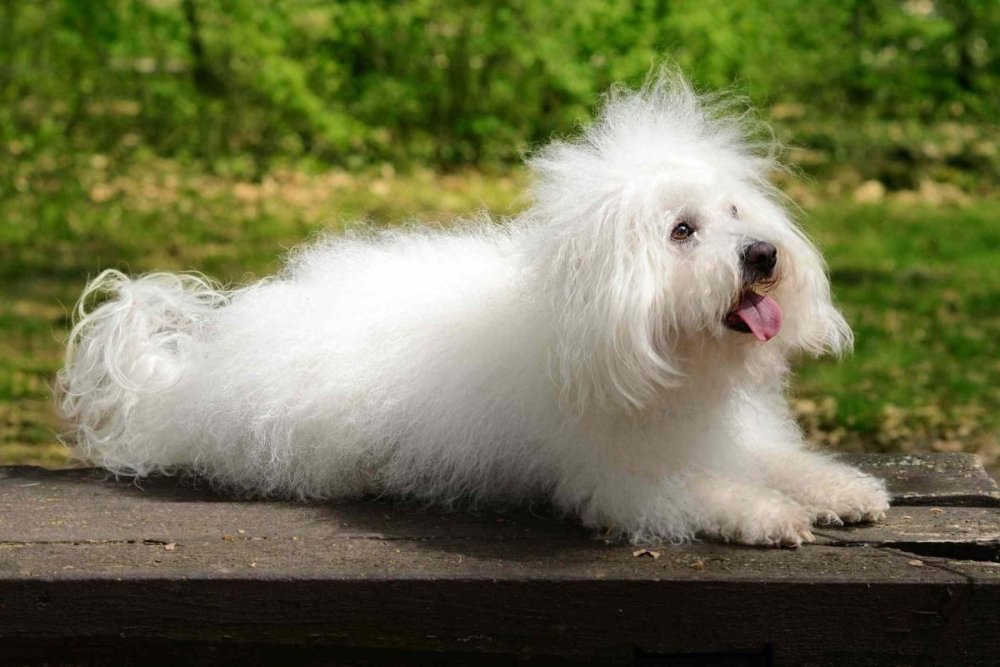
People often come across the Bolognese in a photo first, a small white dog with a coat that looks like it has been gently tousled, and then wonder what it is actually like to live with one. Is it just a “pretty lap dog”, or a dog with real needs and opinions of its own?
With toy breeds, it is easy to underestimate the practical side of daily life: grooming that cannot be skipped, teeth that need ongoing care, and a dog that may cope poorly if left alone for long stretches. The Bolognese can be a wonderfully steady companion, but it tends to do best in homes that enjoy the small rituals of care, not just the idea of a small dog.
What follows is a grounded look at what the breed is known for, where it came from, and how to set up a Bolognese for a comfortable, well managed life.
- Breed category: Toy (companion)
- Country of origin: Italy
- Typical height: about 25.5 to 30.5 cm at the withers
- Typical weight: often around 3 to 5 kg
- Typical lifespan: commonly 12+ years
- Coat type: long, “flocked” single coat, white
- Shedding: generally low, but coat maintenance is high
- Exercise needs: modest, short daily walks and play
- Best known for: close companionship and a coat that mats if neglected
The Bolognese as a companion

The Bolognese is part of the broader family of small white companion breeds from the Mediterranean. The name links back to Bologna in northern Italy, and the breed’s story is closely tied to being kept as a household companion in affluent circles, rather than as a working dog.1
In day to day terms, that history tends to show up as a dog that prefers proximity. Many owners describe a Bolognese as happiest when it can keep track of its people from room to room. It is often friendly within its circle, and can be a little reserved with strangers until it has had time to settle.1
If you are choosing a Bolognese, it helps to value together time as much as coat colour or size. This is not a breed that usually thrives on being an afterthought in a busy household.
Temperament, sociability, and the reality of “low shedding”
Breed summaries can make the Bolognese sound uncomplicated, affectionate, loyal, playful. Those words are not wrong, but they are incomplete.
A Bolognese is typically steady and people-focused, and many do well in apartments because their exercise needs are manageable. The Kennel Club (UK) suggests up to around 30 minutes a day, which for many dogs looks like one or two short walks plus indoor play and sniffing games.1
It also helps to understand that “low shedding” does not mean “low effort”. The Bolognese coat tends to hold on to loose hair rather than dropping it around the house, which is one reason mats can form quickly if brushing is inconsistent.2
Two gentle truths can sit together here:
- Many people with mild allergies find low-shedding breeds easier to live with.
- No dog is truly hypoallergenic, and reactions vary widely by person and by individual dog.3
What the breed should look like, and why it matters
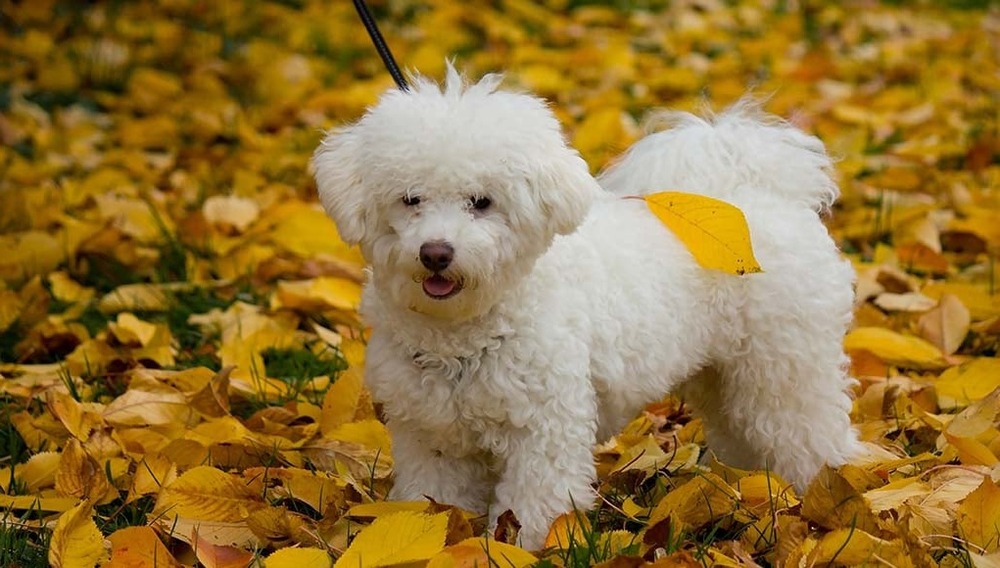
Even if you have no interest in dog shows, breed standards are useful because they describe the body type the breed is meant to have when it is sound and functional. In the Bolognese, that includes a small, square outline, dark pigment around eyes and nose, and a long white coat described as “flocked”, shown in a natural state without obvious trimming.4
Practically, this matters because structure influences comfort. A compact toy dog should still move freely, breathe easily, and cope with normal exercise without strain. If a dog looks extreme, whether in coat, proportions, or gait, it is worth pausing and asking what that might mean for long-term wellbeing.
If you are meeting a litter, look for clear eyes and easy movement, and for pups that are comfortable engaging and disengaging, rather than being pushed to perform.
Training and daily exercise that suits a Bolognese
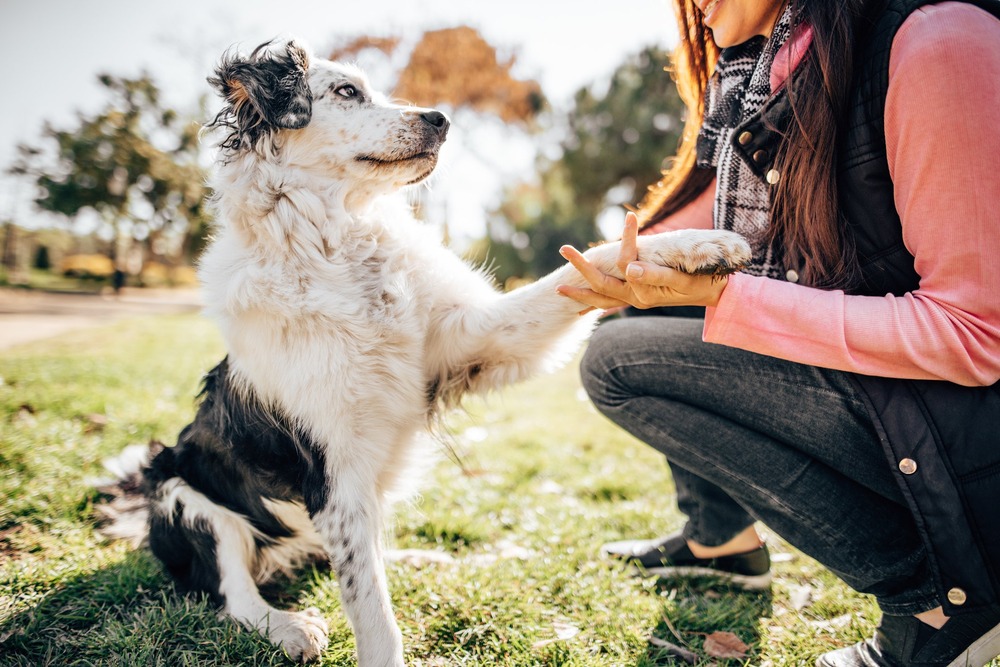
Bolognese dogs are often bright and responsive, especially when training is calm, consistent, and reward-based. For many toy breeds, the main training challenge is not “stubbornness”, it is that the dog lives very close to the ground in a large, unpredictable human world.
Short sessions work well. A few minutes at a time, scattered through the day, usually beats one long lesson. Early socialisation matters too, but it should be thoughtful rather than overwhelming. The aim is a dog that can cope with novelty at a comfortable distance, then gradually move closer as confidence grows.
Daily movement can be modest, but it should still be real: sniffing walks, gentle games, and a bit of problem-solving at home. If you want a simple rule, prioritise regular, low impact exercise over weekend bursts of activity.1
Health considerations in a small, long-lived breed
Like many small dogs, the Bolognese is often described as generally healthy, and many individuals do live well beyond 12 years with good care.1
Still, “generally healthy” is not the same as “maintenance free”. Small dogs can be more prone to dental disease, and knee issues such as patellar luxation are commonly discussed in toy breeds. The most practical approach is to treat health as a routine, not a crisis response: keep weight stable, keep nails and coat managed, and book regular veterinary check-ups.
If you are buying a puppy, ask what health screening the parents have had. The Kennel Club’s general Health Standard explains how breed health recommendations are organised and why screening matters, even when a breed is considered relatively healthy overall.5
Coat care and grooming that does not turn into a battle
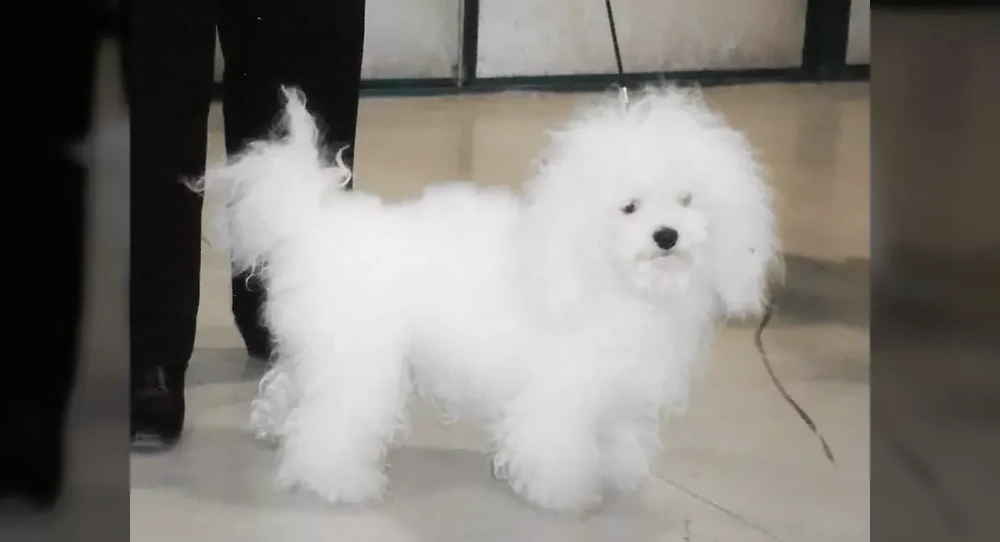
The Bolognese coat is the kind that rewards gentle repetition. Brushing is less about making the dog look “perfect” and more about preventing tight mats that can pull at the skin and make handling unpleasant.
Daily brushing is often recommended by breed organisations and breed guides, and it is usually easier to maintain than trying to “catch up” after a week of tangles.1, 2
A few practical points that tend to help:
- Start handling routines early, using tiny sessions and frequent breaks.
- Focus on friction zones first, behind ears, under legs, collar area, and around the tail.
- Keep the goal as comfort and coat health, not perfection.
If you plan to keep a longer coat, budgeting for professional grooming support is sensible, even if you do most maintenance at home.
Feeding and dental care, the unglamorous essentials

For most Bolognese dogs, a quality small-breed diet that keeps them lean will do more for long-term comfort than chasing supplements. Because toy dogs can gain weight quickly, portion control and treat discipline matter, especially if the dog is food-motivated during training.
Dental care deserves its own mention. Veterinary dentistry groups consistently describe toothbrushing as the gold standard for home care, and WSAVA’s dental resources emphasise the importance of ongoing prevention, not just occasional cleans when problems are obvious.6
If brushing is difficult, it can help to use products with evidence behind them. The Veterinary Oral Health Council lists products that have met its criteria for plaque and tartar control when used as directed.7
For many households, the most realistic plan is:
- Gentle toothbrushing practice several times a week, building towards daily if tolerated.6, 8
- Regular vet dental checks, and professional cleaning when recommended.8
- VOHC-accepted chews or diets as a supplement, not a replacement for brushing.7
Choosing a Bolognese and setting expectations
The Bolognese often suits people who want a small dog with a close, companionable style, and who can offer presence, gentle structure, and regular grooming. They can fit well with older children who understand how to handle a small dog carefully, and with other pets when introductions are managed with patience.
If your days are long and the dog would regularly be alone for most of the working day, it is worth thinking carefully. Many companion breeds struggle with extended solitude, and it is kinder to match the breed to your actual routine rather than your ideal one.9
When the match is right, a Bolognese can be a quietly joyful dog to live with, one that brings steadiness and a surprising amount of personality into a small space. The key is being honest about the trade-offs: low shedding, high grooming, and a strong preference for being included.
References
- The Kennel Club (UK), Bolognese breed information
- The Kennel Club (UK), Bolognese breed standard (updated April 2025)
- American Academy of Allergy, Asthma and Immunology (AAAAI), Pet allergy overview
- Fédération Cynologique Internationale (FCI), Bolognese (Standard No. 196)
- The Kennel Club (UK), The Kennel Club Health Standard
- World Small Animal Veterinary Association (WSAVA), Global Dental Guidelines
- Veterinary Oral Health Council (VOHC), Accepted Products
- RSPCA Pet Insurance Australia, Guide to dog dental care
- American Bolognese Club, Bolognese characteristics