

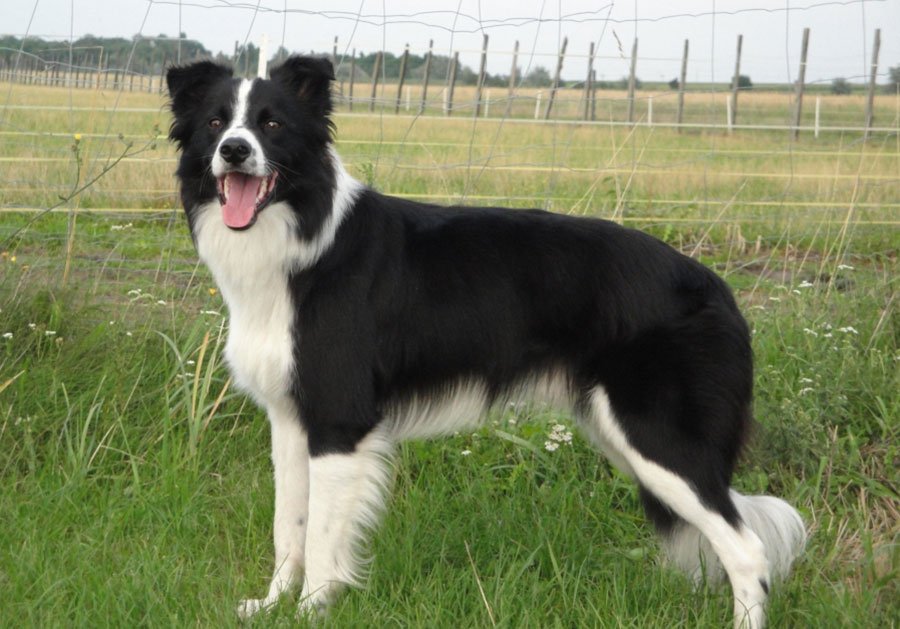
- Breed category: Herding
- Country of origin: United Kingdom
- Average height: Males 48 to 56 cm, females 46 to 53 cm
- Average weight: Males 14 to 20 kg, females 12 to 19 kg
- Average life span: 12 to 15 years1
- Grooming requirements: Moderate, regular brushing needed2
- Exercise requirements: High, needs daily vigorous exercise and mental work3
- Coat type: Double, can be smooth or rough2
- Coat colour variations: Black and white, red and white, merle patterns, and more1, 2
- Shedding level: Moderate to high, heavier seasonally2
- Temperament: Intelligent, energetic, alert, thrives with a job to do3
- Training ease: Often very trainable with reward-based methods4, 5
- Common health issues: Hip dysplasia and inherited eye conditions occur in the breed; talk to your vet about screening6, 7
People often start looking up Border Collies after noticing something that feels a bit uncanny: a dog that seems to watch everything, predicts what happens next, and learns patterns faster than you thought a dog could. Sometimes it is delightful, sometimes it is exhausting, and often it is both at once.
A common assumption is that “smart” automatically means “easy”. With Border Collies, intelligence can be a blessing and a challenge, depending on the life you can offer. When their minds and bodies are properly occupied, they are capable, responsive companions. When they are under-stimulated, they may invent their own work, which can look like herding kids, shadow-chasing, barking, or a restless need to control movement.
Getting to know the breed is less about admiring a headline trait and more about understanding the daily rhythm they suit: consistent training, meaningful activity, and a household that is comfortable living with an observant, switched-on dog.
What makes a Border Collie a Border Collie
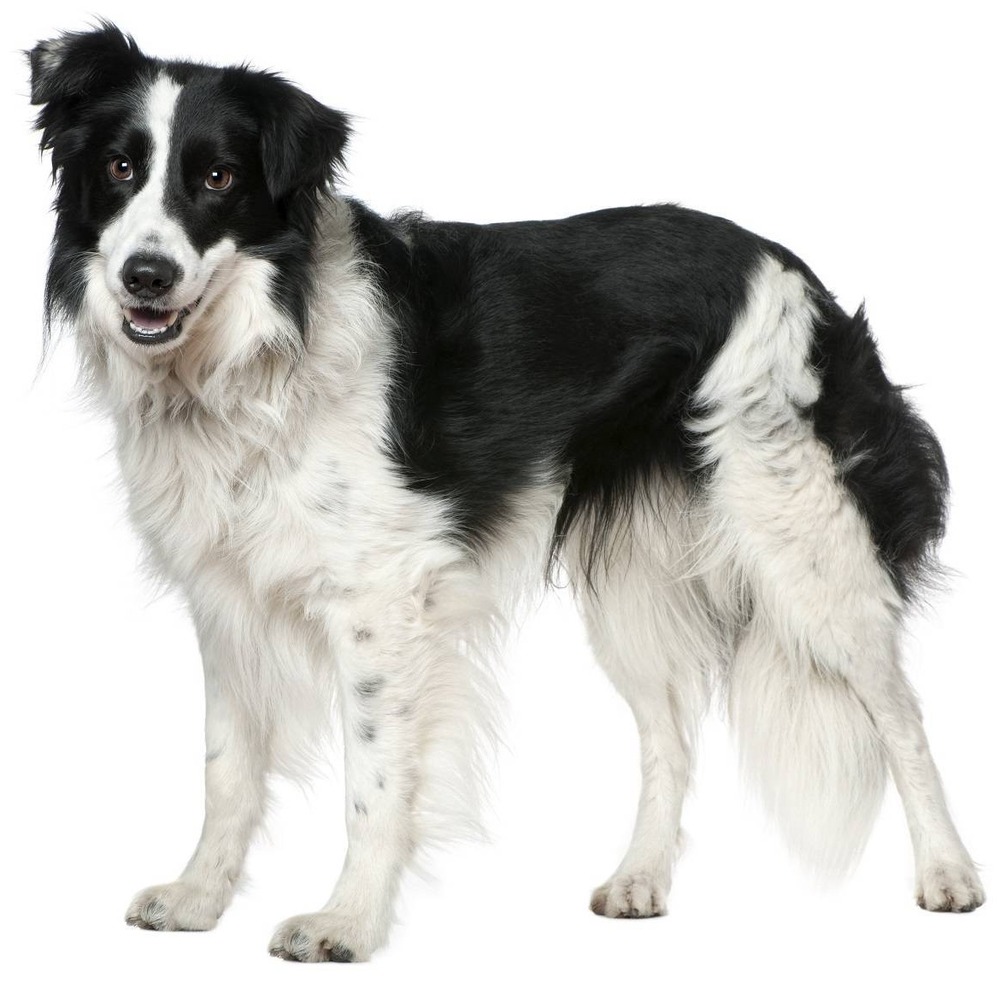
The Border Collie developed in the border regions of Scotland and England, where shepherds needed a dog that could work at distance, respond to subtle cues, and stay focused through long days and difficult conditions.1 That working heritage still shows up clearly in modern dogs, even in family homes with no livestock in sight.
Most people recognise the breed’s “look”, but it is the behaviour that tends to define them. Many Border Collies use a characteristic stillness and intense gaze to influence movement, often called the herding eye.2 In the right context it is effective stock work. In the wrong context it can become staring, stalking, and attempts to gather moving things that are not sheep.
Physically, they are athletic, medium-sized dogs with rough or smooth double coats and a wide range of colours and patterns.1, 2 Their build is made for quick turns, acceleration, and endurance, which is worth keeping in mind when you are planning exercise that actually satisfies them.
Temperament, family life, and the “busy mind”
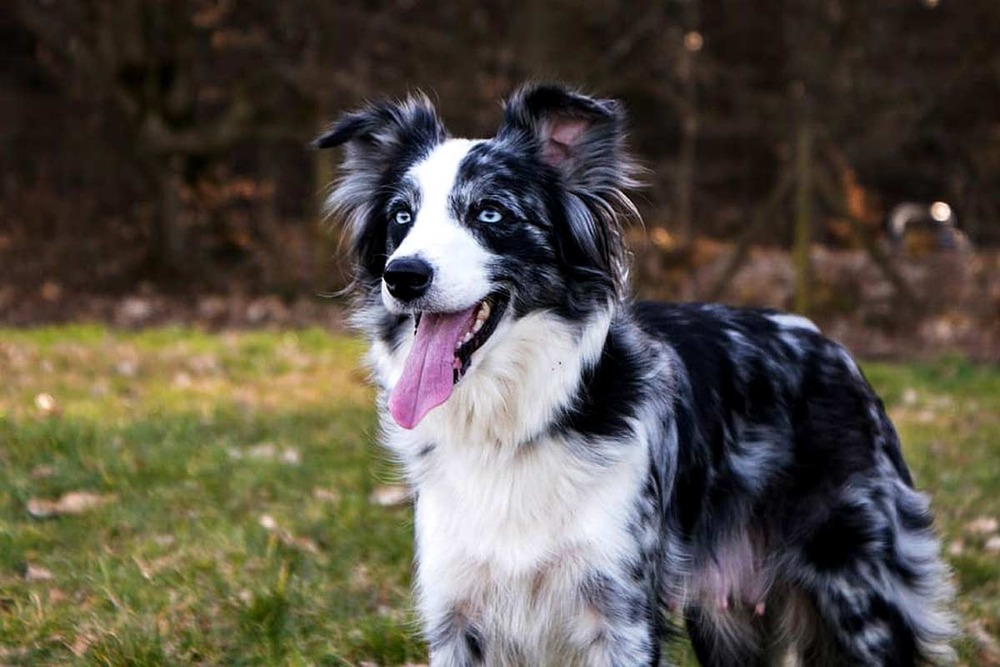
Border Collies are widely described as highly intelligent and energetic, and that is accurate as far as it goes. In everyday life, it often looks like a dog that notices routines quickly, anticipates the next step, and becomes deeply interested in movement: bikes, runners, kids playing, other pets, even a broom.3
They can be wonderful with children and other animals, particularly when they are well socialised and adults actively guide interactions. The point to watch is not “naughtiness” but unmanaged herding behaviour, such as circling, blocking, nipping at heels, or becoming over-focused on fast play. These patterns are easiest to live with when you see them early and redirect them into appropriate games and training.
They also tend to do best when they are included. Many Border Collies struggle if their day is long stretches of boredom punctuated by a single big walk. A more workable approach for many households is smaller, frequent “jobs” throughout the day, mixed with real rest.
Training that suits the breed
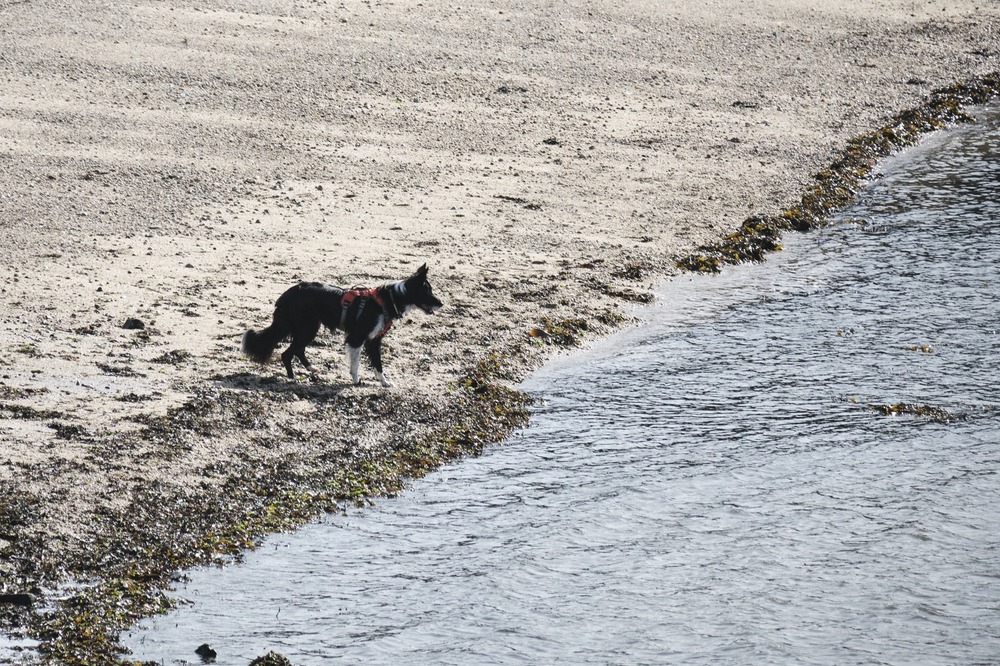
Because Border Collies learn quickly, training can feel surprisingly smooth when the method is clear and consistent. Reward-based training, which focuses on reinforcing the behaviours you want and setting the dog up to succeed, is widely recommended as a humane and effective approach.4, 5
For this breed, it helps to treat training as part communication, part lifestyle. Short sessions that end with success usually work better than long drills. Look for ways to build calm skills alongside fun skills: settling on a mat, waiting at doors, loose lead walking, and disengaging from distractions.
If you are working on a behaviour that has a herding flavour, such as chasing cars or controlling kids’ movement, it is worth getting help early. A qualified, reward-based trainer can help you build a plan that keeps everyone safe while meeting the dog’s need for purposeful activity.4, 5
Exercise and enrichment that actually helps
Border Collies are often described as needing “a lot” of exercise. What matters is the mix: they typically need both physical outlets and regular mental work, otherwise fitness rises faster than satisfaction does. Many owners discover that a dog can run for ages and still come home looking for something to do.
Activities that tend to suit the breed include:
- Skill-based games: retrieve with rules, scent games, shaping tricks
- Dog sports like agility or rally, if your dog enjoys them
- Structured off-lead time in safe areas, with recalls practised
- Breed-appropriate work, such as herding lessons where available and suitable
It also helps to protect downtime. Teaching a Border Collie to rest is not “taking away stimulation”. It is part of giving them a stable nervous system and a home routine they can cope with.
Health considerations and lifespan
Border Collies commonly live around 12 to 15 years, although individual lifespan varies with genetics, health care, and lifestyle.1 Like all breeds, they have conditions that occur more often in the population, including orthopaedic issues such as hip dysplasia and a range of inherited eye problems.6, 7
Rather than trying to guess risk from appearance alone, it is sensible to talk with your vet about what screening is appropriate for your dog, especially if you are choosing a breeder. If you ever notice sudden eye pain, redness, cloudiness, or squinting, treat it as urgent. Some eye conditions can progress quickly and need prompt veterinary care.6
Grooming, coat care, and the shedding reality
Border Collies have a double coat (rough or smooth) that tends to shed year-round, with heavier seasonal shedding for many dogs.2 In practice, grooming is usually manageable, but it is not optional if you want to keep the coat comfortable and the house somewhat under control.
A simple routine works well for most:
- Brush once or twice a week, more during heavier shedding2
- Check behind ears, feathering, and under the collar area for tangles
- Keep nails short and ears clean, and ask your vet for guidance if you are unsure
If your dog swims often, picks up burrs, or has a thicker rough coat, you may need more frequent brushing to prevent mats forming close to the skin.
Feeding and keeping a healthy body condition
With active breeds, it is easy to fall into “they burn it off” thinking, especially when training treats are involved. The more reliable guide is your dog’s body condition and weight trend over time. Veterinary teams often use body condition scoring to assess whether a dog is carrying too much or too little body fat, and it is a useful check-in for owners at home too.8
If you are adjusting food for sport, adolescence, desexing, or ageing, do it gradually and recheck condition regularly. When in doubt, your vet can help you choose an appropriate diet and portion plan for your dog’s workload and health needs.8
A brief note on history and famous dogs
Many modern Border Collies can trace ancestry back to influential working dogs from the late 1800s, including Old Hemp, a dog often described as foundational in the development of the breed’s working style.9 The broader tradition of sheepdog trials also helped shape what people valued in these dogs: responsiveness, distance control, and calm power over stock, rather than force.10
If you enjoy the breed’s culture, watching a good sheepdog run can be a quiet education. It shows what the Border Collie was designed for, and why some pet behaviours make more sense when you view them through that lens.
References
- Encyclopaedia Britannica: Border Collie
- American Kennel Club: Is the Border Collie the Right Breed for Your Lifestyle?
- PetMD: Border Collie Dog Breed Health and Care
- RSPCA Knowledgebase: What is reward-based dog training and why does the RSPCA support it?
- RSPCA Australia: The do’s and don’ts of training your dog
- Cornell University College of Veterinary Medicine: Primary lens luxation
- Orthopedic Foundation for Animals (OFA): Primary Lens Luxation
- WSAVA: Global Nutrition Guidelines
- Wikipedia: Old Hemp
- Wikipedia: Sheepdog trial