

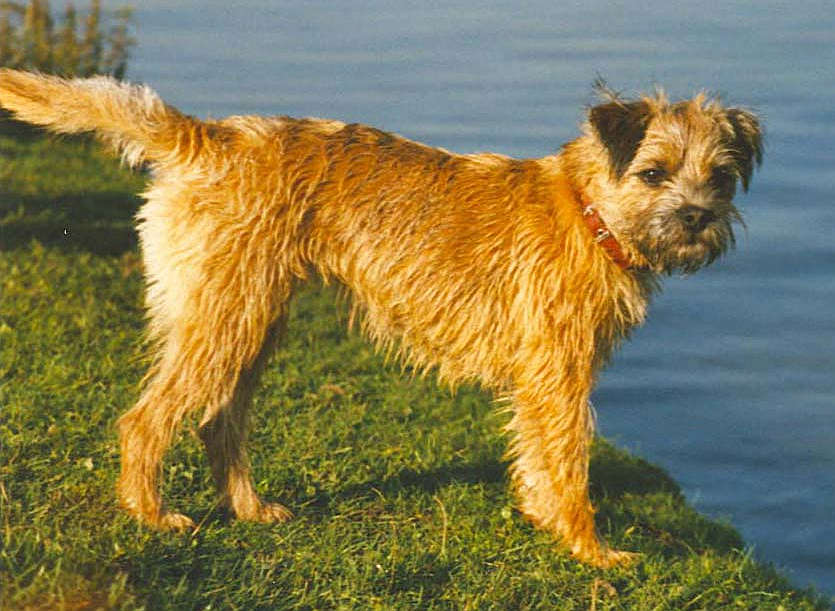
- Breed category: Terrier
- Country of origin: United Kingdom
- Typical height: About 25 to 28 cm at the shoulder
- Typical weight: Dogs 6 to 7 kg, bitches 5 to 6.5 kg
- Typical lifespan: Often 12+ years
- Coat type: Harsh, dense, wiry topcoat with undercoat
- Common colours: Red, wheaten, grizzle and tan, blue and tan
- Exercise needs: High for a small dog, daily activity helps
- Grooming needs: Regular brushing, coat maintenance (often hand-stripping)
- Temperament (general): Active, game, people-oriented, can be independent
- Apartment friendly: Can be, if exercise and enrichment are consistent
- Original purpose: Working terrier for fox and vermin
People usually start looking into Border Terriers after noticing a certain type of small dog in the park: wiry coat, bright eyes, keen to sniff every fence post, and somehow able to look both scruffy and quietly capable. Or they meet one through friends and find it surprisingly easy to live with, at least on the surface, compared with the terrier stereotype.
That stereotype is only partly helpful. Border Terriers were bred to work alongside hounds and horses in the border country between England and Scotland, so they tend to be more socially workable than some terriers, while still bringing plenty of determination and a strong interest in the world at nose level.1, 3
In day to day life, what matters is not whether a Border Terrier is “good” or “bold”, but whether their needs match your routines. When their exercise, training, and coat care are approached with a bit of thought, they can be a steady, engaging companion in a wide range of homes.
Where the Border Terrier comes from, and why it still shows
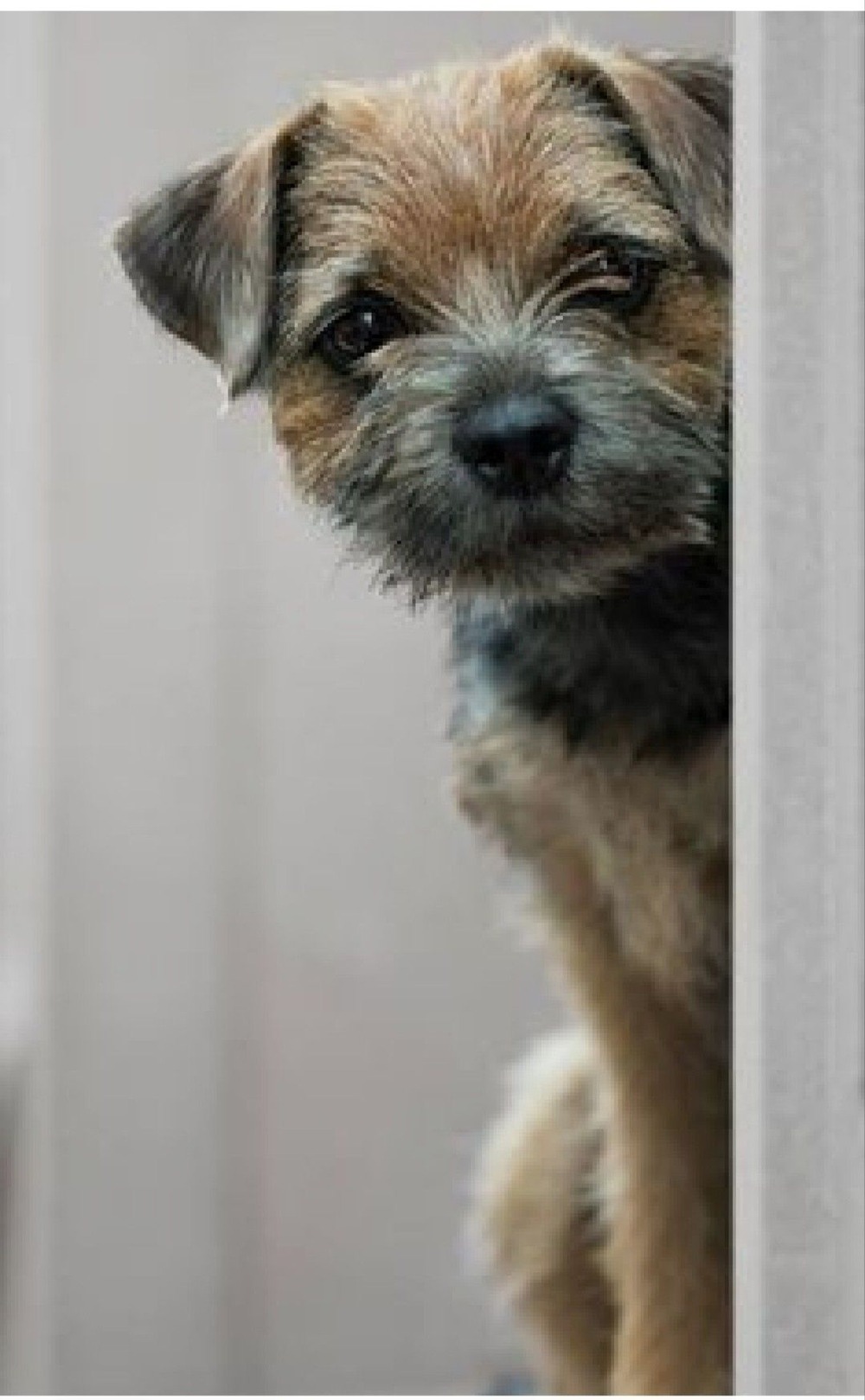
The Border Terrier developed in the border region between England and Scotland, shaped by practical work rather than looks. The breed standard still describes a dog with the soundness to follow a horse and the structure to get into tight places, which helps explain the mix of stamina and agility you see in many Borders today.1
It also explains why some “small dog” assumptions can misfire. A Border Terrier might fit physically into a smaller home, but many do best when they have regular opportunities to move, sniff, explore, and practise learned skills.
That distinctive “otter head” and the working body
Breed descriptions often mention an otter-like head, small V-shaped ears folding forward, and a harsh, dense coat with undercoat, all features tied to function in rough weather and rugged ground.1
One less obvious working feature is the skin. In breed material, you will sometimes see reference to a thick, moveable “hide”, which historically helped protect a working terrier from scrapes underground. It is one of those traits that sounds quaint until you realise it is part of a bigger picture: this is a dog designed to be physically resilient, not delicate.3
Personality and suitability in real households
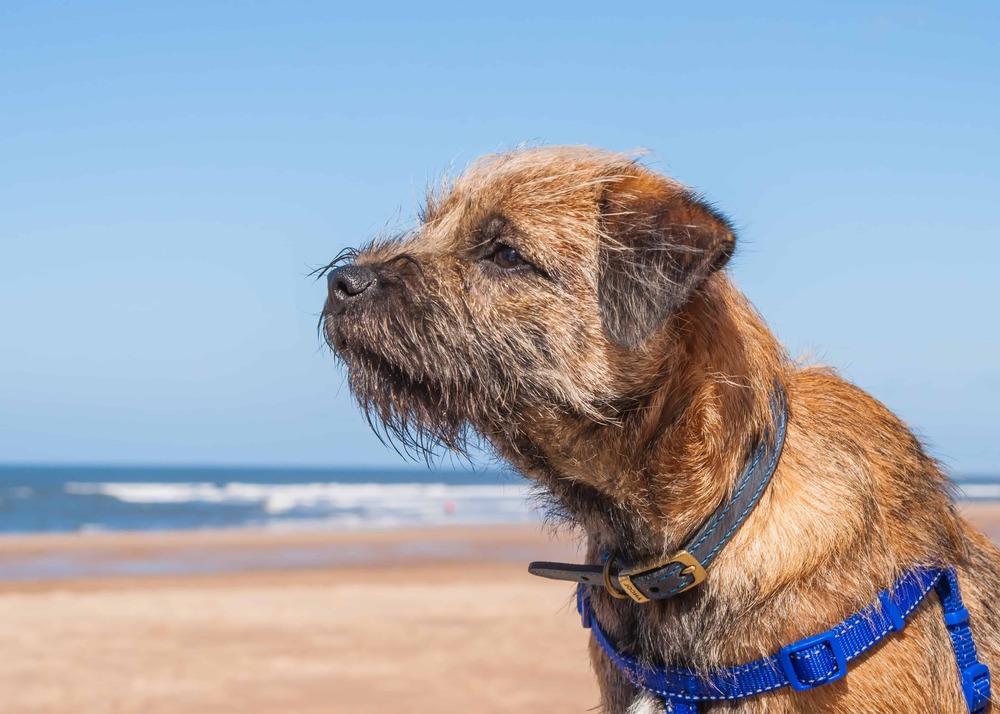
Border Terriers are often described as active and game, but they can also be quite sensible in the home when their needs are met. Many owners notice a dog that is keen to be involved, quick to learn patterns, and very motivated by what is happening around them.1, 3
It helps to think of them as working-minded companions. They are often happiest when daily life includes a bit of structure: walking, training, puzzle feeding, play, and calm time with the family.
Children, visitors, and other pets
With children, the biggest factors are usually supervision, teaching respectful handling, and making sure the dog has a quiet place to retreat. Like many terriers, Borders can be enthusiastic and physical in play, which suits older children well, and can be a bit much for toddlers without careful management.
With other pets, early socialisation and thoughtful introductions matter. Some Border Terriers live well with other dogs, which fits with their history of working alongside hounds, but individuals vary, and smaller pets may trigger chasing behaviour if management and training are not in place.3
Training and exercise, keeping the terrier brain busy

Training tends to go best when it is reward-based and consistent. Borders are often bright and willing, but they can also be independent, particularly when there is an interesting scent trail. Short, regular sessions usually beat occasional long ones, especially for young dogs.4
Socialisation is not about flooding a puppy with stimulation, it is about building calm, positive experiences that teach them the world is manageable. Australian guidance commonly refers to a critical socialisation window beginning in early puppyhood, which is one reason puppy classes run through vets and reputable training providers can be so useful when they are well managed.5
How much exercise do they need?
Many Border Terriers thrive with around an hour of activity a day, but “activity” can include more than just walking. Sniffing games, controlled off-lead time in safe areas, basic agility foundations, and food puzzles can all help meet their needs.2
- Use the nose: scatter feeding, sniff walks, and simple tracking games
- Practise skills: recall games, loose-lead walking, settle on a mat
- Build variety: change routes, surfaces, and pace to keep it interesting
Health considerations, what to watch and how to plan
Border Terriers are often long-lived, but no breed is “problem free”. It is sensible to treat breed health as a conversation with your vet and breeder, not a checklist you tick once and forget.
When you are choosing a puppy, health testing and transparency matter. Border Terriers have known inherited conditions in some lines, including a serious neurological condition called SLEM (sometimes referred to as “shaking puppy”), for which DNA testing is available. Ask what has been tested in the parents, and what results mean for your puppy.6
Weight management matters more than people expect
Extra weight can quietly reduce a dog’s comfort and mobility, and it can complicate other health issues. Across the broader dog population, a substantial proportion of dogs assessed by veterinary professionals are classified as overweight or obese, and owner perception often lags behind what vets see in clinic.7, 8
If your Border Terrier is food-motivated, you are not alone. The practical approach is simple but not always easy: measure food, use some of the daily ration for training, and check body condition regularly with your vet.
Coat care and grooming, keeping the wiry coat functional
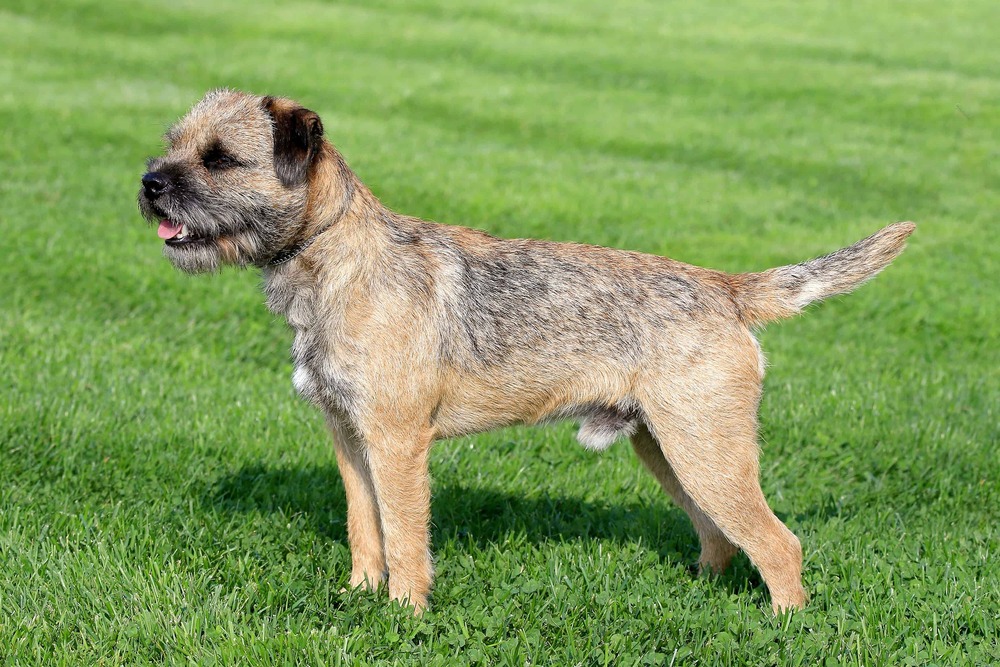
The Border Terrier coat is meant to be harsh and dense, with an undercoat. Many Borders benefit from regular brushing and occasional professional grooming to keep the coat comfortable and tidy, especially if they spend time outdoors or love digging and pushing through scrub.1
You will often hear about hand-stripping, which is a technique used to remove dead hair and help maintain coat texture. Clipping can be more convenient, but it may soften the coat over time. A good groomer can talk you through what is realistic for your dog and your routine.
Feeding and nutrition, practical guidelines that help

Most Border Terriers do well on a complete and balanced diet matched to their life stage and activity level. If you are changing foods, gradual transitions usually help avoid digestive upsets.
One small habit that makes a big difference is treats. As a rule of thumb, keep treats to no more than 10 percent of daily energy intake, and use tiny, low-calorie rewards where possible, especially during training phases when rewards add up quickly.9
When to ask your vet for help
If you are seeing persistent itch, loose stools, repeated ear problems, or weight gain despite careful portions, it is worth checking in with your vet. Food choices can be part of the picture, but they are rarely the whole story.
Living well with a Border Terrier, the calm version of “busy”
A Border Terrier can be a genuinely enjoyable dog to share life with, especially for people who like a dog that is up for doing things without being constantly frantic. They are often at their best when they have daily outlets for movement and sniffing, and when training is treated as a normal part of life rather than a short-lived project.
If you are considering the breed, it can help to meet a few adult Border Terriers, not just puppies. Look for the general steadiness you want in your own home, and remember that good routines and good support often matter as much as genetics.
References
- The Kennel Club (UK): Border Terrier breed standard
- The Kennel Club (UK): Border Terrier breed information
- American Kennel Club: Border Terrier facts (including hide and temperament context)
- RSPCA Knowledgebase: Bringing home a new puppy (reward-based training and socialisation)
- RSPCA Knowledgebase: Is socialising my puppy important?
- Border Terrier Club of America: Breed health and SLEM DNA testing
- Association for Pet Obesity Prevention: 2022 State of Pet Obesity Report (summary)
- PubMed: Overweight and obese body condition prevalence in millions of dogs and cats (Banfield data, 2020 to 2023)
- WSAVA: Global Nutrition Guidelines