

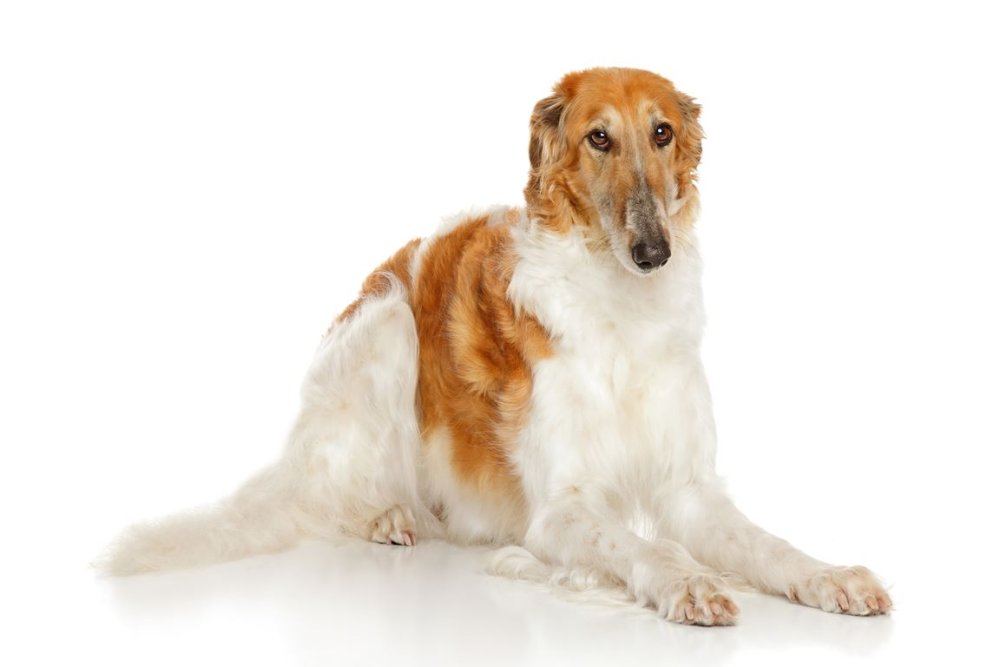
People often notice a Borzoi in the same way they notice a horse, quietly standing off to the side at a country show. Long lines, a soft coat, and an almost floating way of moving. Then the questions start: is that dog actually as calm as it looks, or is it a high-drive runner that needs hours of work each day?
What surprises many owners is how much contrast there is in this breed. A Borzoi can be perfectly content pottering about the house, then switch on instantly if something small and fast moves across their line of sight. If you live with one, the real skill is learning when to encourage that athletic side, and when to set the environment up so everyone stays safe and relaxed.
The Borzoi (sometimes called the Russian Wolfhound) is a sighthound shaped by centuries of hunting and selective breeding. In modern homes they are usually gentle companions, but they still come with distinctive sighthound needs, especially around training, off-lead safety, and day to day handling.
- Breed category: Sighthound
- Country of origin: Russia
- Typical height: Dogs minimum 74 cm, bitches minimum 68 cm (breed standard)
- Typical weight: Often around 34 to 48 kg for males, females usually lighter (varies)
- Typical lifespan: Often over 10 years
- Coat: Long, silky, flat to wavy or rather curly
- Temperament: Quiet, independent, often reserved with strangers
- Exercise needs: Regular daily movement, plus safe opportunities to run
- Grooming: More than once a week, more in shedding seasons
History and origin
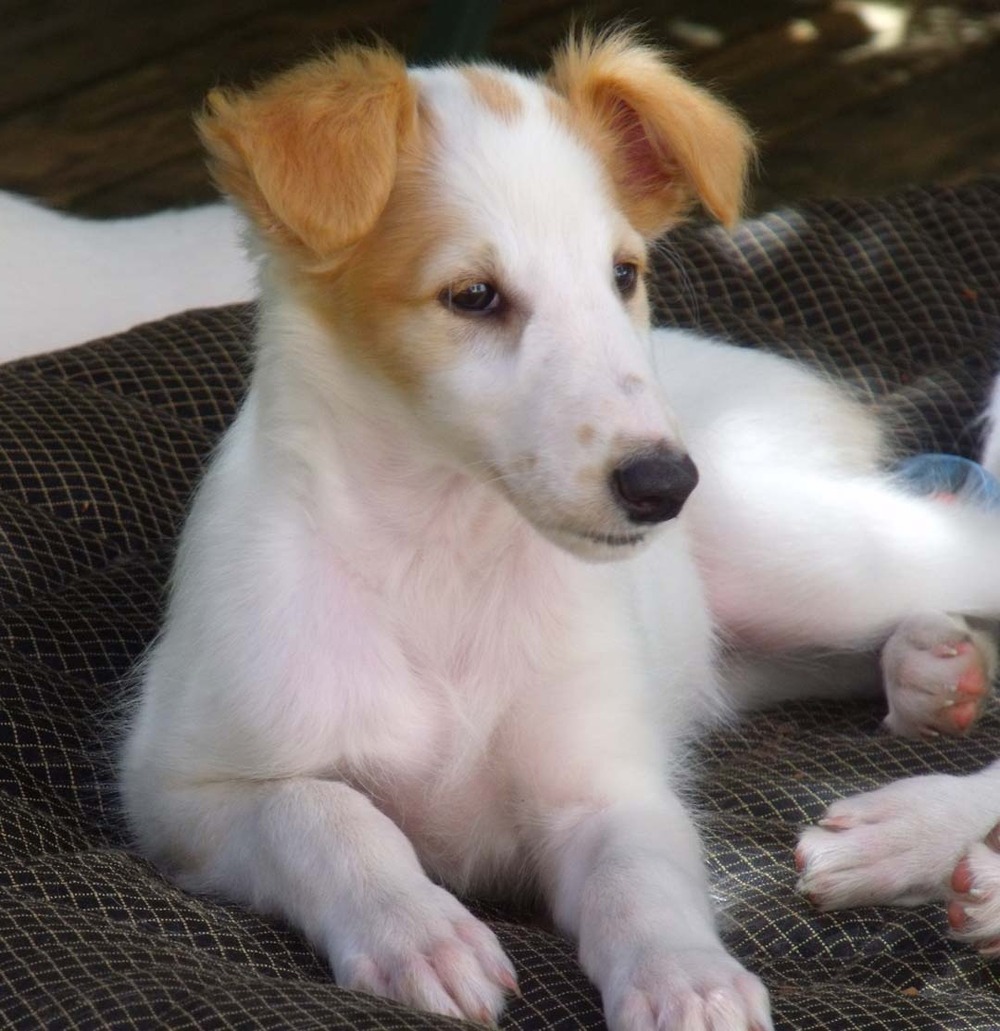
It helps to understand what the Borzoi was built for. In Imperial Russia, these dogs were developed and kept by the aristocracy for hunting, particularly pursuits that relied on speed, vision, and the ability to work over open ground. They were often run in pairs or groups, expected to sight, chase, and hold quarry until the hunters arrived.1
That history still shows up in everyday behaviour. A Borzoi may not look busy, but their attention can be highly visual, and their decision-making can be independent. Many owners find this breed easiest to live with when they treat them as a specialist athlete who also happens to be a house companion.
Where the “Russian Wolfhound” name fits
You will still see “Russian Wolfhound” used in older writing, and sometimes by people who have met the breed through film, art, or vintage dog books. “Borzoi” is the commonly used name today, and it is often explained as meaning “swift” in Russian.1
Physical characteristics
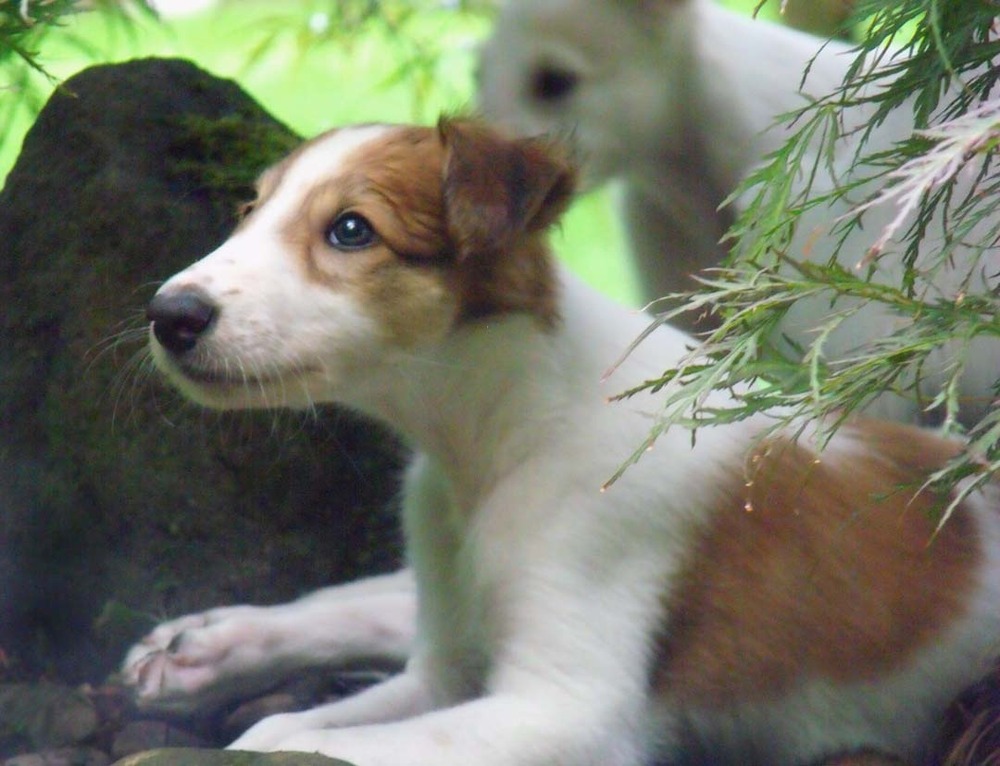
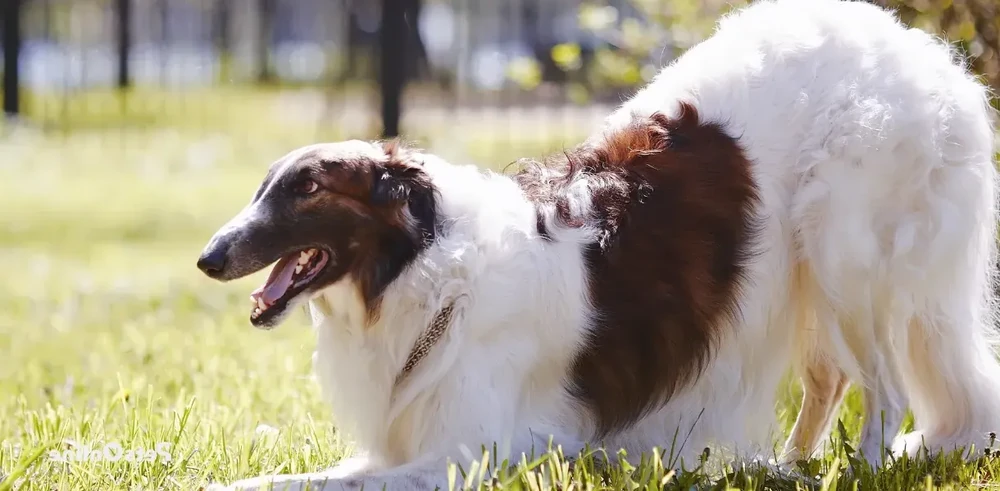
From a practical point of view, the Borzoi is a large, deep-chested, narrow-built dog with long limbs and a flexible spine. The outline is not just “elegant”, it is a working shape designed to cover ground quickly and efficiently. Breed standards describe a long, silky coat (never woolly) that can be flat, wavy, or rather curly, and a long tail carried low in a graceful curve.2, 3
Colour is broad, and many combinations are acceptable in standards. Rather than chasing a particular look, it is usually more helpful to focus on sound structure, good feet, and a body condition that stays lean and strong without being underweight.
A note on size and “giant breed” expectations
You will see some sources describe the Borzoi as a giant breed. In day to day care, that matters less as a label and more as a reminder that big dogs age differently, can be more vulnerable to certain emergencies, and often benefit from thoughtful conditioning rather than sporadic bursts of exercise.4
Temperament and behaviour
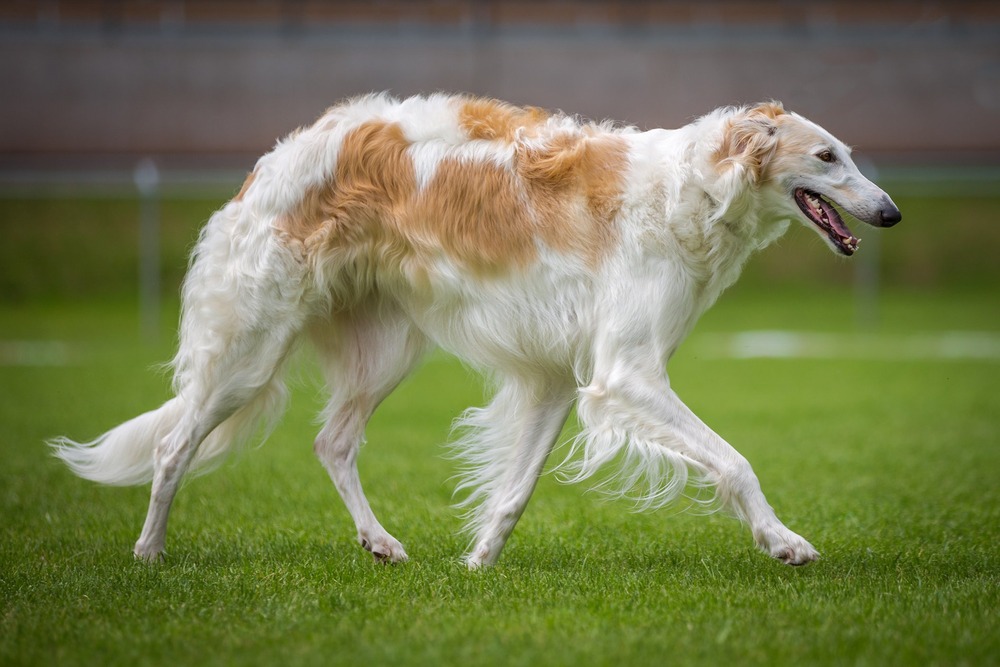
Many Borzoi are quiet in the house and can be surprisingly gentle with familiar people. They are often described as reserved, and that can look like shyness, fussiness, or “stubbornness” depending on the situation. In practice, it is usually a mix of sensitivity and independence, plus a strong tendency to make their own choices when something catches their eye.3
It is common for a Borzoi to be affectionate with their family but not particularly interested in strangers. That is not a behavioural problem by itself. It simply means social experiences should be low pressure, and introductions should be managed so the dog has space to observe and disengage.
Children, visitors, and household rhythm
Borzois often suit households that are steady rather than chaotic. With children, many do best with kids who can understand boundaries, such as not grabbing at the coat, not cornering the dog, and letting the dog choose contact. If your home is frequently loud or full of visitors, think in terms of creating a predictable “quiet zone” where the dog can retreat.
Other pets and prey drive
This is the area where assumptions can cause trouble. A Borzoi may live peacefully with a cat or smaller dog, especially if raised together and managed carefully. At the same time, sighthounds are designed to respond to fast movement, and some individuals will chase if the opportunity appears. The safest approach is to plan for management first (gates, leads, secure fencing), then build calm behaviour through gradual introductions and training.5
Training and exercise needs
Borzois can learn beautifully, but they do not always work in the “do it because I said so” way that some breeds do. Many respond best to short sessions, clear cues, and rewards that genuinely matter to them. Heavy-handed corrections often backfire, especially with dogs that are sensitive to pressure.
If there is one training priority, it is recall and safety around movement. Even a well-trained Borzoi can be difficult to interrupt once they commit to a chase. For that reason, many experienced owners treat off-lead time as something earned, done in secure spaces, and backed by practical precautions such as a long line while training.
What daily exercise can look like
A common misconception is that sighthounds need constant high-intensity activity. In reality, many Borzois do well with a steady routine and opportunities to run safely. Some breed guides describe exercise needs as up to about an hour a day, though individuals vary.1
- On-lead walks with time to sniff and decompress.
- Short, safe bursts of running in a fully enclosed area.
- Sports that suit sighthounds, such as lure coursing, for dogs who enjoy it.
- Low-key brain work, like pattern games and simple training for cooperation (grooming, handling, settling).
For puppies and adolescents, it is worth being conservative. Large and giant breed dogs can still be growing well into late adolescence, so avoiding repetitive high-impact activity can be sensible.6
Health and lifespan
Borzois are often described as living “over 10 years”, and many do. Like all breeds, they can be prone to particular issues, and good breeders aim to reduce risk through careful selection and health screening.1
Bloat (GDV) deserves special attention
Because Borzois are large and deep-chested, they are in a body type that is more commonly affected by gastric dilatation volvulus (GDV), often called bloat. GDV is a true emergency. Signs can include repeated retching with nothing coming up, restlessness, drooling, abdominal swelling, and rapid deterioration. If you suspect it, seek veterinary care immediately.7, 8
Risk is influenced by multiple factors, and research does not offer a single guaranteed prevention strategy. Still, common recommendations for at-risk dogs include feeding more than one meal a day, discouraging rapid eating, and avoiding hard exercise straight after meals.7, 8
General preventative care
- Schedule regular veterinary check-ups, and ask what screening is sensible for your dog’s age and history.
- Keep the dog lean and well-conditioned, rather than relying on weekend-only exercise.
- Use parasite prevention appropriate to your region and lifestyle.
- Build cooperative care skills early (handling, brushing, nail care) so routine maintenance stays low stress.
Grooming and maintenance
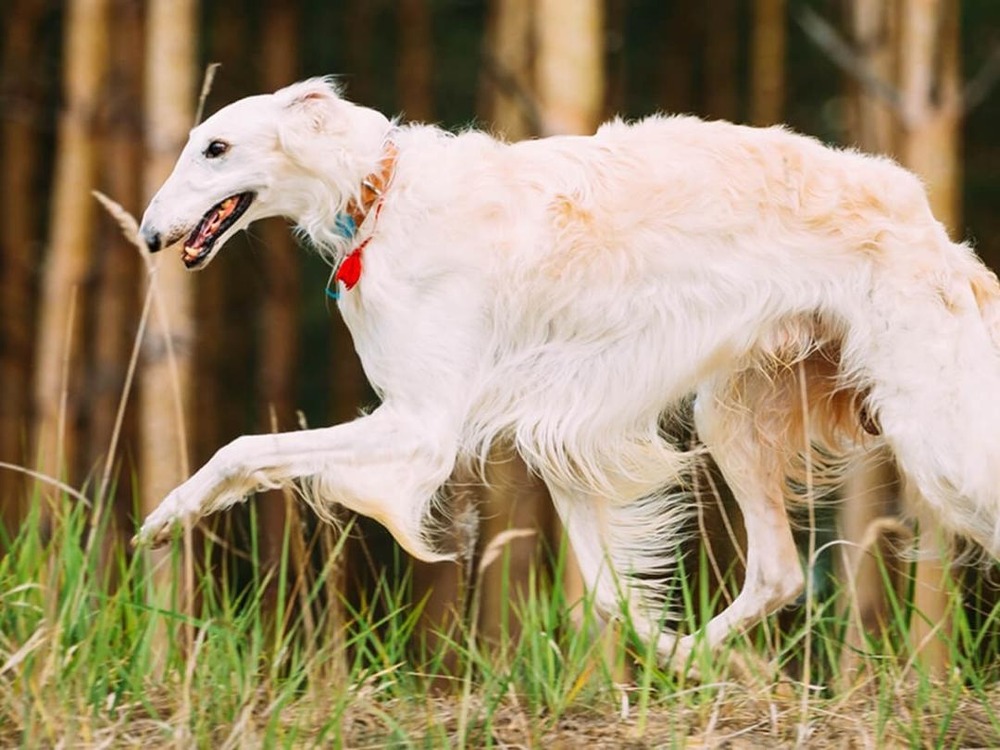
The Borzoi coat can look high maintenance, but it is usually manageable with consistent, gentle care. The key is not waiting for tangles to become mats. A thorough brush several times a week is a good baseline, with extra attention behind the ears, around the collar area, and the feathering on legs and tail.3
Seasonal coat changes can bring heavier shedding, and that is when a little more time with the brush makes the biggest difference. Bathing is individual, but many owners find that occasional bathing, followed by complete drying and brushing, keeps the coat in good order without stripping it too often.
Diet and nutrition
Nutrition is one of the easiest places to get overwhelmed. Ingredient lists can be misleading, and “premium” can mean different things across brands. A helpful way to approach it is to choose a complete and balanced diet that suits your dog’s life stage, then adjust portions based on body condition and activity, with your vet’s guidance if you are unsure.9
If your Borzoi is prone to gulping food, slowing down meals can be useful for comfort, and may also be part of a broader GDV risk-reduction plan for at-risk dogs. Simple tools like puzzle feeders, scatter feeding (if safe in your household), or splitting meals can help.
Foods that can be dangerous
Many “normal” kitchen foods are unsafe for dogs. Some of the more common ones include chocolate, grapes and raisins, onions and garlic, macadamias, and products sweetened with xylitol. If you suspect your dog has eaten something toxic, contact your vet or an emergency service promptly.10
Living well with a Borzoi
The happiest Borzoi homes tend to share a few quiet features: secure fencing, predictable routines, and owners who enjoy a dog that can be both restful and athletic. When their needs are met, many Borzois are calm companions who bring a gentle presence to the house.
If you are choosing this breed, it is worth thinking beyond looks. Ask yourself whether you can offer safe running opportunities, whether your household suits a dog that may be reserved with strangers, and how you will manage prey drive around wildlife and smaller pets. Those practical details are what turn admiration into a sustainable match.
References
- The Kennel Club (UK): Borzoi (breed information)
- The Kennel Club (UK): Borzoi breed standard
- Borzoi Club of America: Borzoi breed standard
- American Kennel Club: Fun facts about the Borzoi
- RSPCA Knowledgebase: Introducing a new dog or puppy to an existing cat
- RSPCA Pet Insurance: Safely exercise your dog or puppy
- Cornell University College of Veterinary Medicine: Gastric dilatation volvulus (GDV) or “bloat”
- American Animal Hospital Association (AAHA): Understanding canine bloat (GDV)
- WSAVA: Global Nutrition Guidelines
- ABC News (Australia): Everyday foods that can poison your dog