

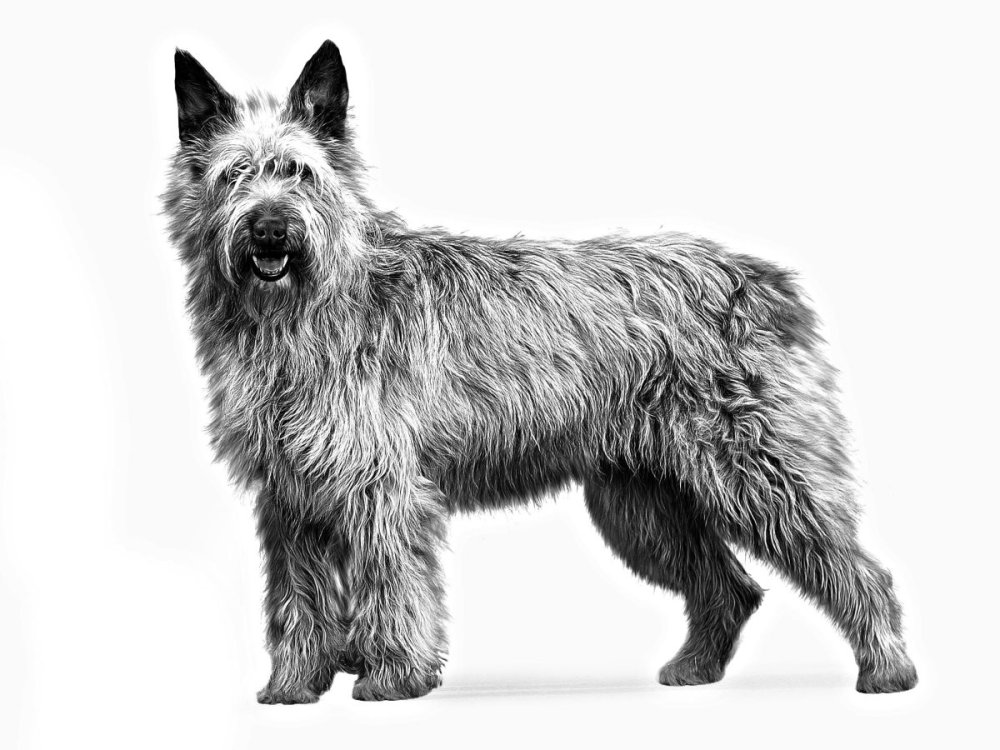
- Breed category: Herding (cattle dog)
- Country of origin: Belgium
- Typical height: About 51 to 63 cm at the withers (varies by sex and standard)1, 2
- Typical weight: Often around 22 to 35 kg (varies by sex and build)1, 2
- Average lifespan: Commonly around 11 to 14 years3
- Coat: Rough, dense, weatherproof double coat1
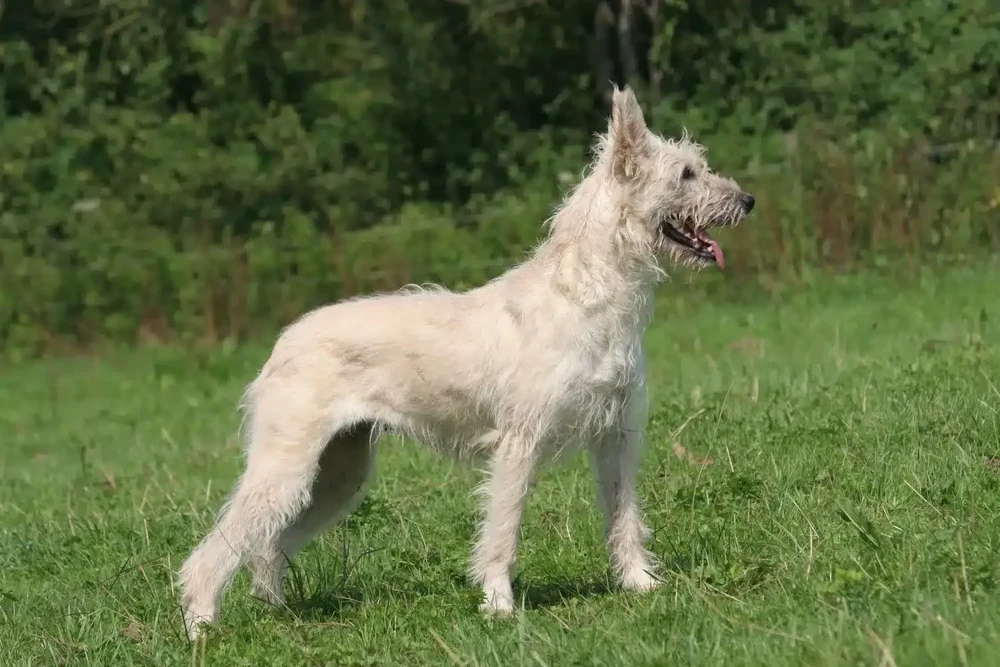
- Colours: Many colours are accepted, but white is generally not accepted in the breed standard (small white on chest or toes may be permitted in some standards)1, 2
- Exercise needs: High, best with daily purposeful activity
- Grooming needs: Moderate, regular brushing helps prevent matting
- Temperament: Alert, determined, loyal, often protective with unfamiliar people
People usually find the Bouvier des Ardennes after noticing a certain type of dog in a photo or at a trial, compact, shaggy, all business, and then realising they have never met one in the park. That is part of the story. This is a rare Belgian cattle dog, and rarity often makes the information around them feel a bit fuzzy, or overly confident.
It is also easy to assume that herding breeds are interchangeable, that if you have lived with a Border Collie or an Australian Cattle Dog, you already understand the whole category. The Bouvier des Ardennes sits close to working farm life in its design and temperament. It can be a deeply rewarding companion, but it tends to do best when its days include real movement, real training, and a sense of purpose.
What matters, in practice, is matching the dog in front of you to the life you can offer. With Bouviers, that means being honest about exercise, boundaries, coat care, and how much decision-making you want your dog to do on its own.
Origins and working role in the Ardennes
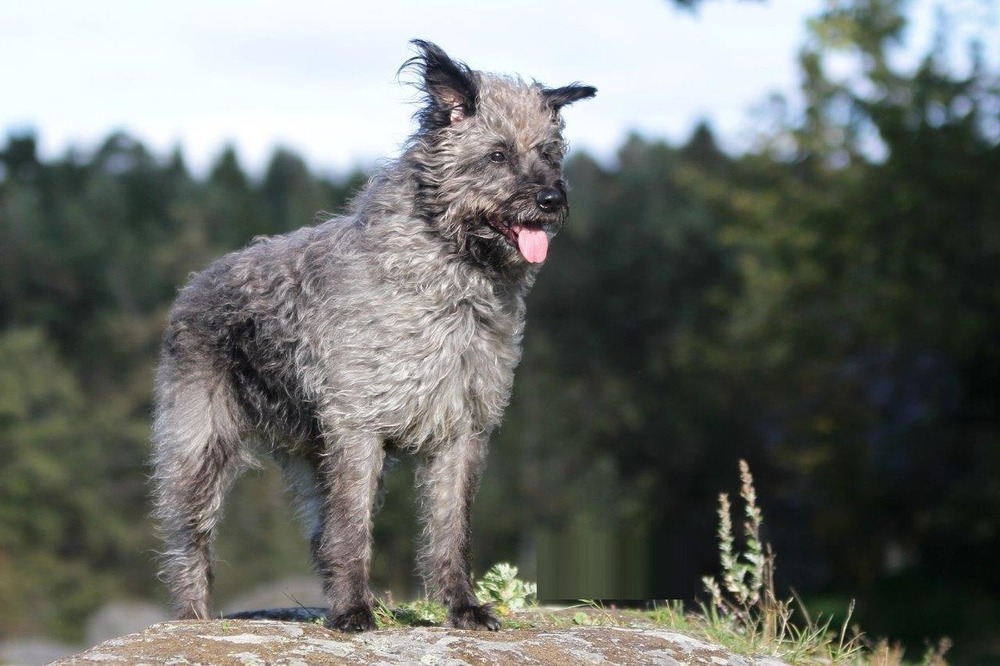
The Bouvier des Ardennes developed as a tough, versatile cattle dog in the Ardennes region of Belgium. The work was practical: moving cattle, keeping a herd together on the road, and helping hold a farm boundary. The breed standard still reflects that emphasis on function, describing a dog built for stamina, weather, and difficult ground.1, 2
Like many European working breeds, numbers dropped sharply as farming changed. Accounts from breed organisations describe a severe decline through the 20th century, followed by renewed efforts from enthusiasts who located remaining dogs and rebuilt a viable population. That history is one reason you may hear people talk about the breed as both resilient and still relatively uncommon.2
One gentle but important reality of “come back from near-loss” stories is genetics. When populations are small, careful breeding choices become more important, not less. If you are speaking with breeders, it is reasonable to ask what health screening they do, and how they think about diversity over time.4
Appearance, coat, and what it is built to do
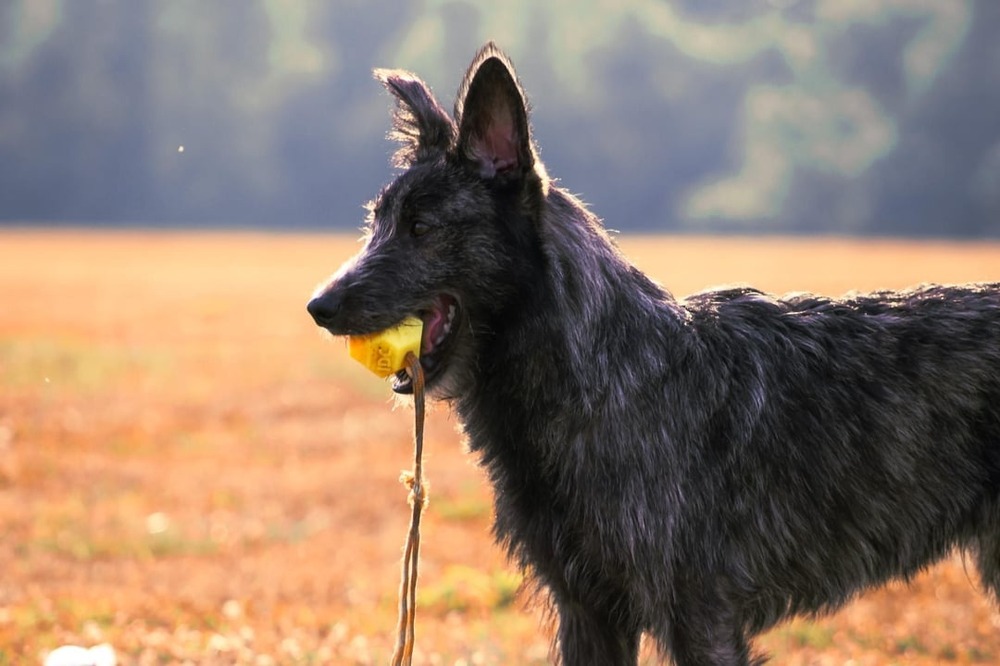
The first thing most people notice is the coat: harsh, tousled, and very much a working jacket rather than a decorative one. The FCI standard describes a weatherproof double coat with distinct facial furnishings, and a compact, strongly made body that prioritises strength over elegance.1, 2
Size is medium, but the build can feel “bigger than the numbers” because of the bone and chest. Height ranges differ slightly between standards, and weight varies with sex, conditioning, and the individual dog’s type. A healthy Bouvier should look capable and athletic, not soft or heavy.
It is also worth knowing that tails may be naturally short in some dogs, and some standards discuss docked tails historically. In Australia, tail docking and ear cropping are tightly restricted and generally prohibited unless there is a genuine therapeutic reason performed by a veterinarian, so most owners should expect a dog presented naturally.5, 6
Temperament and everyday behaviour
A well-bred, well-raised Bouvier des Ardennes is typically alert and engaged with its environment. Many are affectionate with their people, but they are not always socially casual with strangers. That watchful quality can be a gift in the right home, and a challenge in the wrong one, especially if visitors arrive often and the dog has not been taught calm routines.
Because the breed was shaped for moving livestock and making quick decisions, you may see a mix of cooperation and stubbornness. It can look like independence: pausing, assessing, and choosing an action rather than automatically taking direction. Clear, consistent handling tends to matter more than intensity.
With children and other pets, outcomes are usually about management and learning history rather than “good” or “bad” breeds. Early socialisation, thoughtful introductions, and supervision around fast movement (running, scooters, squealing games) help reduce the chance of herding-style behaviours showing up at inconvenient times.
Training and exercise that suits the breed
These dogs generally do best when training starts early and stays part of life. Not because they are “naughty”, but because their brains switch on quickly, and they will practise whatever works. If pulling gets them to the gate faster, they will repeat it. If barking makes people step back, they will store that information too.
Reward-based training is a sensible default for a breed that can be both sensitive and determined. Short sessions, clear markers, and predictable boundaries often produce steadier results than heavy correction. If you are unsure, working with a qualified trainer who uses modern, welfare-focused methods can help you build skills before problems set in.7
Exercise is not only about kilometres. Bouviers tend to thrive on varied movement plus a job: hiking, structured fetching, scent games, obedience foundations, or herding-style outlets where available. The goal is a dog that can settle because its needs are met, not a dog that is simply exhausted.
- Daily movement (walks plus free running where safe and legal)
- Daily thinking (training, scent work, puzzle feeding, skill-building)
- Practical manners (lead walking, greetings, calm at doors and gates)
Health considerations and lifespan
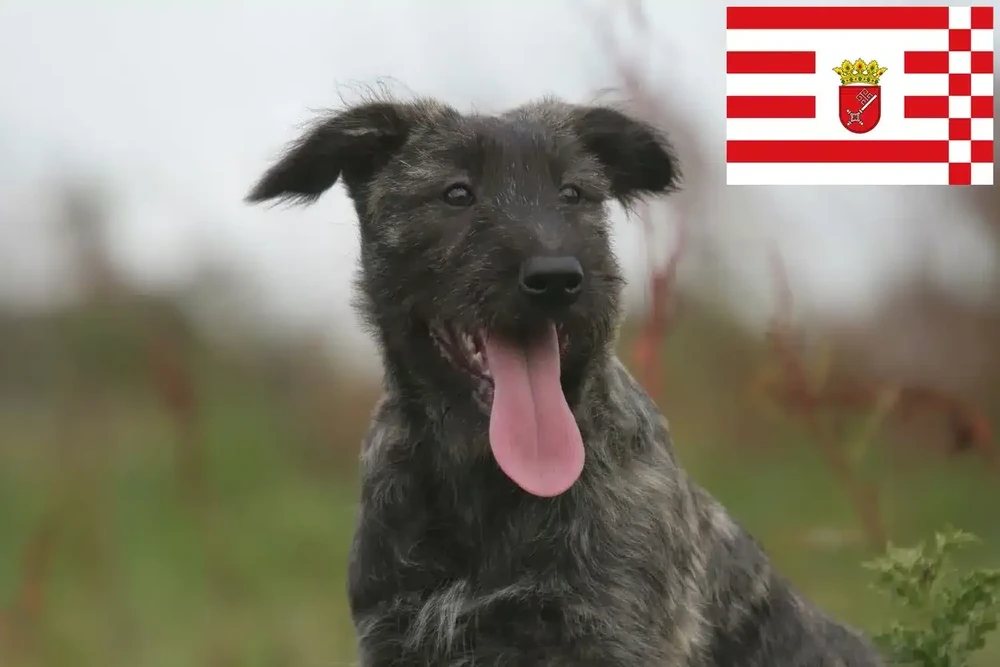
Most sources describe an average lifespan in the low teens, commonly around 11 to 14 years, with individual variation based on genetics, body condition, and the ordinary luck of biology.3
Hip dysplasia is a concern across many medium to large working breeds, and it is sensible to ask what hip scoring or screening a breeder does. Eye conditions are also worth discussing, especially because not all eye issues look obvious early on. Choose preventative checks over waiting for symptoms, particularly if you plan to do high-impact sport or heavy exercise on hard ground.
If you are comparing breeders, look for transparency on health testing and a willingness to talk about what they are seeing in their lines, not just what they hope for. Breed clubs, veterinary guidance, and orthopaedic screening programs can help you understand what “good practice” looks like in your region.8, 9
Grooming, shedding, and simple maintenance
The rough coat can look carefree, but it still benefits from routine. Brushing a few times a week helps prevent tangles, removes debris, and makes it easier to spot skin irritation, ticks, or grass seeds. A comb-through of the beard and leg furnishings is often where owners notice mats starting.
Bathing is usually occasional rather than frequent. Too much washing can dry the skin and soften the harsh outer coat. If you do bathe, rinse thoroughly and dry the undercoat well, especially in cooler weather.
Do not skip the basics that quietly shape comfort and health: nails, teeth, and ears. Many active dogs wear nails down unevenly, and long nails can change posture and stress joints over time. Your vet can show you what a safe nail length looks like for your dog’s feet.10
Feeding and keeping a working dog body condition
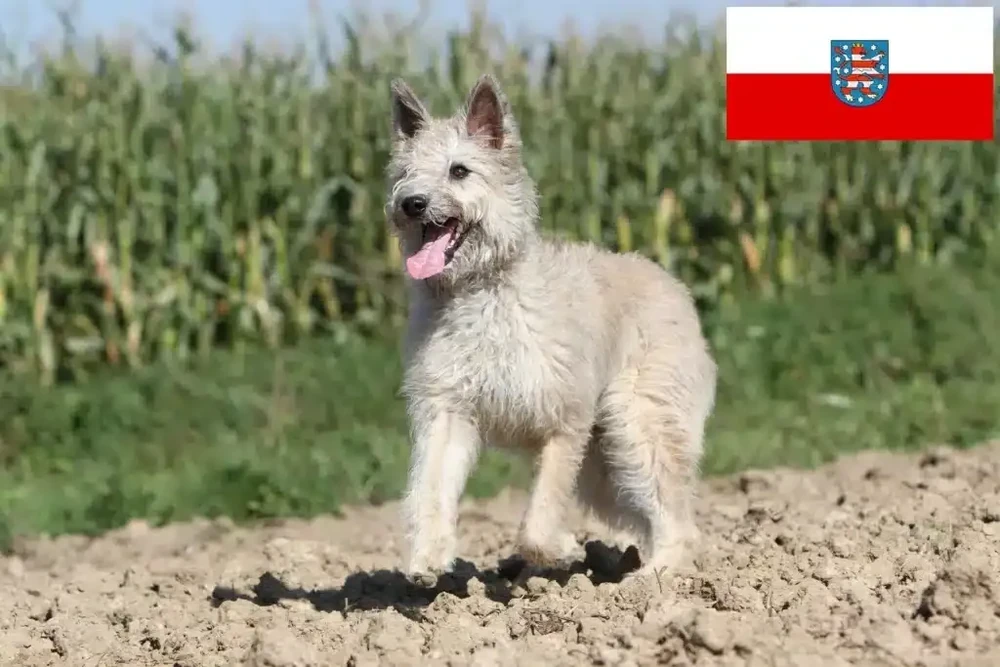
For Bouviers, feeding is less about finding a magic formula and more about supporting steady energy, lean muscle, and joint health. A complete and balanced diet, measured to the dog in front of you, usually does the job well. Your dog’s condition score matters more than the brand name on the bag.
Active dogs can swing between “too light” and “too heavy” more easily than people expect, especially if activity varies by season. Adjust portions gradually, and use your hands as much as your eyes. You should be able to feel ribs with light pressure, and see a waist from above.
If you are considering raw feeding, home-cooked diets, or supplements, it is worth having the conversation with a veterinarian (or a veterinary nutritionist for complex plans). What looks wholesome on paper can become unbalanced in practice if calcium, iodine, and overall energy intake are off target.
Is a Bouvier des Ardennes a good fit?
This is the sort of dog that often shines with people who like training, enjoy being outdoors, and appreciate a companion that watches and thinks. The coat is manageable for many households, but the exercise and engagement needs are not optional. They tend to struggle with boredom, and boredom can look like barking, fence running, or finding their own “jobs”.
They are often happiest in homes where someone can provide structure and time. That can be a rural property, but it can also be suburban life done well, daily movement, clear boundaries, enrichment, and a calm place to rest. Space helps, but routines matter more.
If you are drawn to the breed because you want a steady, capable dog with a working history, it is worth meeting adult dogs where possible. Temperament is easier to understand in person than on a page.
References
- Federation Cynologique Internationale (FCI): Bouvier des Ardennes (No. 171)
- United Kennel Club (UKC): Bouvier des Ardennes breed standard and history
- Royal Canin: Bouvier des Ardennes overview
- Wikipedia: Bouvier des Ardennes (history and rarity overview)
- RSPCA Australia Knowledgebase: Is ear cropping of dogs legal in Australia?
- Agriculture Victoria: Prohibited procedures on dogs (ear cropping, debarking, tail docking)
- RSPCA Australia Knowledgebase: Best training methods for dogs
- Australian Veterinary Association (AVA): Hip dysplasia in dogs
- Orthopedic Foundation for Animals (OFA): Hip dysplasia information
- World Small Animal Veterinary Association (WSAVA): Global Dental Guidelines