

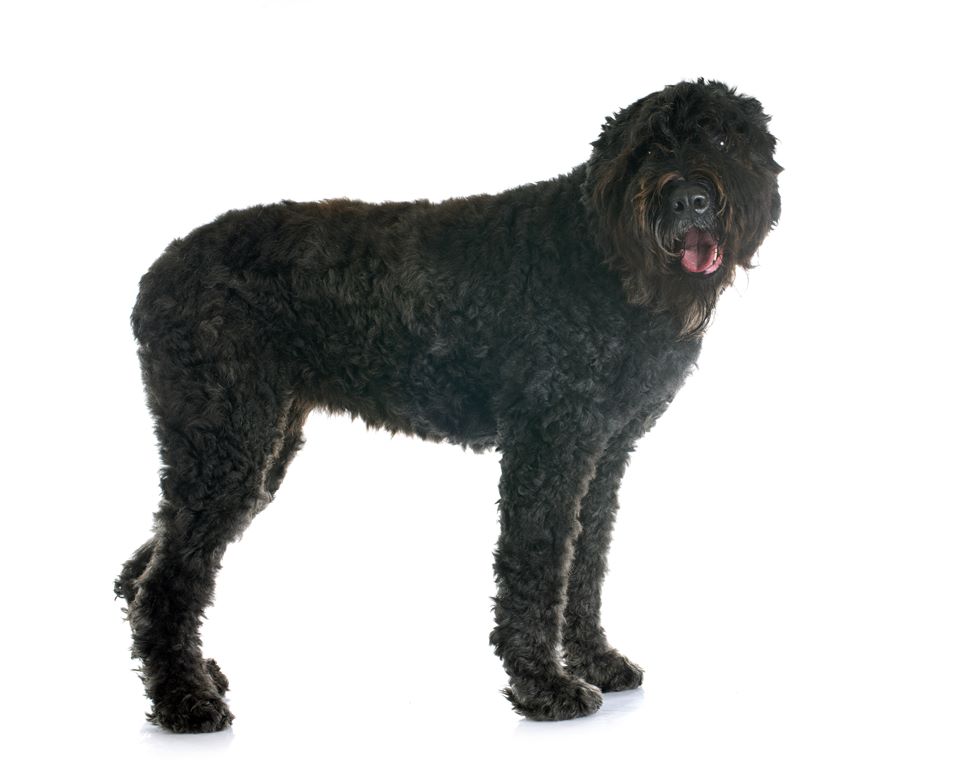
People often notice a Bouvier des Flandres the same way they notice a person in a heavy work coat, standing quietly at the edge of things. There is that rugged outline, the eyebrows and beard, and a steadiness that can read as “calm”, “tough”, or sometimes “stubborn”, depending on what you have lived with in other dogs.
What tends to surprise new owners is that the Bouvier is not simply a big, shaggy companion. It is a farm-bred problem solver, shaped by practical work and close daily partnership with people. When that history matches the home, Bouviers settle beautifully. When it does not, they can become restless, over-watchful, or hard to motivate, not from badness, but because the day is too small for the dog you brought home.
Understanding the breed’s working roots, coat, and temperament helps you decide whether a Bouvier is the right fit, and if it is, how to live with one in a way that feels steady and fair for both dog and humans.
- Breed group: Herding and working farm dog
- Origin: Flanders region (Belgium and France)
- Typical size: Dogs 62 to 68 cm, bitches 59 to 65 cm
- Typical weight: Dogs about 35 to 40 kg, bitches about 27 to 35 kg
- Life expectancy: Commonly around 10 to 12 years
- Coat: Rough outer coat with a dense undercoat
- Best suited to: Active households that enjoy training, routine, and outdoor time
Where the Bouvier des Flandres comes from
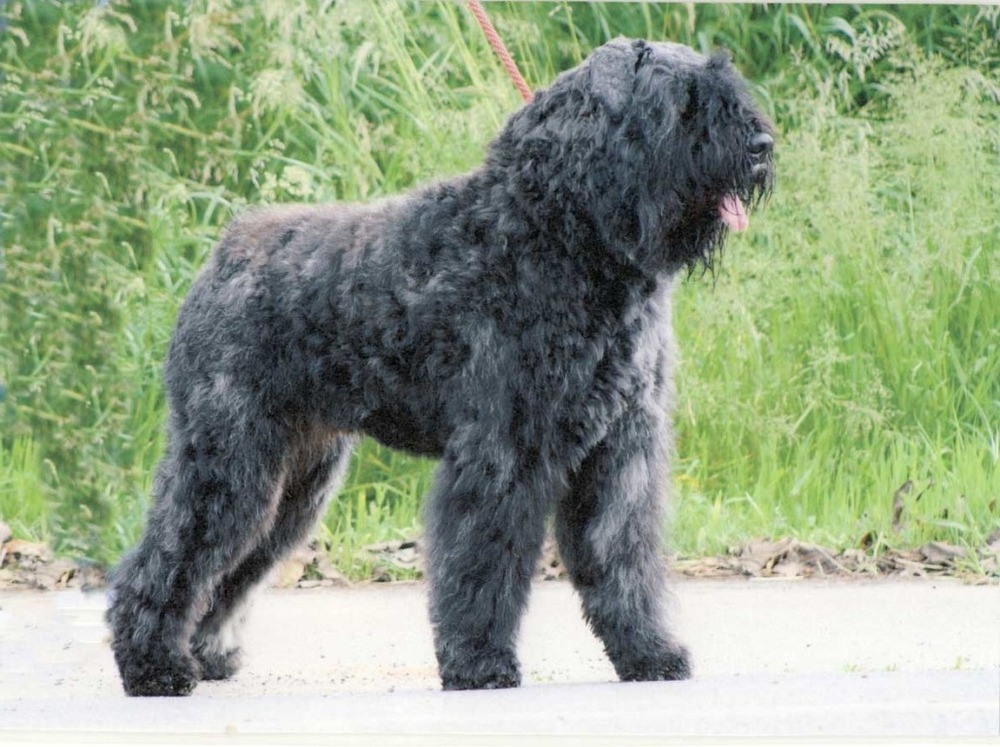
The name “Bouvier des Flandres” points straight to its beginnings: a cattle dog from the Flanders region. For generations, farmers valued a dog that could shift stock, pull a cart, and keep an eye on the yard without needing constant direction. That mix of independence and cooperation still shows up today as quiet confidence with a working brain.
Breed history is rarely a neat story with one inventor, and Bouviers are no exception. Accounts commonly link early breeding to practical farm needs across the region, with later standardisation through kennel organisations as the modern breed took shape.1, 2
The Bouvier also gained visibility during the First World War, where dogs of this type were used for roles such as message carrying and cart work. It is not the main reason to choose the breed, but it helps explain the Bouvier’s reputation for steady nerves and usefulness when properly trained and handled.3
Appearance, coat, and the “beard” everyone remembers
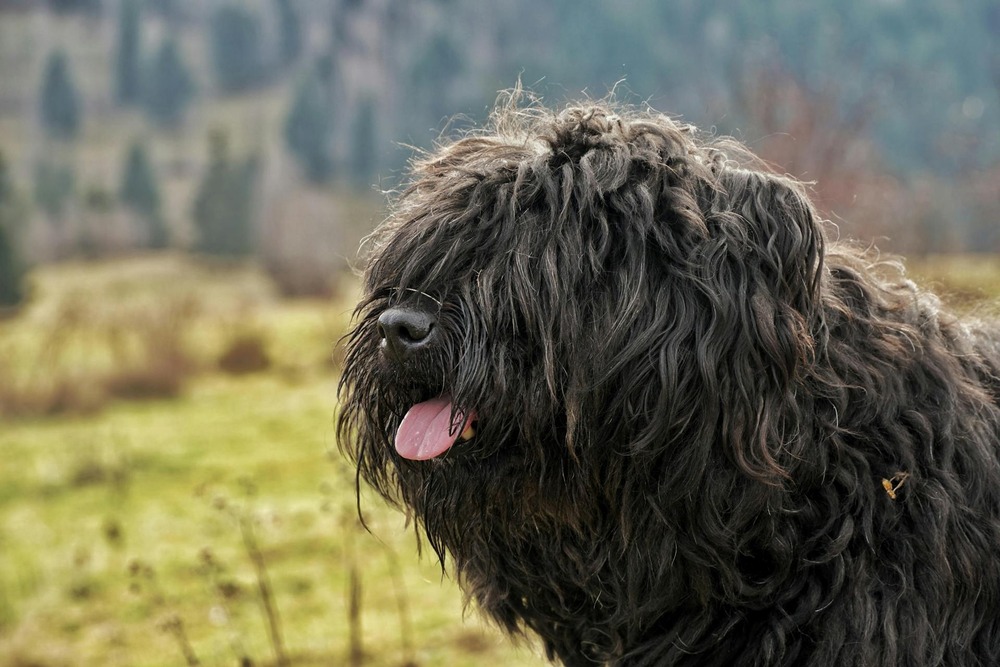
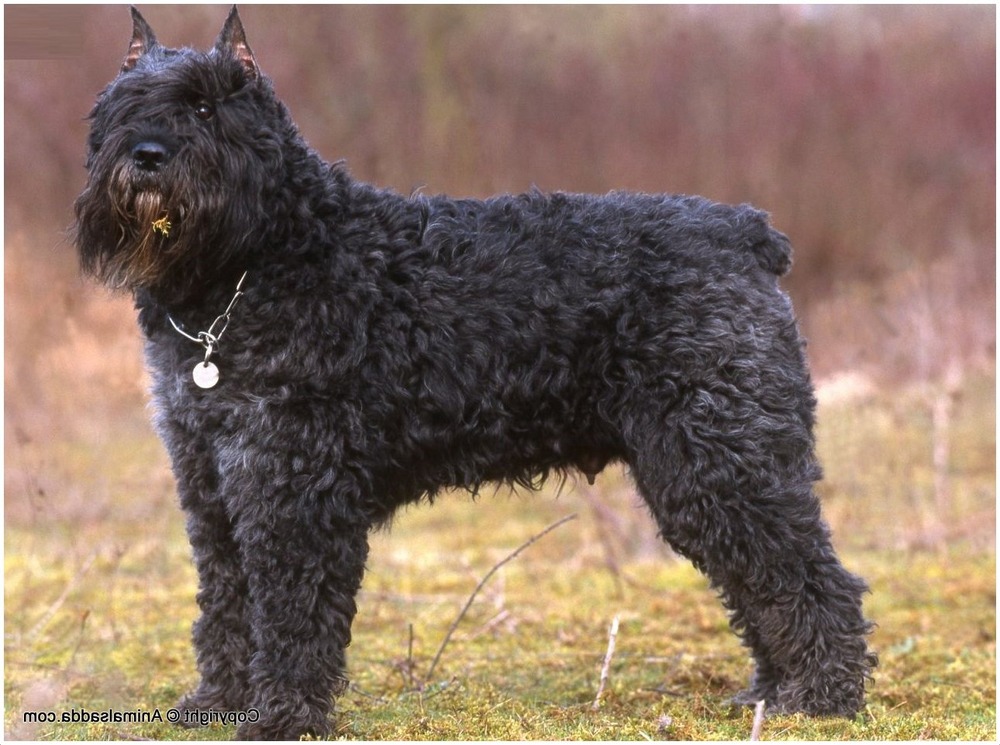
A well-kept Bouvier looks rugged rather than glamorous. The head furnishings, including the heavy eyebrows, moustache and beard, are part of the classic outline described in breed standards. The coat is typically a harsh outer layer with a dense undercoat, built for wet paddocks, wind, and long days outside.2
Colour can range from fawn through brindle to black and grey, with some standards allowing a small white mark on the chest. The overall impression should be powerful and capable, not lumbering.2
You may also see references to cropped ears or docked tails in older descriptions and overseas photos. In Australia, cosmetic ear cropping is illegal and cosmetic tail docking is generally banned, with limited exceptions for genuine therapeutic need under veterinary oversight (and in some jurisdictions, limited working-dog provisions). If this matters to you, it is worth checking your state or territory rules before you buy or rehome a dog.4, 5
Temperament in real homes
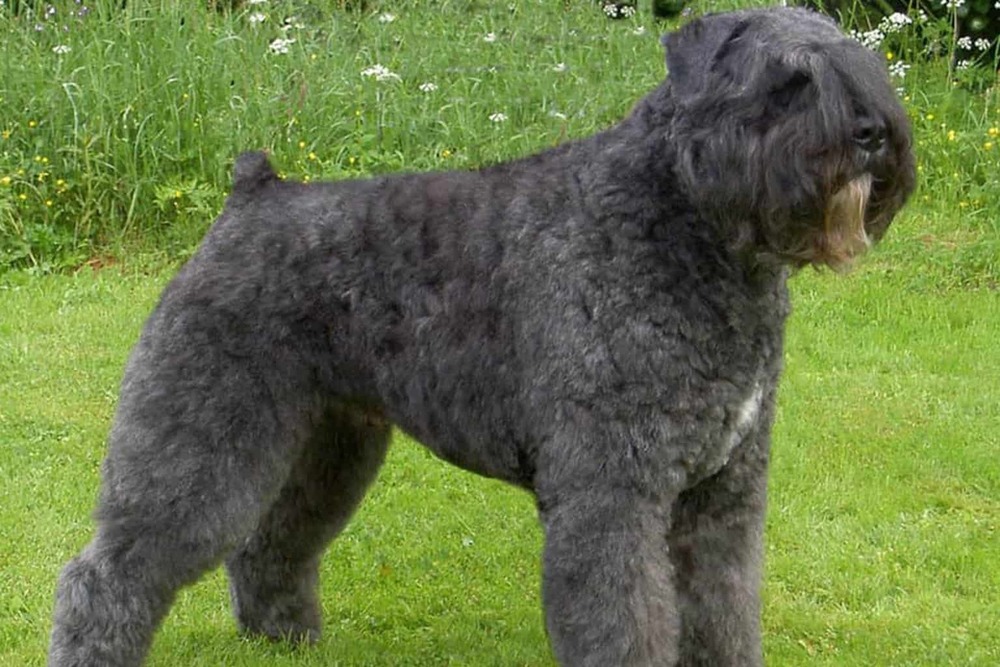
At their best, Bouviers are observant and steady, the sort of dog that prefers to watch first and then act. Many are naturally reserved with strangers, and deeply attached to their household routine. That can be a gift if you want a dog that settles close by, but it also means you are living with a dog that notices everything.
Protective instincts are often mentioned with the breed. It is more accurate to think in terms of vigilance and decision-making. If a young Bouvier practises barking at the fence line, body-blocking visitors, or scanning from a doorway, those behaviours can become default habits unless you shape them early with training, calm exposure, and clear household rules.3
With children, the usual advice holds: supervision, good manners on both sides, and a plan for quiet time. Bouviers tend to do best when kids are old enough to respect space, and when adults are consistent about management rather than relying on the dog to “just cope”.
Training and exercise that suits the breed
Training is less about dominance and more about structure. A Bouvier usually responds well to calm, consistent handling and reward-based learning, especially when sessions are short and practical. They can be sensitive to unfair corrections, and they can also switch off if training becomes repetitive. The goal is steady repetition with purpose.
Most Bouviers need daily movement plus mental work, not just a quick lap of the block. Think in terms of long walks, hiking, structured play, scent games, and training that asks the dog to think. If you enjoy dog sports, Bouviers are often seen in obedience, tracking, and other working-style activities that channel their brains and bodies.3
They are not typically “easy apartment dogs” unless the household is genuinely active, has a plan for enrichment, and can manage grooming and calm behaviour around lifts, hallways, and constant foot traffic. Space helps, but routine helps more.
Health considerations to discuss with your vet and breeder
Large, solid breeds often carry similar health themes, and Bouviers are no exception. Hip dysplasia is commonly discussed, along with certain eye conditions, and responsible breeders should be able to explain what they screen for and why those results matter in plain language.6
It is also sensible to know the signs of gastric dilatation-volvulus (GDV), sometimes called bloat, because it can affect large, deep-chested dogs and can become life-threatening very quickly. Owners should treat sudden abdominal swelling, unproductive retching, distress, or collapse as an emergency and seek urgent veterinary care.7
When you are choosing a puppy or an adult dog, ask direct questions about health testing, the dog’s temperament in the home, and what the breeder or rescue has observed around visitors, other dogs, and day-to-day handling. Good information upfront saves a lot of stress later.
Grooming and coat care without overcomplicating it
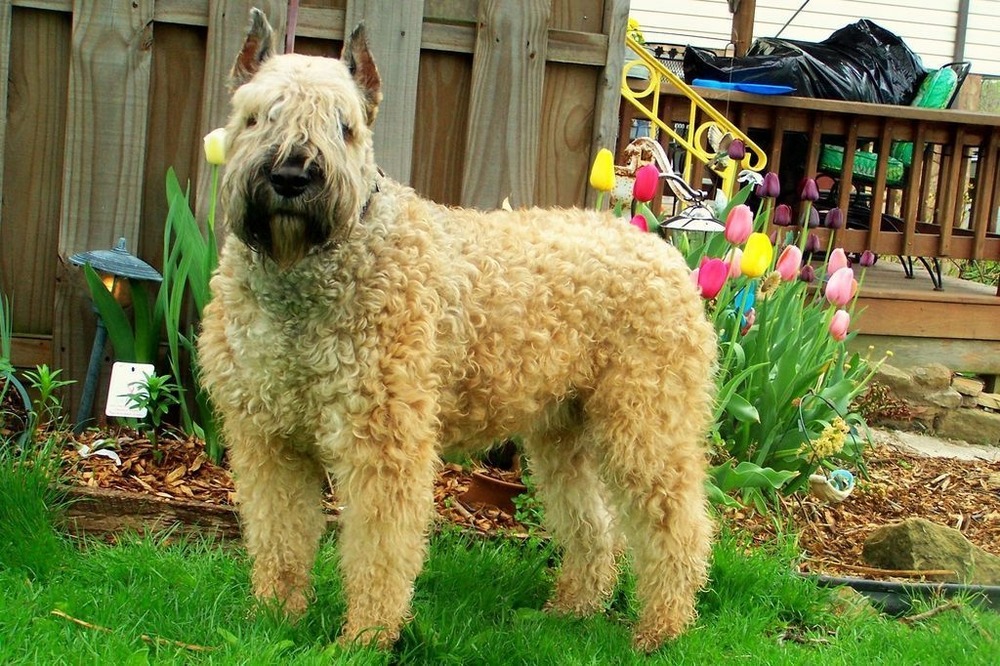
The Bouvier coat is functional, but it is not low effort. Regular brushing helps prevent matting, especially in friction areas like behind the ears, under the collar, in the armpits, and around the beard. Many owners find it easiest to build a routine of a few short brush sessions each week, rather than one long wrestle on a Sunday.
The beard itself needs practical care. Water, food, and plant material can collect there, so a quick rinse and dry can keep skin comfortable and the dog easier to live with indoors.
Professional grooming can help, particularly if you prefer a tidier outline or want help with trimming and hygiene areas. If you are unsure what your dog’s coat “should” look like, reputable breed clubs and kennel organisations often provide helpful guidance on coat type and maintenance expectations.2
Feeding and keeping a large dog comfortably lean
Bouviers do best on a complete and balanced diet that matches their life stage and activity level. The detail that matters most in day-to-day life is not brand loyalty, it is body condition. You want to be able to feel ribs under a light layer of tissue, and to see a waist when viewed from above.
If your dog is gaining weight, it usually helps to measure meals, reduce extras, and increase low-impact activity, then reassess after a couple of weeks. Your vet can help you set a target weight and make changes safely, especially if there are joint concerns.8
Living with a Bouvier, what tends to work
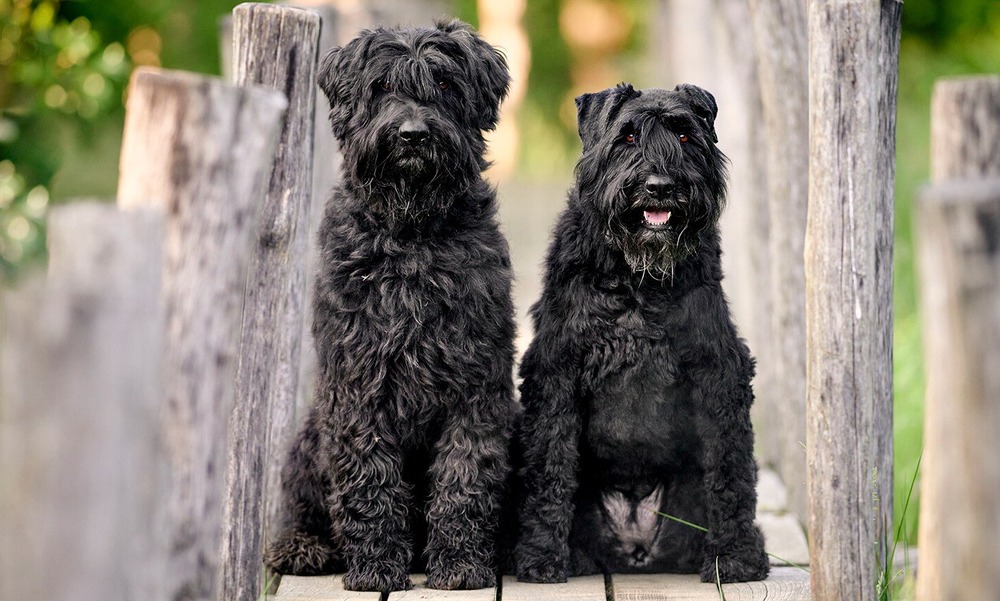
A Bouvier des Flandres is usually happiest with a household that values routine, enjoys training, and has time for grooming and outdoor life. They are often deeply companionable dogs, but they are not typically “bring home and hope” dogs. They do best when humans take the lead on social exposure, calm greetings, and teaching an off-switch inside.
If you are drawn to the breed because of that rugged look, it is worth also choosing it for the quieter traits: steadiness, thoughtfulness, and a willingness to work alongside you. With the right match, a Bouvier can feel like a capable partner at home, not just a pet in the background.
References
- Fédération Cynologique Internationale (FCI): Bouvier des Flandres (Breed No. 191)
- The Kennel Club (UK): Bouvier des Flandres breed standard
- Purina: Bouvier des Flandres breed information
- RSPCA Australia Knowledgebase: Is ear cropping of dogs legal in Australia?
- RSPCA Australia Knowledgebase: Is the tail docking of dogs legal in Australia?
- American Kennel Club (AKC): Bouvier des Flandres
- Cornell University College of Veterinary Medicine: Gastric dilatation volvulus (GDV) or “bloat”
- WSAVA: Global Nutrition Guidelines
- Agriculture Victoria: Prohibited procedures on dogs