

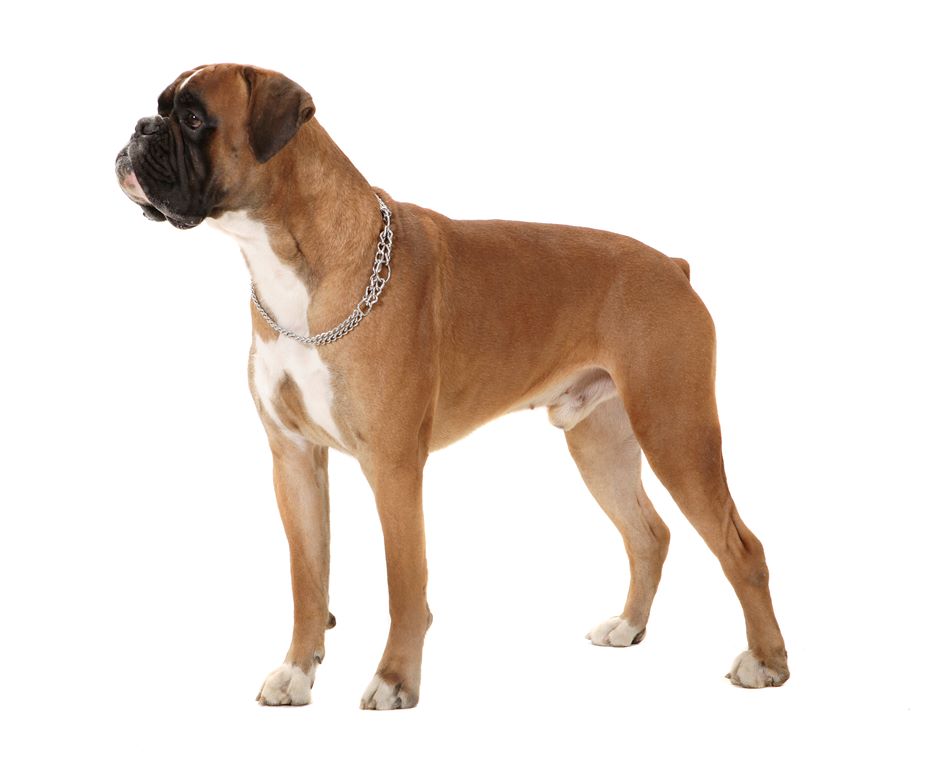
You usually start thinking about Boxers after meeting one in the park, or visiting a friend whose dog barrels over with a grin, a wriggling body, and far more enthusiasm than personal space. They look athletic and confident, and it is easy to assume they are “easy” dogs, the kind that will fit into family life as long as they get a walk.
In practice, living with a Boxer tends to be a little more specific than that. Their energy, strength, and people-focus can be wonderfully rewarding, but it also means they notice everything, they get bored easily, and they do best when their days have a bit of rhythm.
If you are considering the breed, or trying to understand the one already sharing your couch, it helps to look at where Boxers came from, what their bodies were built for, and the care details that matter most in real homes.
- Breed group: Working (varies by kennel club)
- Origin: Germany
- Typical height: about 56 to 61 cm (males), 53 to 58.5 cm (females), depending on breed standard1, 2
- Typical weight: often around 30 kg (males) and 25 to 28 kg (females), depending on breed standard and individual build1, 2
- Coat: short, smooth
- Common colours: fawn or brindle, often with white markings2
- Typical lifespan: around 10 to 12 years3
Where Boxers come from, and what that shaped
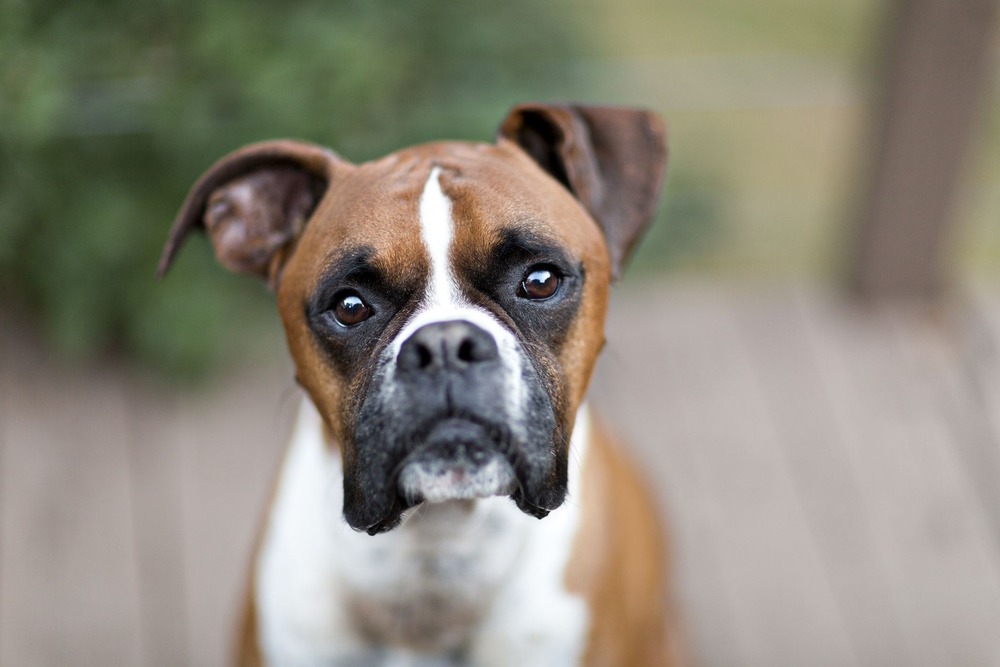
The modern Boxer was developed in Germany in the late 1800s, with ancestry linked to the now-extinct Bullenbeisser and to bulldog-type dogs. The early aim was a capable, athletic dog that could work closely with people, then settle back into daily life. That “switch” is still one of the breed’s most recognisable features.
It is also why many Boxers seem to watch their household so closely. They often prefer being near their people, and they can struggle if they are left with too little to do. When their social and physical needs are met, they tend to be bright, comical companions with a steadiness that surprises people who only see their high-energy greetings.
Breed standards vary slightly between organisations, but they generally describe a medium-sized, squarely built dog with a short coat and a strong, athletic outline.1, 2
Temperament in real homes: joyful, physical, and people-oriented
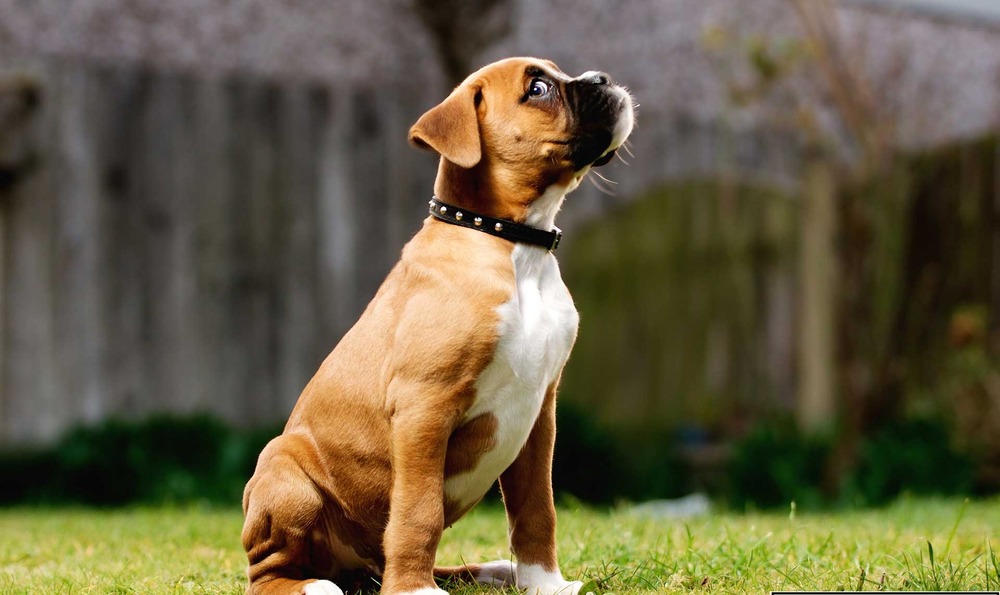
Boxers are often described as playful and loyal, which is true, but it can be more helpful to think of them as highly interactive dogs. They commonly want to be involved in whatever is happening and can become pushy, mouthy, or rowdy if they have not learned calmer ways to get attention.
With children, the breed’s enthusiasm is usually the bigger issue, not “aggression”. A Boxer can accidentally bowl over a toddler, or turn a game into a full-body wrestling match. Early guidance, supervision, and teaching both dog and kids what “calm” looks like tends to matter more than any single training trick.
With other pets, outcomes are often shaped by early social experiences, the individual dog’s arousal levels, and how well the household manages greetings and play. Many Boxers live happily with other dogs, but it is wise to assume they will need thoughtful introductions, not instant best friends.
Training that works: clear, kind, and consistent
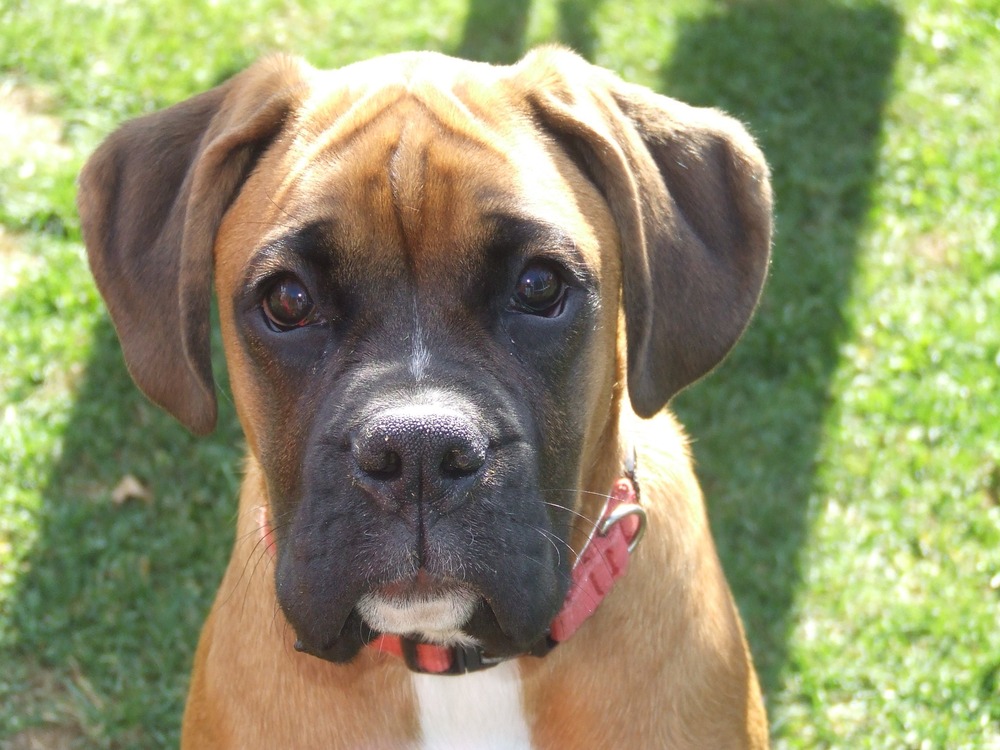
Boxers are intelligent and often keen to engage, but they are not always neat, “automatic” learners. They can get overstimulated, especially during adolescence, and they may look like they are ignoring you when they are actually struggling to settle their body enough to think.
Most families do best with training that leans on reward-based methods: food, toys, praise, and access to what the dog wants, delivered with good timing and repetition.4, 5 It also helps to keep sessions short. A few minutes, repeated often, usually beats one long session that ends with everyone frustrated.
If you are unsure where to start, focus on the skills that make daily life easier:
- Loose lead walking, so their strength does not become a safety issue
- Greeting manners, especially keeping four feet on the floor
- Settle on a mat, to practise switching off indoors
- Recall foundations, built slowly with low distractions first
Exercise and enrichment: more than “a run”
Boxers usually need daily movement, but they also need their brains engaged. A long sprint can create a fitter athlete who still does not know how to relax. The sweet spot is often a mix of walking, sniffing, play, and short training games spread across the day.
Ideas that suit many Boxers include:
- brisk walks with “sniff time” built in
- fetch in short bursts, with breaks before they tip into frantic over-arousal
- food puzzles and scatter-feeding in the yard
- basic agility or obedience foundations, kept upbeat and low-pressure
Because Boxers can be more sensitive to heat than many longer-muzzled breeds, it is worth treating hot days as a planning problem. Walk early or later, choose shade, and keep sessions shorter when panting ramps up quickly.6, 7
Health themes to discuss with your vet
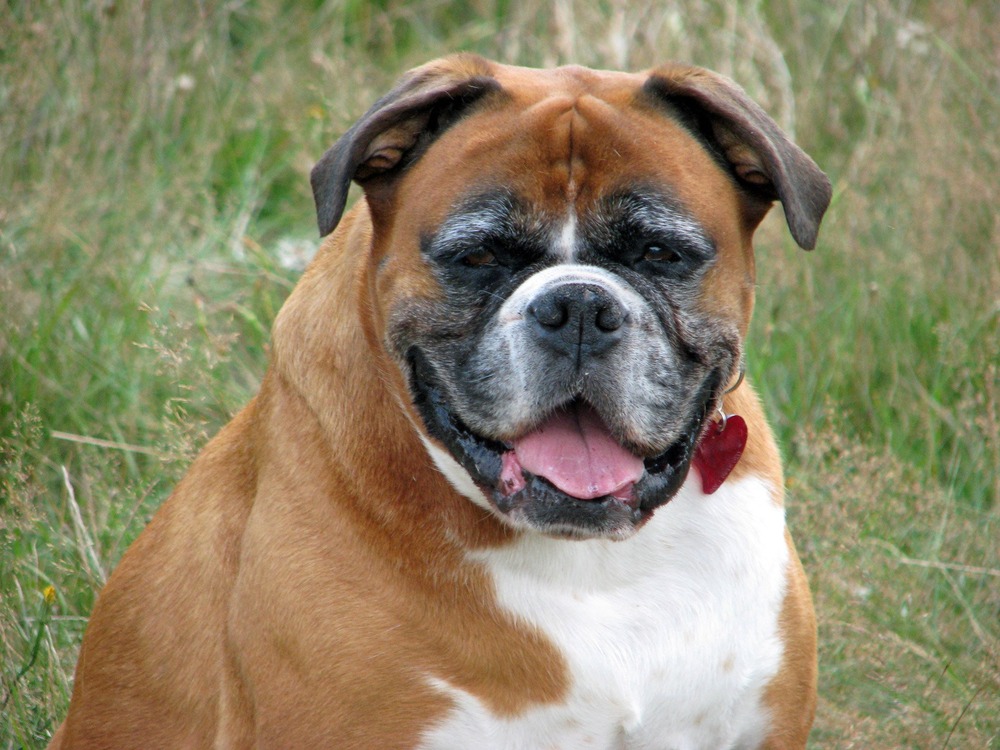
Boxers can be robust, active dogs, but they are also a breed where it is sensible to go in with eyes open. In general, owners and vets often keep a close watch on heart health, joint comfort, and any changes in stamina or breathing, especially in hot or humid weather.
Rather than trying to self-diagnose from a checklist, it is more useful to bring specific observations to your vet, for example:
- exercise tolerance changing over weeks, not just on one hot day
- fainting, collapse, or unusual weakness
- new coughing, loud breathing, or persistent panting
- lameness, stiffness, or reluctance to jump or climb
If you are choosing a puppy, ask what health screening is done in the lines you are looking at, and request to see documentation. If you are adopting an adult, a baseline check-up soon after adoption can help you plan care with fewer surprises.
Heat safety: where Boxers can come unstuck
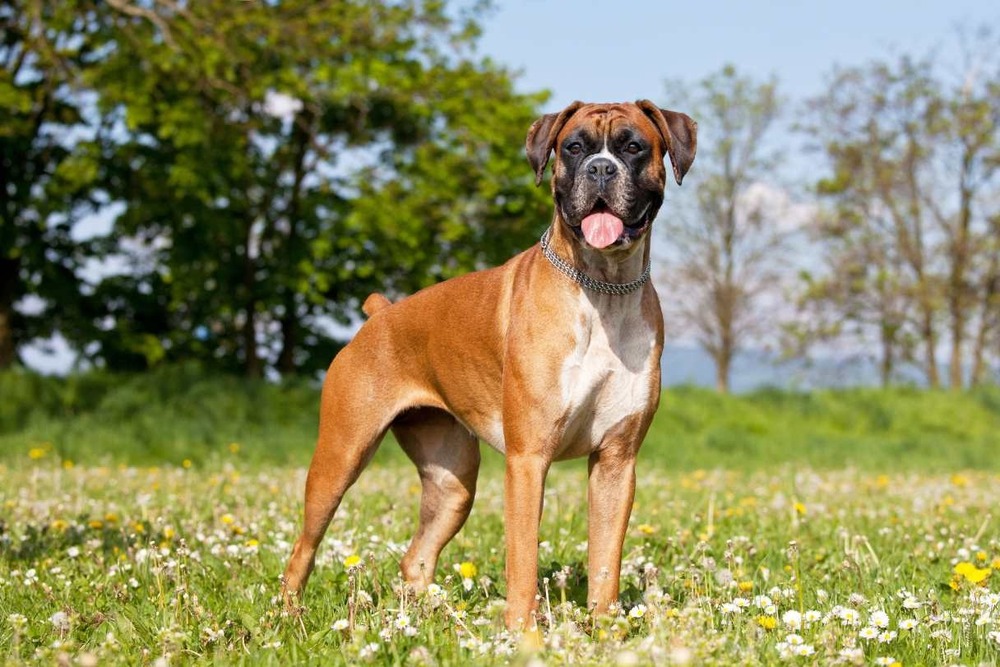
Many people know not to leave a dog in a car, but they still underestimate how quickly a dog can become dangerously hot, especially if the dog is short-muzzled or already excited. RSPCA guidance notes that heatstroke is a serious emergency and that some pets are at higher risk, including brachycephalic dogs.6
One practical rule that saves lives is simply this: never leave a dog in a parked car. RSPCA WA warns that the inside of a parked car can quickly reach dangerous temperatures and may kill a dog in as little as six minutes.8
Know the common signs of overheating so you can act early, not after a dog collapses. Signs can include heavy or frantic panting, drooling, agitation, vomiting or diarrhoea, weakness, and collapse.6, 7
Grooming, coat care, and the small maintenance jobs
The Boxer coat is short and usually straightforward, but that does not mean “no grooming”. A weekly brush can help lift loose hair and gives you a chance to notice skin changes, lumps, or tenderness early. Many owners find a rubber curry brush works well on short coats.
Keep an eye on the basics that quietly affect comfort:
- nails, which can overgrow faster than people expect
- ears, especially if your dog swims or gets itchy
- teeth, with vet advice on brushing and dental checks
If your Boxer drools more than you expected, it is usually a normal “messy face” trait, but sudden changes, pawing at the mouth, or difficulty eating deserve a vet check.
Feeding: keeping them lean without making meals a battle
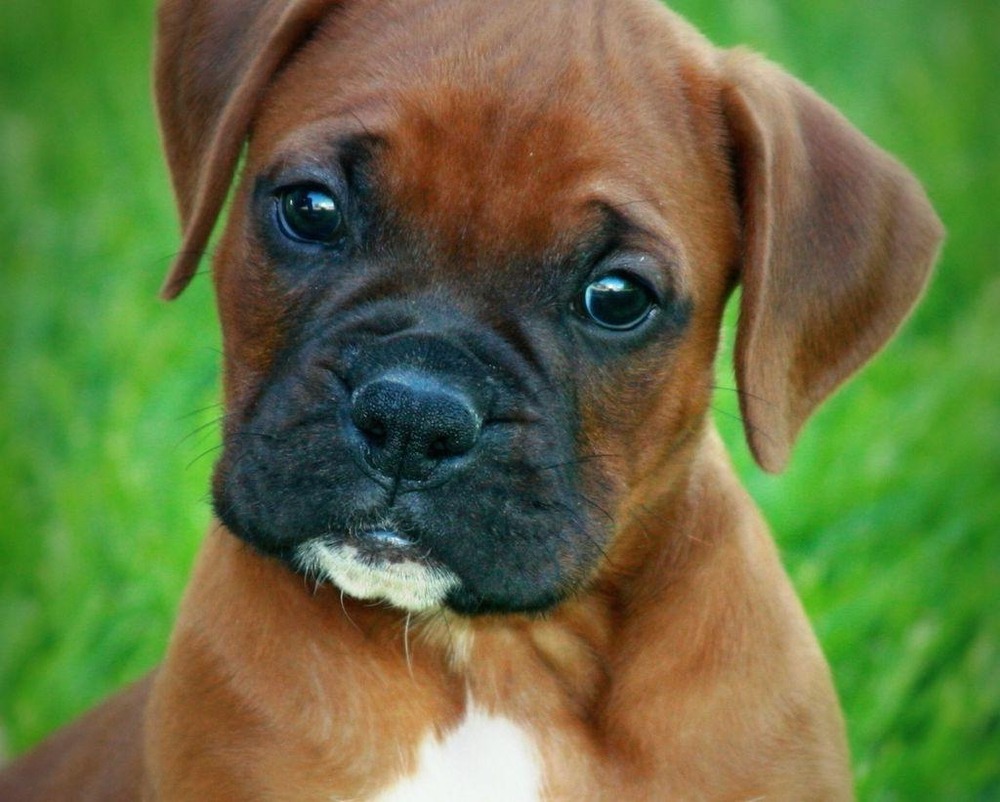
Boxers tend to carry extra weight easily if treats and portions creep up, particularly after desexing or during quieter seasons. Staying lean matters for comfort and mobility, and it also helps with heat tolerance.
A good starting point is a complete and balanced diet suited to your dog’s life stage, then adjust amounts based on body condition, not the feeding guide on the bag. If you use treats for training, keep them small and account for them as part of the day’s intake. WSAVA’s nutrition resources are a useful place to read about assessing diets and feeding choices, especially if you are comparing brands or considering home-prepared options.9
If your Boxer seems constantly hungry, scavenges, or guards food, that is not a character flaw. It is often a sign the feeding plan, enrichment, or household routines need adjusting. Your vet can help you map out a realistic plan that fits your dog’s health and your schedule.
Living well with a Boxer
Boxers thrive in homes where people enjoy an engaged, physical dog and are willing to teach calm alongside fun. They are often at their best when they have daily exercise, social time, clear boundaries, and a few small jobs, like carrying a toy on walks or working through a puzzle feeder.
If you are looking for a dog who is mostly independent, or who will be content with minimal interaction, a Boxer can be a challenging match. If you like a dog who watches your life closely and joins in with enthusiasm, they can be deeply satisfying companions for many years.3
References
- ANKC Australian National Kennel Council Boxer Breed Standard (archived copy)
- The Kennel Club (UK): Boxer breed standard
- American Kennel Club: How long do dogs live? (includes Boxer lifespan guidance)
- American Veterinary Society of Animal Behavior: Position statements (Humane Dog Training)
- Association of Pet Dog Trainers Australia (APDT): Position statements on dog friendly training
- RSPCA Australia: Warm weather worries, protect pets from heatstroke
- RSPCA NSW: Heat stress advice and risk factors
- RSPCA WA: Dogs in hot cars
- WSAVA: Global Nutrition Guidelines