

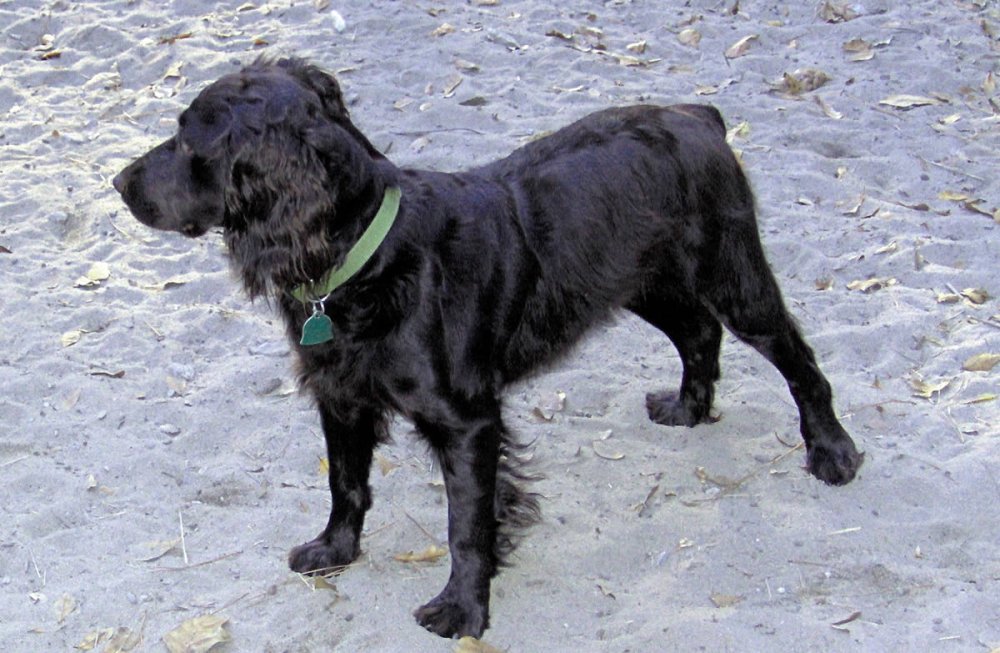
You might first notice a Boykin Spaniel because of the coat, that rich brown colour that seems to catch the light, and the way they move as if they are always ready for the next thing. Sometimes it is a photo from a friend’s hunting trip, sometimes it is a dog at the park that looks like a smaller, sportier spaniel and never quite stops checking in with their person.
It is easy to assume they are simply a “pretty family dog” or, on the flip side, “only for hunters”. In practice, Boykins sit in the middle. They are gundogs bred to work close, retrieve willingly, and cope with water and thick cover, but many also settle into ordinary homes as long as their day includes enough movement, training, and company.
Understanding what shaped the breed helps you make sense of what you see: the stamina, the enthusiasm, the need to do something with their mouth, and that talent for getting muddy in record time. It also helps you decide whether a Boykin suits your household, not just your taste in dogs.
- Breed category: Gundog (Sporting)
- Country of origin: United States
- Typical height: About 36 to 46 cm at the shoulder
- Typical weight: About 11 to 18 kg
- Typical lifespan: Around 10 to 15 years
- Coat: Medium length, flat to wavy (sometimes loosely curly)
- Colour: Usually liver to dark chocolate
- Grooming: Moderate, regular brushing
- Exercise needs: High, daily physical and mental work
History and origin
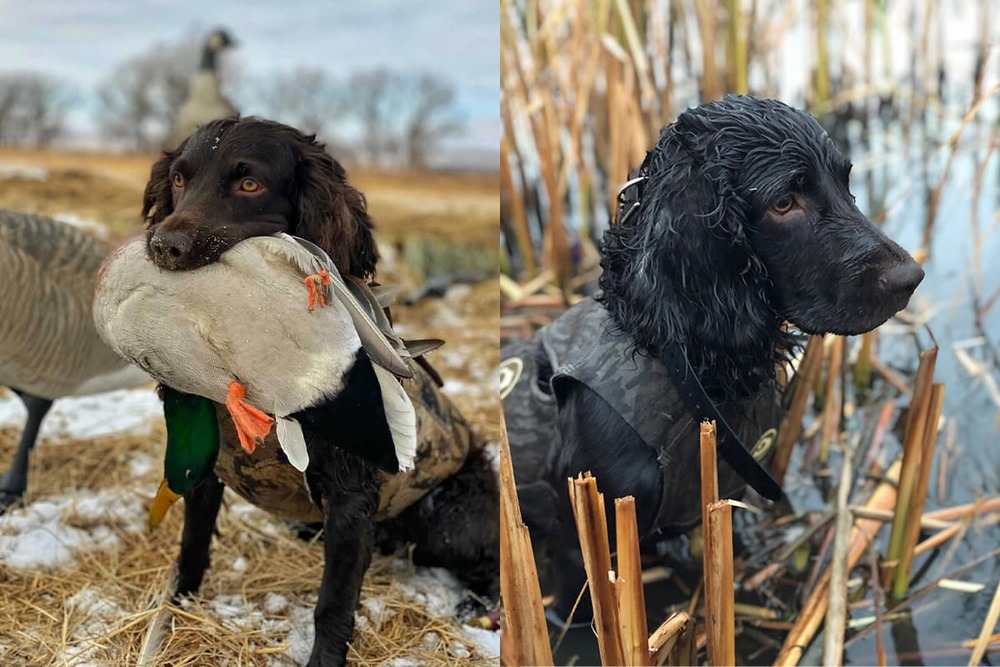
The Boykin Spaniel developed in South Carolina in the early 1900s, shaped by practical hunting needs in warm, swampy country. The origin story most often told begins with a small brown spaniel type dog found near Camden and taken in by Alexander L. White. White later sent the dog to his hunting partner, L. Whitaker Boykin, who helped develop the line into a reliable turkey dog and waterfowl retriever.3
Because these dogs needed to work from small boats and push through thick cover, the type that persisted was compact, athletic, and keen to retrieve. Accounts of the early breeding vary, but commonly mentioned influences include spaniels and retrieving breeds suited to water and field work.3
One piece of trivia that is genuinely grounded in law is that the Boykin Spaniel became the official state dog of South Carolina in 1985.2 It is a small detail, but it reflects how closely the breed is tied to one place and one working tradition.
Practical takeaway: even when a Boykin is living as a companion, you are still living with a dog shaped by generations of “go out, find it, bring it back”.
What they look like, and why it matters
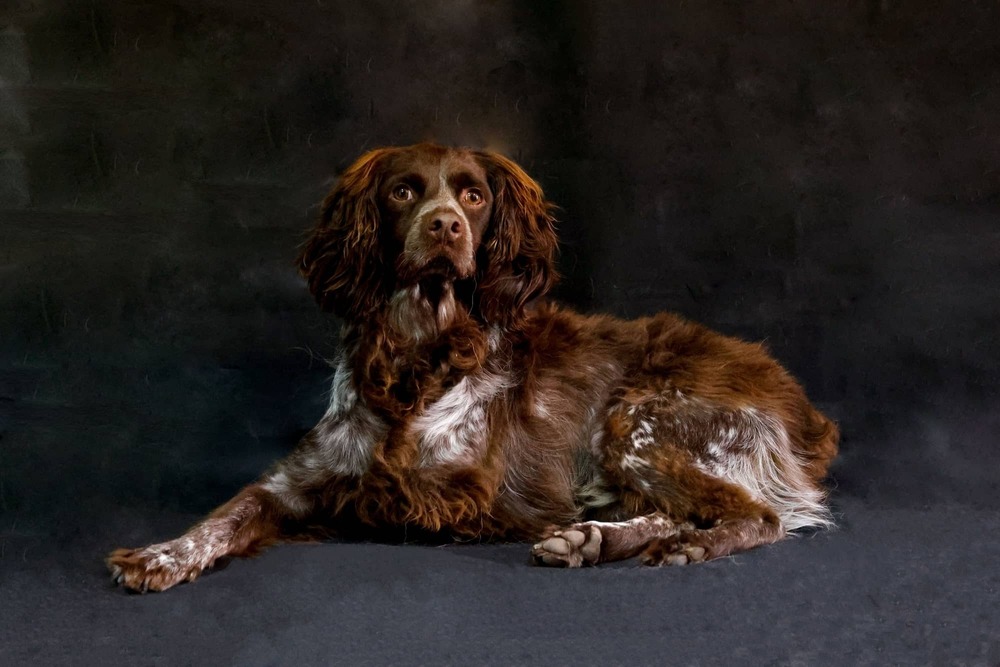
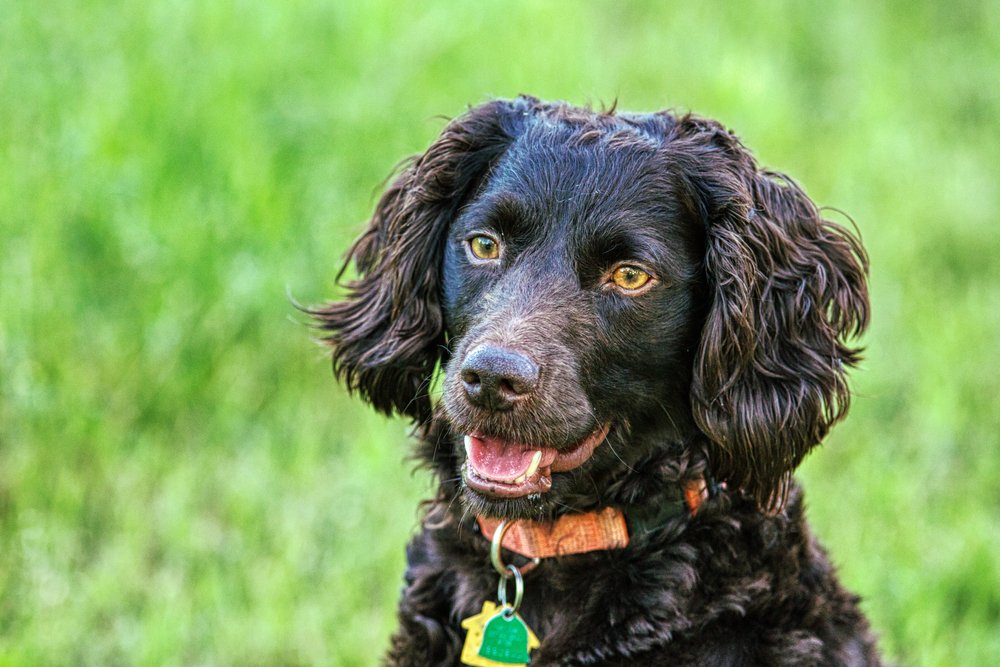
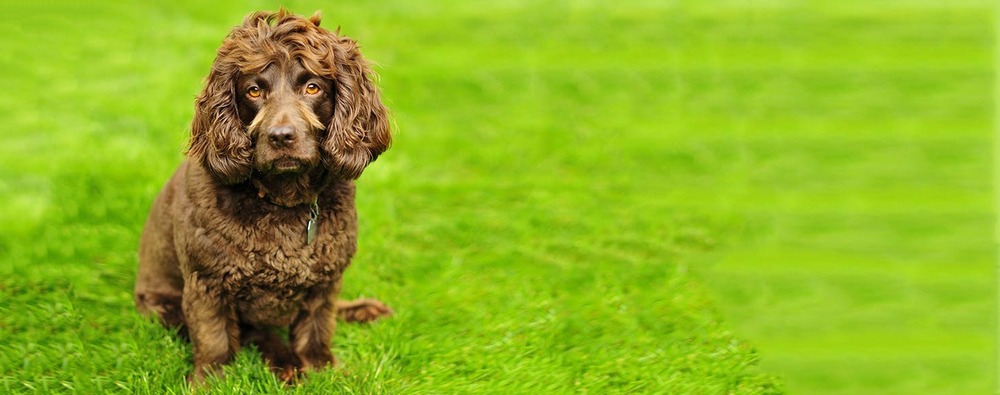
Boykins are medium sized, but they often feel bigger in motion than the numbers suggest. Their build is meant for endurance rather than bulk, with a coat that offers protection in water and scrub. The coat is usually liver to dark chocolate, with feathering on the ears, legs, and chest, and it can range from flat to wavy, occasionally with a looser curl.3
People sometimes notice the feet and assume “webbed feet” means something unusual. Many dogs have some degree of webbing, but in Boykins, their overall structure and coat are clearly geared towards swimming and retrieving. The point is less the anatomy trivia and more the day to day reality: if there is water nearby, many Boykins will treat it like an invitation.
Watch the ears. Those floppy ears are part of the classic spaniel look, but they also reduce airflow in the ear canal. If your Boykin swims or is bathed often, routine ear checks and gentle drying become part of normal care.6
Temperament and behaviour in a real household
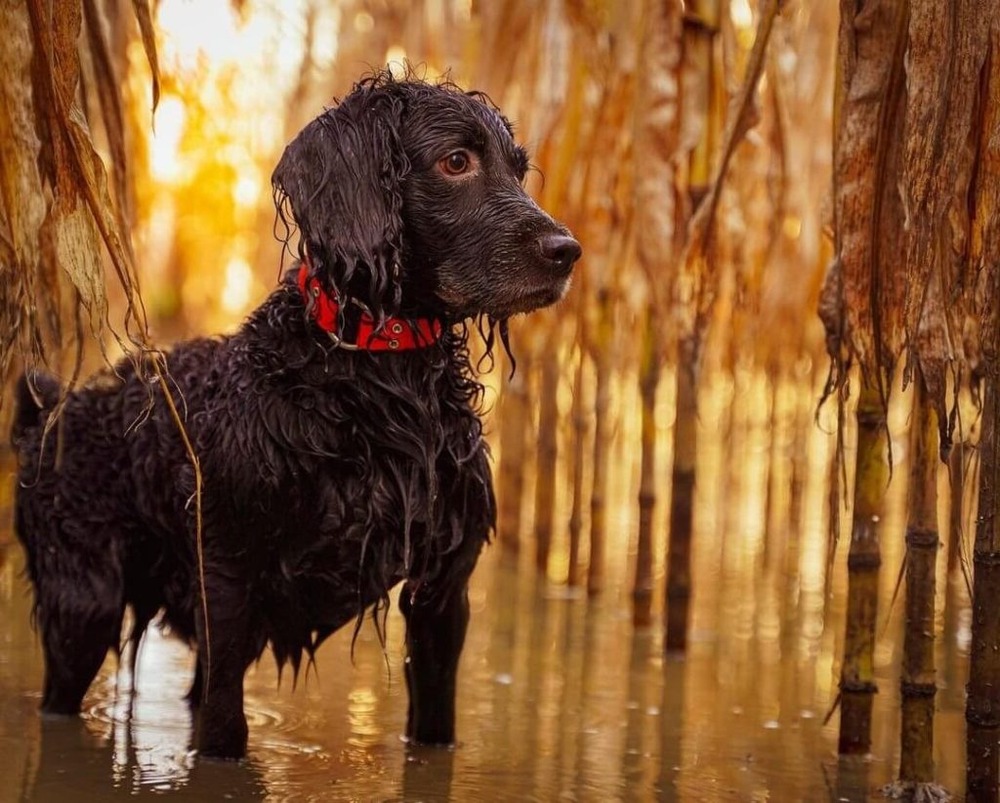
A well bred, well raised Boykin tends to be social, biddable, and busy. They commonly enjoy training because training feels like interaction, and interaction is often what they are seeking. In many homes, the “behaviour problem” is not a bad temperament, it is an under-employed working dog making their own entertainment.
They are often good with children, particularly when they have been taught calm greetings and kids are supported to give the dog space when needed. As with any energetic sporting breed, supervision matters, not because Boykins are known for aggression, but because excitement can topple small children and mouthing can become a habit if it is accidentally encouraged.
If you have other pets, early socialisation and management make a big difference. Many Boykins live happily with other dogs and cats, but small animals and birds can trigger chase and grab behaviour because retrieving and hunting behaviour patterns sit close to the surface.
Most useful mindset: assume your Boykin will notice movement, want to carry things, and prefer being near you, then build routines that make those tendencies easy to live with.
Training and exercise needs
Boykins are usually responsive to reward based training. The important part is not “getting the dog to obey”, it is giving the dog a clear job and enough feedback that they can relax. Consistency, short sessions, and practical skills (recall, lead walking, settle on a mat, leaving dropped food) have a bigger impact on daily life than flashy tricks.
Exercise needs are typically high. For many Boykins, a slow stroll does not touch the sides unless it is paired with sniffing time, retrieving games, or training. General veterinary guidance for dogs supports tailoring exercise to the individual, with a mix of physical activity and mental enrichment, and with care around heat, injury, and sudden big increases in workload.7
If you are trying to meet those needs without turning your week into a military schedule, activities that tend to suit Boykins include:
- Retrieving with rules (short throws, pause, release cue, swap for a treat)
- Swimming in safe areas (with a rinse and ear check afterwards)
- Field style sniff walks on a long line
- Rally obedience or agility foundations, kept age appropriate
- Food puzzles and “find it” games at home
Health considerations and lifespan
Many Boykin Spaniels live into the 10 to 15 year range with sensible weight management, conditioning, and routine veterinary care. Like other medium sporting breeds, they can be affected by inherited and lifestyle related issues, and it is worth thinking about them early rather than only when a problem shows up.
Hip dysplasia is one commonly discussed concern. It is a developmental condition where the hip joint is unstable, which can lead to pain and arthritis over time. Genetics play a major role, but growth rate, body weight, and overall management also influence how it presents.8
Eye conditions are also mentioned in breed discussions. The best way to handle this topic is practical rather than alarming: if you are buying a puppy, ask what health testing the breeder does and how they select breeding dogs. If you already have a Boykin, pay attention to changes in vision, eye redness, or cloudiness, and raise it early with your vet.
Routine care that tends to matter most for this breed includes:
- Keeping them lean, especially during growth and into middle age.8
- Regular dental care (brushing is ideal, dental checks are still important).
- Ear care, particularly if the dog swims or gets frequent baths.6
- Conditioning and gradual increases in exercise, rather than weekend bursts.
Grooming and everyday maintenance
The Boykin coat is often described as “wash and wear”, and in some ways that is true. They are not usually a high maintenance salon breed, but they do collect burrs, sand, and leaf litter enthusiastically. A weekly brush, plus quick checks after outings, prevents most problems from turning into mats that pull on the skin.
Focus on the practical friction points: behind the ears, under the collar, the feathering on the legs, and between the toes. If your Boykin swims, rinse off and dry thoroughly, especially the ears, to reduce irritation risk.6
Plan for mud. Many owners find it easier to keep a towel at the door and treat basic clean-up as part of the rhythm of life with a water loving gundog.
Diet and nutrition
Boykins often have a hearty appetite, and their activity level can make it tempting to feed “like an athlete”. The complication is that many dogs remain enthusiastic about food even when their actual calorie needs drop, for example after desexing, during hot weather, or with a change in routine.
When choosing a diet, it helps to look beyond the ingredient list. Veterinary nutrition guidance notes that ingredients can be misleading, and it is more useful to check whether the food is complete and balanced for your dog’s life stage, and whether the manufacturer can answer basic quality control questions.9
If you are unsure where to start, ask your vet about an appropriate target weight and body condition, then feed to that, adjusting as the dog’s workload changes across the year. For many Boykins, staying lean is one of the simplest, most meaningful health protections you can offer.8
Final thoughts
The Boykin Spaniel tends to suit people who like being outdoors, enjoy training as a form of connection, and do not mind a dog that wants to be involved. They are often affectionate and adaptable, but they are not usually content as a low activity ornament.
If you meet their need for movement, skill building, and companionship, a Boykin can be a steady presence in the home and a joyful partner outside. The breed’s history is not just a story, it is a set of instincts that still show up on an ordinary Tuesday afternoon.
References
- American Kennel Club, Breeds by Year Recognized
- South Carolina Legislature Online, 1985 to 1986 Bill 2403: Boykin Spaniel, State dog
- United Kennel Club, Boykin Spaniel Breed Standard and History
- American Kennel Club, Boykin Spaniel History: Where the Breed Originated
- Justia, South Carolina Code Section 1-1-655: Official State dog
- RSPCA Australia, How do I clean my dog’s ears?
- American Veterinary Medical Association, Exercise Needs of Your Dog
- American College of Veterinary Surgeons, Canine Hip Dysplasia
- WSAVA, Global Nutrition Guidelines