

You usually meet a Braque Français in motion. Someone at the park has a dog that seems to run all day without getting ragged, then settles at home with a quiet, watchful steadiness. Or you notice a lean, short-coated pointer on a rural property that works close, checks in often, and seems to read the room without fuss.
It is tempting to assume that any hunting breed will be too driven for family life, or that a gentle dog will be a bit soft for serious work. The Braque Français quietly complicates those assumptions. Bred as a pointing dog, it can be energetic and purposeful outdoors, yet surprisingly easy to live with when its needs are met.
What matters, in practice, is not whether this breed is “good” or “easy” in a general sense, but whether your daily rhythm matches a dog that is built to move, search, and collaborate with a handler.
At a glance: the Braque Français
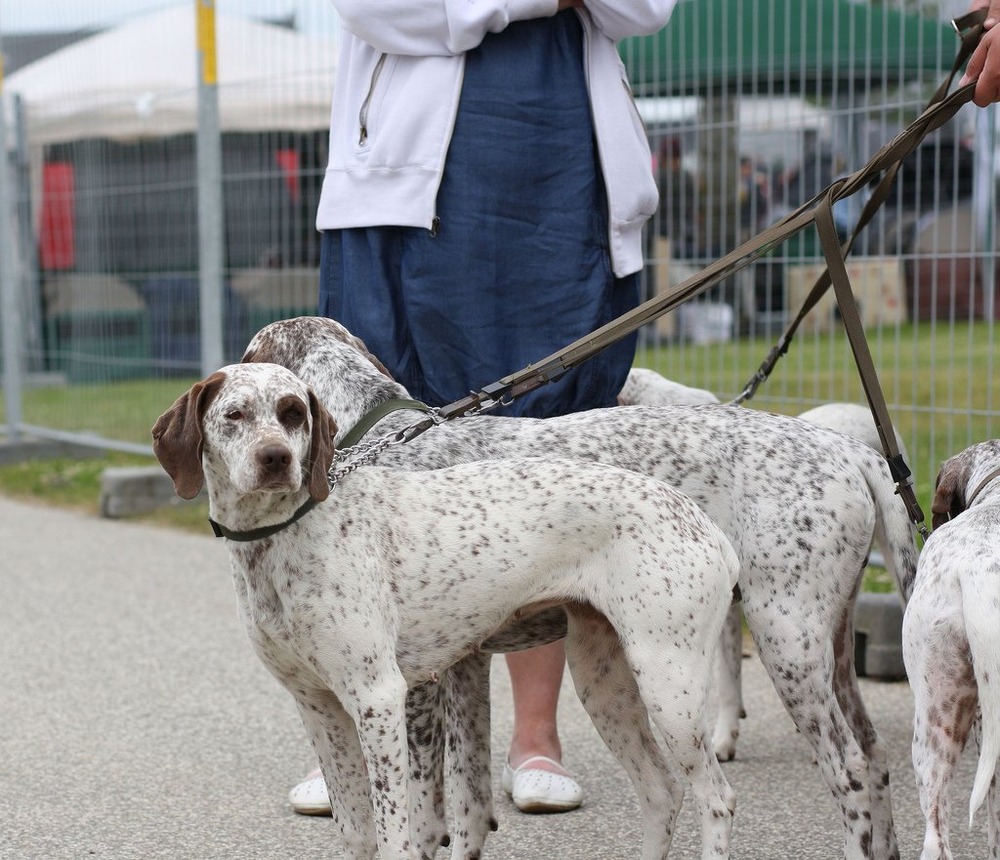
- Breed group: Continental pointing dog (gun dog)1
- Origin: France1
- Two recognised types: Gascogne (larger) and Pyrénées (smaller)1
- Typical height: Gascogne dogs are generally taller than Pyrénées dogs, with males usually larger than females1
- Life expectancy: Often around the low to mid teens, with variation by genetics, body condition, and care6
- Coat: Short, practical, and generally low-fuss1
- Energy needs: High, best suited to regular exercise and training time4
Quick reality check: this is not an ornamental “one walk a day” breed. It tends to thrive when it has both movement and a job, even if that job is structured play, scent work, or training.
History and origin
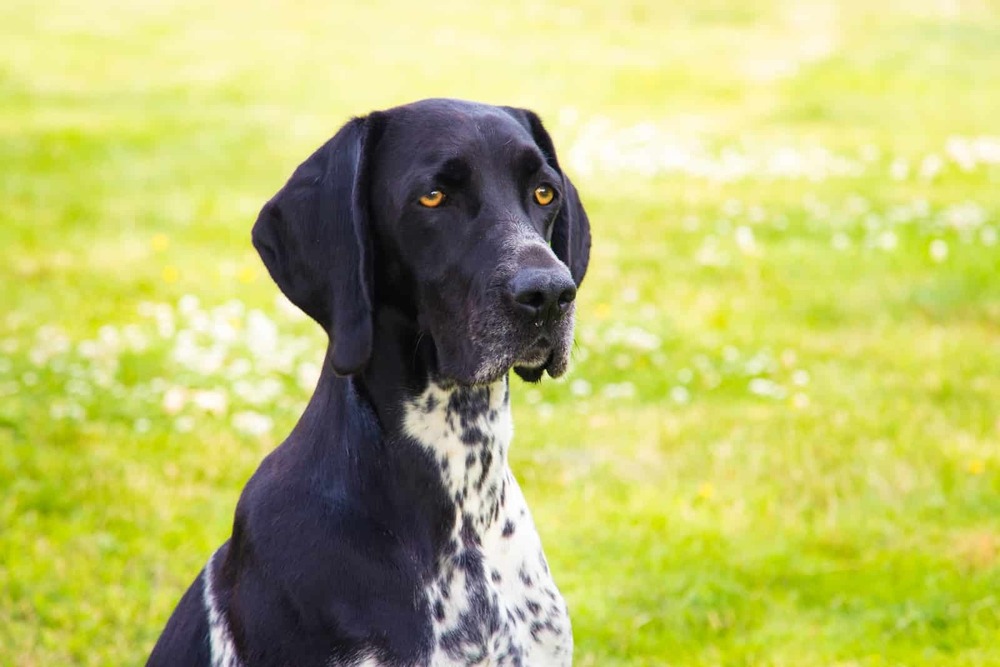
The name “Braque Français” is used for two closely related French pointing breeds: the Gascogne type and the Pyrénées type. Both are recognised internationally as separate breeds and sit in the continental pointing dog group.1
In the field, these dogs were developed to locate game by scent and indicate it with a steady point, working in partnership with a person on foot. That partnership piece matters. Many Braque Français owners describe dogs that like to keep tabs on their handler and work with a sense of direction, rather than disappearing into the horizon.
For context on formal recognition, the Fédération Cynologique Internationale (FCI) lists definitive recognition dates in 1955, and notes updated standards published in 2023 for both types.2, 3
Physical characteristics
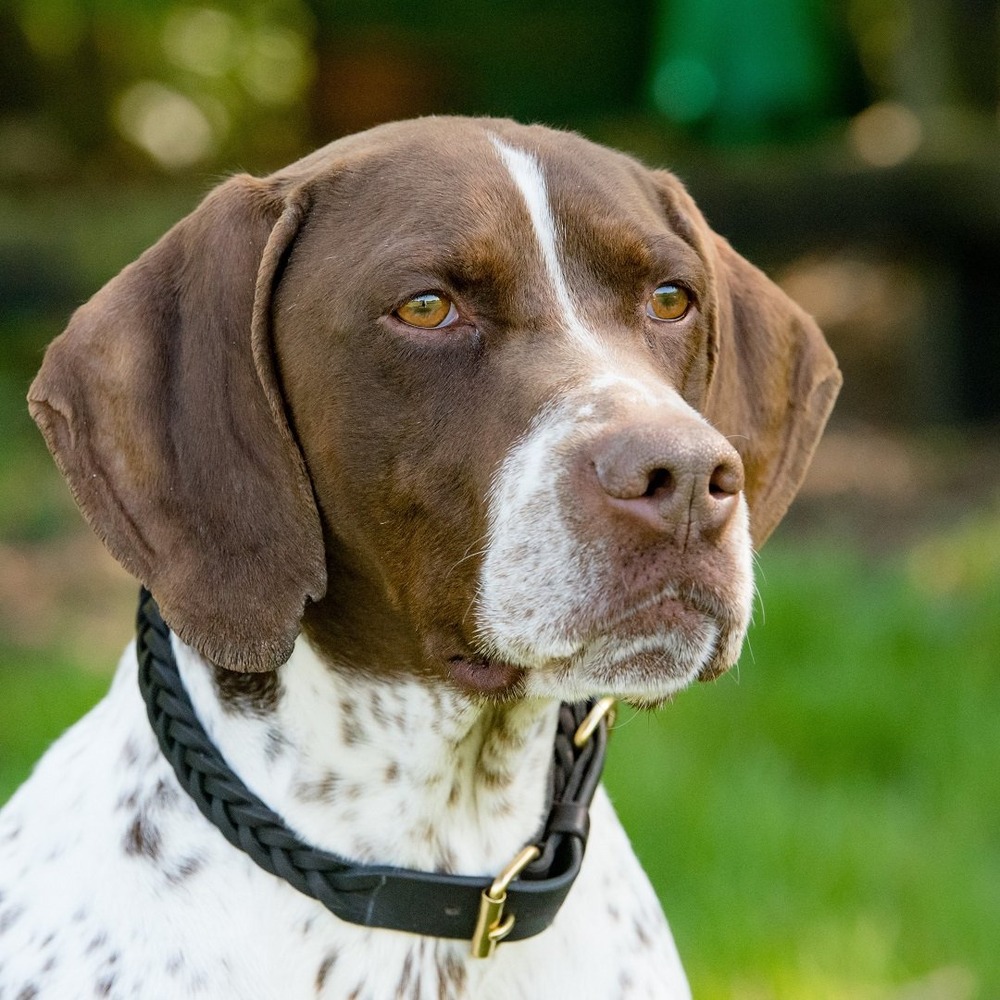
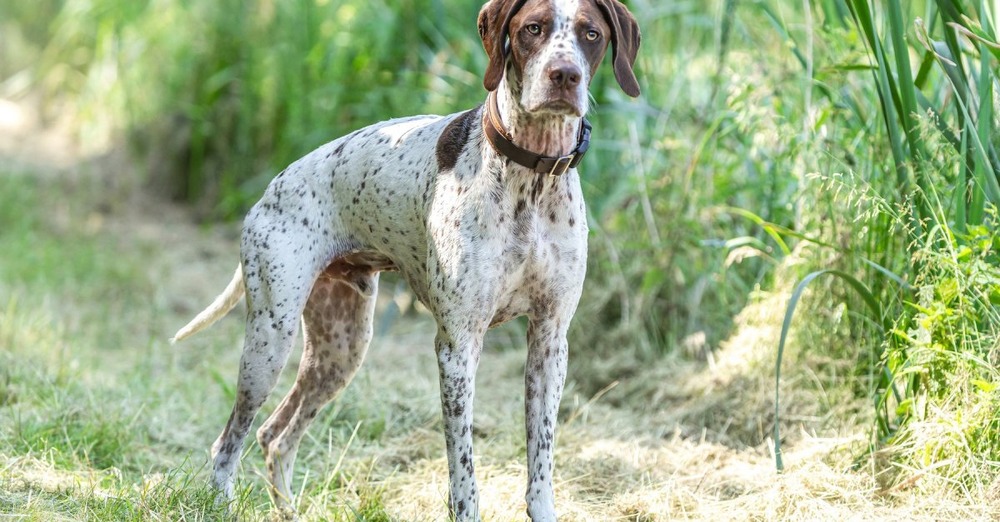
The overall impression is of a practical athlete: balanced, capable of sustained movement, and built to cover ground efficiently. The two types differ most obviously in size, with the Pyrénées type generally more compact and the Gascogne type taller and more substantial.1
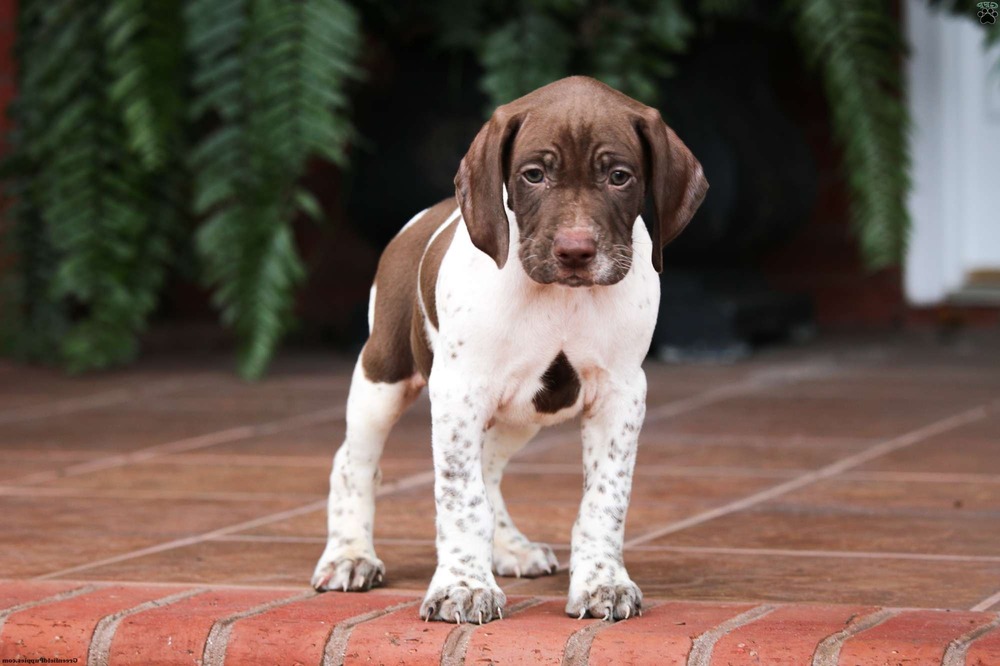
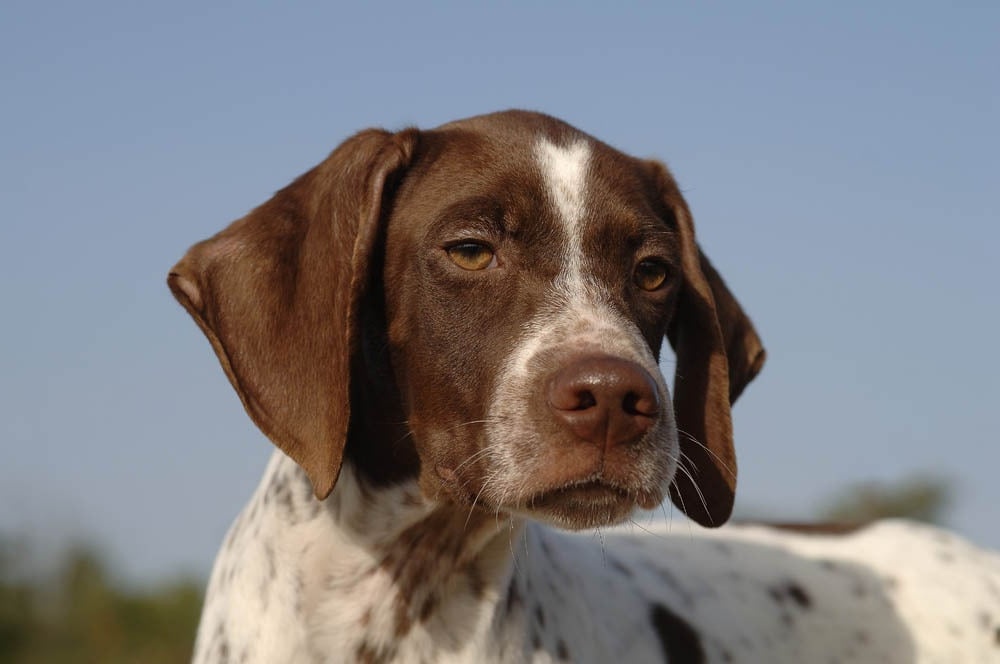
Coats are typically short. Colour patterns are commonly chestnut brown, either solid or combined with white, sometimes with ticking or roaning, depending on the individual and type described in standards and breed overviews.1
Those soft, drop ears are part of the classic pointer look. They also mean you need to pay a little extra attention to ear health, especially after swimming, bathing, or long days in long grass.
Temperament and behaviour in daily life
A well-bred, well-raised Braque Français often comes across as friendly, biddable, and alert. It is not usually a dog that needs to fill every moment with noise. Where people can come unstuck is confusing calmness indoors with low needs overall. Many individuals settle beautifully in the house once they have had enough structured activity.
Because these dogs were shaped for cooperative work, they often do best with handlers who enjoy training as an everyday habit, not a one-off puppy class. The goal is a dog that understands what pays off, what the boundaries are, and how to relax when nothing is happening.
With children and other pets, outcomes tend to be best when introductions are thoughtful and ongoing, and when the dog has appropriate outlets for chase instincts and excitement. Early socialisation helps, but so does sensible management as the dog grows and gains confidence.
Training and exercise needs
For this breed, training is not just about manners. It is one of the most reliable ways to give the dog mental work, build recall, and create that steady “working together” feeling that pointers are known for.
The most useful approach is typically reward-based training, using positive reinforcement and avoiding harsh, punitive techniques. This style of training is strongly supported by Australian animal welfare guidance, including clear advice to avoid aversive tools and methods that rely on pain, coercion, or intimidation.4, 5
Exercise needs are high. Many adults will want a decent daily run or hike, plus time to sniff and explore. If you only ever do brisk lead walks, you may end up living with a dog that looks fine on paper but feels chronically underdone in real life.
- Physical outlets: running, bush walks, retrieving games, swimming (with ear care afterwards)
- Mental outlets: scent games, short training sessions, food puzzles, basic field-style cues (steady, recall, leave it)
- Life skills: settling on a mat, calm greetings, being comfortable alone in short doses
Health considerations and lifespan
No breed is “health-proof”. For active, medium to large athletic dogs, it is sensible to think about joints, body condition, and the kind of repetitive impact they do across a week. Hip dysplasia is a recognised orthopaedic condition in dogs, influenced by genetics and other factors, and it can lead to pain and degenerative joint changes over time.7
Those drop ears can also set some dogs up for ear canal problems, particularly if moisture, wax, debris, or underlying skin allergies come into play. Otitis externa is a common issue in dogs, and recurrence is more likely if the underlying cause is not identified and addressed.8
Practical prevention is mostly plain, regular care: keep your dog lean, build fitness gradually, and treat ear irritation early rather than waiting for a full-blown infection.
Grooming and general maintenance
The coat is usually straightforward. A weekly brush is often enough to remove loose hair and check the skin for grass seeds, burrs, and ticks after outdoor time. In shedding seasons, you may simply brush more often.
Maintenance is less about haircuts and more about the little routines that protect an active dog: nails kept short for traction, paws checked for abrasions, and ears dried after wet weather or swimming.
Dental care is commonly overlooked until there is bad breath or discomfort. If your dog will tolerate it, gentle tooth brushing is a strong baseline habit, with alternatives like appropriate dental chews used as support, not a full replacement.9
Diet and nutrition
Most Braque Français do best on a complete and balanced diet suited to their age and activity level. If your dog is doing a lot of running, training, or field work, you may need to adjust portions and energy density rather than simply feeding more of the same food.
Nutrition advice online can get noisy quickly. The World Small Animal Veterinary Association (WSAVA) highlights the value of an individual nutrition plan and practical tools for assessing diet, body condition, and feeding choices, ideally with your veterinary team.6
Whatever you choose, watch your dog, not just the label. Weight changes, stool quality, coat condition, and recovery after exercise tell you whether the diet is genuinely working.
Is this breed a good fit?
The Braque Français tends to suit people who like being outside, enjoy training, and appreciate a dog that wants to participate rather than just coexist. It can be a lovely family companion in the right home, but it is rarely happiest as a backyard ornament or a dog that is only exercised on weekends.
Good match: active households, regular hikers or runners, people interested in scent work or field-style training, families who can offer daily structure and calm boundaries.
Harder match: very long workdays with little exercise support, minimal interest in training, or homes where the dog has to cope with chronic boredom.
References
- Braque Français overview (two types, general characteristics)
- FCI breed page: Braque Français, type Gascogne (recognition and standard publication details)
- FCI breed page: Braque Français, type Pyrénées (recognition and standard publication details)
- RSPCA Australia Knowledgebase: reward-based training recommendations
- RSPCA Australia Knowledgebase: what reward-based training is and why it is supported
- WSAVA Global Nutrition Guidelines
- American College of Veterinary Surgeons: Canine hip dysplasia overview
- Merck Veterinary Manual: Otitis externa in dogs (overview and recurrence considerations)
- FOUR PAWS Australia: dental care for dogs and cats (brushing guidance and alternatives)