


Sometimes you only hear about the Braque Saint-Germain after spotting one in the park, hearing the name from a gundog friend, or realising you have met a “pointer type” dog that seems unusually soft-mannered at home and very switched on outdoors. At first glance they look like they belong in a field, all legs and purpose, yet they often settle beautifully once their day makes sense.
It is easy to assume hunting breeds are either intense, hard to live with, or only suited to people who shoot. In practice, many of them cope well in family life when their needs are met, and struggle when they are expected to be low-energy pets. The Braque Saint-Germain sits right in that middle space: a dog bred for work, but often happiest when they are included, trained kindly, and given a job that feels real to them.
If you are considering the breed, or you are already living with one, the details that matter most are not the “fun facts”. They are the day-to-day realities: exercise that is more than a slow lap of the block, training that respects a sensitive temperament, and basic health care that prevents small issues (like ear trouble) becoming a repeating pattern.
At a glance: what the breed is like to live with

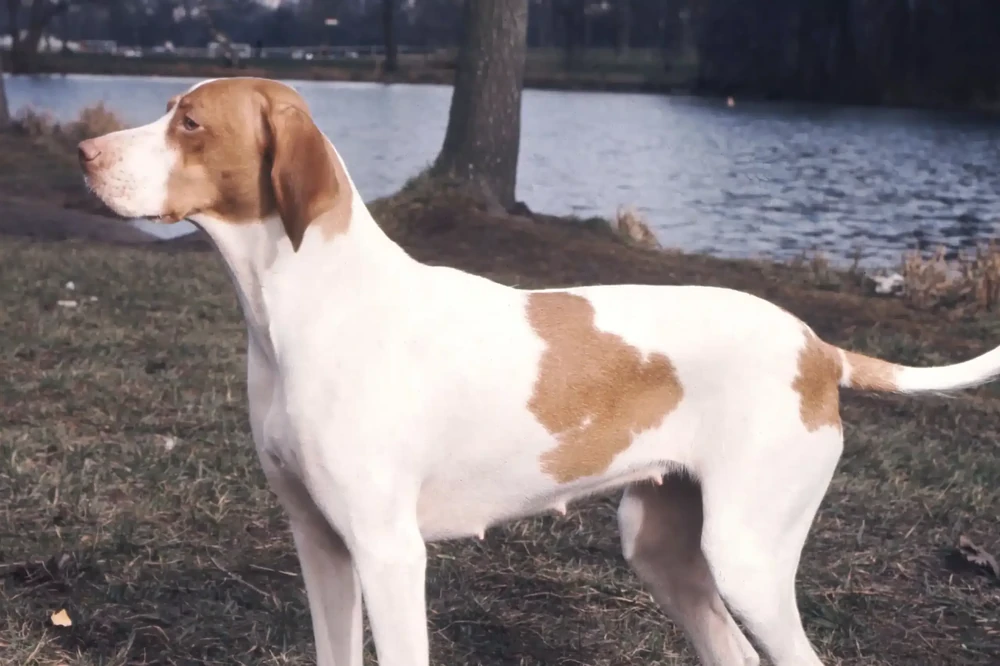
The Braque Saint-Germain is a French pointing dog recognised by the Fédération Cynologique Internationale (FCI) in Group 7 (Pointing Dogs).1 They are typically medium to medium-large, with a short coat, drop ears, and the classic white-and-orange pattern many people associate with pointers.1, 2
In everyday terms, think of a dog that tends to be people-oriented and biddable, with the stamina to do serious outdoor time. They often do best with owners who enjoy training as a relationship, not as a chore, and who can provide routine, space, and variety.
- Best suited to active households, people who hike or run, and those interested in scent work or gundog-style activities
- Less suited to very sedentary homes, long days alone, or small living situations without reliable daily exercise
- Coat care is usually straightforward, but ears and nails still need routine attention
Where the Braque Saint-Germain came from
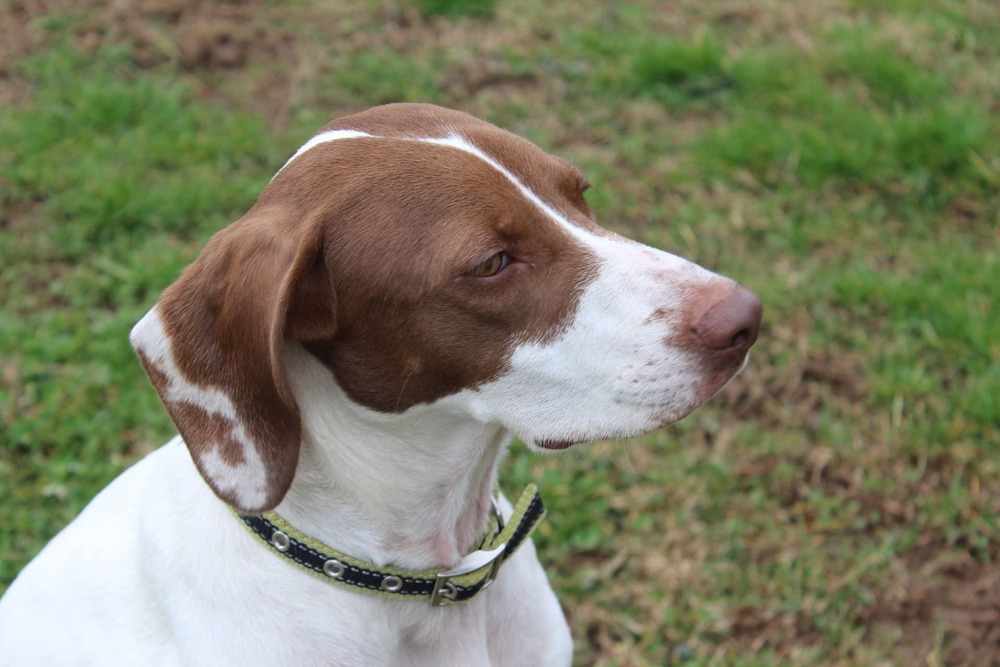
The breed developed in France in the 1800s, with early dogs associated with royal kennels at Compiègne and later with the Saint-Germain-en-Laye area, which gave the breed its name.2, 3 Accounts commonly describe the Braque Saint-Germain as arising from crosses between English pointer types and French pointing dogs, aiming for a capable gun dog with a cooperative nature.2, 3
The FCI accepted the breed on a definitive basis on 16 December 1954, with the current FCI standard published on 1 August 2023 (and posted with an English publication date of 19 September 2023).1 Those dates matter mainly because they confirm the breed’s formal status and where to find the most reliable description of type and temperament.
Temperament and family suitability

Most owners and trainers would recognise the general theme: these dogs tend to be social, responsive, and keen to engage. The FCI material describes a dog that is first and foremost a hunter, but one that appreciates living with people.3, 1 That combination can be a delight when you lean into it, and frustrating when you fight it.
If you have children or other pets, the breed’s success usually comes down to good early socialisation and thoughtful management around arousal and play. Even gentle dogs can become clumsy or over-enthusiastic when under-exercised, and pointing breeds may show interest in fast-moving small animals. It is more helpful to plan for those moments than to assume temperament alone will carry the day.
Training that actually works for this breed
Braque Saint-Germains are often described as intelligent and comparatively easy to train. In practice, they tend to respond best to calm consistency, rewards, and clear expectations. Rushing, repeating cues, or training only when problems appear can leave you with a dog that is technically smart, but not confident about what you want.
Helpful priorities for many households include:
- Recall and check-ins, built gradually around distractions
- Loose lead walking that allows some sniffing without turning every walk into a tug-of-war
- Settling skills (mat work, calm routines), so the dog learns an “off switch” at home
- Structured exposure to new people, dogs, surfaces, noises, and environments while young
If you want a dog that can join you for busy outdoor weekends and still cope with ordinary life, train for the ordinary parts too. Waiting until adolescence to teach calm is where many high-drive sporting dogs come unstuck.
Exercise and enrichment: more than a daily walk
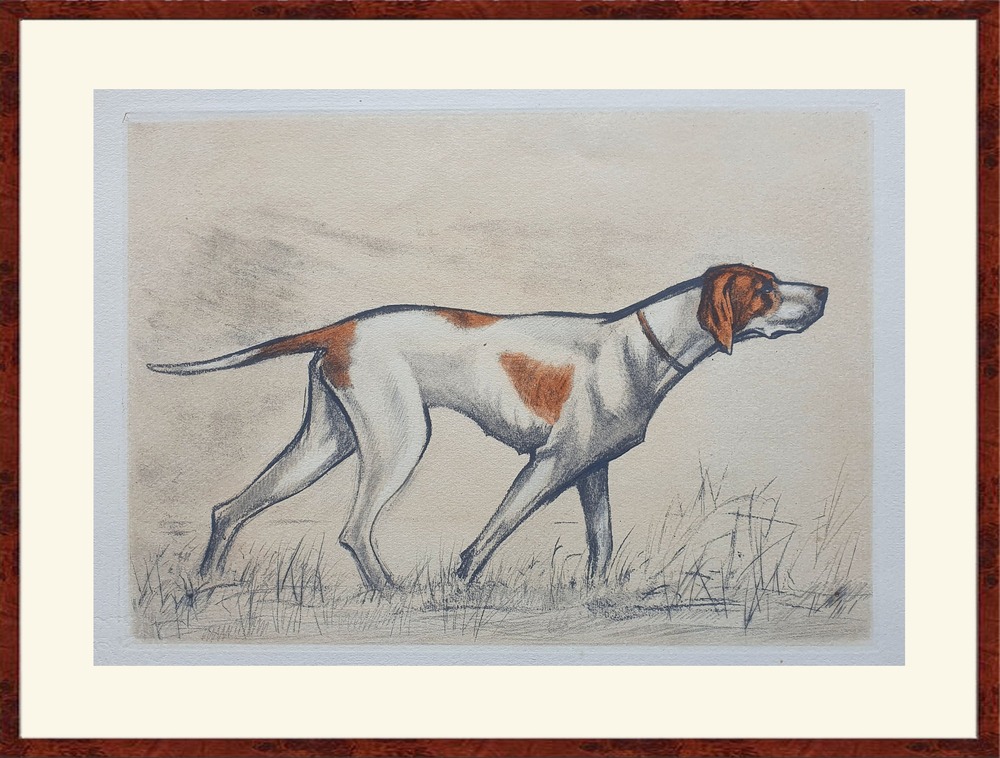
As a pointing dog, the Braque Saint-Germain was developed for covering ground, using scent, and working in partnership with a handler.1 That history shows up in modern life as a need for regular aerobic exercise and a genuine outlet for the nose.
Many individuals thrive on a mix of:
- Brisk walks plus opportunities to sniff and explore
- Off-lead running in safe areas (with reliable recall and local compliance)
- Scent games at home (find-it, scatter feeding, simple tracking lines)
- Obedience, retrieving games, agility foundations, or structured gundog training
When these needs are not met, the “problem behaviours” people describe often look like restlessness, nuisance chewing, and difficulty settling, rather than any inherent bad temperament.
Health patterns to watch, and how owners can help

No single article can replace veterinary advice for an individual dog, but there are a few recurring topics worth keeping in view.
Hip health
Hip dysplasia is a common orthopaedic condition across many breeds, influenced by both genetics and environment, and it can range from mild to life-limiting.4, 5 If you are buying a puppy, ask what hip screening is used by the breeder and what the results were. If you are already an owner, keeping your dog lean and well-muscled is one of the most practical ways to reduce stress on joints over time.5
Ears and recurrent infections
Drop-eared dogs can be more prone to ear problems, especially if they swim, have allergies, or build up wax. Routine ear checks matter more than routine ear cleaning. Cornell’s veterinary guidance notes that healthy ears often only need cleaning when debris is present or after getting wet, and warns against overcleaning or using cotton buds that push material deeper.6 If your dog shows odour, redness, discharge, pain, or persistent head-shaking, it is time for a vet check rather than a home cleaning blitz.6
Practical ear routine for many active dogs: look weekly, clean only when needed, and dry ears well after swims or baths.6
Coat care, nails, and the small jobs that add up
The short coat is generally low maintenance. A quick brush once or twice a week is usually enough to lift dead hair and distribute skin oils, with extra attention during seasonal shedding. The bigger difference-maker is often the boring stuff: nails, ears, teeth, and skin checks after outdoor time.
For many households, a simple rhythm works best:
- Weekly body check (paws, ears, coat, any new lumps or sore spots)
- Nails trimmed often enough that they do not click on hard floors
- Teeth care that is realistic for your home, even if it is not perfect
Feeding and keeping the dog in working condition
Active breeds can fool people into thinking weight gain will never be an issue. It still happens, especially when exercise dips, treats creep up during training, or a dog is desexed and their calorie needs shift. Australian guidance on pet weight management often focuses on prevention because it is easier than reversing the trend once it is established.9
A widely used, vet-supported rule of thumb is to keep treats and extras to no more than 10 percent of daily calories, with the rest coming from a complete and balanced diet.7, 8 If you train a lot, use tiny rewards and count them as food, not as “free”.
If you are unsure what “healthy” looks like on your dog, ask your vet to score their body condition and show you what to feel for over ribs and waist. It takes the guesswork out of feeding adjustments.9, 8
Final thoughts
The Braque Saint-Germain is not a breed most people meet every day, but the needs behind the name are familiar to anyone who has lived with a sporting dog. They tend to flourish with purposeful exercise, gentle training, and a home life where they are included rather than managed at a distance.
If you can offer steady routines, time outdoors, and the patience to build skills properly, they often repay that effort with calm companionship and a satisfying sense of partnership. If you cannot, it is not a failing, it is just a mismatch, and there are plenty of easier-fit breeds for quieter lives.
References
- Fédération Cynologique Internationale (FCI): Braque Saint-Germain (No. 115)
- Royal Canin UK: Braque Saint-Germain breed facts and characteristics
- Wikipedia: Braque Saint-Germain overview
- American Kennel Club: Hip dysplasia in dogs, signs and treatment
- The Kennel Club (UK): Hip dysplasia in dogs
- Cornell University College of Veterinary Medicine: How to clean your dog’s ears
- UC Davis School of Veterinary Medicine: Treat guidelines for dogs (10 percent rule)
- American Animal Hospital Association (AAHA): Nutrition and weight management guidelines (treats less than or equal to 10 percent)
- RSPCA Australia: Ways to avoid obesity in your dog