

You usually meet the Briquet Griffon Vendéen in a fairly ordinary way: a photo of a shaggy, bearded hound, a mention from a hunting friend, or a breeder’s listing that reads like a checklist of “active, independent, needs space”. Then the questions start. Is it just a scruffy-looking scent hound, or is there something particular about how it lives with people?
With this breed, the details matter. The Briquet was shaped for rough country and long days on the move, which means its coat, voice, and stamina are not decorative features. They are working traits that still show up in pet homes. If you expect an easy, low-key companion, you can end up frustrated. If you enjoy training, outdoor time, and a dog that thinks for itself, it can make a lot of sense.
Below is a grounded look at what the Briquet Griffon Vendéen is like to live with, where it came from, and how to support the parts of the breed that are most likely to trip people up.
At a glance: Briquet Griffon Vendéen basics
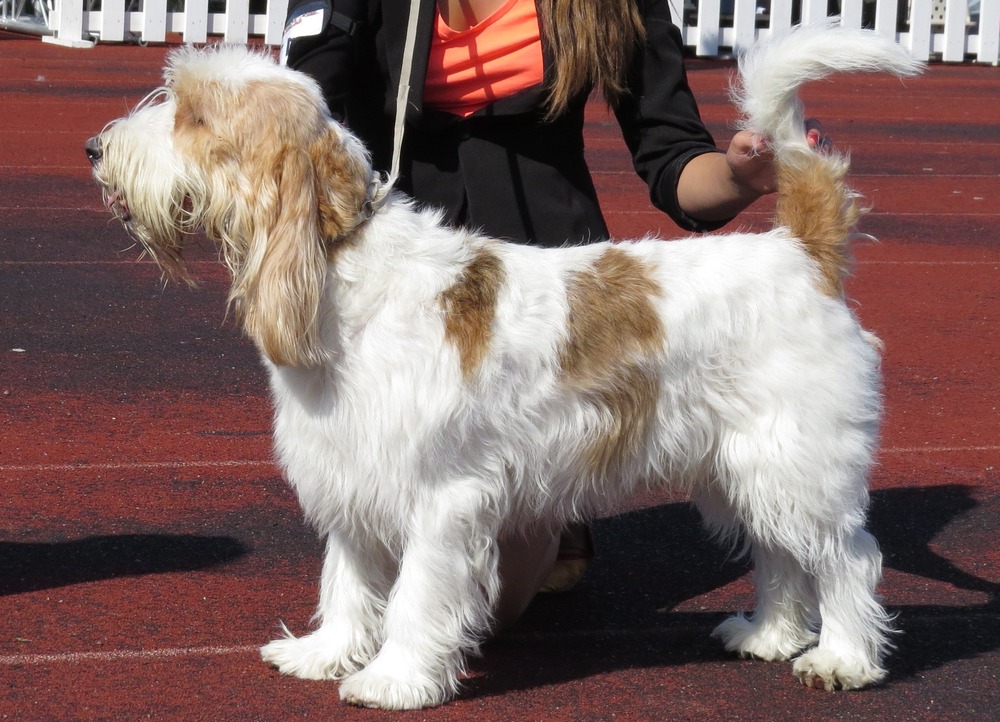
- Group: Scent hound (FCI Group 6)
- Origin: France
- Height: Males 50 to 55 cm, females 48 to 53 cm (with small tolerance)1
- Coat: Rough, fairly long with undercoat
- Typical lifespan: Often around 12 to 14 years (varies with genetics, lifestyle, and general health)
- Overall feel: busy, scent-driven, and social with people, often independent in decision-making
History and origin
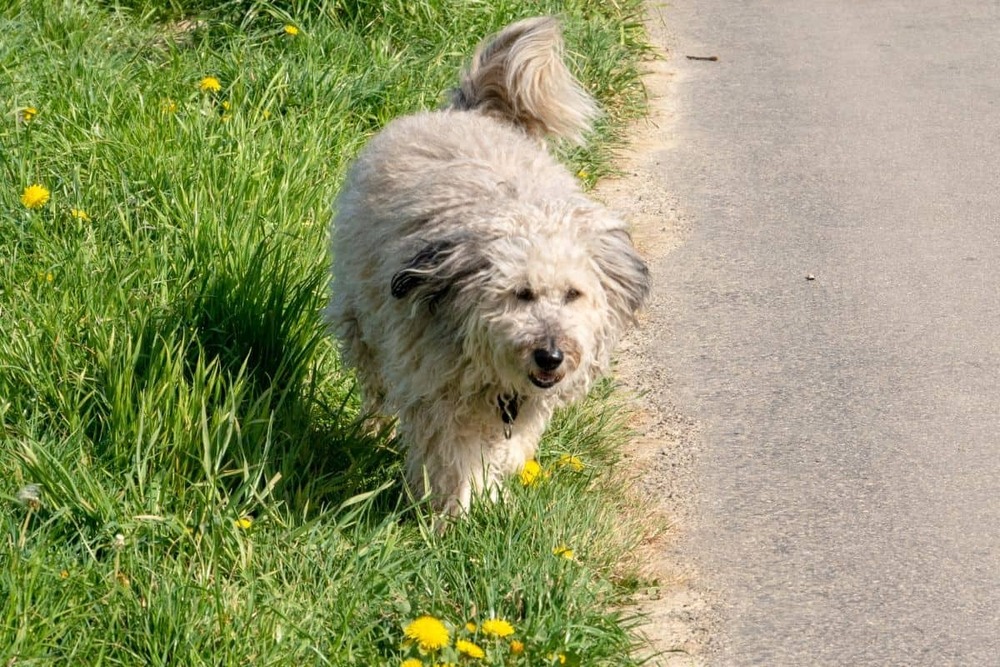
The Briquet Griffon Vendéen comes from France’s Vendée region and sits in the middle of the Vendéen hound family in both size and purpose. The word “briquet” means medium-sized, which is unusually literal for a breed name, and it points to the intention behind the dog: a hound that could hunt with drive, while being easier to manage than the larger Vendéen types.2
In the official French club standard, the breed is described as a medium-sized griffon, determined, robust, and inclined to take initiative. It is also described as a scenthound used for hunting a range of game, including hare and fox, and in some contexts larger game as well.2
If you are wondering about “recognition” dates, it depends on which body you mean. The FCI lists the breed as definitively accepted in 1954, with the published standard dated later (1999, published 2000 on the FCI page).1 In the United Kennel Club (UKC), it was recognised on 1 January 1996.3
Physical characteristics that show up in daily life
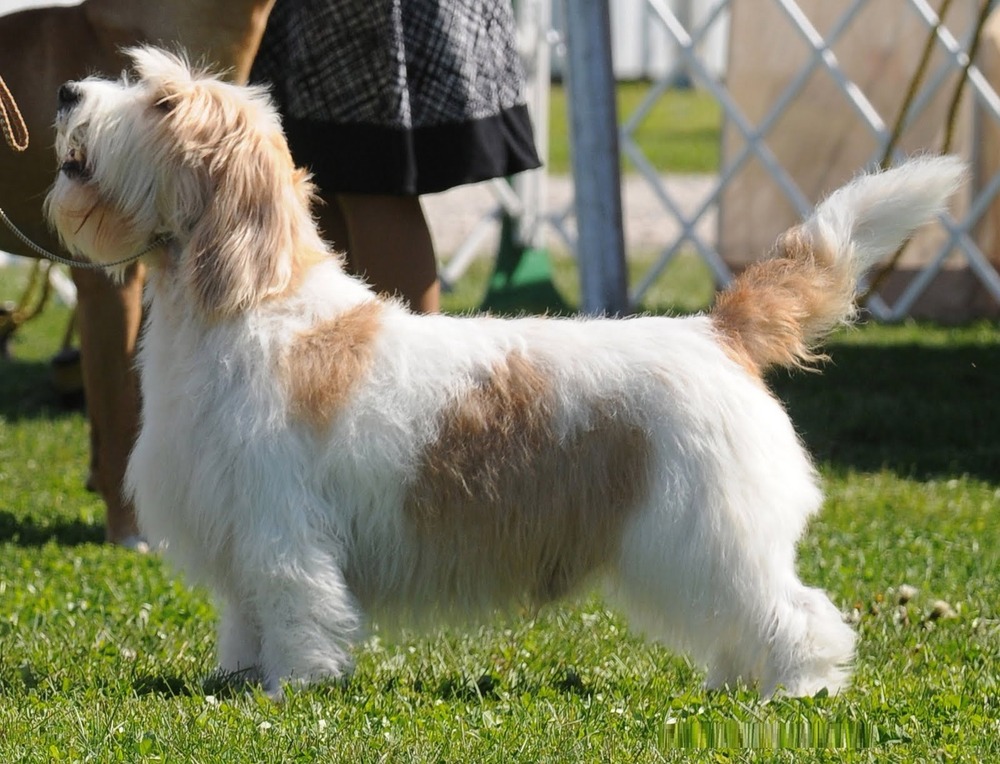
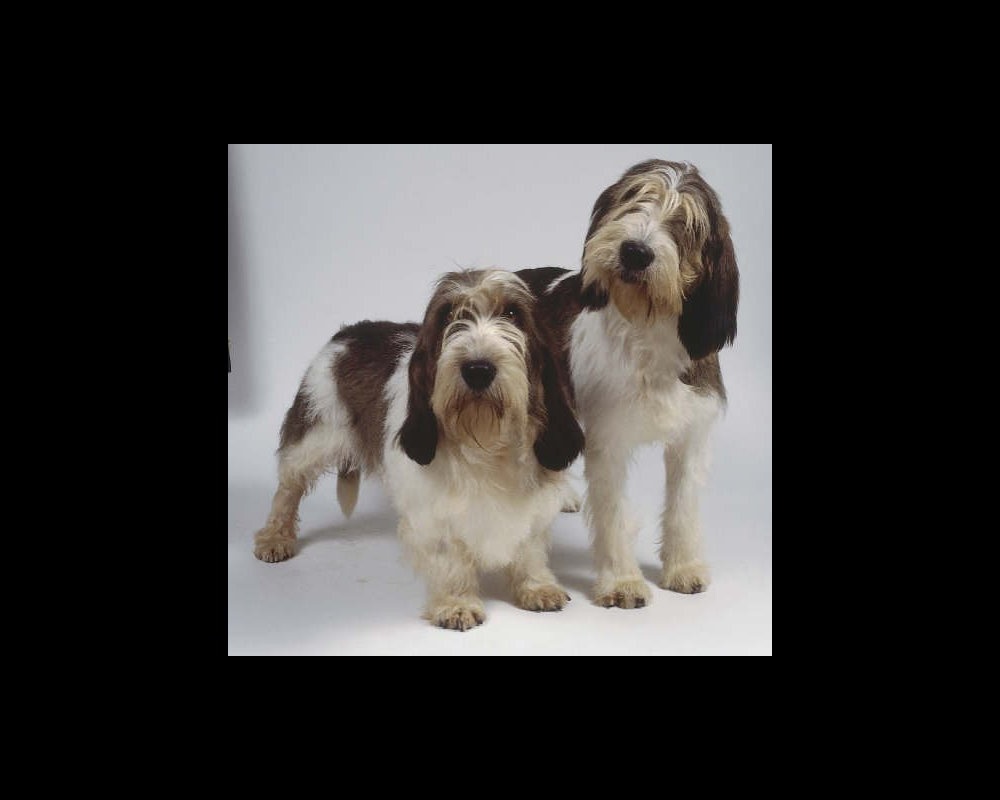
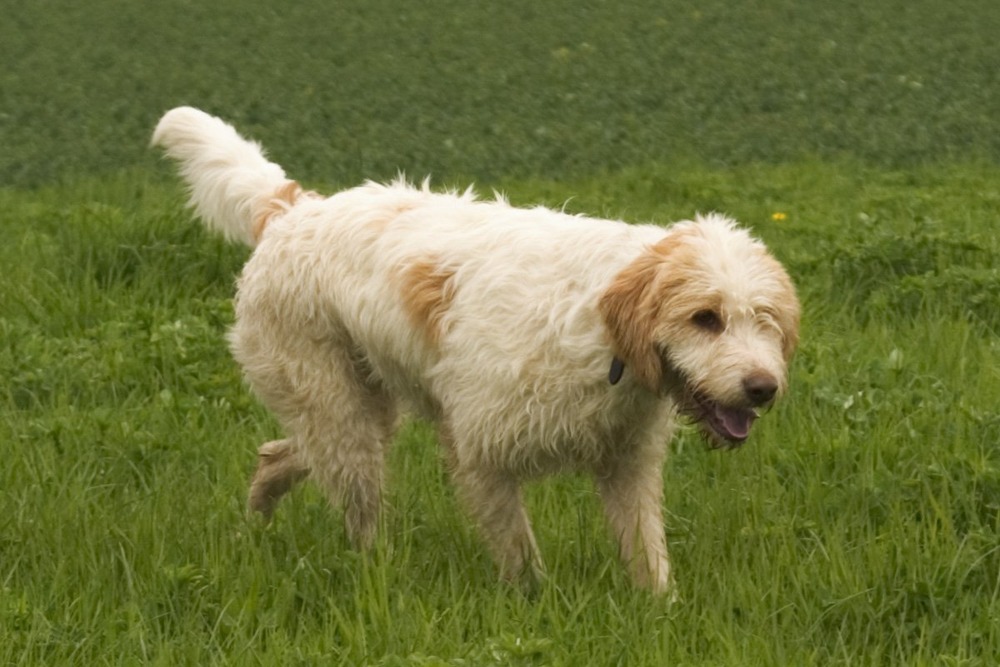
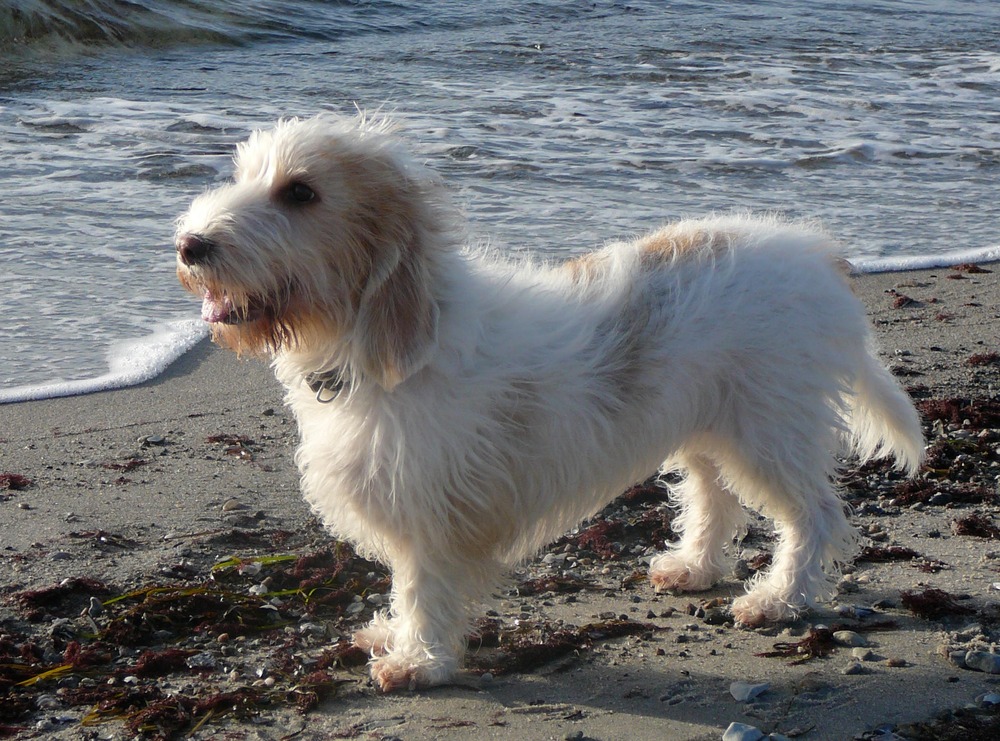
People notice the coat first: rough, slightly untidy, and practical. It is designed to cope with brambles and bad weather, not to sit perfectly flat. That means it tends to pick up burrs, seeds, and bits of vegetation after a run through long grass. Regular brushing is less about “beauty” and more about keeping the coat functional.
The breed standard calls for a fairly long, harsh coat with undercoat, plus pronounced eyebrows that should not cover the eyes. The ears are fine, narrow, and carried low, with longer hair, and they do not reach the end of the muzzle.2
In motion, a healthy Briquet looks active and efficient rather than flashy. The build is made for covering ground and keeping going, which is worth remembering when you are deciding whether your household rhythm matches the dog’s natural pace.
Temperament and behaviour
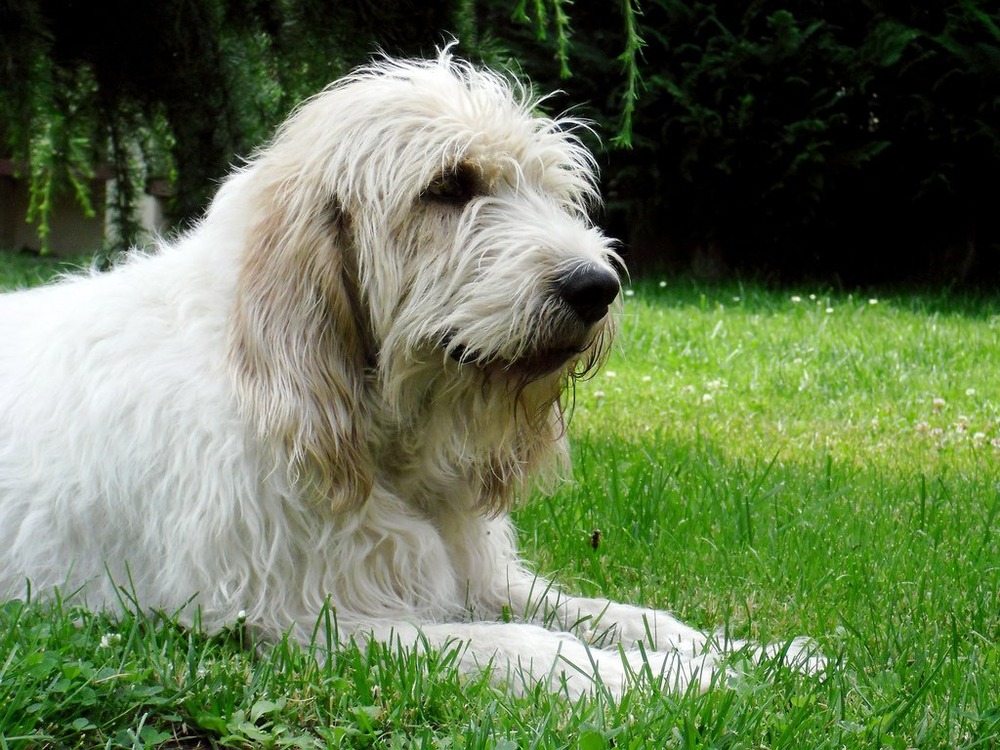
With the Briquet, independence is not a training failure. It is part of the job description. The French standard explicitly notes initiative and describes a passionate hunter who may need the handler to insist on obedience.2 In a pet home, this often shows up as a dog that can be affectionate and social, while also being very committed to whatever scent story is happening in the grass.
Many owners find the breed lively and engaging, particularly when it has a good outlet for sniffing, moving, and problem-solving. If those needs are unmet, the same dog can look “naughty” when it is actually just under-stimulated and doing what scenthounds do best.
With children and visitors, the key is sensible management rather than assuming any breed is automatically safe. The Briquet is often described as able to live well in a family setting, but supervision and boundaries still matter, especially around high arousal play and food.
Training and exercise needs
Training tends to go best when it is built around cooperation, not confrontation. Reward-based methods are widely recommended by animal welfare organisations because they support learning without relying on intimidation or pain, and they are generally easier for owners to apply consistently in real life.4
For a scenthound, the most useful skills are often the least glamorous ones: a reliable recall or emergency cue, a comfortable harness and lead routine, calm greetings, and the ability to settle after activity. Short sessions, clear rewards, and repetition usually outperform long drills.
Exercise needs are high, but it is not only about kilometres. It helps to think in two streams:
- Physical movement: daily walks, varied terrain, and space to trot and explore.
- Brain work: sniffing time, simple scent games, tracking-style activities, and training that taps into natural skills.
Most dogs benefit from daily exercise and play opportunities, and structured activity can also reduce the chance of boredom-related behaviours.4 For the Briquet, that principle tends to be very obvious.
Health and lifespan
No breed is free of health risk, and with medium to larger, active dogs, joint issues are a common worry. Canine hip dysplasia, for example, involves looseness in the hip joint during growth and can lead to pain and progressive joint changes over time. Genetics is a major risk factor, and body weight and growth rate can influence how the condition plays out.5
Long, floppy ears are another practical consideration. Ears that fold over can trap moisture and debris, which can increase the chance of otitis externa (outer ear inflammation) in some dogs. Routine checks, keeping ears dry after swims, and addressing early redness or odour can prevent small problems becoming ongoing ones.6
Rather than trying to predict every possible issue, the most useful approach is steady preventative care: appropriate exercise, dental care, parasite prevention, and a relationship with a vet who will help you track weight and mobility as the dog ages.
Grooming and maintenance
The Briquet’s coat is rough and protective, and it usually does best with regular brushing to remove dirt and prevent tangles from tightening into mats. The goal is not a silky finish. It is a clean, comfortable working coat that still does its job when the dog runs through scrub.
After bush walks, it is worth checking:
- ears for seeds and moisture
- feet and between toes for burrs
- coat around armpits and groin where mats can start
Bathing can be occasional, depending on lifestyle. Too much washing can soften harsh coats in some breeds, so many owners find that brushing and spot-cleaning between baths keeps the coat in better condition.
Diet and nutrition
For an active hound, nutrition is mostly about consistency and body condition. You are aiming for a dog that is lean enough to move freely, with clear muscle definition for its frame, and without creeping weight gain over time. Veterinary nutrition guidelines emphasise using practical tools like body condition scoring to assess fat stores, and making nutrition part of routine health checks rather than something you only think about when weight has already shifted.7
Choose a complete and balanced diet appropriate for the dog’s life stage, and adjust portions based on the individual dog, not the label alone. Treats can be part of training, but they add up quickly with a clever, food-motivated hound.
If you are considering raw feeding, home-cooked diets, or supplements for joints, it is worth discussing the plan with your vet first. The internet is full of confident claims, and many are not tailored to an individual dog’s needs.
Living with a Briquet: what tends to suit them best
The Briquet Griffon Vendéen often fits best with people who enjoy training as an ongoing practice and who can provide daily activity that includes real sniffing time. They are typically not ideal for households wanting a quiet, low-exercise dog.
Homes that tend to work well include those with:
- secure fencing, because scent hounds can follow a trail further than you expect
- regular, varied exercise rather than the same short loop every day
- an interest in dog sports that suit scenthounds, such as tracking or scent work
None of this is about perfection. It is about matching the dog’s instincts to a life where those instincts are guided, not constantly blocked.
Final thoughts
The Briquet Griffon Vendéen is a working-minded hound in a companion-sized package. If you like a dog with opinions, energy, and a nose that is always switched on, it can be deeply rewarding. The best outcomes usually come from accepting what the breed is built to do, then shaping that drive into everyday routines that feel safe and enjoyable for both dog and humans.
References
- Fédération Cynologique Internationale (FCI): Briquet Griffon Vendéen (No. 19)
- Club du Griffon Vendéen: Breed standard for the Briquet Griffon Vendéen
- United Kennel Club (UKC): Briquet Griffon Vendéen breed standard and recognition date
- RSPCA Pet Insurance Australia: Essential dog care information (exercise and reward-based training)
- American College of Veterinary Surgeons (ACVS): Canine Hip Dysplasia overview
- VCA Hospitals: Ear infections in dogs (otitis externa)
- World Small Animal Veterinary Association (WSAVA): Global Nutrition Guidelines
- American College of Veterinary Surgeons (ACVS): Canine Hip Dysplasia (diagnosis and treatment options)
- Wikipedia: Briquet Griffon Vendéen (general breed overview, cross-check only)