

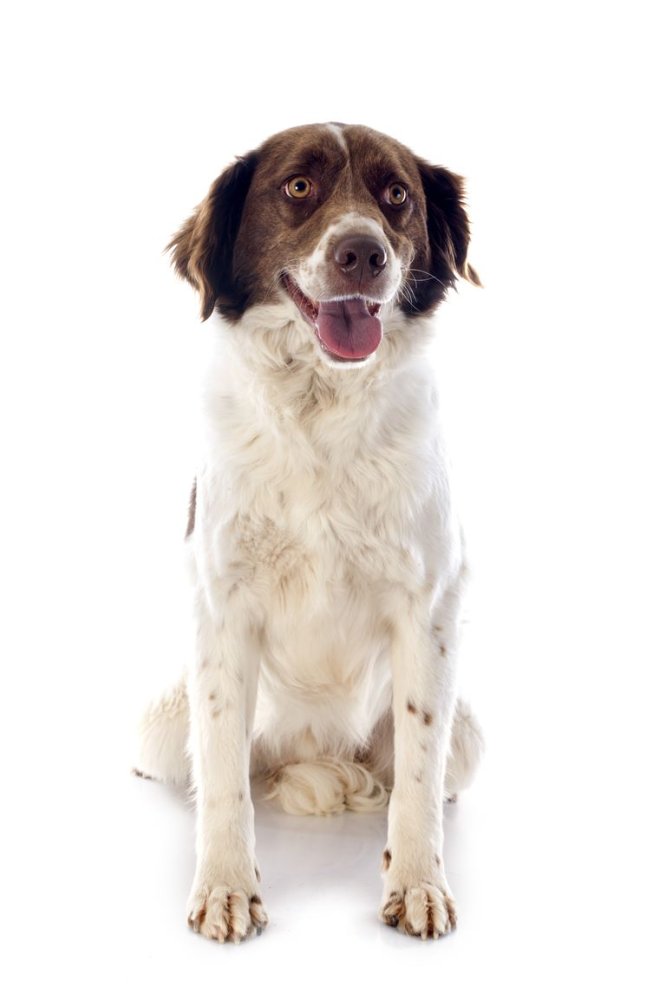
People often meet a Brittany because one turns up at the park, attached to a runner, eyes bright, working every scent trail like it matters. Or a friend mentions they are “getting a spaniel” and the dog they bring home is not quite what anyone expected, smaller than a setter, sharper in the field than the name suggests, and noticeably energetic indoors.
It is easy to assume a Brittany will settle if it gets “a walk” each day. In practice, this breed tends to do best when there is both movement and purpose, time to sniff, train, retrieve, and think. When those needs are met, Brittanys can be affectionate, steady companions. When they are not, the dog often finds its own outlets, sometimes in ways people do not love.
Understanding where Brittanys come from, and what their bodies and brains were shaped to do, makes day to day life simpler. It helps you choose the right dog for your household, and it helps a Brittany feel more like a joy than a project.
At a glance: what a Brittany is like to live with

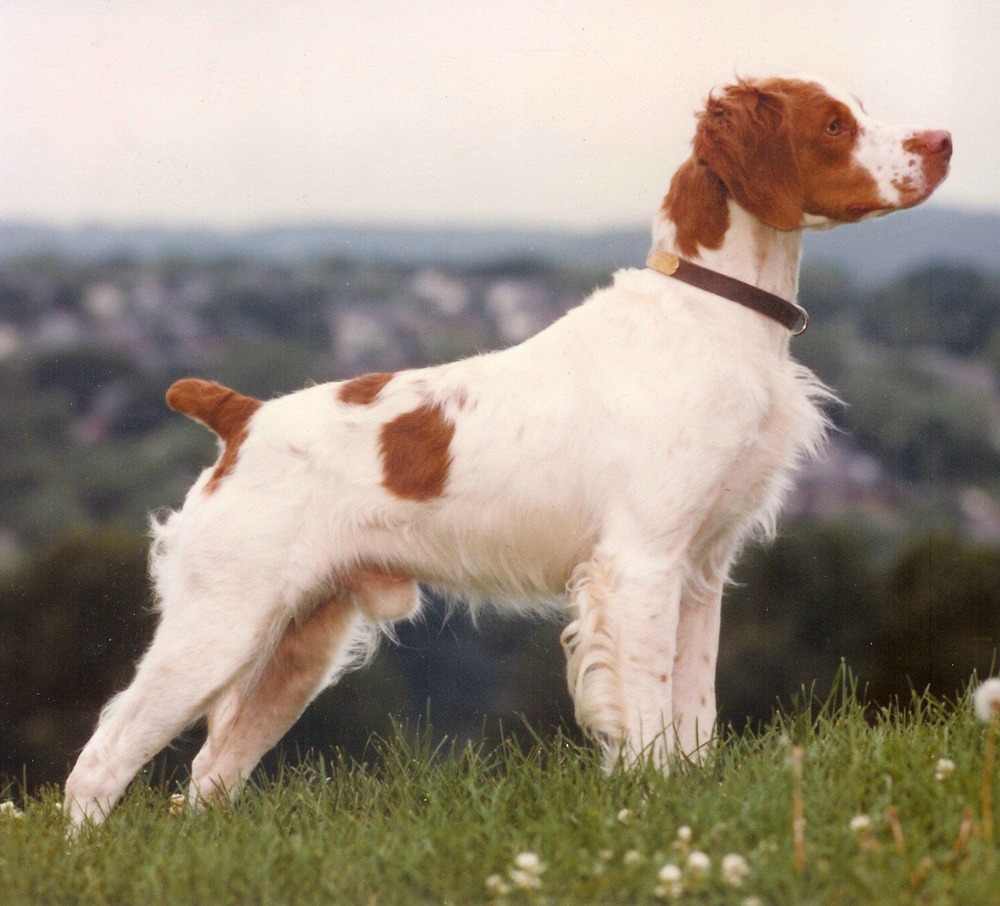
The Brittany (often called the Brittany Spaniel in everyday conversation) is a compact gundog originally developed for bird work. Breed standards describe a medium-sized, athletic dog with a dense coat and a tail that may be naturally short or docked.1, 2
- Size: typically about 47 to 51 cm at the shoulder (depending on sex and line).2
- Energy: generally high, thrives with daily exercise plus training or enrichment.
- Temperament: commonly social and responsive, often does well with reward-based training.
- Coat: dense, flat to slightly wavy, with moderate grooming needs.2
One small but important note, “spaniel” in the name can mislead people into expecting a lower-drive, purely companion style dog. Many Brittanys have strong hunting instincts and a lot of stamina, even if you never plan to hunt with them.
Origins and working background

Brittanys were developed in France as practical bird dogs, valued for their ability to find game, point, and work close enough to stay connected to the handler. Modern breed standards still reflect that purpose: the body is built for efficient movement, and the coat is meant to protect without being overly heavy.2, 3
That background shows up in everyday life. A Brittany that seems “busy” on walks is often doing what it was designed to do, scanning, scenting, adjusting pace, and checking in. It is not disobedience by default. It is information-gathering.
If you enjoy hiking, camping, trail running, or training games in the backyard, a Brittany often slots neatly into that rhythm. If you prefer a quiet dog who is content with short strolls and long naps, it is worth being honest about the mismatch before it becomes stressful for everyone.
Personality, children, and other pets

Many Brittanys are friendly, people-oriented dogs who enjoy being part of household routines. They often train well because they notice their humans and tend to respond to feedback, especially when training is calm and reward-based.4
With children, the usual success factors apply. The dog needs space to rest, kids need guidance about handling and noise, and play should be supervised so excitement does not spill over into nipping or accidental knocks. Brittanys can be bouncy, particularly as adolescents, so management matters as much as temperament.
With other pets, early socialisation helps, but instincts still count. Some Brittanys live happily with cats. Others find fast-moving small animals hard to ignore. If you have smaller pets, plan for secure separation zones and slow introductions, rather than relying on goodwill.
Training and exercise that actually works for this breed
Brittanys usually do best when exercise is not just distance. They need chances to move, but also to use their nose and brain. The RSPCA highlights the value of enrichment, including sniffing opportunities, play, and varied activities that prevent boredom.5
Reward-based training is a good fit for this type of sensitive, responsive dog. It builds confidence and helps you shape reliable habits without turning training into a contest.4
Practical ideas that suit many Brittanys:
- Sniff walks, where the goal is exploring rather than marching a set route.5
- Short training sessions (recall, leave it, loose lead walking), repeated more often rather than running one long drill.
- Retrieving games with rules (wait, release cue, bring to hand), so arousal stays manageable.
- Food-based enrichment used thoughtfully, so calories do not creep up over time.5
If you are raising a puppy, be cautious with repetitive high-impact exercise. The RSPCA advises avoiding forced exercise like long runs or excessive fetch for young dogs, and introducing activity gradually.6
Health considerations to know upfront
No breed is immune to health issues, and Brittanys are no exception. Two topics that commonly come up are hips and seizures.
Hip dysplasia is partly genetic, and environment can influence how it shows up across a dog’s life. It involves an abnormal fit of the hip joint that can contribute to arthritis and pain.7
Epilepsy is also reported in the breed, and it is one reason it is worth choosing a breeder (or rescue) who is transparent about health history and support. If a dog has a seizure, treat it as a veterinary issue rather than a one-off odd event.
Brittanys also tend to be active in warm weather because they are keen to be out. That is where sensible limits help. Heat stress can escalate quickly, and warning signs include heavy panting, drooling, vomiting, weakness, tremors, seizures, or collapse. Seek veterinary help immediately if you suspect heatstroke.8
Grooming, coat care, and the overlooked bits
The Brittany coat is typically dense and either flat or slightly wavy, with feathering on the legs. In day to day terms, that usually means regular brushing to lift out loose hair and to check for grass seeds, burrs, and little tangles after outdoor time.2
Pay extra attention to:
- Ears: floppy ears can hold moisture and debris. Check them routinely, especially after swimming or running through long grass.
- Paws and coat fringes: watch for grass seeds and small knots.
- Nails: active dogs still often need trims, particularly if they run mostly on softer ground.
Bathing is usually occasional, not constant. Most Brittanys do better with brushing and spot-cleaning unless they have rolled in something memorable.
Food and feeding: less about “best”, more about “appropriate”
Brittanys burn a lot of energy, but that does not automatically mean they need huge portions. Many owners get caught by a simple pattern: more activity, more treats for training, and suddenly weight creeps on.
The WSAVA Global Nutrition Guidelines caution that ingredient lists can be misleading, and encourage owners to focus on whether a diet is complete and balanced for the dog, backed by appropriate expertise and quality control, rather than choosing on marketing cues alone.9
If you are unsure, make it a practical conversation with your vet: body condition, stool quality, skin and coat, and energy levels are often more informative than brand debates. Keep treats as part of a daily budget, particularly if you do a lot of training.
Is a Brittany right for your home?
A Brittany is often a wonderful match for people who like doing things with their dog, not just owning one. They tend to shine when they have regular outdoor time, consistent training, and opportunities to use their nose.
They can be trickier in homes where:
- exercise is irregular or limited to a quick lead walk
- there is little time for training and enrichment
- people want a dog that is naturally calm for long stretches without help
If you are deciding between breeds, it can help to meet adult Brittanys, not just puppies. Puppies are charming across the board. Adults show you the real pace of life.
References
- The American Brittany Club: Brittany Breed Standard
- The Kennel Club (UK): Brittany Breed Standard
- The American Brittany Club: About the Brittany
- RSPCA Knowledgebase: Advice on caring for my dog (reward-based training and exercise)
- RSPCA Australia: The importance of enrichment for dogs
- RSPCA Pet Insurance: Safely exercise your dog or puppy
- Australian Association of Mathematics and Computer Science in Victoria (AMCV): Hip Dysplasia
- RSPCA Pet Insurance: Heatstroke (hyperthermia) guide for cats and dogs
- WSAVA: Global Nutrition Guidelines