

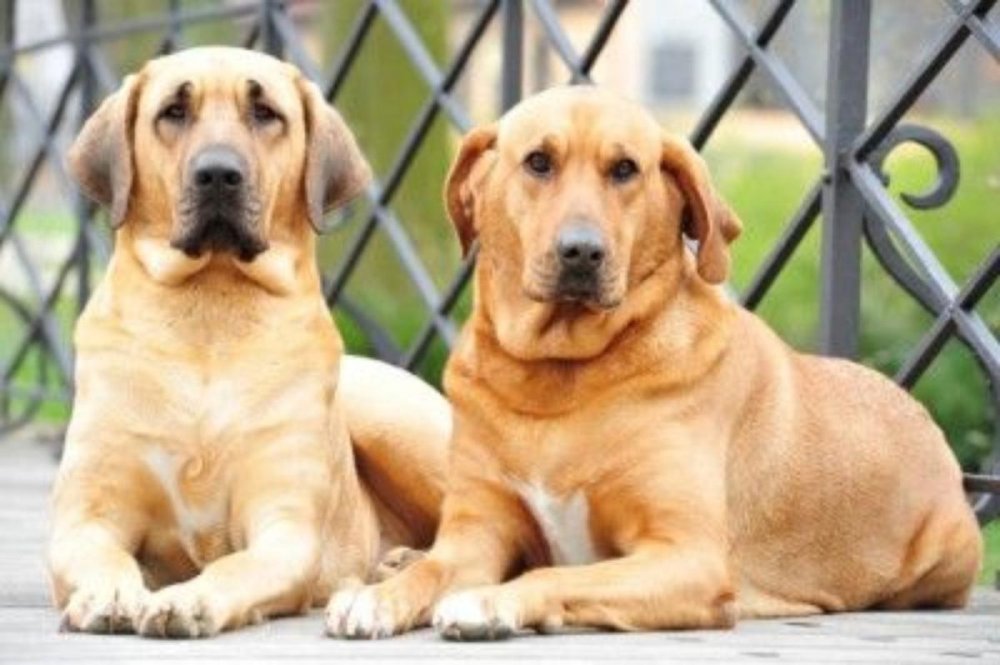
People often first notice the Broholmer in a photo and think, “That looks like a mastiff, but somehow softer.” Or they meet one in person and are surprised by how quietly such a big dog can move through a space, taking everything in without fuss.
It is easy to assume that a large guarding breed will be intense, hard to handle, or restless without constant work. With the Broholmer, the picture is usually more measured. When they are well bred, well raised, and well managed, they tend to be steady dogs, the sort that can settle near the family and still keep an eye on what is happening around the home.
That balance is also where the practical questions begin. A calm giant still needs room, thoughtful training, and health planning. Understanding the breed’s background and physical needs helps you decide whether a Broholmer suits your life, rather than just your imagination.
Broholmer at a glance
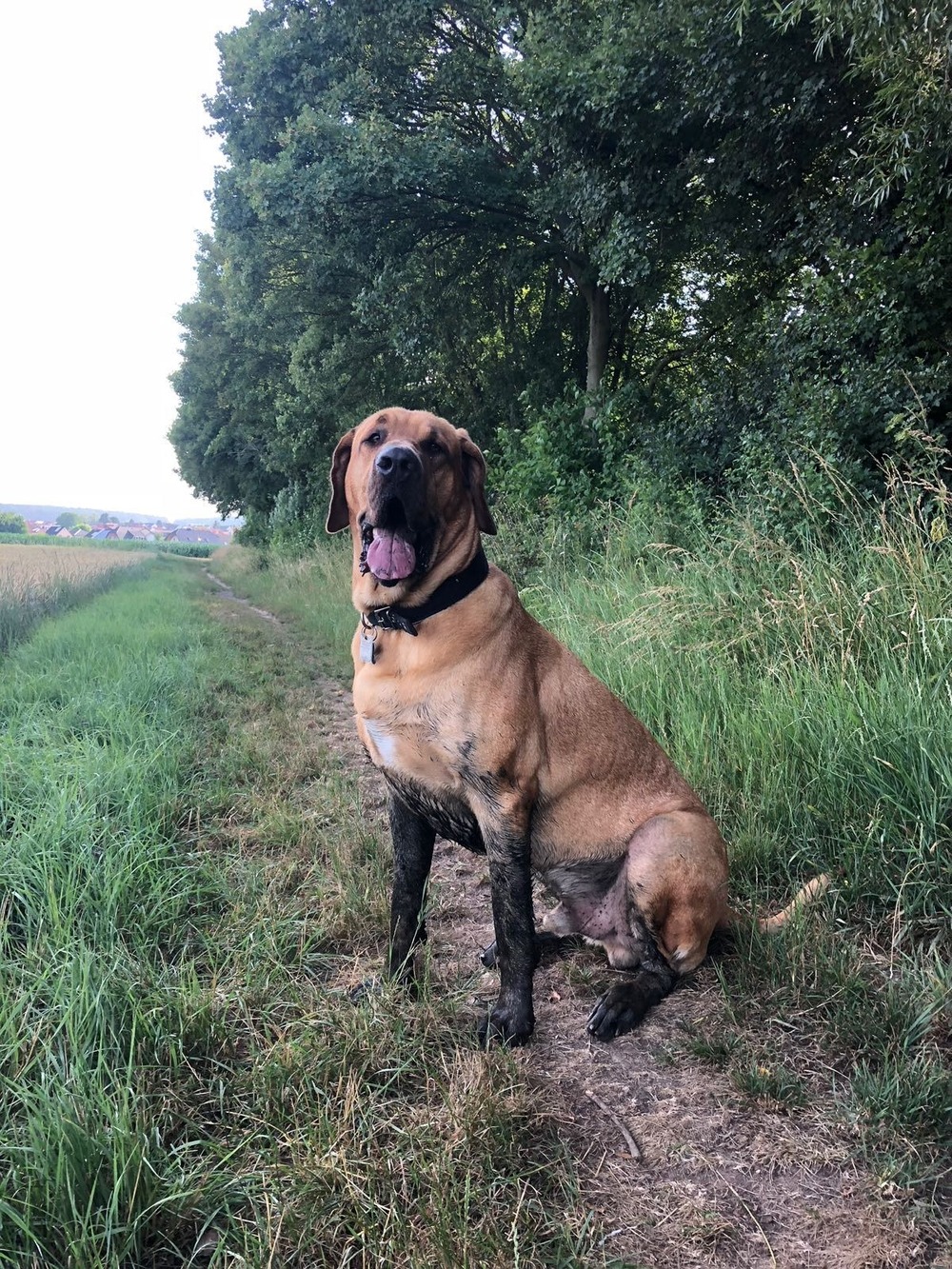
The Broholmer is a Danish molosser type breed developed for farm and estate guarding, and historically used in hunting before becoming more associated with property protection and companionship.1, 2
- Origin: Denmark2
- Build: Large, rectangular, heavy-boned, short dense coat2, 3
- Typical height: Around 75 cm males and 70 cm females (breed standards vary slightly by organisation)2, 3
- Typical weight: Often roughly 40 to 70 kg depending on sex and condition3
- Temperament: Commonly described as calm, balanced, friendly, and alert1, 2
- Life expectancy: Commonly cited around 7 to 12 years, with variation by line and overall health management1, 6
A Danish breed with a modern revival
Breed histories can sound like folklore, but with the Broholmer there is a clear theme that shows up across reputable sources: it is an old Danish type that became rare, then was rebuilt through organised effort in the 20th century.1, 2
The Fédération Cynologique Internationale (FCI) lists Denmark as the country of origin and places the Broholmer in Group 2 (Pinscher and Schnauzer, Molossoid breeds, and Swiss Mountain and Cattle Dogs).2 You will also see the breed described as a companion and guard dog today, which reflects how most people actually live with them now.1
It is worth holding two ideas at once: the Broholmer’s reputation for steadiness is part of its appeal, and that steadiness is usually supported by good breeding and careful raising, not guaranteed by size or history alone.1, 4
Temperament in day to day life
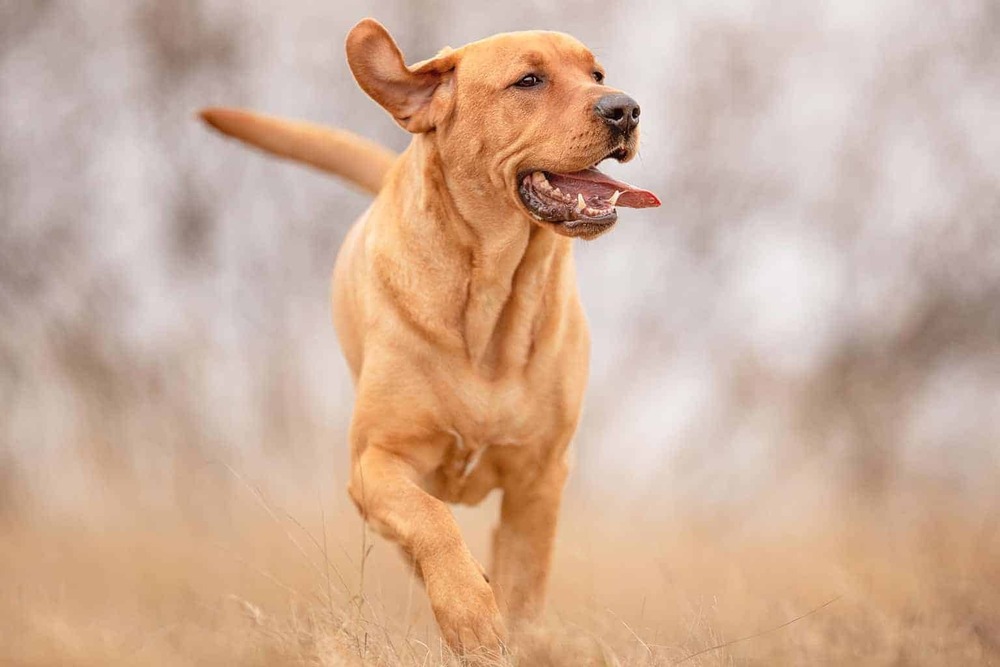
People are often drawn to the idea of a “gentle giant”. With the Broholmer, the gentleness usually looks like a dog that is not constantly demanding interaction, and can settle when the household is calm. The “giant” part is more practical: a large dog takes up space, has a strong presence, and needs handling skills that are comfortable and consistent.
Breed descriptions commonly emphasise a dog that is friendly and well-balanced, while still alert, which is what many owners want in a home guardian.1, 2 Alert does not have to mean noisy. Many Broholmers are not habitual barkers, but when they do vocalise it can be deep and carrying.
If you have children or other animals, early social exposure matters more than any single temperament label. A large, calm dog can still knock over a toddler by accident, and a dog that is naturally watchful may need help learning what is normal neighbourhood movement and what is worth responding to.
Training and socialisation, steady rather than strict
Broholmers are often described as intelligent and responsive, but not necessarily “instant obedience” dogs. With a big, slow-maturing breed, progress is often best measured in weeks and months, not days.
Early, low-pressure socialisation is especially valuable for watchful breeds. Think of it as building a library of “ordinary experiences”: visitors, delivery people, other dogs at a distance, different flooring, calm time alone, and routine handling (ears, feet, mouth) that makes vet visits and grooming less stressful later.
For training, reward-based methods and clear routines tend to suit a dog that is expected to live closely with people. Harsh handling often backfires with large guardians because it can create uncertainty, avoidance, or defensive behaviour. If you need help, working with a qualified force-free trainer can make the early months calmer for everyone.4
Exercise and enrichment for a large, slow-growing dog
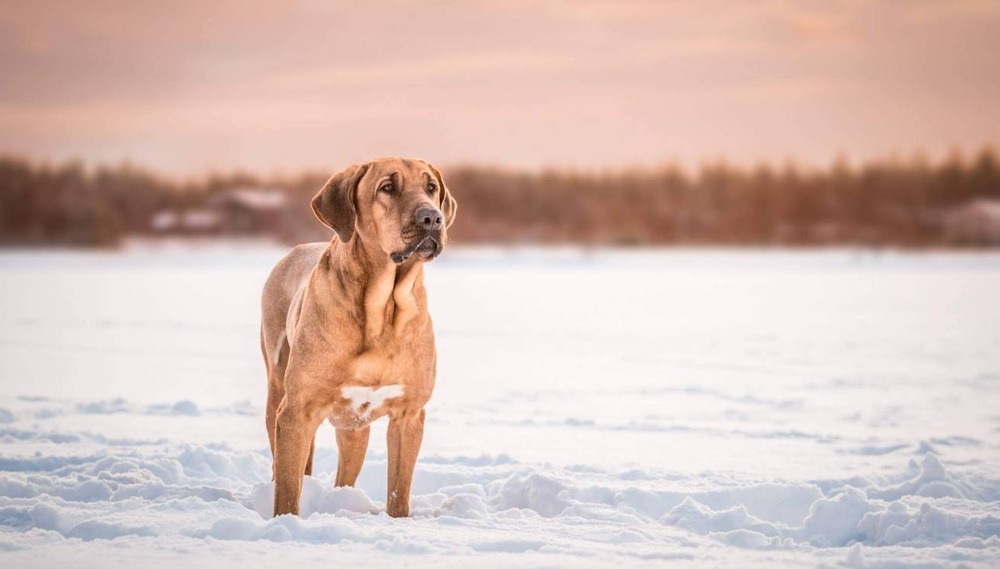
Broholmers generally need consistent daily movement, but many are not built for endless high-impact exercise. The goal is often steady fitness and joint-friendly conditioning, not exhaustion.
For many adults, a pattern of daily walks plus time to sniff, explore, and practise calm behaviours is a good baseline. Mental enrichment counts too, especially for dogs that are naturally observant. Short training sessions, scent games, and simple “jobs” around the home can reduce boredom without overworking the body.
During puppyhood and adolescence, be mindful that large breeds develop over a longer period. Avoid repeated high-impact activities (for example, lots of jumping off vehicles) and ask your vet for guidance on age-appropriate exercise if you are unsure.
Health considerations, what to plan for
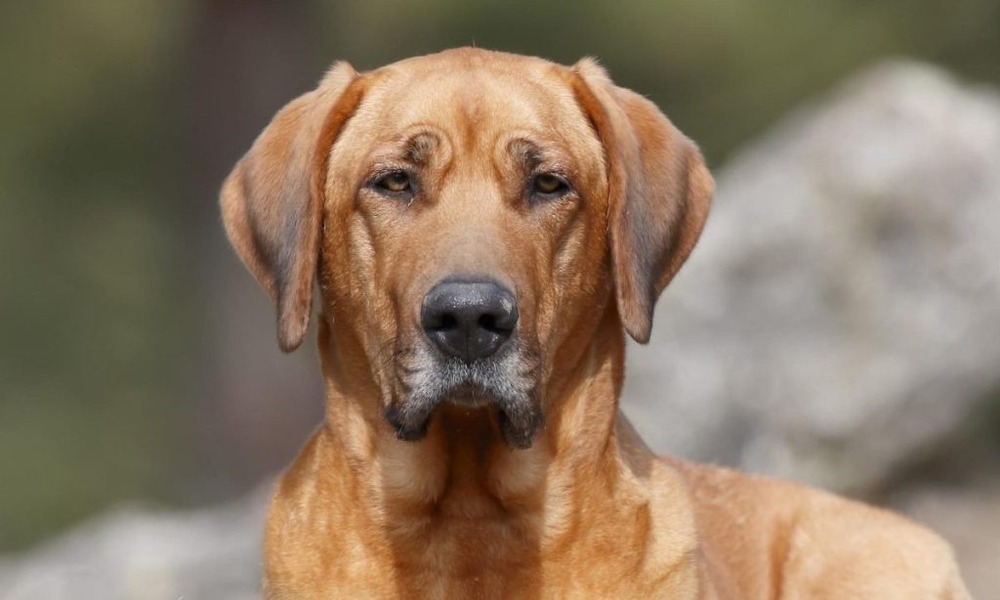
Large breeds tend to share a familiar set of risks. Hip dysplasia is one of the better-known concerns, and it is influenced by genetics, growth rate, body condition, and activity management.7 If you are speaking with breeders, ask what health screening they do, and what they can tell you about the longevity and soundness of dogs in their lines.
Another issue to keep in mind with deep-chested breeds is gastric dilatation-volvulus (GDV), often called bloat, which is a life-threatening emergency. Risk is multifactorial, and there is no single prevention tactic, but owners often discuss practical steps such as sensible meal routines, avoiding intense exercise around meals, and talking with their vet about whether prophylactic gastropexy is appropriate for their dog.8
Because Broholmers can be substantial dogs, healthy weight is a health strategy, not a cosmetic one. Even small increases in body fat can add strain to joints and reduce heat tolerance over time.9
Coat care, feeding, and the unglamorous realities
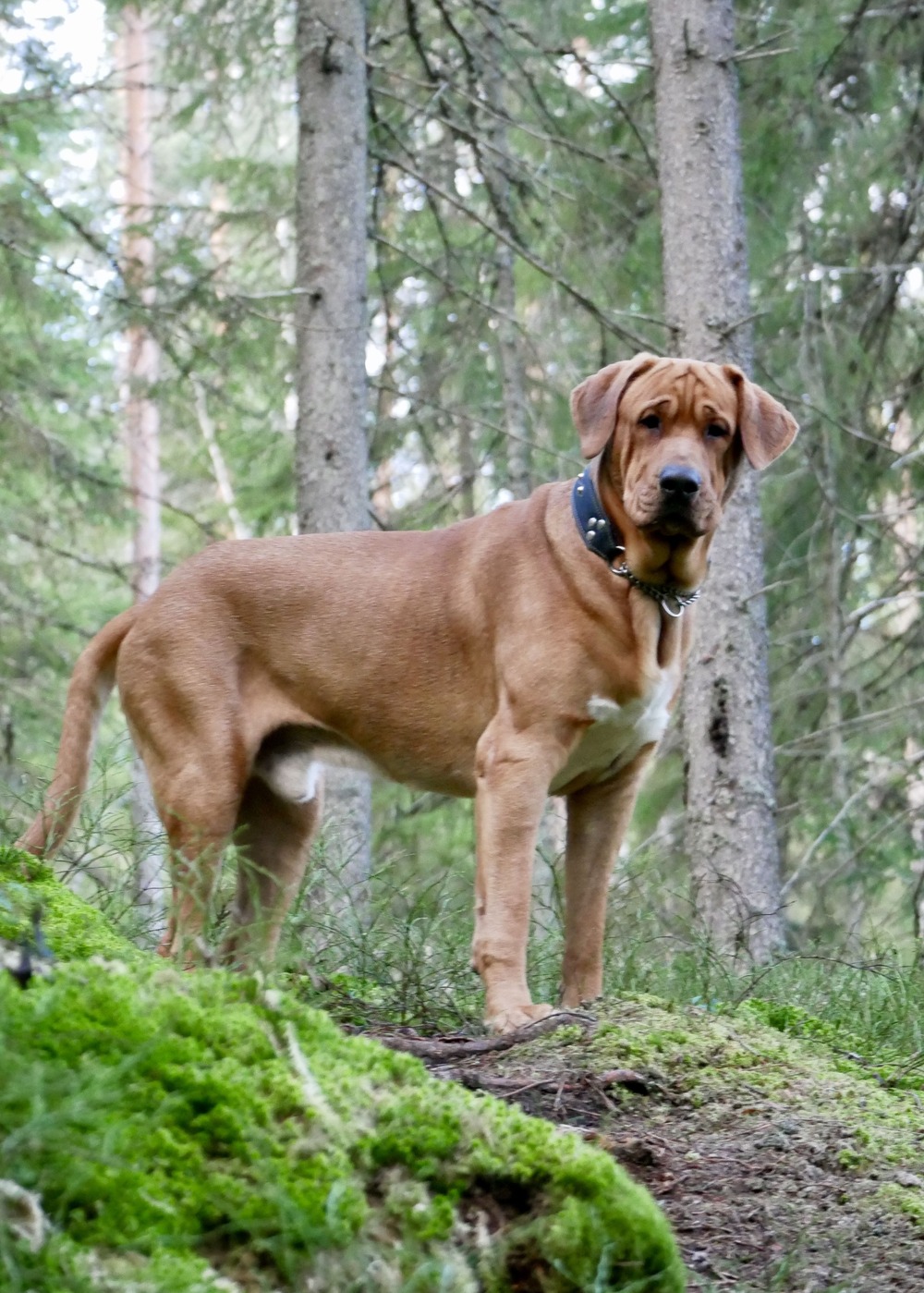
The Broholmer’s coat is short and dense, and most routine care is straightforward: brushing once or twice a week, more often during heavier shedding periods.3 Regular nail trims, ear checks, and tooth brushing matter more than fancy products, especially in a dog whose size can make routine handling feel like a workout if it is left too late.
Feeding is less about finding a magical formula and more about consistency and condition. A high-quality complete diet that suits your dog’s life stage, paired with portion control and regular weigh-ins, is usually the most reliable approach. If you are considering supplements (for example, joint products), treat them as part of a broader plan you discuss with your vet, not a substitute for weight management and appropriate exercise.
Expect some drool, muddy paws, and a tail that can clear a coffee table with one happy sweep. Living with a Broholmer often rewards people who like calm companionship and do not mind the practical footprint of a very large dog.
Heat, space, and whether this breed fits your home
Many Broholmers cope well with cooler weather, but like most large dogs they can struggle in heat, especially if they are carrying extra weight or have any underlying medical issues. Hot days call for slower routines: early walks, shade, airflow, and plenty of water. Learn the signs of heat stress and heatstroke and treat concerns as urgent, because heatstroke can become life-threatening quickly.10
Space is not just about yard size. It is also about your ability to manage a large dog safely, with secure fencing, sensible routines, and the time to train calm behaviours around doors, visitors, and public places. Apartment living is not impossible for every large dog, but the Broholmer generally suits homes where there is room to move and settle without constant close-quarters pressure.
If you are choosing this breed because you want a dog that looks imposing, it helps to pause and ask what you actually need from a guardian. The Broholmer tends to shine when the goal is a steady presence at home, rather than a dog expected to be on high alert all the time.
Final thoughts
The Broholmer can be a deeply satisfying companion for the right household: calm, substantial, and quietly watchful. They are not a “set and forget” dog, though. Their size makes early training, thoughtful socialisation, and health planning genuinely important.
If you like the idea of a dog who can settle at your feet, greet familiar people without fuss, and still look like they belong at the gates of an old Danish estate, the Broholmer may feel like a natural fit. The best next step is usually to meet a few adults in person, speak with a reputable breeder or breed club, and have an honest chat with your vet about the realities of caring for a giant breed.
References
- Royal Canin UK: Broholmer
- Fédération Cynologique Internationale (FCI): Broholmer (No. 315)
- United Kennel Club (UKC): Danish Broholmer breed standard
- RSPCA Knowledgebase: What is reward-based training?
- Australian Veterinary Association (AVA): Companion animals, dog behaviour (policy and guidance)
- The Kennel Club (UK): Broholmer
- Orthopedic Foundation for Animals (OFA): Hip dysplasia
- American College of Veterinary Surgeons (ACVS): Gastric dilatation volvulus (bloat)
- Australian Veterinary Association (AVA): Obesity in companion animals (policy)
- RSPCA Knowledgebase: How can I protect my dog from heatstroke?