

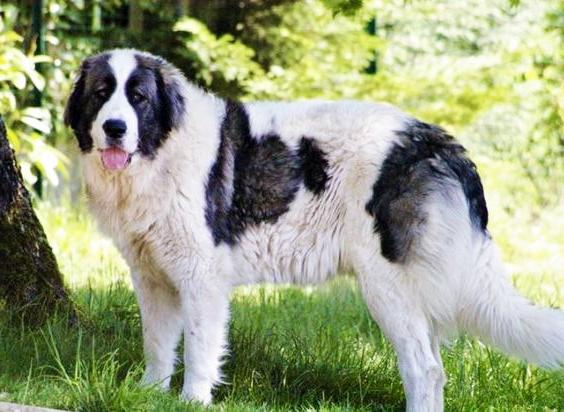
You might first notice the Bucovina Shepherd Dog in a photo and assume it is simply a big, fluffy guardian breed. Then you read a little more and realise it was shaped by a very specific job: living outdoors, moving with stock, and standing its ground when predators came too close. That background explains a lot about how these dogs behave in modern homes, including the calm watchfulness people often describe.
It also explains why the usual “large dog” advice sometimes falls short. A Bucovina is not typically a high-speed, ball-obsessed athlete, but it does need purposeful movement, room to settle, and clear boundaries. When those needs are met, the breed’s steadiness can be a real asset. When they are not, you can end up with a dog that spends too much time on duty, scanning and reacting.
If you are considering the breed, or you have met one and want to understand what makes it tick, it helps to look at the Bucovina as a livestock guardian first, and a companion dog second. That framing keeps expectations realistic and makes day-to-day care far more straightforward.
At a glance: the Bucovina Shepherd Dog
Breed type: livestock guardian, working breed
Origin: Romania (Bucovina region)
Typical size: large to giant, males commonly around 68 to 78 cm, females around 64 to 72 cm at the shoulder1
Coat: dense double coat, usually white with darker patches1
Life expectancy: often around 10 to 12 years (varies with genetics, diet, and overall management)
Best match: people who want a calm, capable guardian and can provide space, structure, and thoughtful socialisation
Origins and working purpose
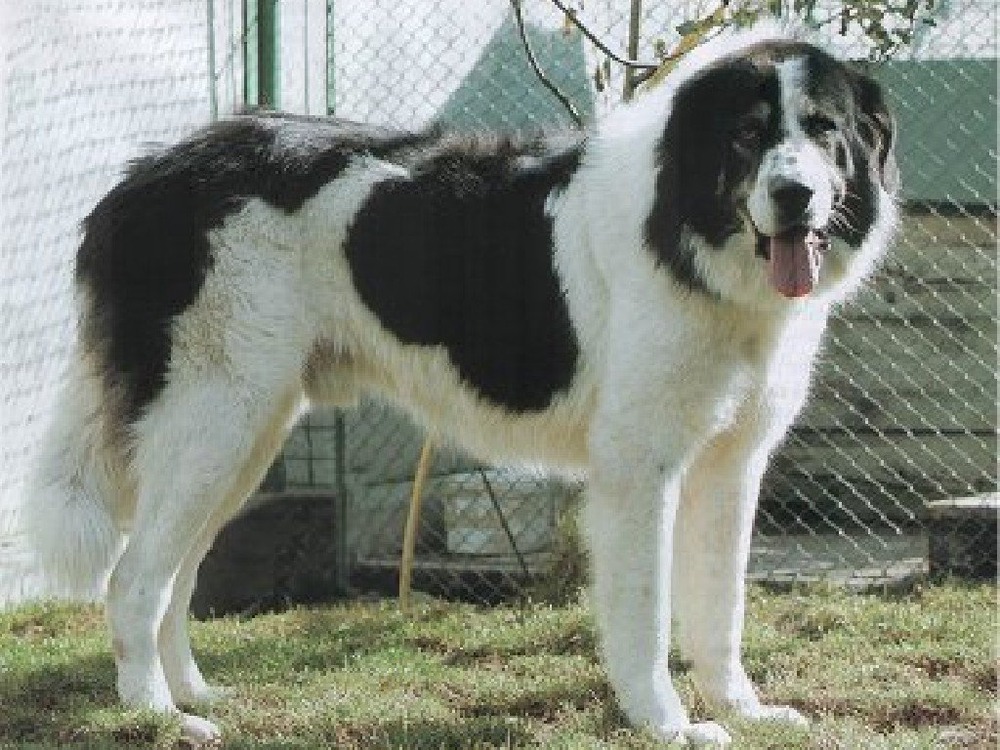
The Bucovina Shepherd Dog developed in Romania as a livestock guardian, bred to stay with flocks and deter threats rather than herd animals in the way a Border Collie might. The breed’s official recognition through the Federation Cynologique Internationale (FCI) reflects that identity, including its size, coat, and overall type.1
That working history matters because it shapes the dog you meet today. A Bucovina is typically built to conserve energy, to make independent decisions, and to be comfortable outdoors in difficult conditions. In practice, this can look like a dog that is calm for long stretches, then suddenly very present when something changes in its environment.
It is easy to mistake this steadiness for low needs. In reality, many livestock guardians do best when their world is predictable, their role is clear, and they have enough daily activity to keep their bodies and brains settled. Management is part of the temperament with breeds like this.
Temperament: what “protective” often looks like at home
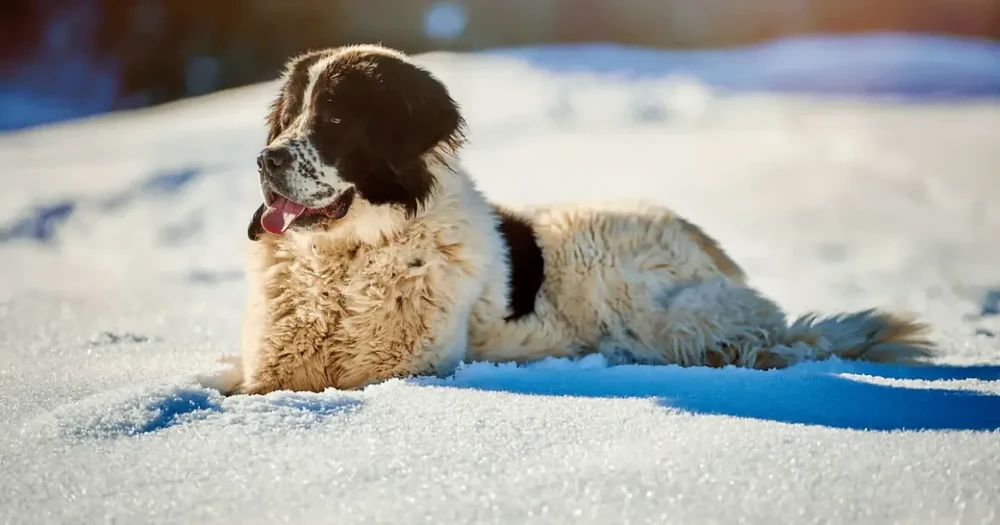
People often describe the Bucovina as loyal, calm, and protective. Those words can be accurate, but they can also hide the details that matter: a guardian dog may watch visitors closely, position itself between family members and the front gate, and respond to unfamiliar movement or noise with a deep bark.
That barking is not necessarily “bad behaviour”. It can be the dog doing what generations of selection encouraged. The practical question is whether the dog can stand down when you ask, and whether it has been introduced to the normal rhythms of your life early enough that it can tell the difference between “new” and “threat”.
With family, many Bucovina Shepherds are steady and tolerant. With strangers, they may be reserved. Assume the dog will take time to feel comfortable, and plan introductions with that in mind.
Family life, children, and other pets
In the right home, a Bucovina can live well with children, especially when the dog has grown up with them and the adults set clear rules for everyone. As with any very large breed, supervision is sensible, not because the dog is “mean”, but because size and strength change the stakes of ordinary moments (a bump at the wrong time, a toy grabbed too fast, a doorway rushed).
Other pets can be a workable match if introductions are slow and the dog’s guardian instincts are managed thoughtfully. Early socialisation helps, but socialisation is not just meeting lots of dogs. It is a structured process of building neutral, positive experiences during key developmental periods.2, 3
If you are bringing a Bucovina into a multi-pet home, it helps to think in terms of routine and boundaries:
- Separate feeding areas to reduce tension around food.
- Calm, staged introductions behind baby gates first.
- A safe retreat space where the dog can rest undisturbed.
Training and socialisation that suits a guardian breed
Bucovina Shepherds are intelligent, but they are not always “eager to please” in the way some gundogs are. Many guardian breeds learn quickly, then decide whether a cue is relevant. That is not stubbornness so much as independence, which can be useful in their original work.
Reward-based training is a good fit because it helps you build cooperation rather than relying on intimidation. The RSPCA’s guidance on puppy training and socialisation emphasises keeping training positive and reward-based, and making early experiences count during the critical socialisation window.2, 3, 4
For day-to-day living, focus on a few skills that pay off for years:
- Settle on a mat, so the dog has an “off switch” indoors.
- Loose-lead walking and calm gate manners, given the dog’s size.
- Recall practice in safe spaces, even if you do not expect off-lead reliability everywhere.
- Visitor routines: place, reward, and calm observation rather than rehearsing intense barking at the door.
Exercise and enrichment: not just “more running”
Most Bucovina Shepherd Dogs benefit from daily movement, but the best exercise is often steady and purposeful. Long walks, time exploring new routes, and supervised freedom in a securely fenced area usually suit them better than repetitive high-speed games.
Because the breed is large and heavily coated, plan exercise around weather. In Australian summers, that often means early mornings and evenings. The RSPCA recommends avoiding exercise in the heat of the day and taking care with hot surfaces that can burn paws.5
Enrichment matters just as much as distance. Food puzzles, scatter feeding in grass, basic scent games, and short training sessions can take the edge off watchful behaviour without winding the dog up.
Health considerations in a large, deep-chested dog
Like many large breeds, Bucovina Shepherd Dogs can be at risk for orthopaedic issues such as hip dysplasia. This is not unique to Bucovina, but it is one reason breeders and vets often emphasise sensible growth, weight management, and appropriate exercise, especially in adolescence.6
The other condition worth understanding early is gastric dilatation-volvulus (GDV), often called bloat. Large, deep-chested dogs are at higher risk, and GDV is a veterinary emergency that can progress quickly.7, 8
Signs people commonly report include a suddenly distended abdomen, repeated retching without bringing anything up, restlessness, drooling, and weakness. If you suspect GDV, seek emergency veterinary care immediately.7, 8
Talk with your veterinarian about practical risk reduction for your individual dog. Many clinics also discuss feeding patterns for at-risk dogs, and in some cases, preventive gastropexy may be considered for high-risk individuals.7, 8
Grooming: coat care that prevents problems
The Bucovina’s double coat is part of its working design. It insulates against cold and wet conditions, but it also means seasonal shedding and regular maintenance. Brushing a few times a week is often enough for day-to-day care, with more frequent brushing during heavier sheds.
Grooming is also a chance to check ears, nails, skin, and the spaces between the toes. With a large dog, small issues can become big ones if they are missed for weeks at a time. Regular handling practice from puppyhood can make coat care and vet visits calmer for everyone.2, 4
Feeding and weight: keeping a giant dog in good shape
With large breeds, you are often feeding for joints and longevity as much as you are feeding for energy. Choose a diet labelled complete and balanced for the dog’s life stage, and work with your vet if you are mixing commercial food with fresh additions.
The World Small Animal Veterinary Association (WSAVA) Global Nutrition Guidelines are a helpful reference point for discussing diet quality and how to assess a food beyond marketing claims.9
Two practical habits tend to make the biggest difference:
- Keep the dog lean. A steady, athletic condition is easier on joints than carrying extra weight.
- Use part of the daily ration for training and enrichment, so food supports behaviour as well as nutrition.
Heat management in Australia: thick coat, big body, real risk
Even a dog that seems unbothered can overheat quickly in Australian conditions, particularly if humidity is high or there is little airflow. Large, heavy-coated dogs often need earlier intervention than owners expect, because they do not always “look hot” until they are already struggling.
RSPCA guidance on hot weather focuses on shade, ventilation, cool water, and avoiding exercise in the hottest parts of the day. It also outlines first aid steps for suspected heatstroke, including using cool or tepid water and seeking veterinary attention promptly.5, 10
If you want a simple routine, it is this: plan walks for cool times, provide multiple water sources, and give the dog a cool place to rest indoors when the day heats up. Never leave a dog in a car, even briefly.10
Living well with a Bucovina Shepherd Dog
The Bucovina Shepherd Dog can be a wonderful companion for the right person, but it is rarely a “fit anywhere” breed. Most do best with space, secure fencing, a calm household rhythm, and owners who are comfortable with a dog that notices everything.
If you enjoy a dog that feels grounded and capable, and you are willing to invest in early socialisation, cooperative training, and sensible daily management, the Bucovina can be deeply rewarding. It is less about control and more about partnership, built slowly and kept steady.
References
- Federation Cynologique Internationale (FCI): Ciobanesc Romanesc de Bucovina (Breed No. 357)
- RSPCA Australia: Here’s how to care for your puppy
- RSPCA Australia: Socialising your puppy
- RSPCA Knowledgebase: Is socialising my puppy important?
- RSPCA Australia: Keeping your pet safe during the heat
- Orthopedic Foundation for Animals (OFA): Hip Dysplasia
- American College of Veterinary Surgeons (ACVS): Gastric Dilatation-Volvulus (GDV) and gastropexy
- Cornell University College of Veterinary Medicine: Gastric dilatation-volvulus (GDV) or bloat
- WSAVA: Global Nutrition Guidelines
- Agriculture Victoria (Animal Welfare Victoria): Heat and pets