

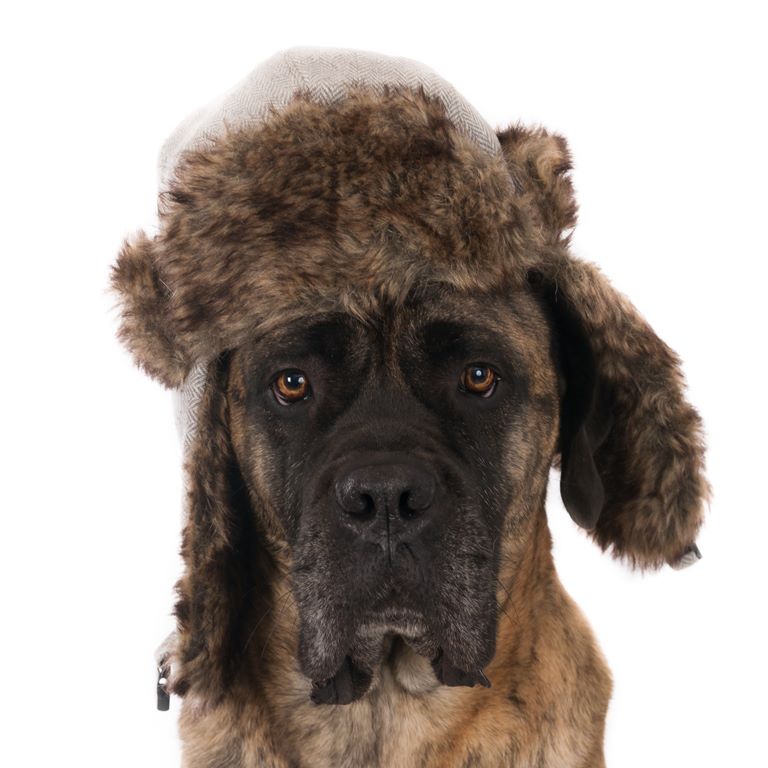
You usually meet a Bullmastiff in an ordinary moment, at the park, at a friend’s house, on a quiet street, and the first impression is often physical. A big head, a solid chest, a dog who takes up space without fuss. People notice the strength and assume “guard dog”, then feel surprised when the dog stands calmly, watching rather than performing.
That mix of power and steadiness is part of what draws people in. It can also be where misunderstandings start. A Bullmastiff is not automatically “easy” just because they are quiet, and they are not automatically “dangerous” just because they are large. In real homes, what matters most is whether the dog has been raised with sensible boundaries, kind training, and day to day management that fits a heavy, deep-chested breed.
If you are thinking about sharing your life with a Bullmastiff, or you are living with one and trying to understand what you are seeing, it helps to look past the stereotypes. The breed was developed for a job, and that history still shapes how Bullmastiffs move through the world today.
History and origin of the Bullmastiff
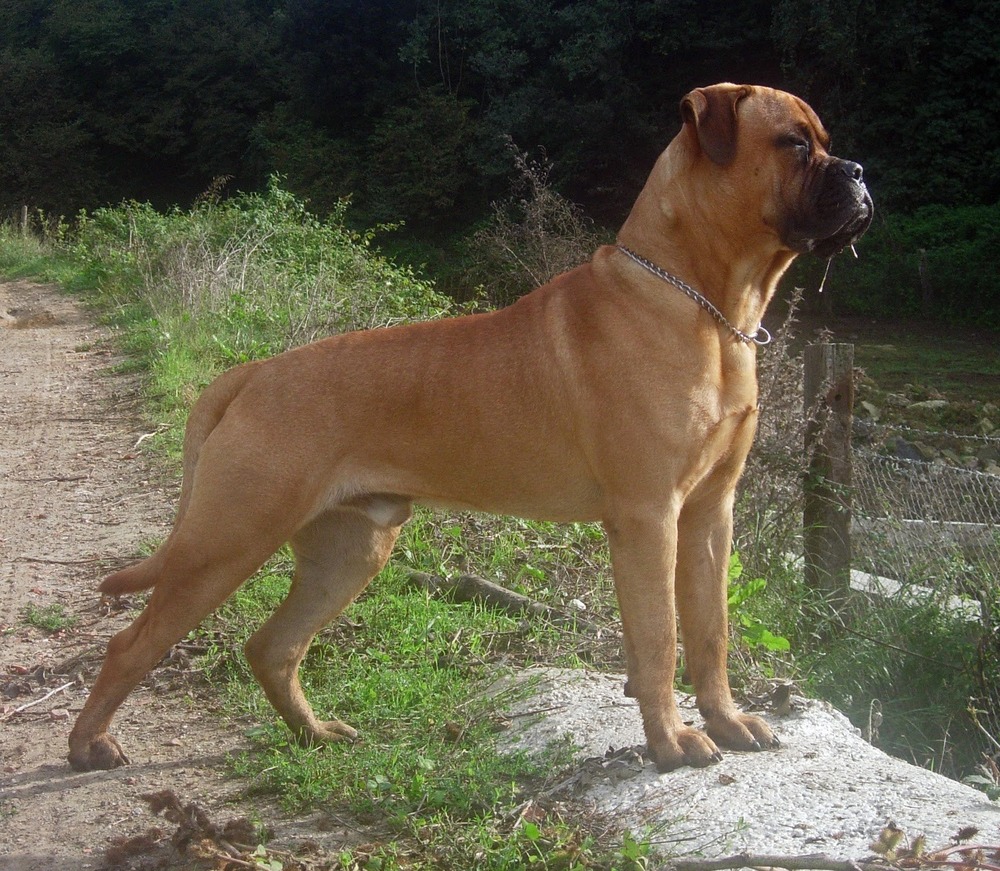
Bullmastiffs were developed in the United Kingdom in the 19th century, when gamekeepers wanted a powerful dog to deter poachers on large estates.1, 2 The usual story is a deliberate cross of Mastiff and Bulldog types, aiming for a dog with size and courage, but also enough trainability to work closely with people.
The breed’s traditional task is sometimes described as “hold and pin” rather than bite and fight. In practice, that selection pressure tended to favour dogs that could respond to direction and remain steady under pressure, especially in low light and unfamiliar conditions.1 This is one reason many Bullmastiffs are not particularly vocal: they can be observant, economical, and slow to waste effort.
Breed standards vary slightly by kennel club, but the broad picture is consistent: a compact, strongly built guardian with a short coat and a characteristic mask, developed to be both imposing and manageable.1, 2
What a Bullmastiff looks like in real life
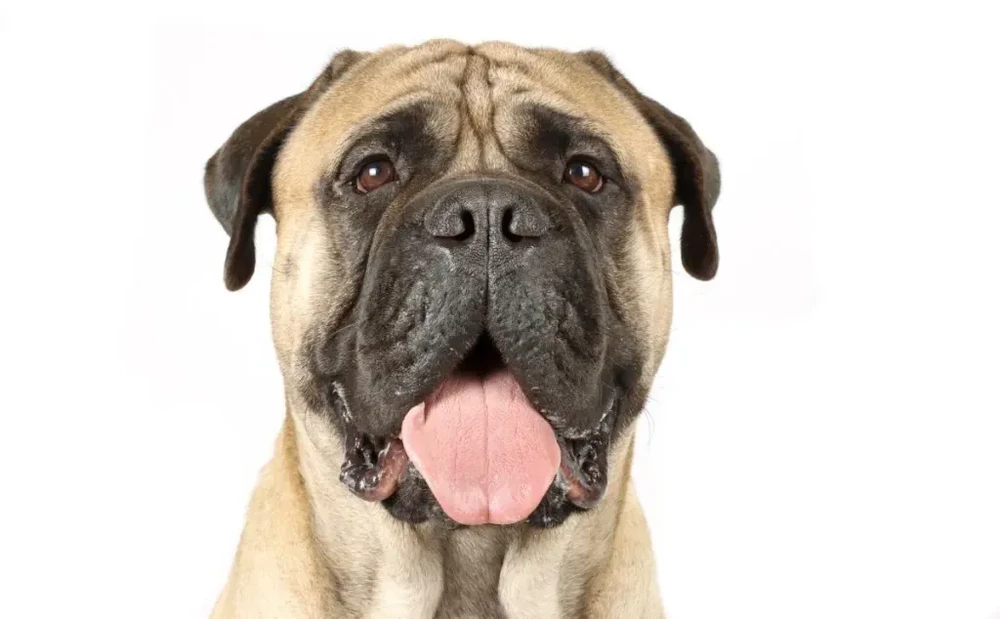
Bullmastiffs are large, muscular dogs with a short, dense coat that is commonly fawn, red, or brindle. They are often recognised by the dark facial mask and broad head, along with a square, balanced outline rather than a long, rangy frame.1, 2
That build has practical implications. Many Bullmastiffs are strong on lead, and even a friendly adolescent can unintentionally bowl someone over. They also tend to mature into a dog who prefers a measured pace: a steady walk, a short burst of play, then contentment at home.
It is worth remembering that “short coat” does not mean “no mess”. Expect some shedding, and many Bullmastiffs drool, especially around food, after drinking, or in warm weather.
Temperament and everyday behaviour
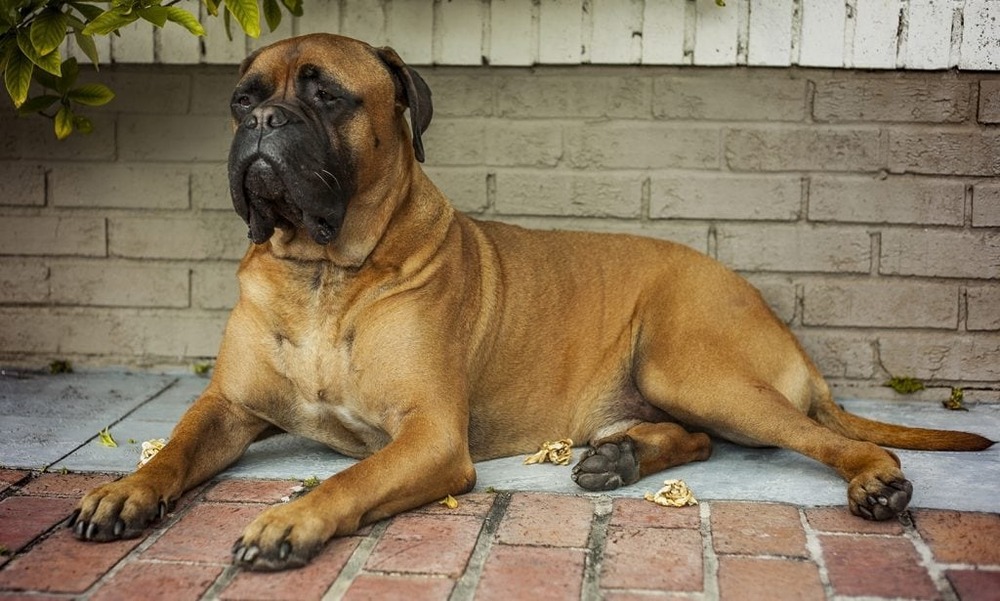
Bullmastiffs are often described as loyal, calm, and protective. Those words can be accurate, but they are not a guarantee of good behaviour without guidance. A more useful way to think about them is this: many Bullmastiffs are watchful and deliberate. They tend to notice changes in their environment, and they may be reserved with strangers until they have enough information to relax.
In family settings, a well raised Bullmastiff can be gentle and tolerant, particularly with predictable handling and clear routines. Because of their size, supervision around children is still essential, not because the dog is “bad”, but because accidents happen when a heavy dog turns quickly, leans in, or gets excited at the wrong moment.
With other animals, outcomes depend heavily on early experience and ongoing management. Some Bullmastiffs live peacefully with other pets. Others need more careful introductions and clearer boundaries, especially in adolescence when confidence rises faster than self control.
Training that suits the breed

Bullmastiffs usually respond best to training that is calm, consistent, and reward-based. Positive reinforcement is widely recommended because it builds reliable behaviour without adding fear or conflict, which can be particularly unhelpful in a powerful guardian breed.3
Early socialisation matters, but it is often misunderstood. It is not about forcing a puppy to greet everyone. It is about creating safe, positive exposure to ordinary life: visitors, delivery drivers, the vet clinic, different surfaces, car rides, and seeing other dogs without needing to interact.
Practical priorities for most Bullmastiff households include:
- Lead manners before the dog reaches full strength.
- A reliable recall as far as your environment realistically allows.
- Comfort with handling (ears, paws, mouth), so grooming and vet care are less stressful.
- “Place” or settle training, because learning to switch off is a genuine life skill for large dogs.
If you are introducing a Bullmastiff to an existing cat, go slowly and set the environment up to help both animals succeed. Gradual, owner-led introductions with safe barriers and escape routes reduce the chance of fear-based reactions becoming a pattern.4
Exercise and heat management
Bullmastiffs are not usually endurance athletes. Most do well with daily walks and short, sensible play, plus enrichment at home (sniffing games, food puzzles, basic training). What they often need is not more kilometres, but better structure: regular movement, good rest, and weight kept under control.
Because many Bullmastiffs are large and can struggle in heat, warm weather needs planning. On hot days, exercise early or late, avoid hot pavement, and prioritise shade, airflow, and water. Heat stress can escalate quickly, and heavy panting, drooling, weakness, vomiting, or collapse should be treated as urgent warning signs.5, 6
If you suspect heatstroke, start cooling with tepid or cool water (not ice cold), increase airflow, and contact your vet immediately.5
Health risks and lifespan
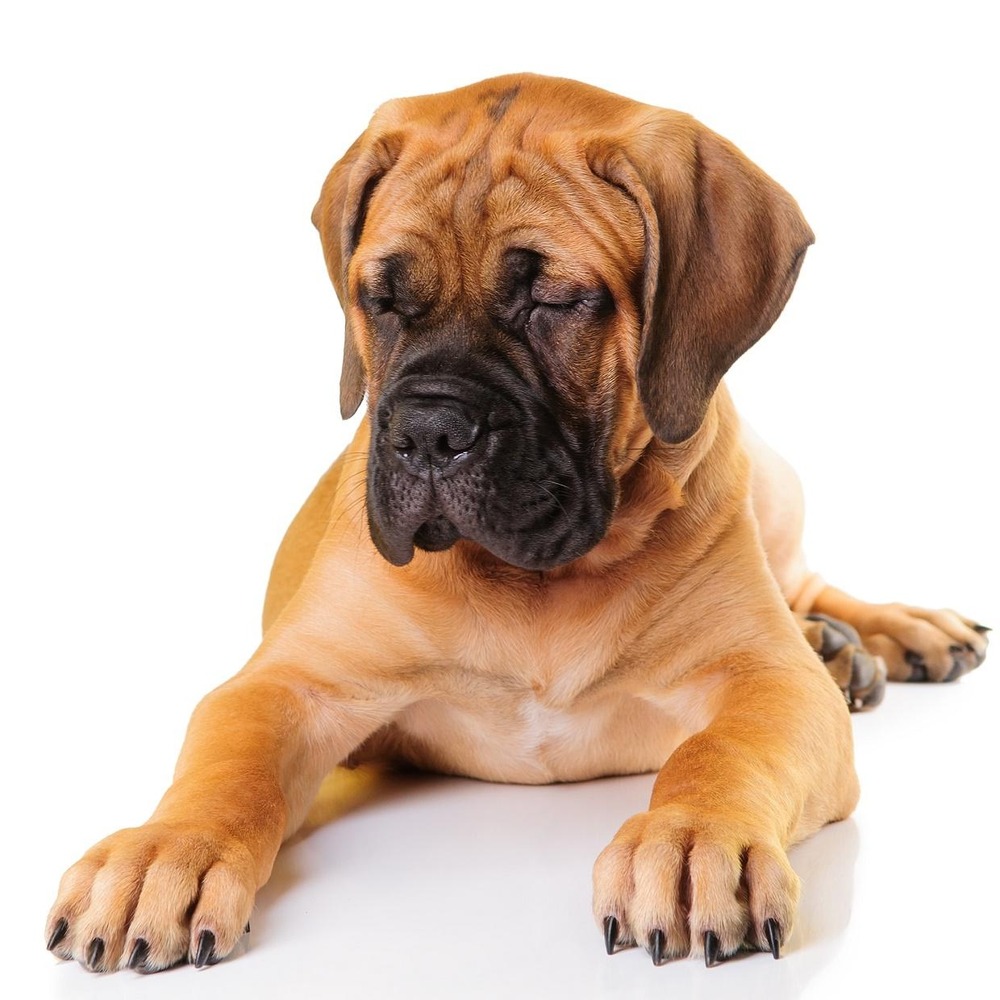
Bullmastiffs are a large, deep-chested breed, which makes some health risks more relevant. One of the most serious is gastric dilatation-volvulus (GDV), often called bloat, where the stomach distends and can twist. This is a true emergency that requires immediate veterinary care.7, 8
While no prevention plan is perfect, sensible risk reduction includes feeding two or more smaller meals rather than one large meal, slowing fast eaters, avoiding hard exercise straight after meals, and discussing prophylactic gastropexy with your vet if your dog is considered high risk.7, 8
Like many heavy breeds, Bullmastiffs can also be affected by joint disease such as hip and elbow dysplasia. Good breeding, appropriate growth management in puppyhood, and keeping an adult dog lean all matter. Using a body condition score with your veterinary team can help you track weight more accurately than the scales alone.9
Lifespan is often quoted around 8 to 10 years, although individuals vary. The most practical focus is on the basics you can control: keeping them fit and lean, building calm movement habits, and not skipping regular veterinary checks.
Grooming and daily care
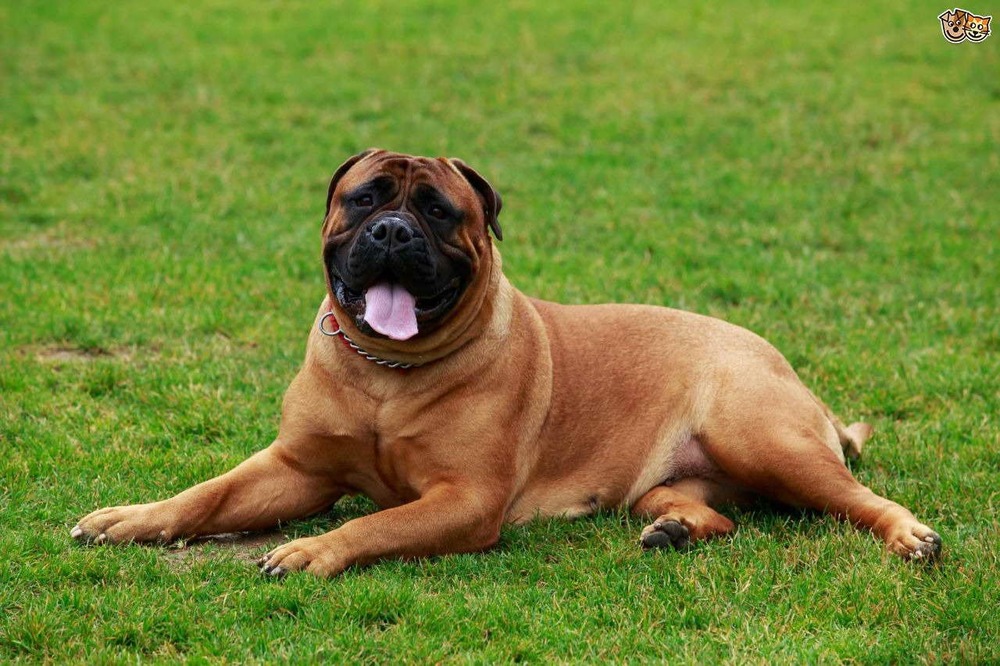
Coat care is usually straightforward. A weekly brush helps remove loose hair and keeps the coat in good condition. Many owners find grooming mitts work well on short coats, and the routine doubles as a quiet health check for lumps, sore spots, or skin irritation.
Pay attention to the practical, unglamorous bits: nails, ears, and dental care. Large dogs can be stoic, so small problems can simmer unnoticed. If your Bullmastiff drools heavily, wiping around the mouth and keeping skin folds clean and dry can help prevent irritation.
Feeding a Bullmastiff without overdoing it
Bullmastiffs do best on a complete and balanced diet that suits their life stage, activity level, and any health issues identified by your vet. The hard part is often not choosing food, but keeping portions sensible as the dog matures and slows down.
Using a body condition score can keep things objective. You are aiming for a dog who is solid but not soft, with ribs you can feel under a light layer of tissue and a visible waist when viewed from above.9
For dogs at risk of GDV, feeding practices matter as much as ingredients. Consider slower feeding options if your dog gulps meals, and keep post-meal activity low key.7
Living well with a Bullmastiff
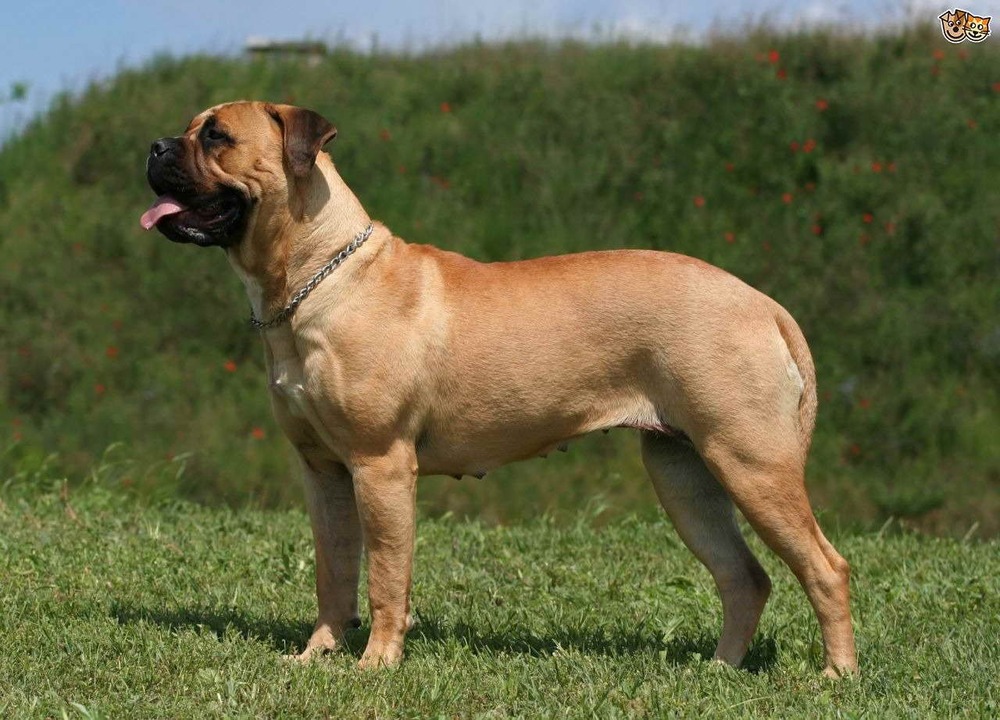
A Bullmastiff can be a wonderful companion for the right household: someone who appreciates a steady dog, can commit to early training, and is comfortable managing a large animal kindly and confidently.
The breed tends to suit people who want a dog that is present and aware, but not constantly on the go. If you do the quiet work early, lead skills, social exposure, calm boundaries, you often end up with a dog who is easy to live with, in the way that really matters: predictable, settled, and deeply woven into the rhythm of home.
References
- AKC Breed Standard, The American Bullmastiff Association
- Bullmastiff breed information, The Kennel Club (UK)
- Positive reinforcement training, RSPCA Pet Insurance
- How should I introduce my new dog or puppy to my existing cat?, RSPCA Knowledgebase
- Keeping your pet safe during the heat, RSPCA Australia
- Heat stress (signs and first aid), RSPCA NSW
- Gastric dilatation volvulus (GDV) or bloat, Cornell University College of Veterinary Medicine
- Prophylactic gastropexy, American College of Veterinary Surgeons
- Global Nutrition Guidelines (including body condition score tools), WSAVA