

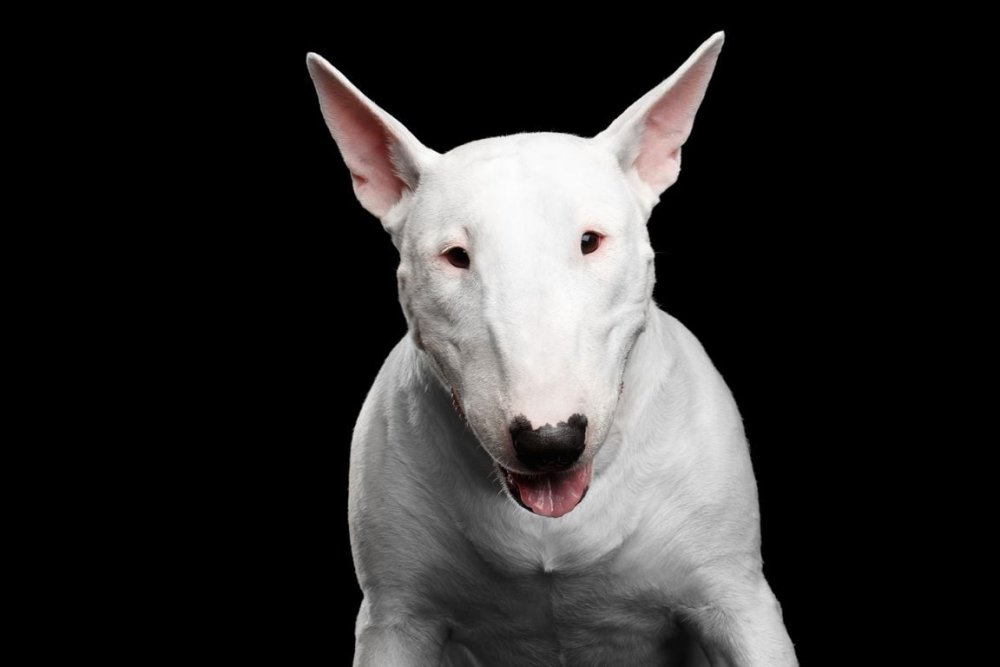
You often meet a Bull Terrier in the wild before you ever look one up. Maybe it is the distinctive head shape and small, slanted eyes, or the way they move with real purpose on the lead. People notice them because they look different, then they start wondering what that difference means in day to day life.
A lot of the talk around Bull Terriers is either about their toughness or their “clownish” reputation. In practice, most owners find something more ordinary and more interesting: a bright, physical, people oriented dog who can be wonderfully engaging, and who can also be a handful if their needs are underestimated.
When a Bull Terrier fits, the fit is obvious. When it does not, the same traits that make them memorable, strength, persistence, intensity, can become the sticking points. Getting clear on temperament, training style, health, and daily routines matters far more than the headlines.
At a glance: Bull Terrier basics
Breed group: Terrier (bull type terrier).1
- Origin: Great Britain
- Typical size: Around 21 to 22 inches (53 to 56 cm) at the shoulder, with weight varying with build and condition.2
- Coat: Short, flat, harsh, moderate shedding.2
- Energy: Generally high, benefits from daily exercise and training
- Best suited to: People who enjoy training, structure, and an active routine
History and origin
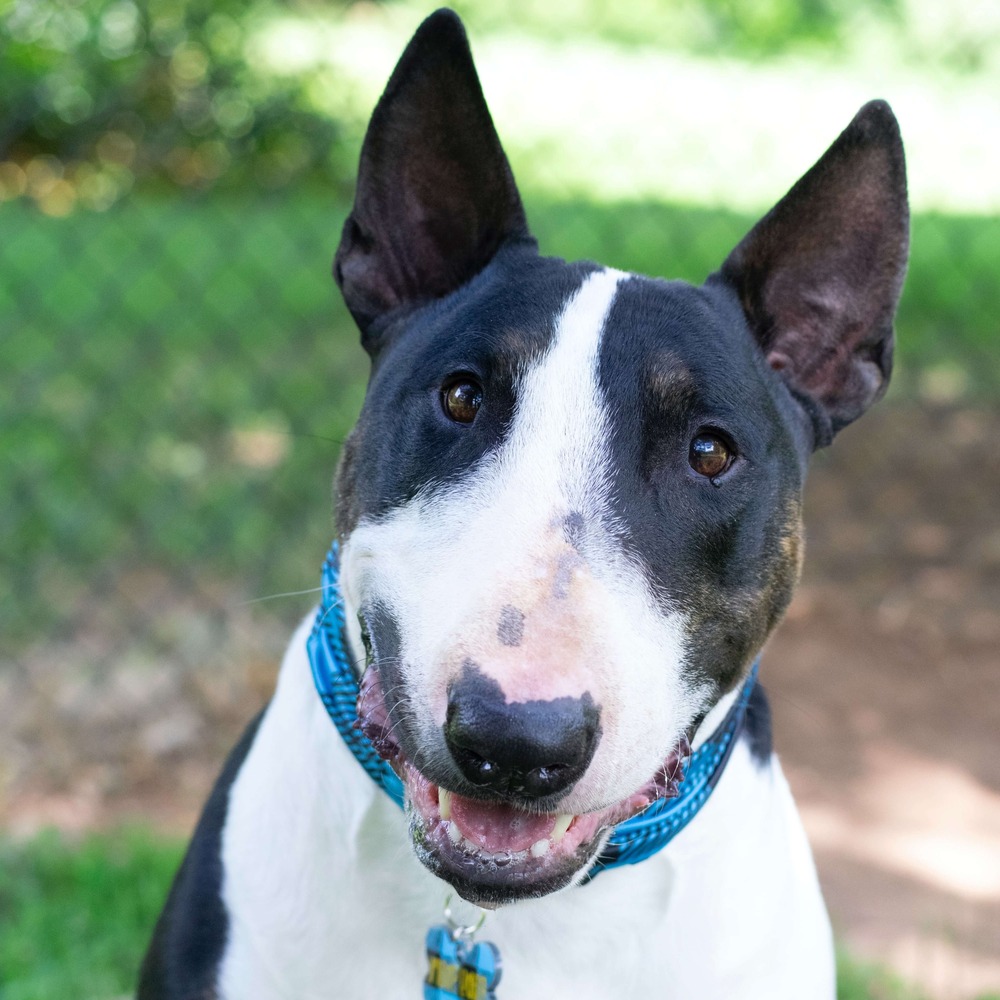
The Bull Terrier developed in 19th century Britain, at a time when breeders were experimenting with “bull type” terriers for strength, athleticism, and a distinctive look. Over time, the modern breed became less about work and more about companionship and show, while keeping that bold, physical presence that still defines them today.
One name that comes up repeatedly in breed histories is James Hinks, who is widely credited with shaping the recognisable Bull Terrier type and refining the look that later became standardised. Breed standards now describe the dog as strongly built and muscular, with a unique downfaced, egg shaped head and a temperament that is even and responsive to discipline, even if they can be obstinate.2, 3
Physical characteristics that matter day to day
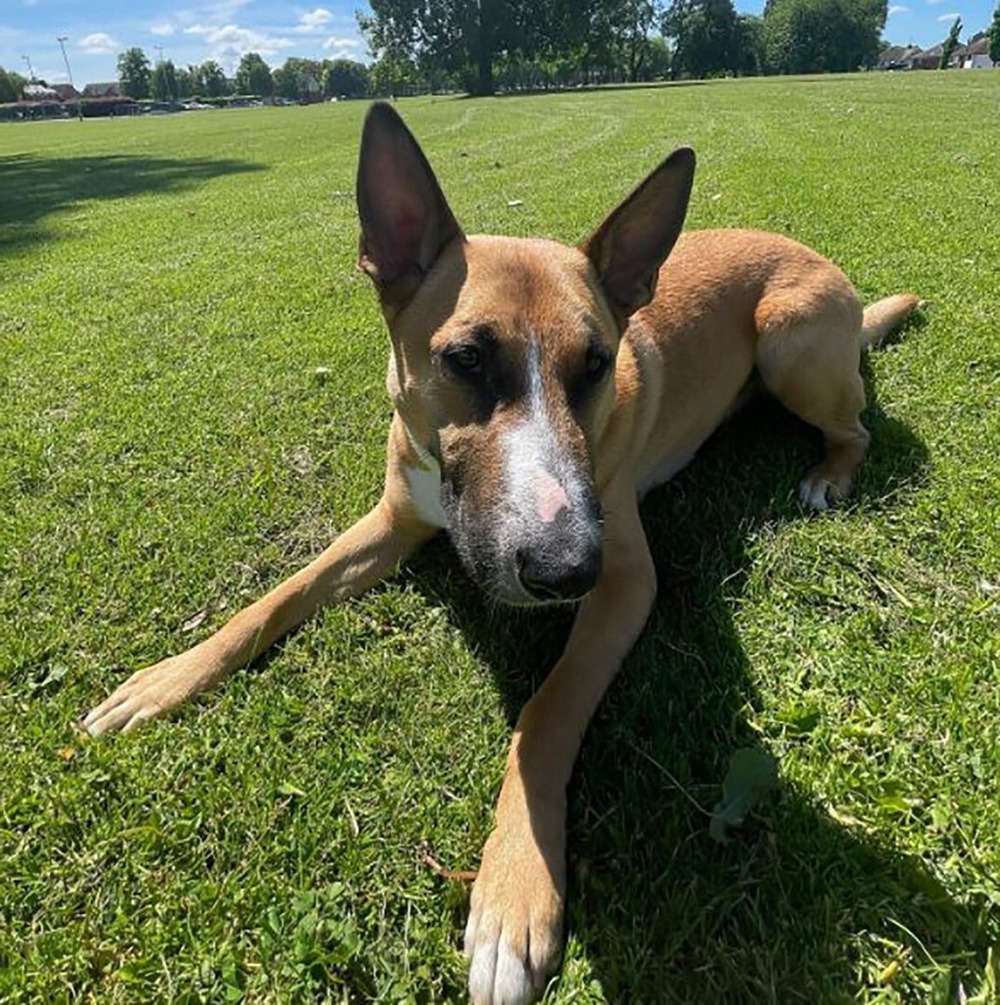
People rightly talk about the head, but the more practical feature is the whole package: a compact, muscular dog with a lot of power for their height. That strength can be a joy if you like active play and training, and it can be challenging if you are not prepared for leash manners and impulse control.
The hallmark head shape is described in breed standards as long, strong and deep, with a smooth curve down to the nose, and an egg shaped outline when viewed from the front. The eyes are typically narrow and triangular, set with that characteristic, intent expression.2, 3
Coat care is usually straightforward because the coat is short and harsh. The trade off is that skin can be a recurring theme in some dogs, so “easy coat” does not always mean “no skin management”.2
Temperament and behaviour: what owners usually notice
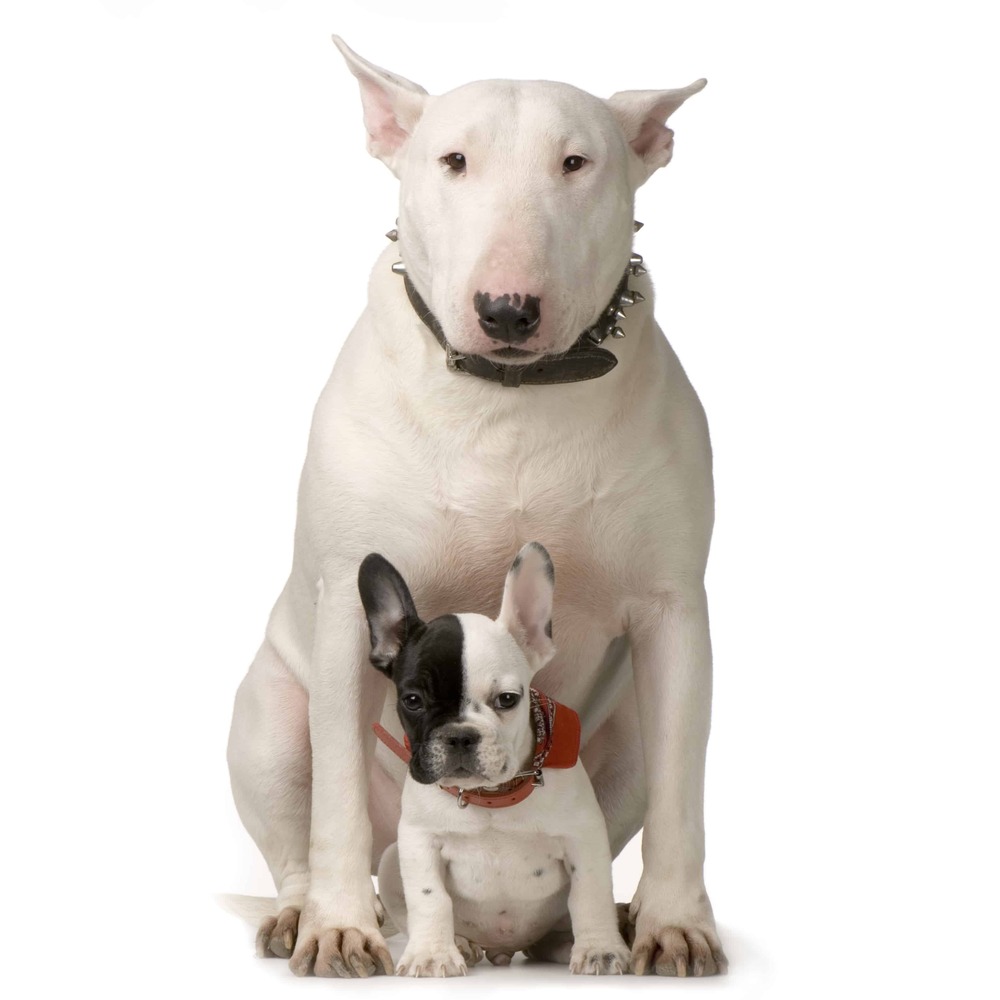
Bull Terriers are often described as spirited and fun, and that is fair. Many are also deeply people focused. Breed standards emphasise courage and a fun loving attitude, plus an even temperament that can be amenable to discipline, paired with a streak of stubbornness.2
That combination tends to produce a dog who benefits from clarity. If the household rules drift, the Bull Terrier usually notices. If training is calm, consistent, and rewarding, many settle into a predictable routine surprisingly well.
With visitors, plenty of Bull Terriers are more “front door announcer” than guard dog. They may be alert and physical, but good socialisation and good management usually matter more than any assumption about “protective instincts”.
Children and other pets
Families can do well with Bull Terriers, but it helps to think in terms of management rather than labels like “good with kids”. Supervision is important with any dog, and especially with strong, energetic dogs who can knock little ones over without meaning to. Calm, controlled introductions and teaching children how to interact safely make a real difference.4, 5
With other animals, the picture varies. Some Bull Terriers live peacefully with other dogs and pets, others find it harder. Early, careful socialisation helps, but it is also normal to need ongoing management, particularly around high arousal situations such as fences, toys, or food.
Training and exercise, without the power struggle
The Bull Terrier brain is often underestimated. Many learn quickly, but they tend to ask, quietly, whether the lesson is worth their time. That is not dominance, it is just a dog with preferences and persistence.
Positive reinforcement training usually suits the breed well: rewards, play, clear markers, and short sessions that end before everyone is frustrated. If you are stuck in a loop, it is often a sign to simplify the goal, reduce distractions, or increase the reward value rather than “get tougher”.
Exercise needs are typically high, but exercise alone rarely “fixes” behaviour. What helps most is a mix of movement and thinking. For many Bull Terriers, the sweet spot looks like:
- Daily brisk walks with time to sniff and decompress
- Short training sessions for leash skills and recalls
- Games that build self control, such as wait, settle, or pattern games
- Food puzzles or scatter feeding for mental work
Health considerations and lifespan
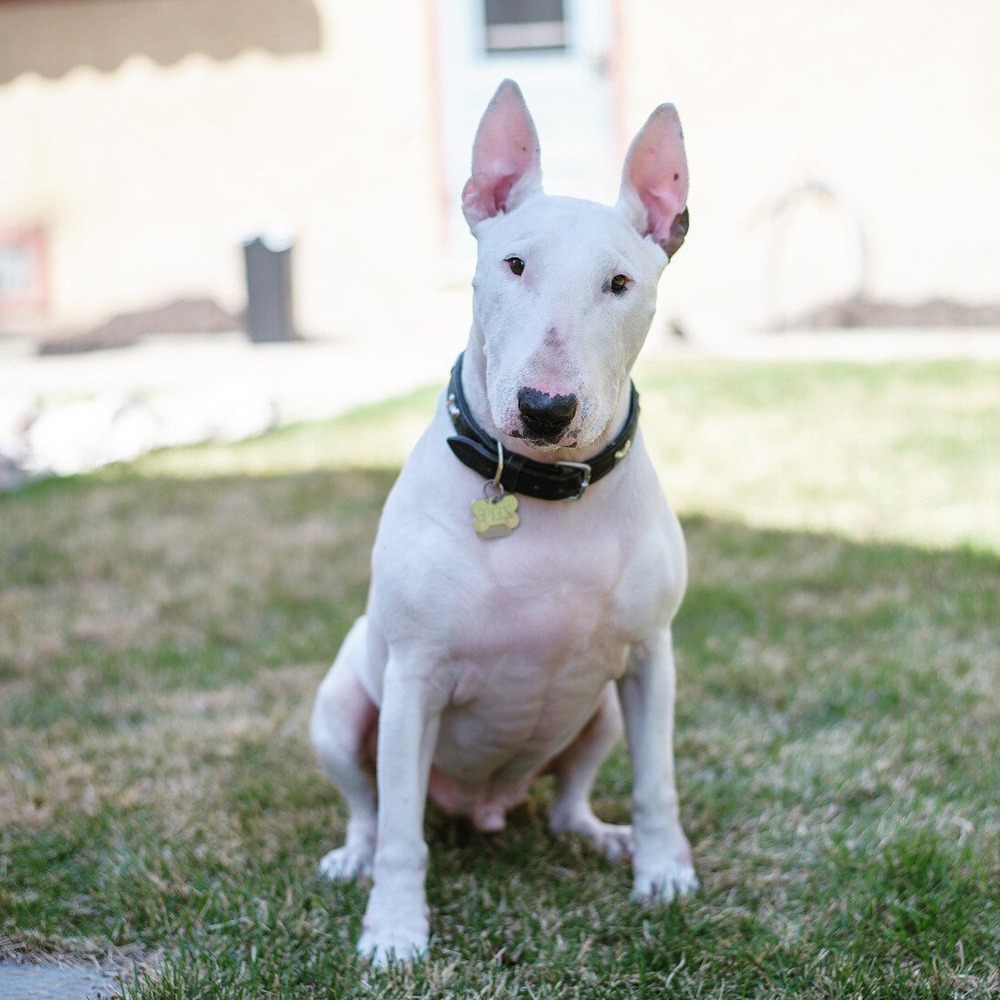
A typical lifespan is often quoted around 10 to 14 years, though individuals vary. What matters most for owners is knowing the issues that can appear in the breed, then planning for sensible screening and early intervention.
Deafness and hearing tests
Congenital deafness is a known risk in several mostly white coated breeds, including white Bull Terriers. The BAER test (Brainstem Auditory Evoked Response) is a reliable way to assess hearing and is often used by responsible breeders and owners to identify affected puppies.6
Skin allergies and chronic itch
Skin disease is a broad category, but one common pattern in dogs is allergic or atopic dermatitis, which can show up as persistent itch, licking of feet, recurrent ear issues, and flare ups that become seasonal or year round. It is usually manageable, but it can take time to find the right mix of preventatives and treatment with your vet.7
Preventative care that pays off
For most Bull Terriers, boring consistency is the winning strategy: routine check ups, parasite control, dental care, and attention to body weight and fitness. If you are buying a puppy, ask what health testing the breeder does, and request the documentation, not just a verbal assurance.
Grooming and maintenance
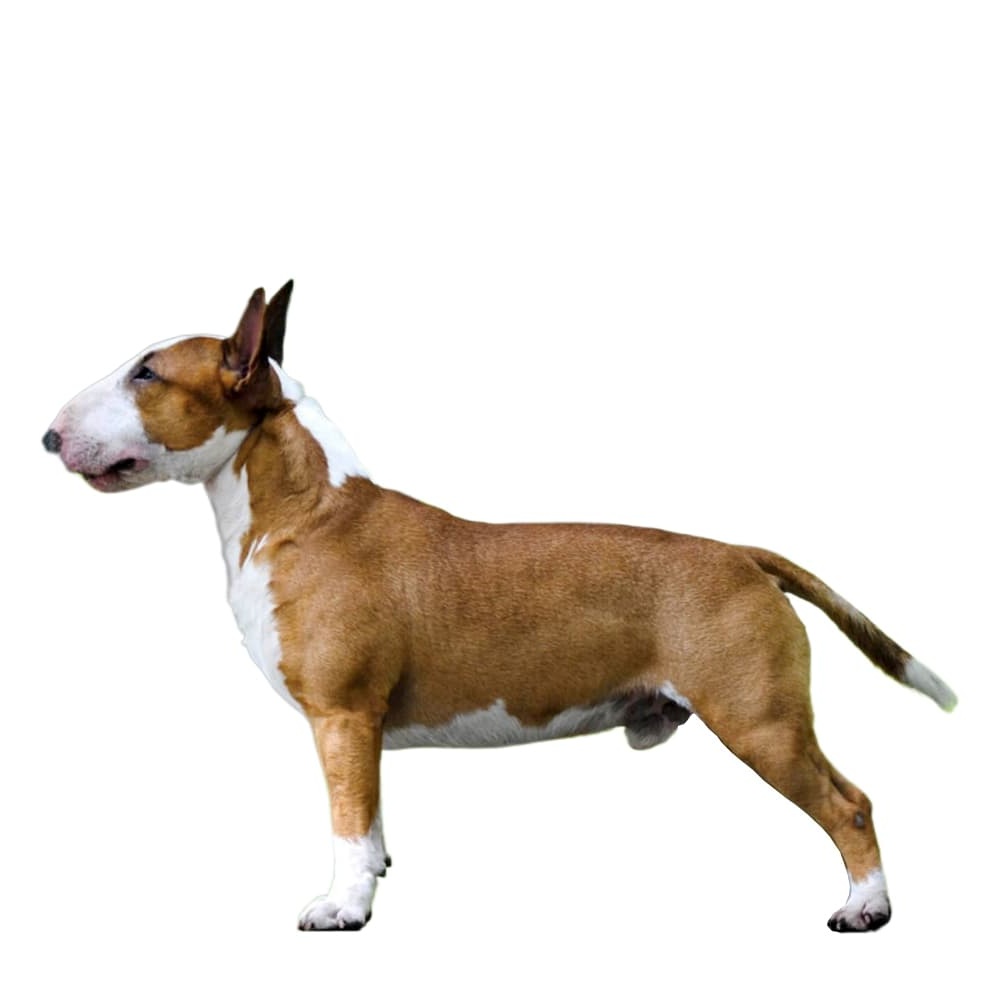
The coat is low fuss: a weekly brush with a rubber mitt or soft brush often keeps shedding under control and helps you spot skin irritation early. Baths can be occasional, and frequent bathing is not always helpful if skin is already reactive.
Because Bull Terriers can be enthusiastic about life, routine handling is worth teaching early. A simple weekly check of ears, nails, teeth, and paws helps normalise care and makes vet visits less stressful later.
Diet and nutrition: practical, not perfectionist
Bull Terriers do best on a balanced diet that supports muscle, joints, and skin. The details depend on the individual dog, their activity level, and any medical conditions, so it is worth checking with your vet if weight is creeping up or skin is persistently flaring.
In everyday life, the biggest nutrition problems are usually not about brand choice. They are about extras. Treats, chews, table scraps, and well meaning snacks can quietly push calories too high.
Common foods to avoid
Keep it simple and cautious. Several ordinary human foods can be dangerous to dogs, including chocolate, grapes and raisins, onions and garlic, xylitol, and cooked bones. If you suspect your dog has eaten something risky, contact your vet promptly.8, 9
Living with a Bull Terrier: who they suit
Bull Terriers suit people who enjoy training and can provide structure without harshness. They often thrive when they have a job, even if that job is simply practising calm greetings, walking nicely past distractions, and learning to settle when nothing is happening.
If you want a dog who blends into the background, a Bull Terrier may not be the easiest match. If you want a companion with presence, humour, and a real interest in their people, and you are willing to do the groundwork, they can be deeply rewarding.
References
- FCI standard summary page: Bull Terrier (origin, group, temperament wording)
- United Kennel Club: Bull Terrier breed standard
- The Bull Terrier Club of Victoria: Breed standard
- RSPCA Knowledgebase: Introducing a new dog or puppy to children
- RSPCA Pet Insurance: Teaching children how to interact with pets safely
- The Kennel Club (UK): BAER testing and inherited deafness
- Cornell University College of Veterinary Medicine: Canine atopic dermatitis (atopy)
- Agriculture Victoria: Human foods to avoid for cats and dogs
- RSPCA Pet Insurance: Foods to avoid feeding your dog