

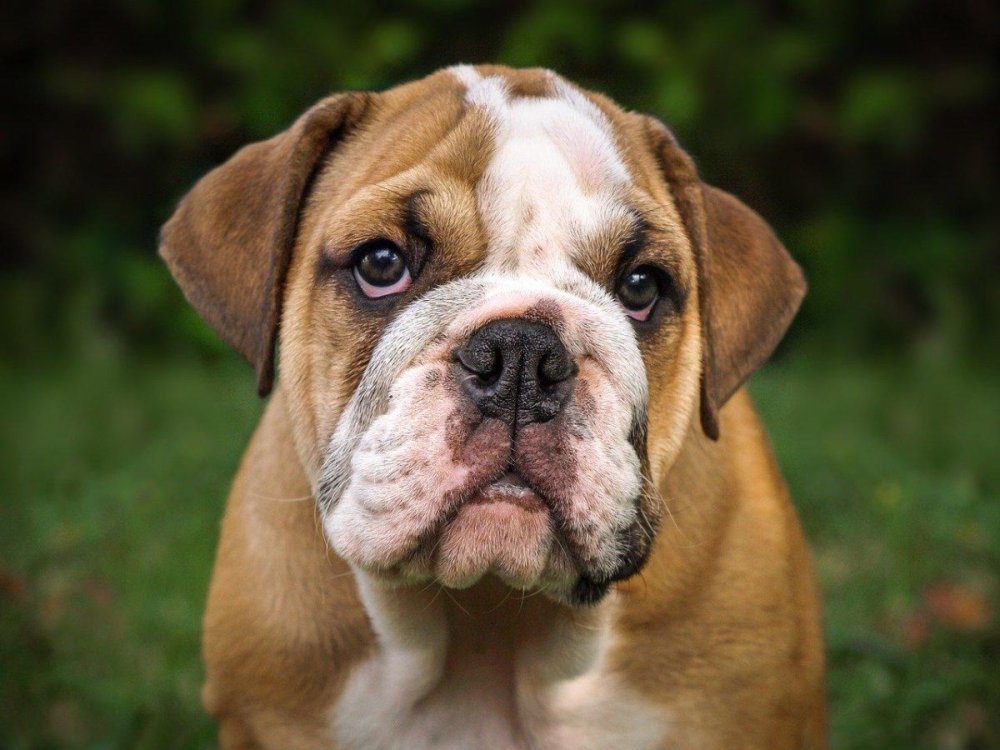
Most people don’t set out to become Bulldog experts. They notice the snoring that can rattle a whole room, the way a short walk can turn into a sit-down protest, or the constant dampness around the jowls. Then comes the quiet question: is this just “how Bulldogs are”, or is something going on that needs support?
Bulldogs can be wonderfully companionable, especially for households that like a slower pace. At the same time, their shape matters. A flat face, heavy skin folds, and a compact frame can bring very practical care needs, from heat management to skin hygiene, and sometimes to breathing and mobility issues.1, 2
If you live with one already, or you are thinking about adding one to the family, it helps to look past the stereotypes. Bulldogs are not “low effort” just because they are not built for long runs. They are often a careful, watchful breed, best matched with people who notice small changes early and build routines that keep them comfortable.
History and origin of the Bulldog
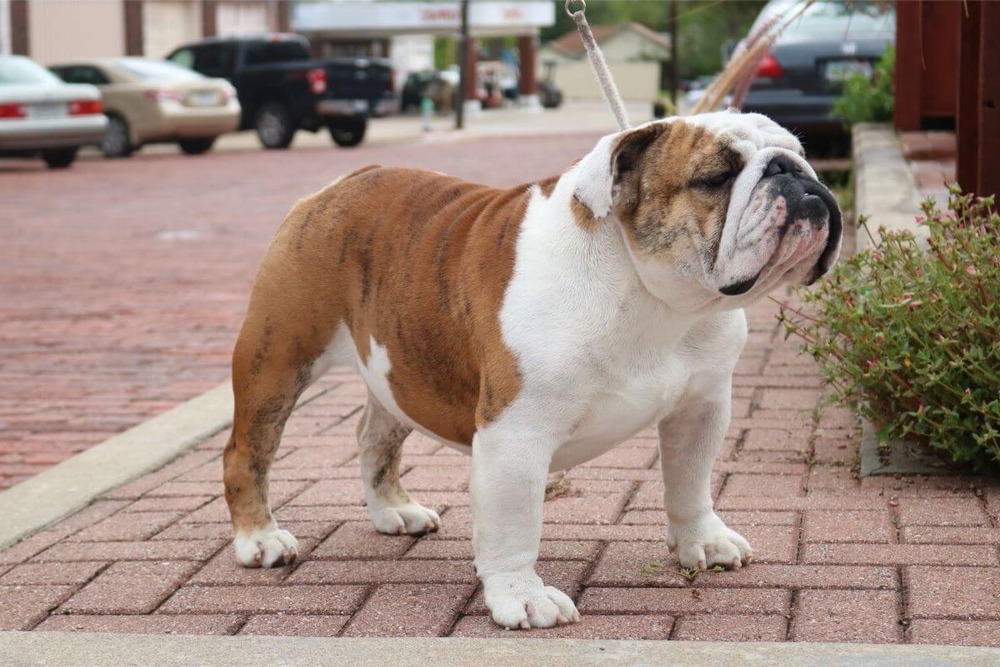
The modern Bulldog traces back to Britain, where earlier bulldog types were used in blood sports, including bull-baiting. Those dogs were selected for traits that suited that work, including determination, strength, and a body designed for gripping and holding.
In the UK, bull-baiting and the keeping of places for animal baiting were prohibited under the Cruelty to Animals Act 1835. As that world ended, the Bulldog’s future shifted toward companionship and, later, the show ring.3
Over generations, the breed’s appearance became more distinctive: shorter muzzle, heavier wrinkles, broader chest. This matters today because some of the same features that people find appealing can also affect health and function, particularly breathing and heat tolerance.2, 4
Physical characteristics: what you are really looking at
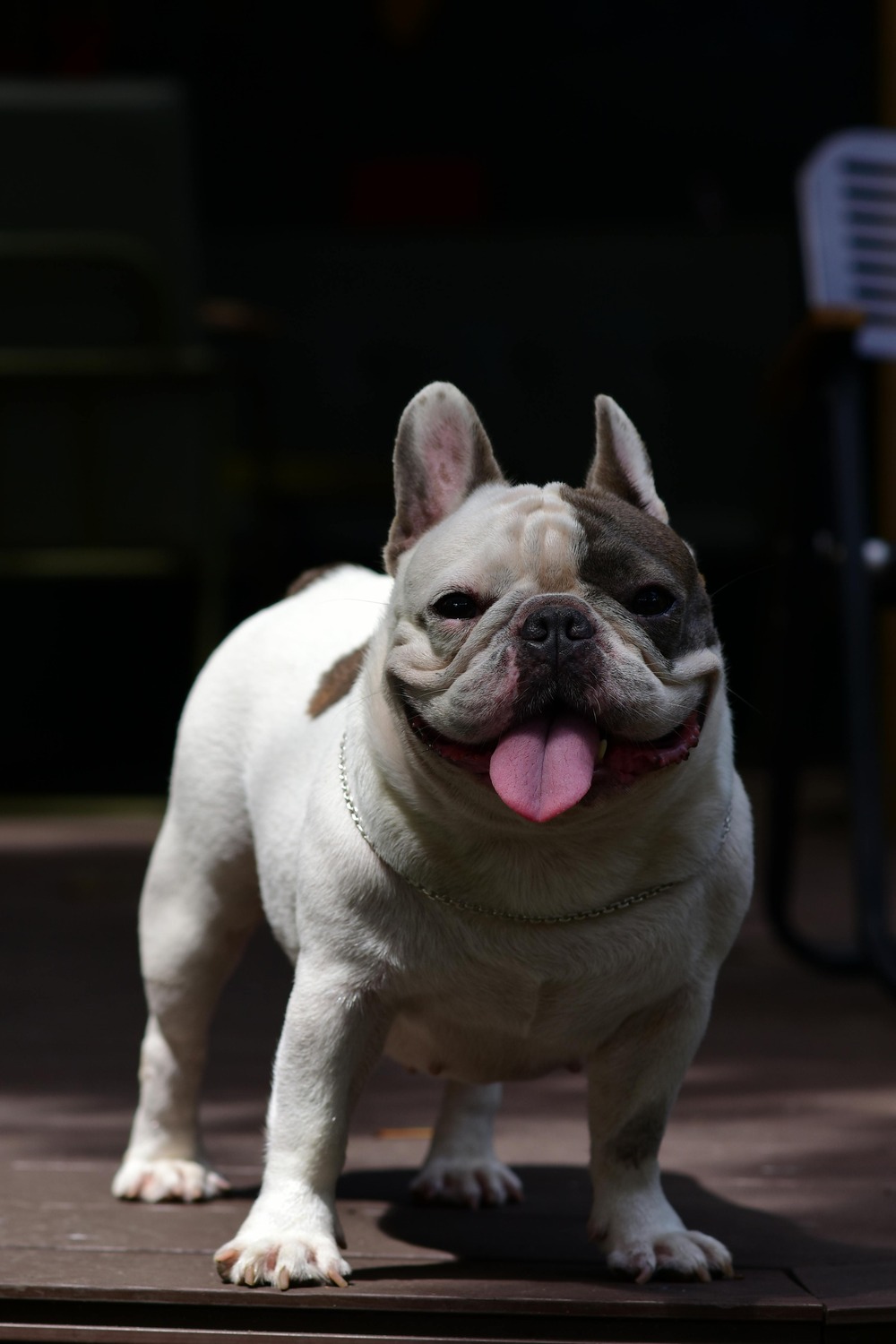
Bulldogs are a medium-sized, compact, muscular breed with a short, smooth coat. You will often see colours such as brindle, fawn, red, and white, including combinations. Their head is broad, the nose is short, and the face commonly has pronounced folds.
Those folds and the shortened muzzle are not just “style”. In many Bulldogs they are linked with the broader group of issues seen in brachycephalic (flat-faced) dogs, including noisy breathing, reduced exercise tolerance, and a tendency to overheat more easily than longer-nosed breeds.1, 2
It can help to think in terms of function. A Bulldog who can walk, play, and rest with quiet, easy breathing, and who recovers quickly after gentle activity, is very different from one who struggles on warm days or snores while awake. Subtle differences add up.
Temperament and day-to-day behaviour
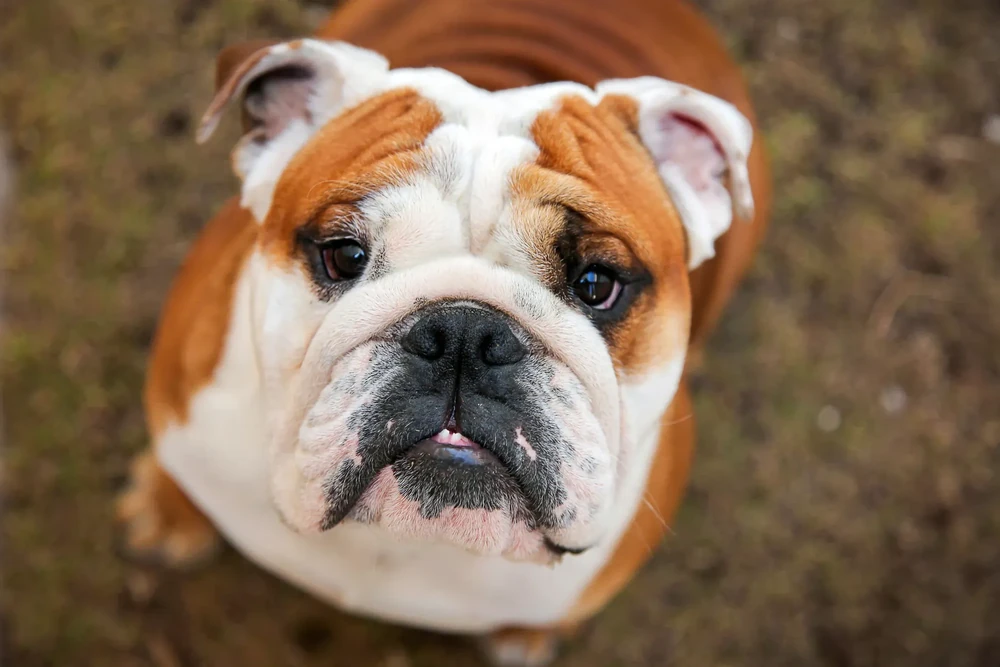
Bulldogs are widely valued for being steady, people-focused companions. Many are affectionate and enjoy close proximity to their family, often preferring to be wherever the household is, rather than off entertaining themselves.
They can also be persistent. “Stubborn” is the usual label, but it often looks more like a dog who has learned what works and is not easily rushed. With calm handling, clear expectations, and short training sessions, Bulldogs can do very well.
With children and other pets, a Bulldog’s success tends to come down to early social learning, good supervision, and choosing interactions that suit the dog’s physical limits. A boisterous game in the heat is rarely a good match for this body type, even when the dog’s attitude is friendly.
Training and exercise: small, regular, and thoughtfully timed
Bulldogs benefit from training that is consistent and low-drama. Reward-based methods tend to work best, especially when you keep sessions short and end on success. Harsh corrections are more likely to create resistance or stress behaviours than genuine learning.
Exercise is important, but it needs to be the right kind. Many Bulldogs do well with a couple of short walks each day and a bit of gentle play, adjusted for age, fitness, and the weather. The goal is not distance, it is steady conditioning without overheating.
- Choose cool times for walks, early morning or evening is often best in warm weather.5
- Watch for heavy, noisy breathing, slowing down, or reluctance to continue, and call it early.
- Avoid long games on hot days, Bulldogs can struggle to cool themselves effectively by panting.5, 6
Health considerations and lifespan
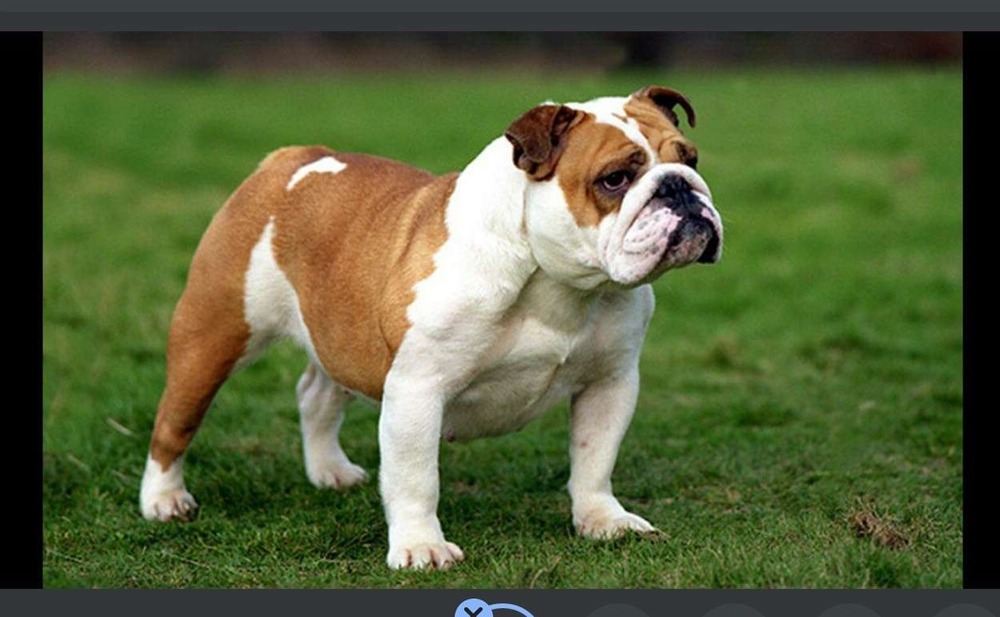
Many Bulldogs live as cherished companions, but it is also a breed where health planning is not optional. The combination of a shortened airway, compact body, and skin folds can predispose them to problems that range from mildly inconvenient to genuinely serious.
The most discussed issue is brachycephalic obstructive airway syndrome (BOAS). It can affect breathing during exercise, sleep, eating, and warm weather. In practice, owners often notice snoring, loud panting, disturbed sleep, gagging, or a dog who tires very quickly.1, 2
Skin fold dermatitis is another common theme, especially around the face and tail area, where moisture and friction can create the conditions for irritation and infection. Joint problems are also seen in the breed, and excess weight tends to make everything harder, including breathing and mobility.7
Lifespan varies, and it is best discussed with your vet in the context of the individual dog, their weight, fitness, and airway health. If you are choosing a puppy, it is reasonable to ask what health screening is done and what the breeder is doing to move away from extreme features. The UK Kennel Club and University of Cambridge Respiratory Function Grading scheme is one example of structured assessment aimed at improving breathing health in brachycephalic breeds.4
Grooming and maintenance: folds, ears, nails, and the boring basics
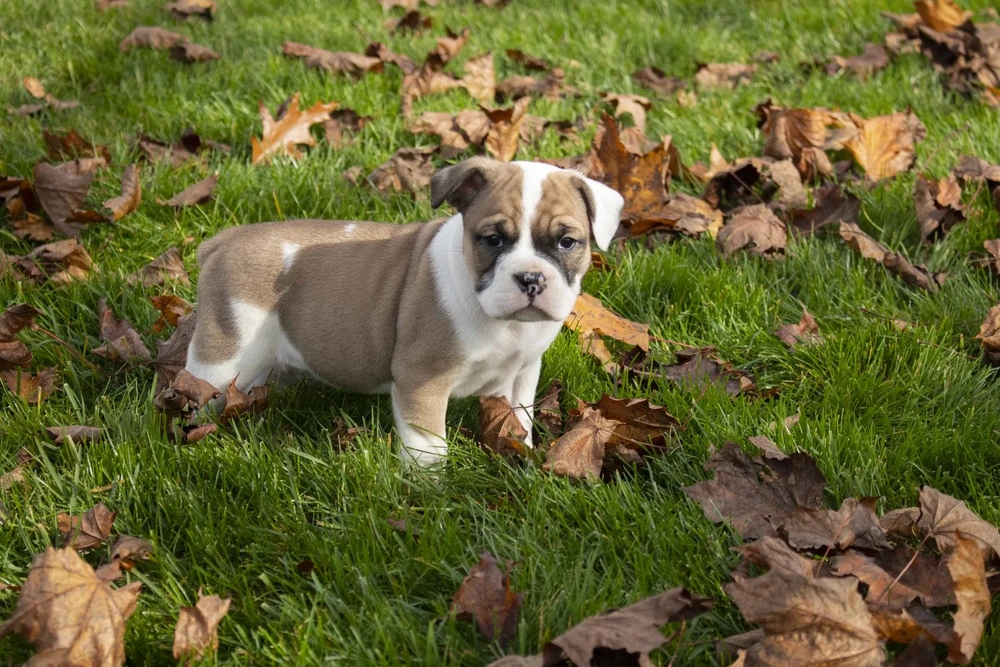
Bulldogs have a short coat that is usually easy to brush, but their care needs rarely stop at the coat. The real workload is often in skin management and general comfort.
A simple routine helps. Gentle brushing once or twice a week, regular nail trims, and ear checks are usually enough for the “outer” maintenance. The higher-priority job is keeping skin folds clean and dry, without over-scrubbing or leaving them damp afterward.
If you notice redness, odour, weeping skin, or your dog rubbing their face or bottom, it is worth checking in with a vet. Fold irritation can escalate quickly in warm, humid weather, and it is easier to manage early.
Diet and weight: the quiet lever that changes everything
Bulldogs can gain weight easily, and extra kilos can worsen breathing effort, heat tolerance, and joint strain. For many individuals, the most practical health improvement you can make is keeping them lean, not skinny, but clearly waist-lined and able to move freely.
A good-quality, complete diet is usually the simplest base. Treats are not the problem by themselves, but they can quietly double a dog’s daily energy intake if you are not watching quantities. If you are not sure, ask your vet for a target weight and a feeding plan that suits your dog’s age and activity.
On hot days, consider how meals and activity interact. Heavy exertion after eating can be uncomfortable for some brachycephalic dogs. The goal is steady routines that keep appetite, digestion, and movement predictable.
Heat safety for Bulldogs in Australia
Heat is not a side issue for Bulldogs. Flat-faced breeds can be more vulnerable to heat stress and heatstroke because they rely heavily on panting to cool down, and airway limitations can reduce how effective that cooling is. Even “mild” warmth can catch some individuals out, especially if they are excited, overweight, or unfit.5, 6, 8
Practical habits matter more than grand solutions. Choose cooler walking times, provide shade and fresh water, and use indoor cooling when needed. If your dog shows signs like relentless panting, drooling, weakness, vomiting, or collapse, treat it as urgent and seek veterinary help.
If you suspect heatstroke, guidance from animal welfare organisations generally recommends cooling with tepid or cool water and airflow, avoiding ice-cold water, and getting to a vet as soon as possible.6
Final thoughts
A Bulldog can be a deeply likeable companion: steady, comical without trying, and often happiest close to the people they live with. But they do best with owners who notice the small stuff, the breathing changes, the skin irritation starting up, the way a warm afternoon affects them more than it might affect another dog.
When you plan for that reality, and choose routines that support comfort and function, Bulldogs often settle into family life beautifully. The aim is not to wrap them in cotton wool. It is to meet the dog in front of you, with sensible expectations and good care.
References
- RSPCA Australia: The conversation we need to be having about brachycephalic dog breeds
- The Kennel Club (UK): Brachycephalic dogs
- Cruelty to Animals Act 1835 (UK Parliament)
- The Kennel Club and University of Cambridge: Respiratory Function Grading scheme launch
- RSPCA Australia: Caring for animals over summer
- RSPCA Australia: Keeping your pet safe during the heat
- The Kennel Club (UK): Bulldog (breed information and health)
- RSPCA Australia and Australian Veterinary Association: Record-breaking temperatures a particular danger to flat-faced Pugs and Bulldogs
- PDSA (UK): Bulldog breed information