

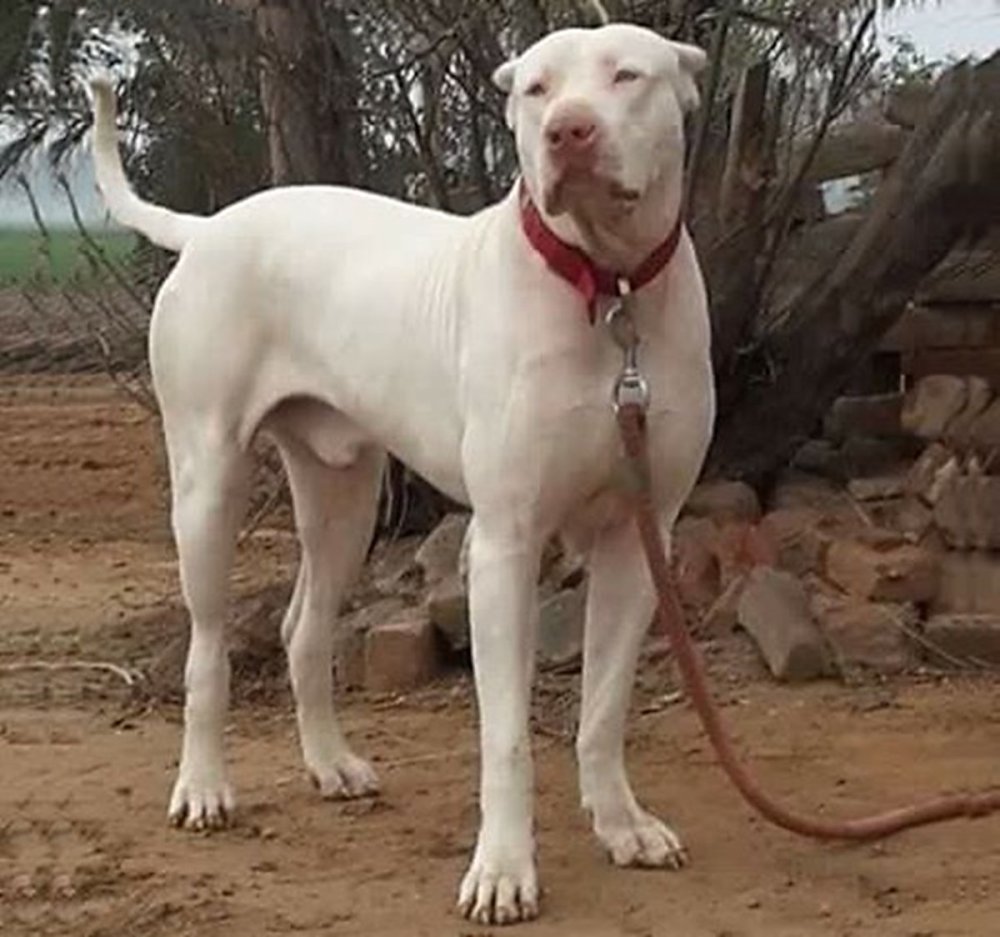
You might come across the Bully Kutta in a photo first, towering over a handler, all muscle and watchfulness. Or you might hear the name in passing, usually framed as “a guard dog” and left at that. That gap between what the dog looks like and what living with one actually involves is where most of the real questions sit.
With very large working breeds, it is easy to assume size alone explains everything. In practice, day to day life is shaped less by the headline stats and more by training approach, early social experience, health management, and whether the home environment suits a dog that was developed for demanding work. With the Bully Kutta, those details matter quickly, because this is a powerful dog with strong instincts and a body that can do damage by accident as easily as on purpose.
This breed can be deeply steady with its people when it is well raised and well handled, but it is not a casual “see how we go” sort of dog. The best outcomes tend to come from owners who plan ahead, get professional help early, and treat management as part of good care rather than a sign something has gone wrong.
- Breed category: Working
- Country of origin: Pakistan (Indian subcontinent)
- Typical height: Males about 76 to 84 cm, females about 75 to 80 cm
- Typical weight: Males about 70 to 90 kg, females about 60 to 70 kg
- Coat: Short, dense
- Exercise needs: High
- Life expectancy: Often around 8 to 12 years
- Best suited to: Experienced owners with time, space, and training support
History and where the Bully Kutta comes from
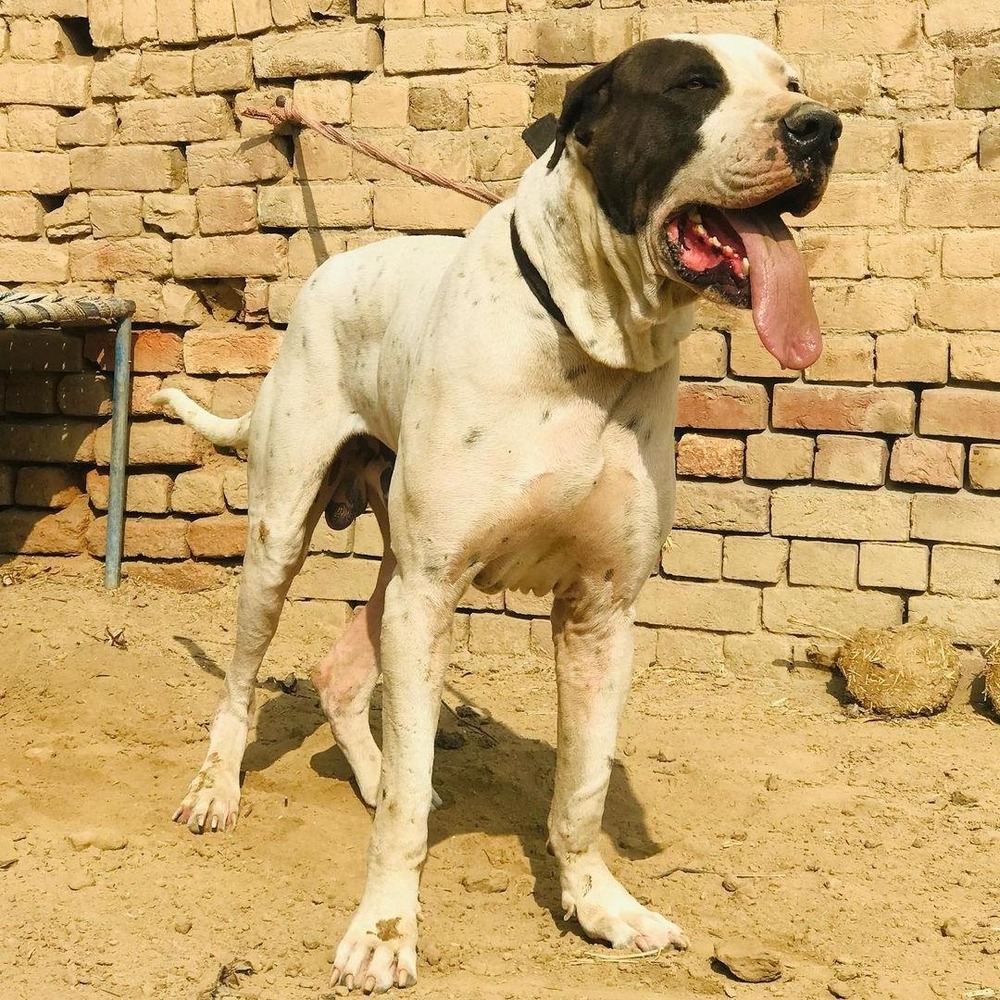
The Bully Kutta is a large working dog type from the Indian subcontinent, strongly associated with regions including Punjab and Sindh. It has been used for practical jobs such as property guarding and hunting, which helps explain the combination of athleticism, confidence, and suspicion of unfamiliar people that many owners notice early on.1
You will sometimes see very specific origin stories repeated online, including claims about particular armies or historical figures. The reality is that documentation is patchy, and many modern descriptions blend local history with storytelling. It is more reliable to treat the Bully Kutta as a regional mastiff type shaped over time for function, not as a breed with a single tidy origin point.1
Size, build, and everyday physical traits
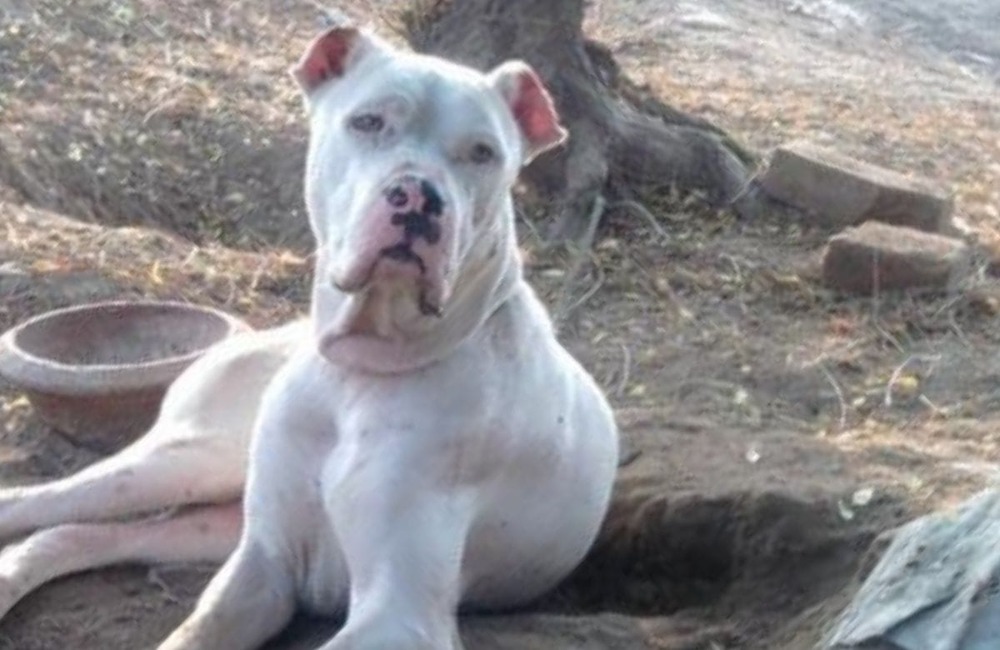
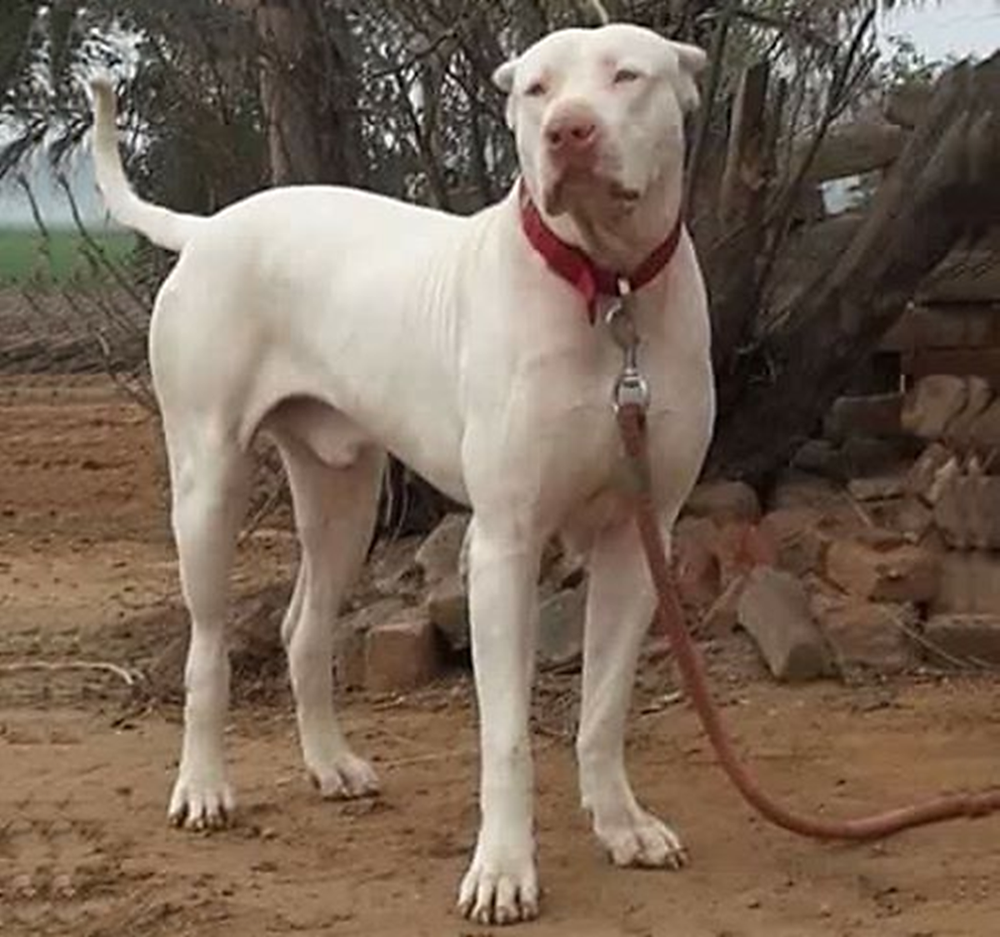
Most people remember the size first. Adult Bully Kuttas can be extremely large and heavy, with a broad chest, substantial bone, and a short coat that makes their musculature obvious. Height and weight vary widely by lines and locality, but it is common to see males in the 70 to 90 kg range, with females often lighter.1
Those numbers are not just trivia. A dog of this mass needs thoughtful handling and safe equipment, not because it is “bad”, but because the physics are real. A startled lunge at the wrong time can pull a person over, and a rough greeting can bowl over a child without the dog meaning any harm.
Coat colours are varied, including white, fawn, brindle, and black. Grooming demands are usually modest, but skin and ears still need checking, especially if the dog is outdoors a lot or tends to get minor irritations that then become infections.
Temperament and behaviour: what owners tend to notice
The Bully Kutta is commonly described as confident, alert, and protective. In real homes, that can look like a dog that watches the gate, tracks visitors closely, and settles best when daily life is predictable. Many individuals form strong attachment to their household and can be wary of strangers, especially if social exposure is limited during adolescence.1
A common misunderstanding is to label this as “dominance” and then reach for harsh, physical training. In practice, intimidation often increases risk, particularly in big, powerful dogs. Calm structure beats confrontation, with management and reward based training doing most of the heavy lifting over time.2, 3
With children, the big considerations are size, arousal, and supervision. Even a tolerant dog can cause harm unintentionally through body weight and speed. With other animals, outcomes vary, but careful introductions, controlled environments, and ongoing management are usually more realistic than assuming the dog will “sort it out”.
Training and exercise: building a safe adult dog
Early training is not about teaching tricks. It is about rehearsing the everyday behaviours that keep a giant dog safe and welcome in the world: walking on a loose lead, settling on a mat, calmly letting people pass, and being able to disengage when something exciting happens.
Reward based training is particularly important with guarding breeds, because it allows you to shape behaviour without escalating stress or defensiveness. The RSPCA’s guidance is clear: avoid training that relies on pain, fear, coercion, or “dominance” techniques, and choose methods built around positive reinforcement and clear, consistent teaching.2, 3
For exercise, think beyond distance. Many Bully Kuttas benefit from a mix of:
- Low impact conditioning, such as controlled walks and hill work, built up gradually
- Strength and stability work, guided by a vet or canine physio where needed
- Brain work, including scent games, food puzzles, and short training sessions
Because of their size, it is worth being cautious with repetitive high impact activity, especially in growing dogs. If you are unsure, a vet check and a tailored plan is a smart starting point.
Health considerations and lifespan
Large, heavy breeds are commonly affected by orthopaedic issues, including hip dysplasia. Hip dysplasia involves abnormal development of the hip joint and can lead to osteoarthritis. Signs can range from subtle stiffness to lameness, and management often includes weight control, appropriate exercise, physiotherapy, and veterinary pain relief strategies where needed.4
For many owners, the most practical “health hack” is also the least glamorous: keep your dog lean. Extra weight adds load to joints and can worsen mobility over time, especially in a dog built like a Bully Kutta.4
Lifespan is often quoted around 8 to 12 years, though it varies by genetics, care, and environment. If you are considering a puppy, it is worth asking what health screening is done in the line, and what the breeder considers normal for movement, skin, and temperament.
Grooming and day to day maintenance
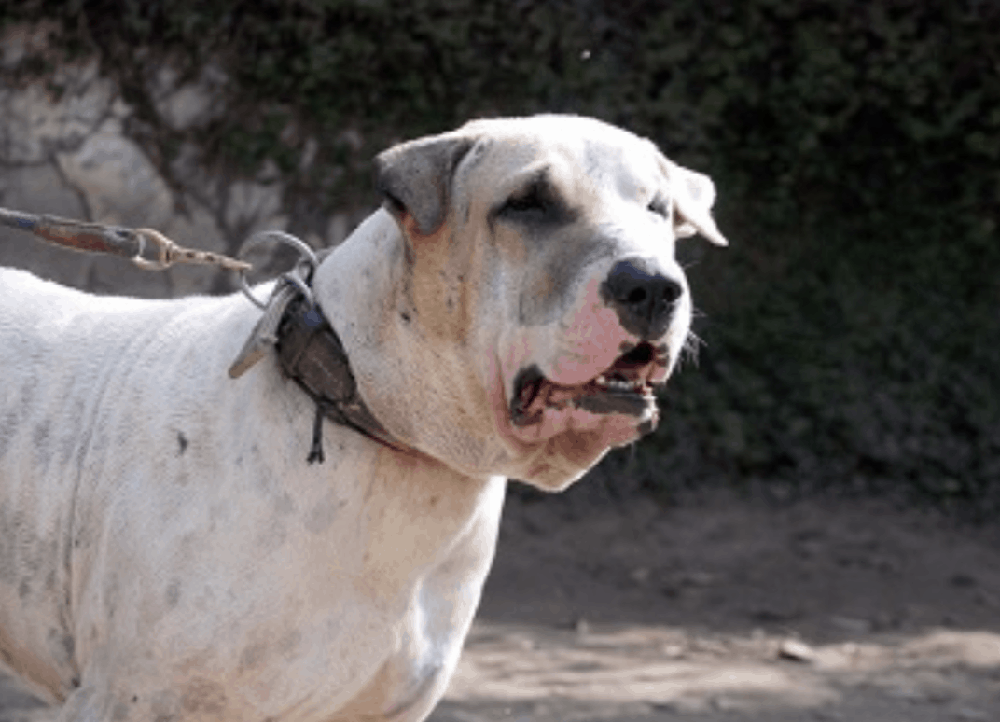
The short coat is usually straightforward: an occasional brush, bathing when needed, and regular nail trims. What matters more is routine handling. When a dog is this big, you want it comfortable with being touched and examined. That includes paws, ears, mouth, and tail, all trained slowly with rewards.
Pay attention to skin, particularly if the dog gets recurrent irritation, hot spots, or infections. A quick weekly check, combined with good parasite control and prompt veterinary advice when something changes, prevents many small problems from becoming chronic ones.
Food, growth, and keeping the body in good condition
Bully Kuttas need a diet that supports muscle, joints, and steady energy, but “high protein” is not a magic phrase on its own. The more useful question is whether the food is complete and balanced for the dog’s life stage, and whether it helps maintain an appropriate body condition over time. If you are unsure how to assess that, the WSAVA nutrition resources are a helpful starting point for choosing diets and having a sensible discussion with your vet.5
For puppies, avoid pushing growth too fast. Rapid weight gain can place extra strain on developing joints. A vet can help you choose an appropriate large breed puppy diet and set targets for weight and condition that fit your individual dog, not just the breed label.
If you are feeding treats for training, keep them small and count them. With giant breeds, little daily extras add up quickly, and weight creep is easy to miss until the dog is already carrying too much load.
Heat, cold, and practical comfort
Some Bully Kuttas cope poorly with temperature extremes, and large dogs can overheat quickly when exercised hard in warm weather. The RSPCA advises avoiding exercise in the heat, ensuring shade and airflow, and watching for signs of heatstroke such as escalating panting, drooling, weakness, vomiting, and collapse. If heatstroke is suspected, begin first aid cooling and seek urgent veterinary care.6, 7
Cold sensitivity varies, but short coated dogs can struggle with long periods outside in wet, windy weather. The practical approach is simple: dry shelter, bedding off the ground, and the option to come indoors when conditions are harsh.
Is this the right breed for you?
It is possible to admire the Bully Kutta and still decide it is not a good fit for your life. In Australia, the owners who tend to do best with very large guarding breeds have:
- Space and secure fencing, plus a plan for visitors and tradies
- Training support, ideally starting in puppyhood with a reward based professional
- Time for daily work, including exercise, enrichment, and calm social exposure
- Budget for veterinary care, food, equipment, and contingencies
If you are considering one, a thoughtful next step is to speak with a veterinarian and a reputable trainer about your set up, your experience level, and the management routines that will be necessary for the dog to be safe and settled.
References
- Wikipedia: Bully Kutta
- RSPCA Australia Knowledgebase: Training recommendations (reward-based, avoid aversive methods)
- RSPCA Pet Insurance: Positive reinforcement training
- Merck Veterinary Manual (Pet Owner): Hip dysplasia in dogs
- WSAVA: Global Nutrition Guidelines
- RSPCA Australia: Protect pets from heatstroke
- RSPCA Pet Insurance: Heatstroke (hyperthermia) in dogs
- RSPCA ACT: Hot weather pet safety