

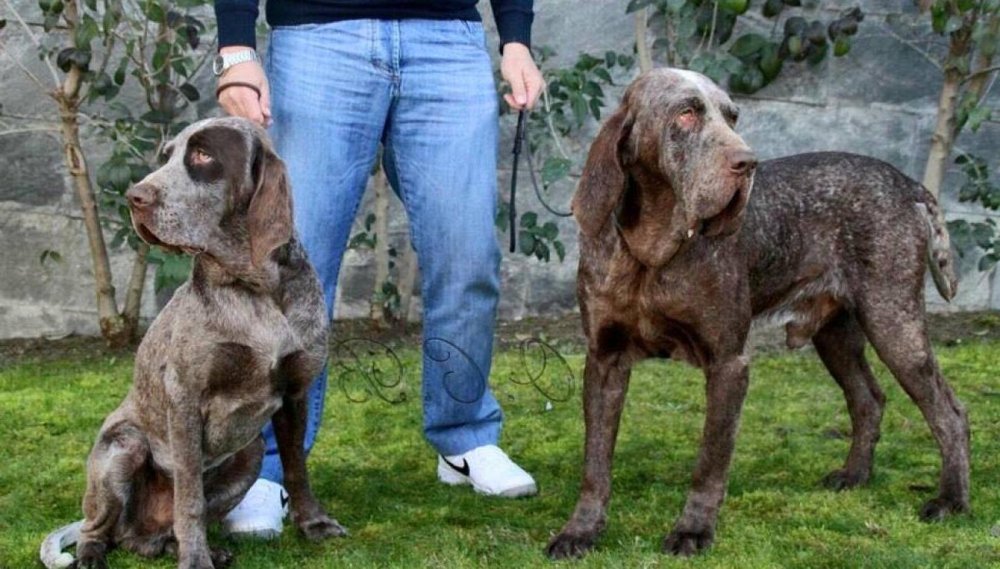
- Breed category: Gun dog (pointing dog)
- Country of origin: Spain
- Average height: Males 62 to 67 cm, females 59 to 64 cm1
- Typical weight: Commonly around 25 to 30 kg (some individuals lighter or heavier)2
- Average lifespan: Often around 12 to 14 years (varies with genetics, care, and luck)
- Grooming requirements: Low, occasional brushing
- Exercise requirements: High, needs daily activity and time to use their nose
- Coat type: Short, dense, smooth
- Coat colours: White and liver in various patterns (often mottled or speckled)1
- Shedding level: Moderate
- Ear type: Long, pendulous
- Temperament (general): Calm, steady, intelligent, typically gentle with their people when well exercised and socialised1
- Best suited for: Active homes, people who enjoy training and long walks, hunters
- Apartment living: Usually not ideal unless exercise and enrichment are genuinely substantial
You might first come across the Burgos Pointer because you have seen one on a weekend walk, in a gundog setting, or in a photo where that liver-and-white coat looks a bit different from the more familiar pointers. Sometimes it is simpler: you are trying to understand what sort of dog would actually enjoy long days outdoors without becoming edgy or restless at home.
It is easy to assume that any hunting breed will be intense all the time, or that a calm dog will be low-energy. With the Burgos Pointer (Perdiguero de Burgos), the more accurate picture is usually a dog built for endurance and methodical work, one that can look quite settled at home when its daily needs are met, and noticeably under-stimulated when they are not.
This breed matters in practice because it is still, at heart, a functional pointing dog: their body, coat, and temperament were shaped around covering ground, scenting steadily, and working close enough to stay connected with a handler. When people understand that context, their choices about training, exercise, and home setup tend to be kinder and more realistic.
Early development and working background
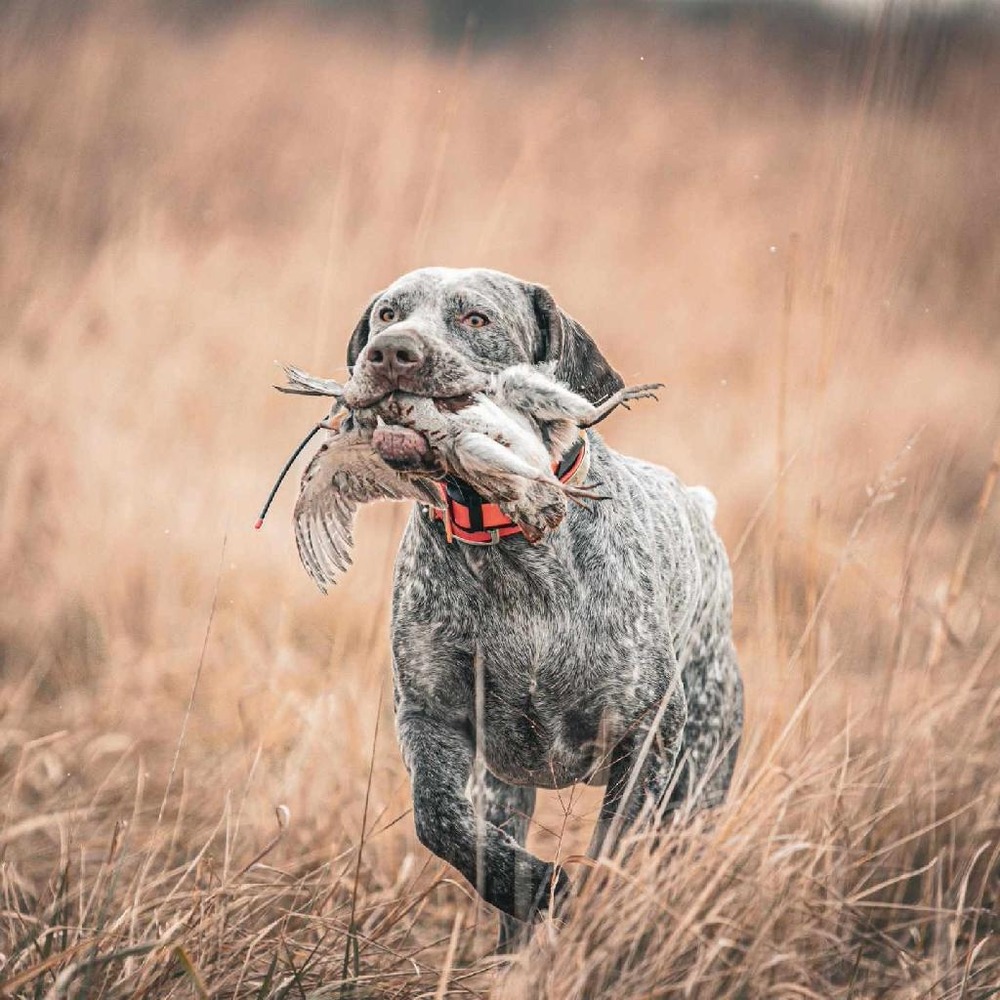
The Perdiguero de Burgos is a Spanish pointing dog associated with Castile, particularly the province of Burgos. Breed sources commonly describe it as an old type that was already established centuries ago, and often traced in writing to around the 16th century.3
In the field, the Burgos Pointer is typically valued for calm, economical searching paired with a strong nose, steady pointing, and reliable retrieving. While most often used for fur and feather (small game), breed standards also note it can be used on larger game where permitted and appropriate.1
Recognition and “not widely recognised” claims
It is sometimes described online as “not widely recognised”, which can be confusing. The breed is formally recognised by the Federation Cynologique Internationale (FCI) as Standard No. 90, and it is also recognised by the United Kennel Club (UKC) in the United States.1, 2
What can be true is that Burgos Pointers are relatively uncommon outside parts of Spain, so availability, breed clubs, and experienced trainers can be patchy depending on where you live.
Appearance and unique traits

The Burgos Pointer is a substantial, athletic dog with a square, robust outline. In the FCI standard, males are listed at 62 to 67 cm at the withers and females 59 to 64 cm.1 Their coat is short, smooth, and dense, and the classic colours are white and liver mixed in patterns that can look marbled or speckled.1
Those long, pendulous ears are part of the breed’s distinctive look, but they also come with everyday implications. Ears that hang close to the head can reduce airflow and trap moisture, which is one reason floppy-eared dogs can be more prone to otitis externa (ear inflammation and infection), especially when allergies, water exposure, or skin disease are in the mix.5, 6
What people notice in day-to-day life
When people live with a Burgos Pointer, the “unique trait” that tends to show up first is not a trick or a quirk, it is the way they use scent. A dog like this often finds sniffing deeply regulating, and it can be one of your most practical tools for meeting their needs on ordinary walks.
Temperament, family fit, and household rhythm
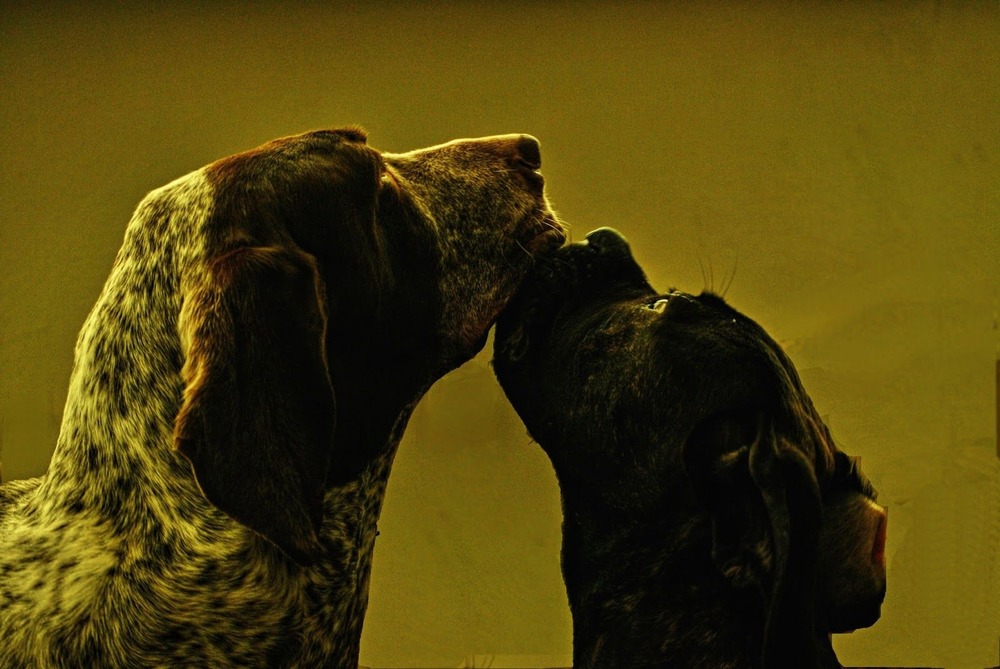
Breed standards describe the Burgos Pointer as robust, balanced, calm, and intelligent, with a soft expression and a steady nature in work.1 In a home setting, that often translates to a dog that can be gentle and sociable, provided it has enough outlet for movement and scenting.
They are commonly described as good with children, but it helps to think in terms of management rather than labels. A large, energetic dog can bowl over smaller kids without meaning to, and a dog with a hunting background may find fast, squeaky movement very stimulating. Supervision and thoughtful introductions matter, especially with toddlers and smaller pets.
If you are choosing this breed, it is worth asking a simple question: can your daily life support a dog that needs both physical exercise and quiet, structured time to use their brain? For many households, that is the real dividing line between “settled companion” and “restless project”.
Training and exercise that suits the breed
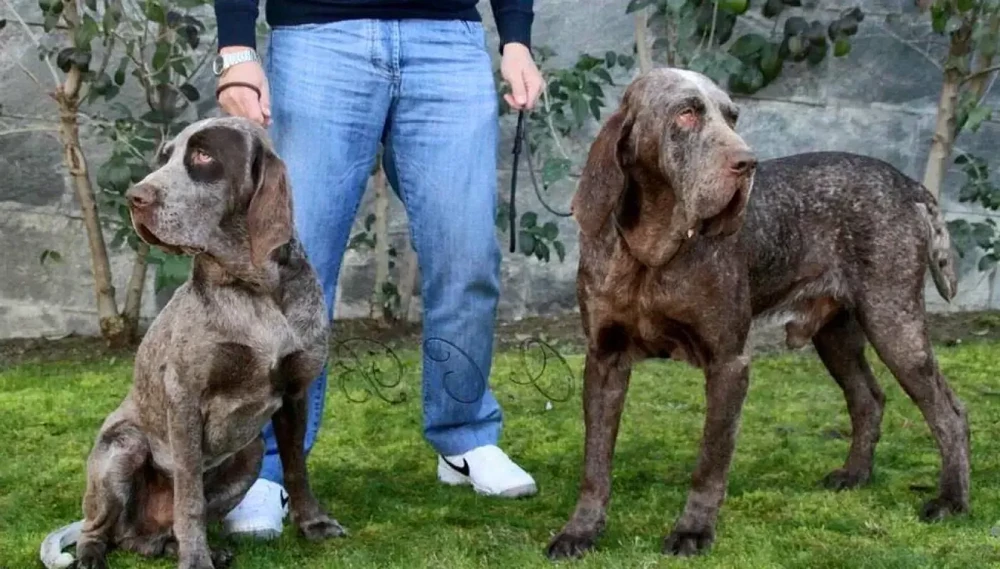
Burgos Pointers generally respond well to training that is consistent, fair, and engaging. Reward-based training methods, which reinforce behaviours you want and avoid harsh, aversive techniques, are supported by the RSPCA as both humane and effective.7, 8
For a pointing breed, the most useful “exercise” is often a blend of movement and sniffing. Long straight runs can be helpful, but many dogs do better when you also include structured decompression time, varied routes, and small training games that make them think.
- Scent-led walks where the dog can sniff at its own pace (in safe areas)
- Recall training with high-value rewards, built gradually around distractions
- Retrieving games with rules (wait, release cue, calm return)
- Puzzle feeding or scatter feeding to slow meals and add enrichment
A note on “dominance” approaches: if you are seeing advice that relies on intimidation, pain, or forcing compliance, it is worth stepping back. Aside from welfare concerns, those methods often suppress behaviour without addressing the underlying need, which can create new problems later.7
Health and preventative care
No breed is “problem free”, and for Burgos Pointers you will often see hip dysplasia and ear issues mentioned. Hip dysplasia is a developmental condition influenced by genetics and environment, and signs and severity do not always match what you might expect from a dog’s day-to-day enthusiasm.9
With ears, it is less about blaming the ear shape and more about staying alert to patterns. Recurrent ear infections are commonly linked with underlying causes such as allergies, moisture, parasites, foreign material (including grass seeds), or other skin disease. If ears keep flaring up, treating the infection is only part of the job, you and your vet are usually trying to identify the driver.5, 6
Practical prevention habits
- Keep nails, teeth, and parasite prevention on a steady routine
- After swimming or baths, dry the ear flap area well and watch for redness or odour
- If your dog is slowing down, stiff, or uneven behind, book a vet check rather than “waiting it out”
- Ask breeders about health screening and what they do to reduce inherited risk
Grooming, coat care, and everyday maintenance
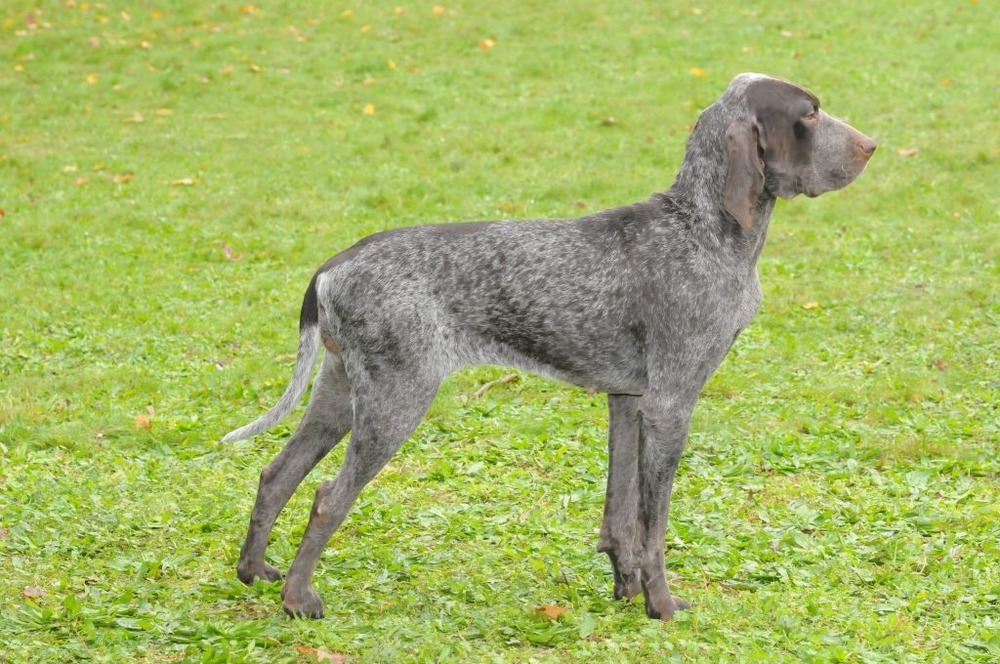
The coat is one of the simpler parts of living with a Burgos Pointer. A short, dense coat tends to do well with an occasional brush to lift dead hair and keep the skin in good order. Shedding is usually moderate, and it can increase seasonally.
Bathing is best kept sensible. Too frequent bathing can dry out the skin, but leaving an active dog unwashed for long stretches can also build up grime, pollen, and allergens. If your dog is prone to itchy skin or ear flare-ups, talk with your vet about a routine that supports the skin barrier without over-stripping it.
Nutrition and keeping a working dog body
Feeding advice often gets reduced to brand debates, but a better question is whether the diet suits the individual dog in front of you. The WSAVA Global Nutrition Guidelines emphasise an overall approach that includes nutritional assessment and choosing diets based on appropriate, evidence-led criteria, not marketing shortcuts.10
Because Burgos Pointers are built for athletic work, it can be surprisingly easy to miss gradual weight gain, especially in desexed adults or during quieter seasons. Alongside portion control, regular weigh-ins and body condition checks help you adjust before extra kilos become “normal”.
If you are unsure, your vet can help you set a target body condition and a realistic feeding plan. For many dogs, the most effective changes are small and consistent: slightly smaller meals, fewer calorie-dense treats, and more low-stress daily movement.
Final thoughts on living with a Burgos Pointer
The Burgos Pointer makes the most sense when you view it as a dog shaped by purposeful work, not as an all-purpose pet that will “fit in anywhere”. In the right home, that background can feel like a gift: a steady companion outdoors, a dog that enjoys learning, and a presence that is often calmer than people expect from a gundog.
If you are drawn to the breed, plan for daily exercise plus enrichment, choose reward-based training, and take the ears, joints, and overall condition seriously from the start. Most of the time, those practical choices are what allow the Burgos Pointer’s best qualities to show up naturally.
References
- FCI Standard No. 90: Perdiguero de Burgos (Burgos Pointing Dog)
- United Kennel Club (UKC): Breed Standards, Perdiguero de Burgos
- Wikipedia: Burgos Pointer (overview and history summary)
- RSPCA Knowledgebase: Reward-based dog training and why it is supported
- Animal Medical Center: Ear infections in pets, causes and treatments
- American College of Veterinary Surgeons: Otitis externa overview (predisposing causes include floppy ear flaps)
- RSPCA Knowledgebase: Training recommendations, avoid aversive methods and equipment
- RSPCA Australia: The do’s and don’ts of training your dog
- Orthopedic Foundation for Animals (OFA): Hip dysplasia in dogs
- WSAVA: Global Nutrition Guidelines