


Most people first notice a Ca de Bou because of the silhouette. A compact, muscular dog with a broad head can read as “tough” at a glance, especially if you have only seen the breed in photos. Then you meet one in person and the impression often shifts. Many are quieter than expected, watching first, then warming once they have worked out what is going on.
That contrast is part of what makes the breed interesting, and also why it is easy to misunderstand. A Ca de Bou (also known as the Majorca Mastiff, or Perro Dogo Mallorquín) can be a steady companion in the right home, but they are not a plug-and-play family dog. How they are raised, handled, and managed day to day makes an outsize difference to how “easy” they feel to live with.
If you are considering one, or you already share your home with a Ca de Bou, it helps to look beyond the headlines of strength and guarding. The practical questions are simpler: what does this dog need to feel safe, what helps them stay relaxed around people and other animals, and what keeps their body comfortable over a lifetime?
At a glance: Ca de Bou basics

Origin: Spain (Balearic Islands, particularly Mallorca).1
- FCI name: Majorca Mastiff (Perro Dogo Mallorquín, Ca de Bou).1
- Typical size: Medium-sized molossoid, commonly around 52 to 58 cm at the shoulder and roughly 30 to 38 kg, depending on sex and build.1
- Coat: Short, dense, usually low fuss, but expect some shedding.1
- Life expectancy: Often around 10 to 12 years (varies with genetics, weight, exercise, and general health care).6
Breed labels like “working” or “guarding” can be helpful shorthand, but they do not tell you how an individual dog will behave in your kitchen, on a suburban footpath, or at the vet. For this breed, early experiences and steady handling tend to matter at least as much as raw temperament.
History and origin
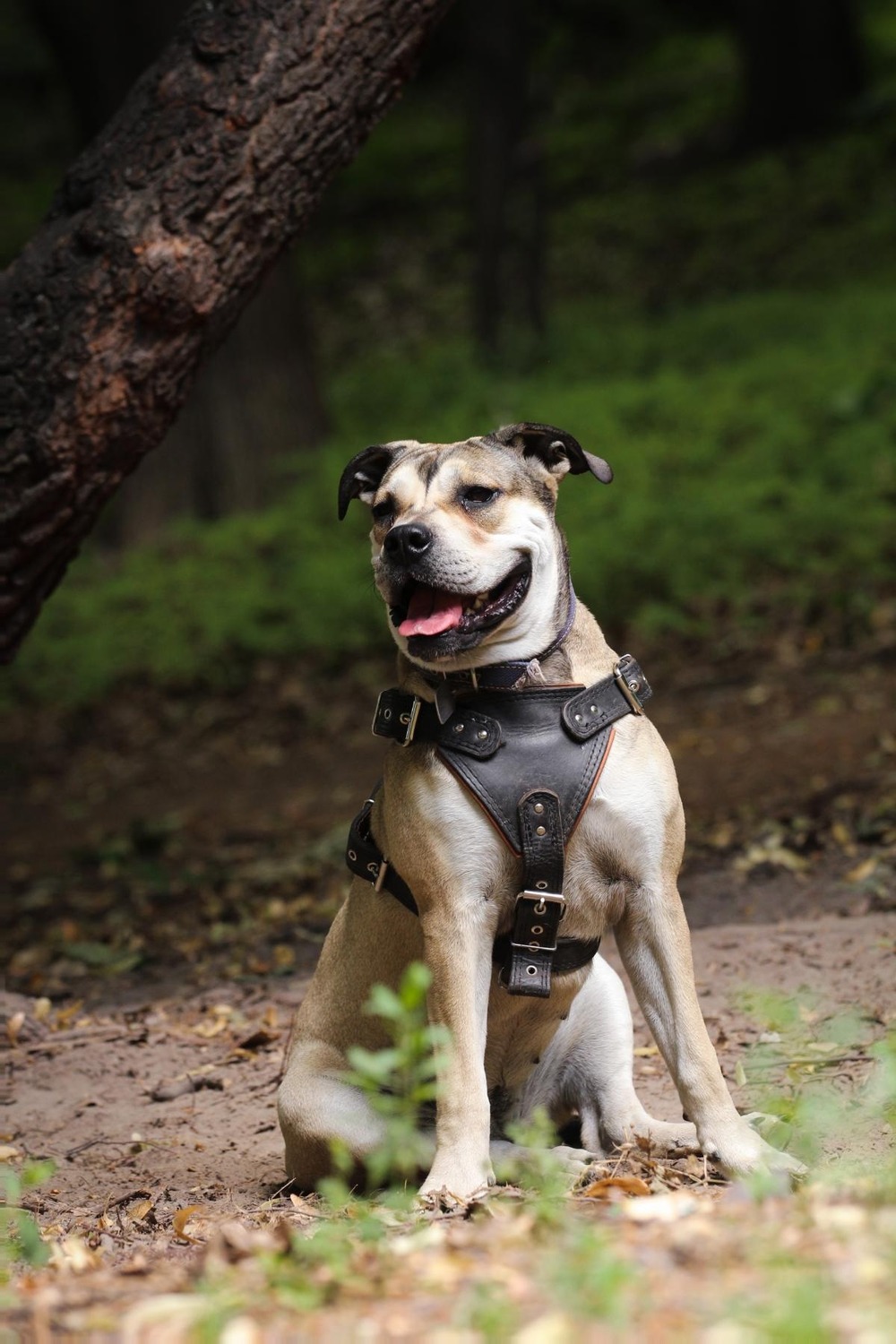
The Ca de Bou is a Spanish breed recognised by the Fédération Cynologique Internationale (FCI) under the standard for the Majorca Mastiff.1 Historically, the type developed in the Balearic Islands as a watch and guard dog, shaped by the needs of island life and the movement of dogs through Mediterranean trade routes.1
You will sometimes see confident claims about precise “ingredient breeds” (for example, bulldog crossed with terrier). In reality, most modern breed histories are messier than that. What we can say with more confidence is that the breed sits within a molossoid tradition: strong, compact dogs selected for utility, steadiness under pressure, and the ability to deter intruders through presence alone.1
Today, most Ca de Bous are kept as companions. Their history still shows up in the way many of them move through the world: observant, physically powerful, often more reserved with strangers than exuberantly social. That is not “bad” or “good” in itself, but it does shape the kind of home they suit.
Physical characteristics
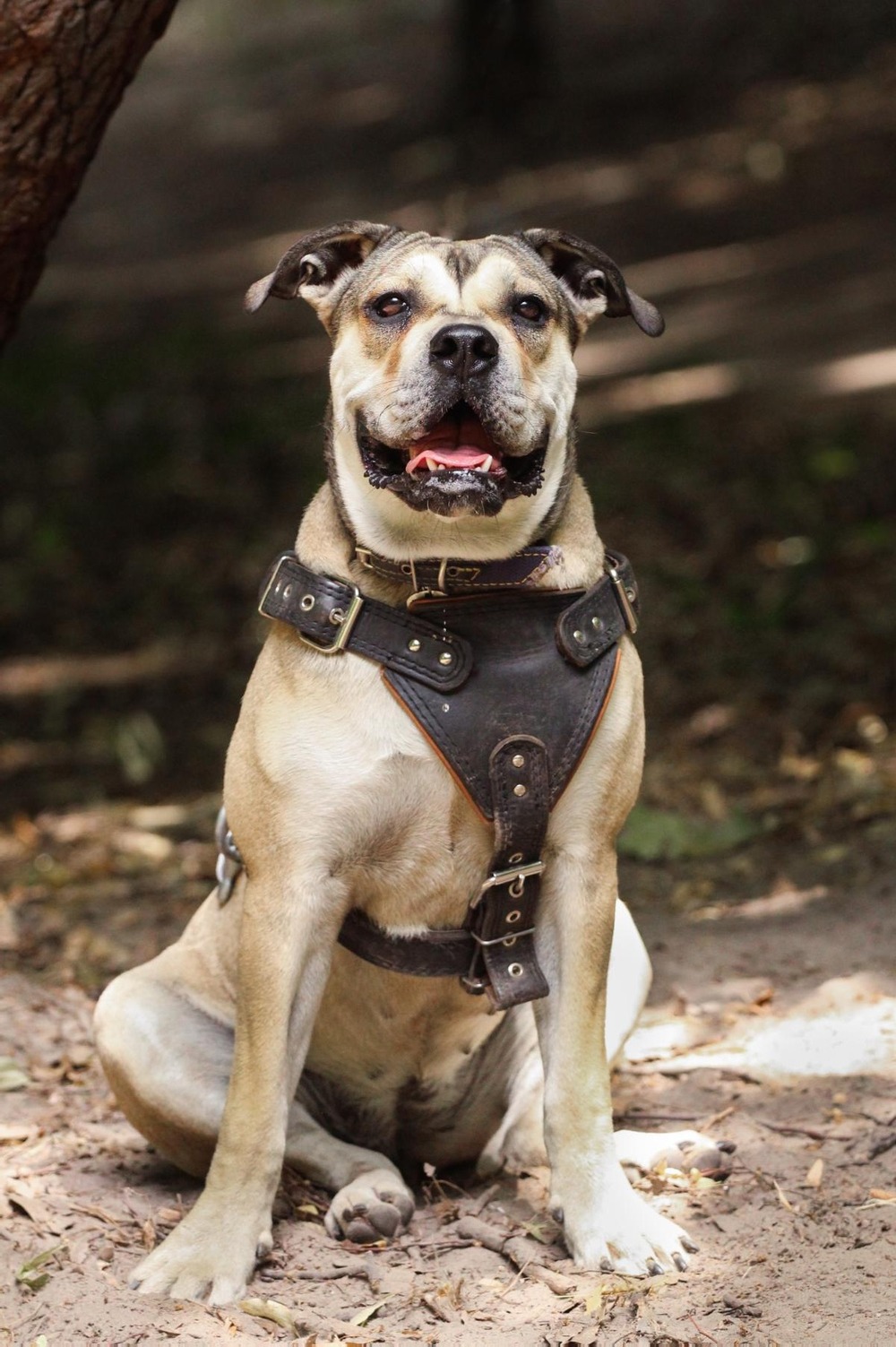
A Ca de Bou is typically a medium-sized, powerfully built dog, with a deep chest, solid bone, and a broad head that gives them their distinct look.1 Their coat is short and dense, most commonly seen in shades such as fawn and brindle, and sometimes black, depending on lines and local preferences.1
Because they are naturally muscular, it is easy to miss when a Ca de Bou is carrying extra body fat. The difference matters: keeping them lean supports joints, stamina, and comfort as they age.5, 8
Temperament and behaviour in daily life

Many Ca de Bous are calm at home and naturally watchful. A common pattern is a dog who settles well with their own people, then becomes more alert when visitors arrive or when something changes outside the routine. That can be a useful trait, but it needs guidance so it does not become over-responsibility.
The breed is often described as loyal and protective. In practice, that can look like a dog choosing a vantage point near the front of the house, or stepping between you and a stranger without being asked. A thoughtful approach is to teach your dog that you will handle the situation. Clear routines, mat training, and structured greetings can help them stand down instead of escalating.
With children, the usual rules apply, and they matter even more with a strong, solid dog. Supervise interactions, protect the dog’s rest time, and coach children to avoid climbing, hugging tightly, or interfering with food and toys. Even a tolerant dog can react if surprised, cornered, or sore.7
With other dogs and pets, outcomes vary. Some Ca de Bous are social with familiar dogs, others are selective. What tends to help is early, positive exposure, and a realistic acceptance that “friendly with everyone” is not a requirement for a safe, well-managed dog.
Training and socialisation
If you live with a Ca de Bou, you quickly learn that confidence and self-control are built through repetition, not intensity. The aim is a dog who can notice things, then recover quickly, rather than a dog who never reacts at all.
For puppies, socialisation is less about meeting everyone, and more about gentle, positive exposure to everyday life: different surfaces, household noises, people in hats and sunglasses, car trips, calm handling of paws and ears, and short visits to new environments where the puppy can observe without being overwhelmed.2
Training methods that lean on punishment or confrontation can backfire with guarding breeds. A steadier path is reward-based training, paired with management that prevents rehearsing unwanted behaviour. If you need help, look for a qualified trainer who can work with the dog in front of them, not just the breed on paper.
- Start with foundations: name response, recall games, lead manners, settling on a mat.
- Practise greetings: predictable routines for visitors reduce arousal and uncertainty.
- Build neutrality: being calm near other dogs is often a better goal than “play with everyone”.
Exercise and enrichment
Most Ca de Bous do well with a moderate daily routine: walks, sniffing time, and some training or problem-solving. They are athletic enough to enjoy structured activities, but they are not usually the kind of dog who needs hours of running to be manageable.
What helps most is consistency. A dog who walks at roughly the same times, with the same expectations, often settles better than a dog who is under-exercised during the week then over-stimulated on weekends.
Enrichment does not have to be complicated. Short scent games, food puzzles, and a few minutes of skill training can take the edge off in a way that pure physical exercise sometimes cannot.
Health considerations and lifespan
Like many medium-to-large, muscular breeds, Ca de Bous can be affected by joint issues such as hip dysplasia. Hip dysplasia involves looseness and instability in the hip joint, which can contribute to pain and arthritis over time.8
Not every dog will develop problems, but prevention and early support matter. Keeping your dog at a healthy weight, avoiding sudden overfeeding during growth, and talking with your vet about appropriate exercise for your dog’s age and structure are all sensible steps.5, 8
Skin irritation and allergies are also commonly discussed in short-coated breeds. If you notice persistent itching, recurrent ear problems, or red, inflamed skin, it is worth getting veterinary guidance rather than cycling through shampoos and diet changes on your own. Comfort is the goal, and chronic itch can affect behaviour as well as health.
Grooming and routine care

The Ca de Bou coat is short and generally easy to maintain. A weekly brush is usually enough to lift dead hair and keep the skin in good condition. During seasonal shedding, brushing a bit more often can make life easier for everyone.
Routine care matters more than glamour grooming. Nails that are too long can change gait and place extra strain on joints. Ears should be checked regularly, especially if your dog is prone to irritation.
Dental care is often overlooked until there is a smell, visible tartar, or pain. Many veterinary sources describe regular brushing as the best home-care option for plaque control, and it is worth introducing it gradually, in a calm, reward-based way.9
Diet and nutrition
Feeding a Ca de Bou well is less about chasing the “perfect” ingredient list, and more about choosing a complete diet that suits your dog’s body condition, activity level, and life stage. Veterinary nutrition guidance often recommends a structured approach: assess body condition regularly, take a clear diet history, and adjust as needed rather than sticking to fixed portions forever.5
For strong, compact dogs, portion control is not a minor detail. Extra weight can quietly increase stress on hips and elbows, and can reduce a dog’s willingness to move and play as they age.5, 8
If you are considering home-prepared diets or raw feeding, it is worth discussing with a veterinarian, ideally one with nutrition training. Nutritional imbalance can be subtle at first and harder to correct later, particularly during growth.
Is the Ca de Bou a good fit?
A Ca de Bou can be a rewarding dog for someone who appreciates steadiness, enjoys training in small daily moments, and is comfortable managing a dog that may not be universally social. They often do best in homes that offer clear boundaries, calm handling, and a predictable routine.
They are not usually a great match for people who want a dog park regular, or who prefer a “friendly with everyone” temperament. That is not a flaw. It is simply part of living with a watchful breed.
If you are looking at a puppy, prioritise breeders who are transparent about health screening and temperament, and who raise puppies with thoughtful early experiences. If you are adopting an adult, give the dog time. A Ca de Bou that looks reserved at first may relax into the household over weeks, not days.
References
- Fédération Cynologique Internationale (FCI): Majorca Mastiff (Ca de Bou) breed standard information
- RSPCA Australia: Socialising your puppy
- RSPCA ACT: Puppy socialisation sessions (overview of gradual, positive exposure)
- WSAVA: Global Nutrition Guidelines
- WSAVA: Global Nutrition Guidelines (toolkits and nutrition assessment resources)
- Merck Veterinary Manual (consumer): Geriatric dog care (general context for ageing and lifespan variability)
- American Veterinary Medical Association (AVMA): Tips to prevent dog bites, including supervision around children
- American College of Veterinary Surgeons (ACVS): Canine hip dysplasia overview
- Greencross Vets: Dental home care for pets