

You usually come across the Ca Mè Mallorquí in a slightly roundabout way: a photo online labelled “Majorcan shepherd”, a conversation about rare Spanish working dogs, or a rescue listing that does not quite match the breed you expected. The name itself adds to the confusion, because Mallorca has more than one native breed, and some are far better known outside Spain than others.
What helps is to step back from the labels and look at what the Ca Mè Mallorquí actually is: a Mallorcan pointing dog traditionally used for hunting, shaped by the island’s terrain and the practical needs of local hunters. It is not a “shepherd” in the usual sense, even though it shares its home island with a genuine shepherd and guard breed.
If you are considering one, or simply trying to identify a dog you have met, the details matter in everyday life: exercise needs, socialisation, and health screening all land differently for a hunting pointer than they do for a livestock guardian.
Quick profile: Ca Mè Mallorquí at a glance
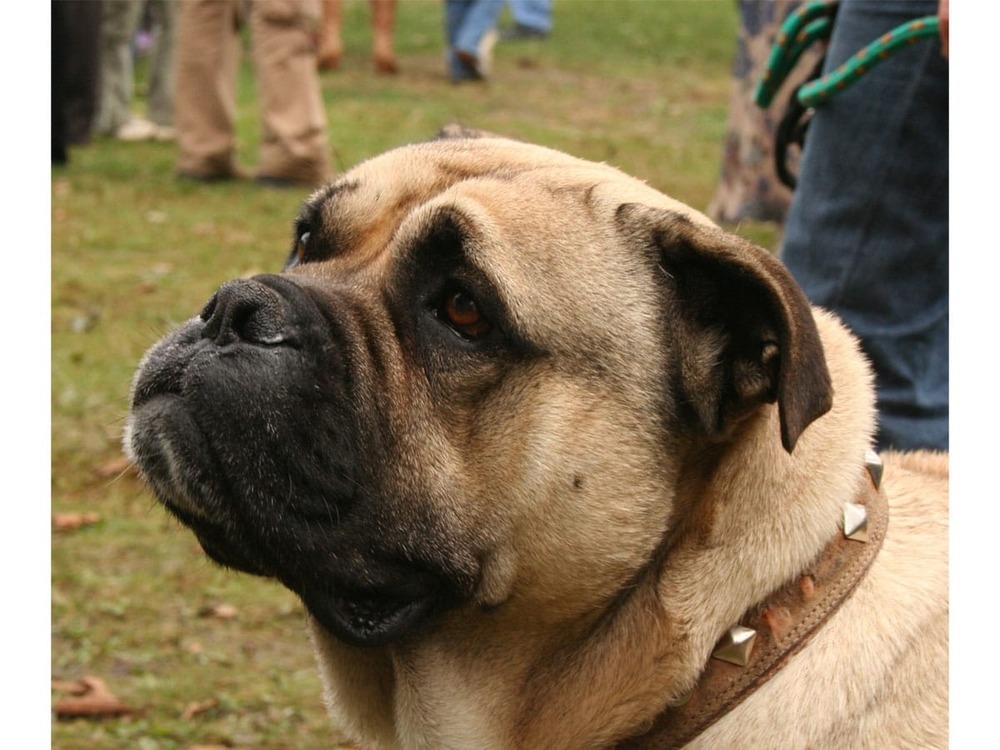
- Type: Pointing dog (hunting)
- Origin: Mallorca (Balearic Islands), Spain1
- Coat: Short, smooth, dense
- Typical colours: Commonly solid or bi-colour, colour range varies by lines and local standards1
- Recognition: Recognised under Spanish national law (standard published in 2004), not recognised by the FCI1, 2
- Rarity: Uncommon outside Spain, with relatively small numbers even on the islands1
Clearing up the name confusion
It is easy to mix the Ca Mè Mallorquí up with the Ca de Bestiar, because both are native to Mallorca and both are described as “Majorcan” dogs in English-language sources. The key difference is purpose.
The Ca Mè Mallorquí is described as a pointing dog used for hunting.1 The Ca de Bestiar, by contrast, is the island’s recognised shepherd and property guard breed, and it is recognised by the FCI (Standard No. 321).3
If you are reading older material or informal listings, you may see “Majorcan Shepherd” used loosely. In practice, that label fits the Ca de Bestiar far more accurately than the Ca Mè Mallorquí.1, 3
Where the Ca Mè Mallorquí comes from, and what it was bred to do
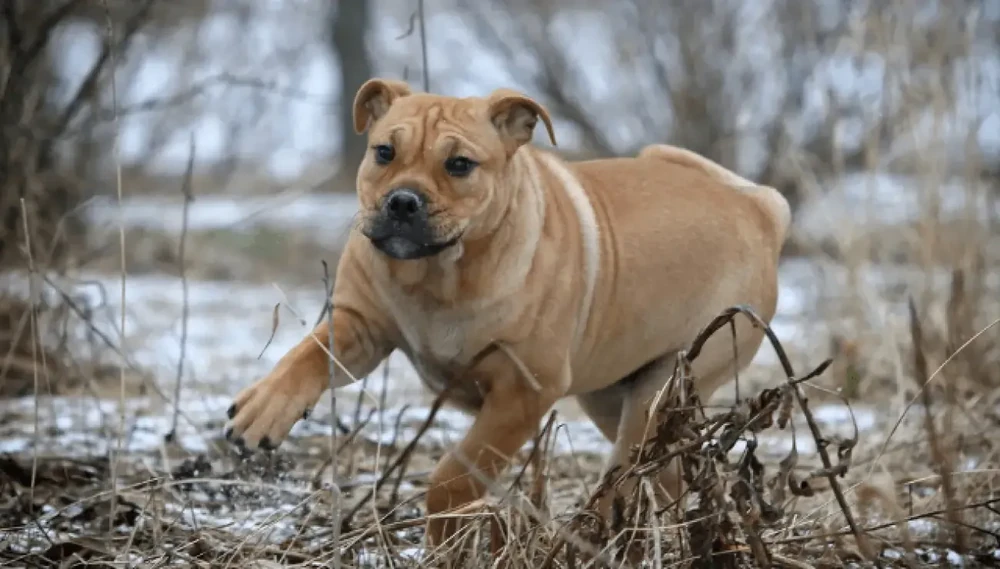
Most “breed temperament” descriptions make more sense when you remember the job. The Ca Mè Mallorquí developed on Mallorca as a working hunting dog. It was used by local hunters over the 18th, 19th, and early 20th centuries, then declined as imported pointing breeds became more common.1
Conservation efforts are relatively recent: a breed club was formed in 1995, the Balearic Islands government recognised the club and established a stud-book in 2002, and the Spanish Ministry of Agriculture officially recognised the breed in 2004.1
This history matters because it points to a dog selected for stamina, cooperation, and environmental awareness, rather than the very different pressures that shape herding and guarding breeds.
Temperament and day-to-day suitability
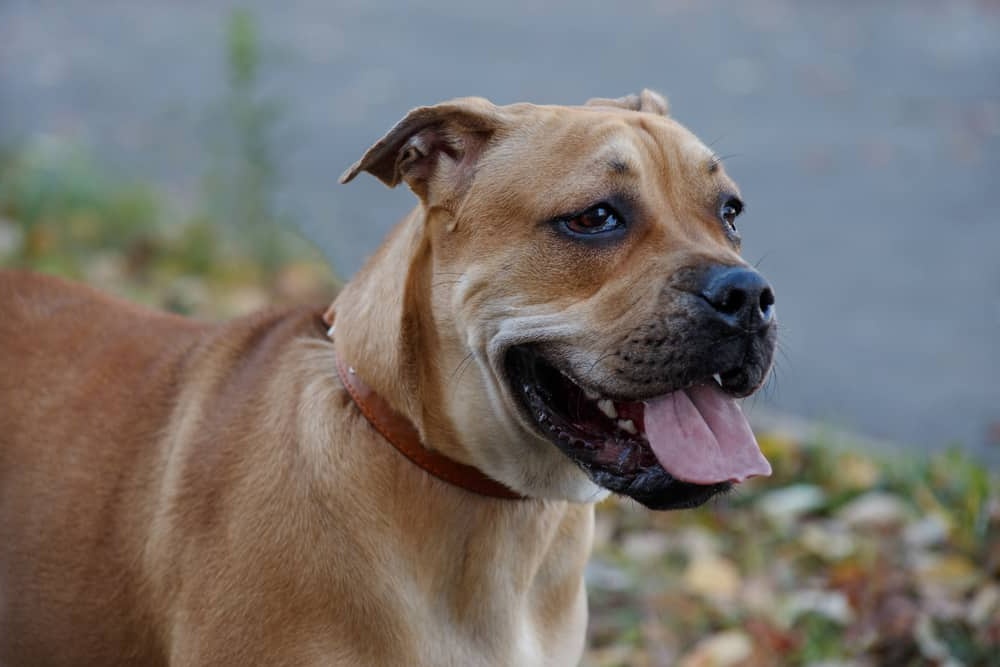
In broad terms, pointing breeds tend to do best when their world includes movement, scent, and time outdoors. A Ca Mè Mallorquí that has enough to do will often look “easy” to live with. Without that outlet, the same dog can become busy, mouthy, or simply hard to settle.
It helps to think in terms of needs rather than labels like “loyal” or “protective”. Many dogs will be attentive to their people. What stands out in a hunting dog is often the drive to range and investigate, and the need for regular work that uses the nose and the brain.
They can live well with children and other pets, but this depends on early social learning, thoughtful management, and honest assessment of prey drive. It is not a moral failing in a dog to chase, it is often a normal expression of genetics and reinforcement history.
Training and socialisation that actually helps
With rare breeds, people sometimes assume training will be “special” or complicated. In practice, what tends to help most is surprisingly ordinary: consistent handling, clear reinforcement, and enough repetition that skills hold up around distraction.
The most time-sensitive piece is socialisation. The RSPCA describes a critical socialisation period for puppies, roughly between 3 to 17 weeks, where positive experiences can shape how a dog copes with the world later on.4
Keep it practical and calm. You are aiming for a dog that can move through normal life without being overwhelmed, not a dog that “loves everything”. Reward-based training is recommended by the RSPCA, and it fits well for sensitive or environmentally aware dogs because it reduces conflict and helps build predictable patterns.4
- Build handling comfort: ears, feet, mouth, collar grabs, gentle restraint.
- Teach settlement early: mat work, crate relaxation, short calm periods between play.
- Practise recall in stages: long line first, then gradually add distance and distraction.
Exercise and enrichment, beyond “a long walk”
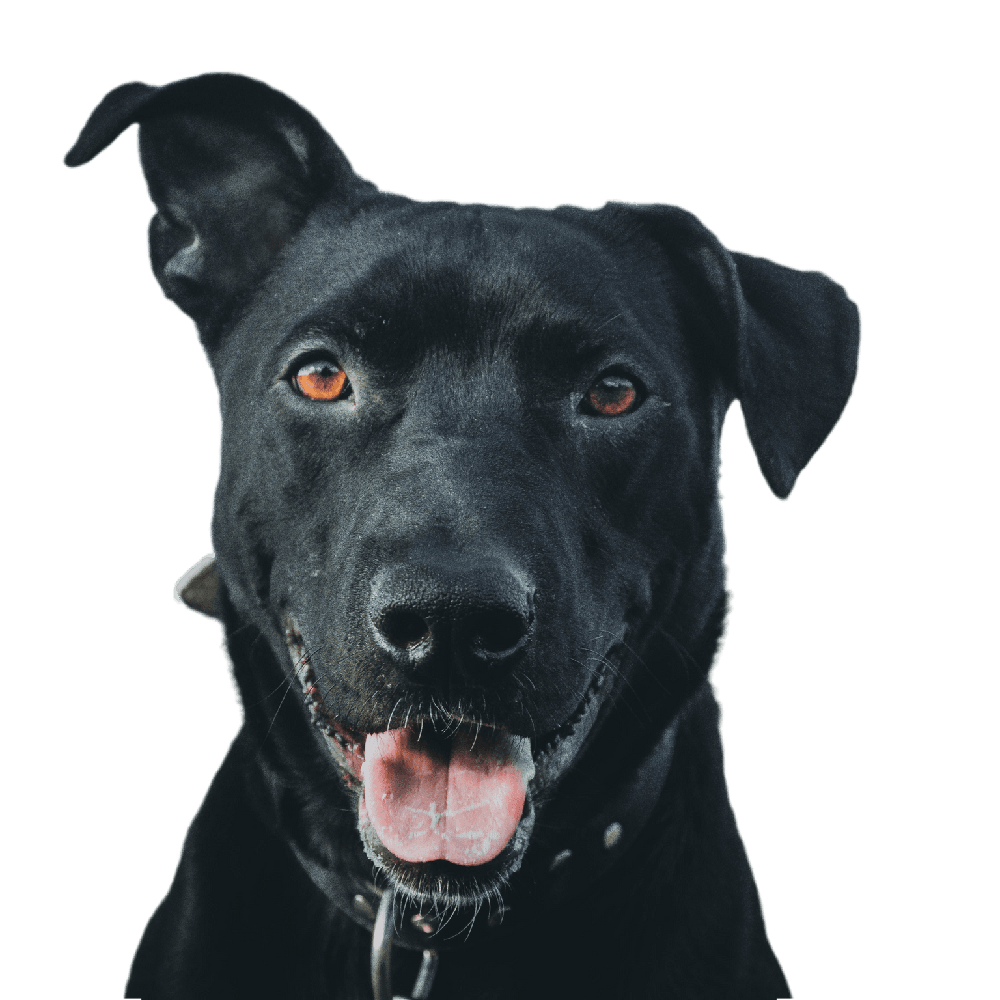
For a dog shaped by hunting work, physical exercise is only one part of the picture. Scent work, food scatters in the yard, tracking-style games, and structured off-lead time in safe areas often do more for the dog’s overall wellbeing than simply adding kilometres.
Daily movement still matters, especially for adult dogs. Aim for a routine that includes both cardiovascular activity and lower-arousal exploration. If your dog comes home wired, not tired, it can be a sign that the activity is overstimulating rather than satisfying.
For puppies, be conservative with repetitive high-impact exercise while the body is still developing. Your vet can help tailor an age-appropriate plan for growth, fitness, and joint care.
Health: what to watch for and how screening works
With less common breeds, the hard truth is that public data can be sparse. It is still sensible to think in terms of common canine risks, and to choose breeders and vets who take screening seriously.
Hip dysplasia is one condition that can affect many medium and large dogs. The Orthopaedic Foundation for Animals (OFA) explains that hip dysplasia is linked to abnormal hip joint development, with clinical signs varying widely, and that environmental factors such as calorie intake and exercise can influence severity.5
Eyes are another area where screening can be valuable. The OFA eye certification information notes that, for many ocular disorders, heritability may be described with terms such as “presumed inherited” until the genetic basis is clearly defined, and that specialist consensus and registry information are used in the meantime.6
If you are buying a puppy, ask what the parents have been screened for, how often, and whether results are shared transparently. If you are adopting an adult, talk with your vet about a baseline joint and eye check, especially if you see stiffness, reluctance to jump, squinting, or persistent redness.
Feeding and body condition: keeping it simple and evidence-led
Nutrition advice online can become strangely ideological. What tends to matter most in day-to-day life is whether the diet is complete and appropriate for the dog in front of you, and whether the dog is maintaining a healthy body condition.
The WSAVA Global Nutrition Guidelines were developed to help veterinary teams and owners navigate nutrition decisions and avoid misinformation, with a focus on individual assessment and practical tools for selecting diets.7
Two very workable habits are: weigh your dog regularly (or at least track body condition with your vet), and adjust intake as activity levels change across seasons. For active hunting-type dogs, lean body condition is not just aesthetic, it can be protective for joints over time.
Living with a rare breed responsibly
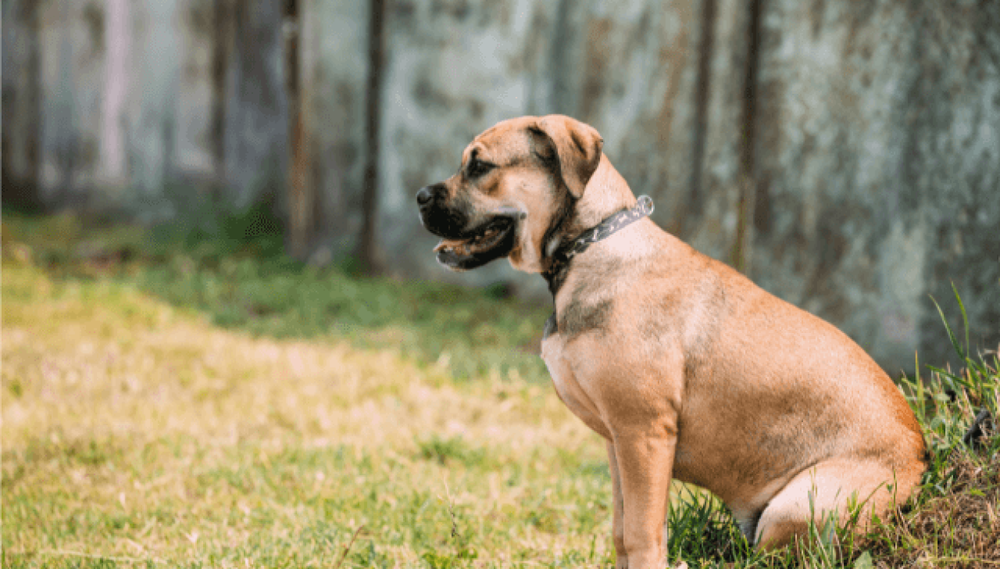
Rarity has a certain romance, but it also means fewer experienced people to learn from locally, fewer established rescue pipelines, and sometimes inconsistent information online. It can be tempting to fill in the gaps with assumptions, especially when a dog looks “like” a more familiar breed.
If you are trying to confirm breed identity, treat it as a clue-gathering exercise rather than a verdict. Photos, temperament notes, and a vet’s physical assessment can help. DNA tests may or may not be informative for very rare regional breeds, depending on what is represented in the company’s reference database.
If you are sourcing a puppy, do not rush. A careful breeder who can explain the breed’s working background, socialisation plan, and health screening is worth waiting for. For many households, the best match will be a dog that fits their routines, not a name on a label.
References
- Wikipedia: Ca Mè Mallorquí
- Boletín Oficial del Estado (Spain): Indigenous Spanish dog breeds standards published 30 March 2004 (PDF)
- Fédération Cynologique Internationale (FCI): Ca de Bestiar, Standard No. 321 (PDF)
- RSPCA Knowledgebase: Is socialising my puppy important?
- Orthopaedic Foundation for Animals (OFA): Hip Dysplasia
- Orthopaedic Foundation for Animals (OFA): Eye Certification
- WSAVA: Global Nutrition Guidelines