

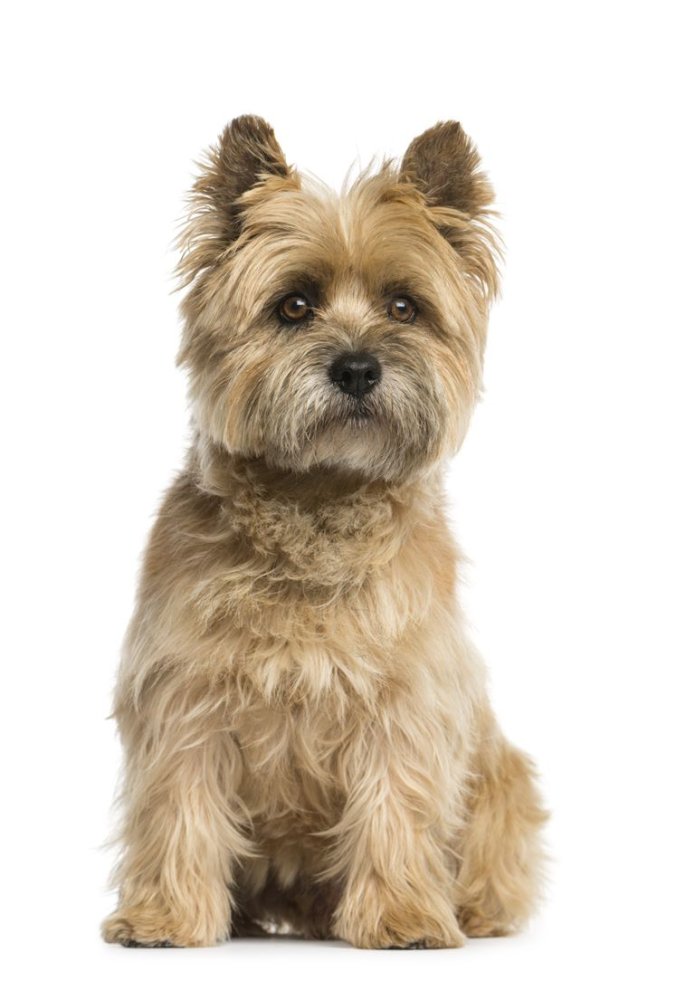
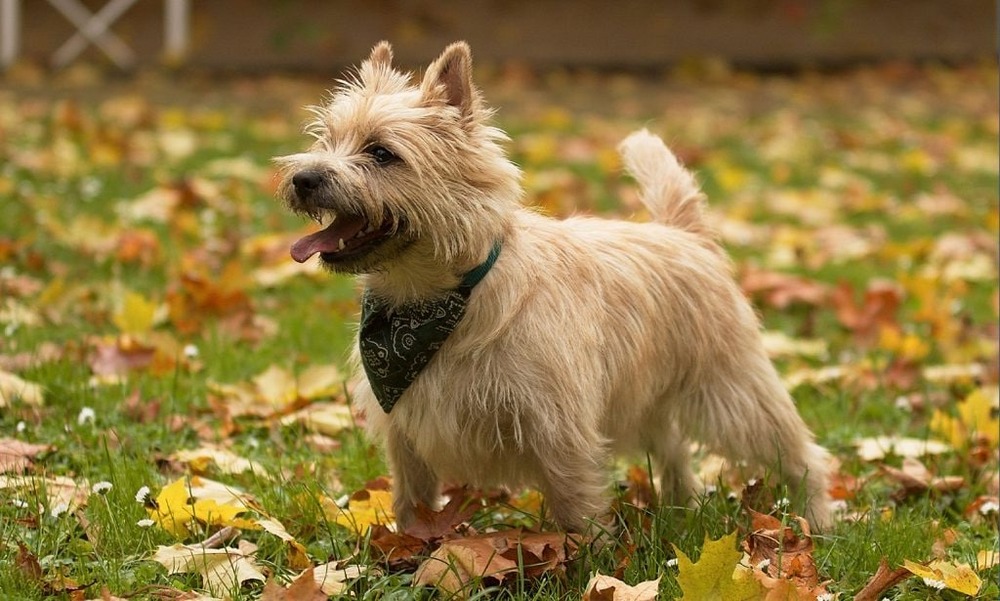
People often come to the Cairn Terrier after noticing a certain kind of small dog that does not act “small”. They are compact, shaggy, and quick on their feet, and they tend to move through the world like they have a job to do, even when the job is simply patrolling the backyard or supervising the kitchen.
It is also common to assume a dog this size will be low-effort. In practice, Cairns are usually easier to fit into your home than they are to “switch off”. Their terrier wiring still shows up in everyday life: curiosity, independence, and a readiness to chase, dig, and bark if the environment invites it.
When you understand what the breed was built for, the rest starts to make sense. A Cairn Terrier can be a deeply satisfying companion for the right household, especially one that enjoys a dog with opinions, energy, and a bright little mind.
At a glance
Breed group: Terrier
Origin: Scotland
Typical size: Around 28 to 31 cm at the withers, ideally about 6 to 7.5 kg (breed standard guidance)1
Coat: Weather-resistant, double coat with a harsh outer layer and softer undercoat1
Typical life expectancy: Often 14 to 15 years or more in many lines, with good care2
Good fit for: People who like a small dog with stamina, curiosity, and a bit of grit
Where the Cairn Terrier came from
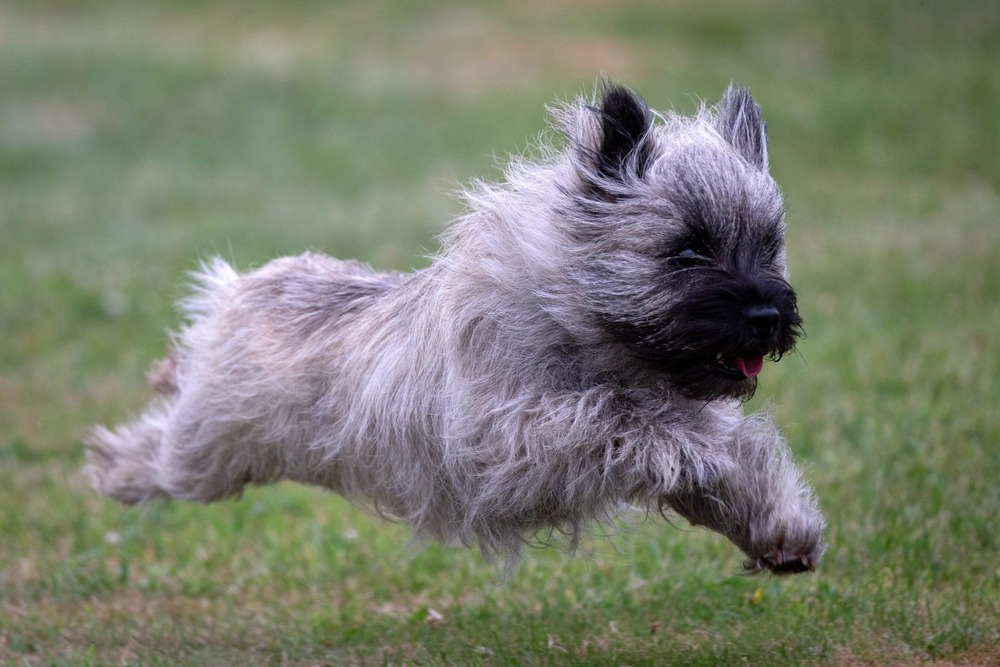
The Cairn is one of the native Scottish terriers, historically used to control vermin in rocky country and around stone piles known as cairns. That background matters because it explains why so many Cairns still show a strong interest in movement, scent, and anything that might be hiding in a crevice.3, 4
Modern Cairn Terriers are most often family companions, but they tend to retain the breed’s “working first” design. You will usually see it in the way they problem-solve: they can be persistent, they do not always wait for permission, and they often enjoy tasks that involve searching, sniffing, and investigating.
Practical takeaway: a Cairn is rarely a purely decorative pet. They do best when their day includes a little purpose, even if it is a short training session, a sniffy walk, or supervised digging in an approved spot.
Temperament, personality, and what living with one feels like
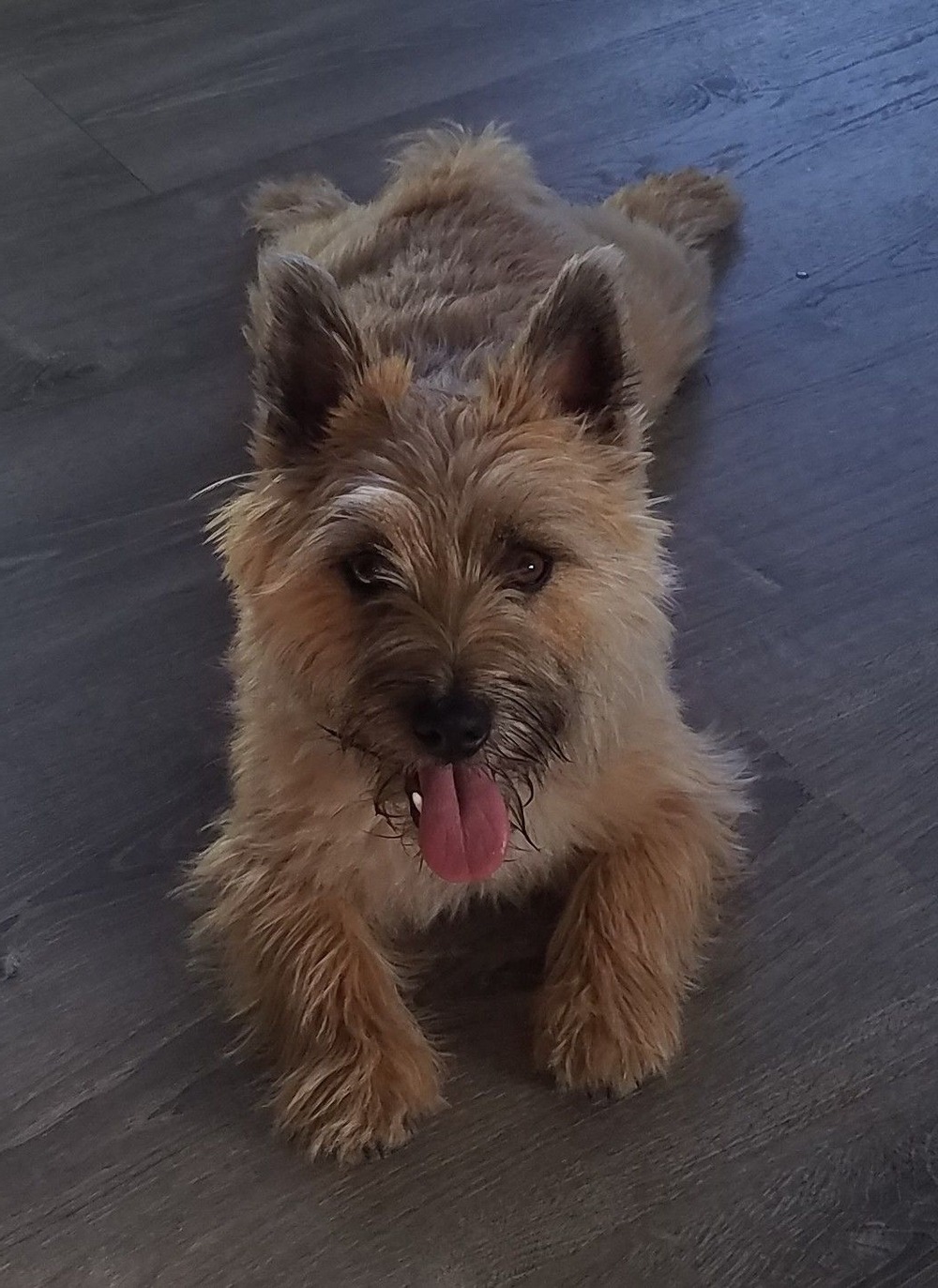
Cairn Terriers are often described as active, game, and hardy, with a fearless, lively disposition that should be assertive but not aggressive.1 In a household setting, that can look like a dog who wants to be involved, notices patterns quickly, and does not automatically defer to other dogs or people.
They are typically affectionate in their own way, but they are also independent. That independence can be charming when you want a dog who can entertain themselves for short periods. It can be challenging if you expect immediate compliance, or if you have not set up consistent boundaries and reinforcement.
Common day-to-day themes: alertness at the window, enthusiasm on walks, a tendency to “comment” with barking, and a strong interest in small moving animals. None of these are faults. They are simply terrier traits that need thoughtful management.
Children and other pets
Many Cairns live well with children when adults guide the relationship. The key is not assuming a small dog will tolerate clumsy handling. Teach children to give the dog space when resting, avoid grabbing, and keep play predictable.
With other pets, early socialisation helps, but instinct matters. A Cairn may still be inclined to chase smaller animals, particularly outdoors. If you have cats, rabbits, guinea pigs, or backyard chickens, plan for careful introductions and ongoing management, not a one-time “meet and greet”.
Training and exercise that suits a Cairn
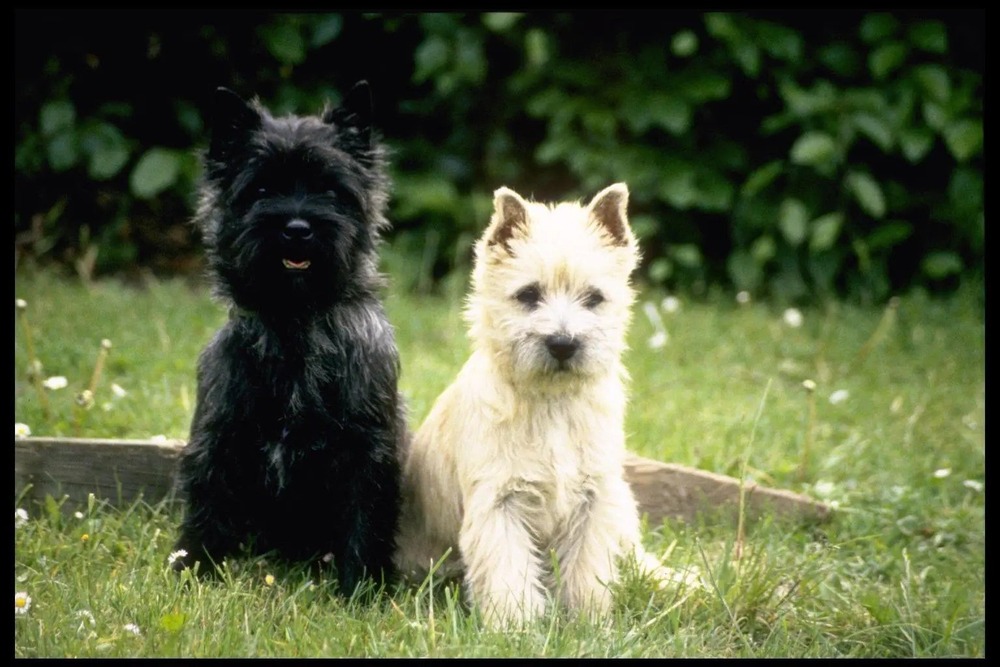
Cairns tend to learn quickly, but they often do best with training that feels worthwhile to them. Reward-based, positive reinforcement training is widely recommended by the RSPCA, including avoiding aversive tools and punishment-based methods that can increase risk and worsen behaviour over time.5, 6
Keep sessions short, clear, and consistent. A Cairn who has rehearsed ignoring cues will look “stubborn”, but more often it means the cue has not been reinforced strongly enough, the environment is too distracting, or the dog is tired, under-exercised, or over-aroused.
Exercise and enrichment
Many Cairns are content with daily walks plus play, but they also benefit from mental work. The Kennel Club describes exercise needs as up to about an hour per day, depending on the individual dog.4
- Sniff-heavy walks (not just marching): let them investigate safely.
- Food puzzles and scatter-feeding in the grass to channel foraging.
- Short training games: recall practice, loose lead walking, “find it”, and simple tricks.
- A designated digging area if your dog is determined to dig.
If barking is becoming a habit, it helps to look at what is driving it: boredom, visual triggers at the fence, or accidental reinforcement (for example, the dog barks, you speak, the dog learns barking brings attention). Rewarding quiet behaviour and changing the environment usually makes a bigger difference than “telling them off”.
Health considerations and preventative care
Cairn Terriers are often described as basically healthy, and many live into their mid-teens.2 Still, no breed is free of risk. It is sensible to speak with your vet and breeder (or rescue) about health screening and the conditions seen in the breed lines you are considering.
Weight management matters for Cairns. They can be very food-motivated, and extra kilos on a small frame can quietly increase strain on joints and reduce overall comfort. The RSPCA notes obesity is a common issue in dogs and is often linked to overfeeding and insufficient daily activity.7
What to discuss with your vet
- Routine dental care and a realistic at-home plan.
- Joint health, especially if your Cairn is very active or starts to slow down.
- Skin and itch issues, including flea bite sensitivity in some dogs.2
- Age-appropriate screening as your dog gets older.
Coat care, grooming, and that scruffy look

The Cairn’s coat is meant to be functional: a harsh outer coat with a softer undercoat that helps protect them from weather.1 In everyday life, it also means their grooming is not complicated, but it does need to be regular.
The Cairn Terrier Club of America recommends weekly brushing and notes that periodic hand-stripping helps maintain coat texture and dirt-shedding qualities. They also advise bathing only rarely, since frequent shampooing can strip protective oils from the coat.8
A simple, workable routine
- Brush and comb weekly, more often if your dog mats easily.
- Check ears, eyes, and feet as part of grooming, not as separate “big jobs”.
- Trim nails regularly, especially if your Cairn does not wear them down naturally.8
- If you want the classic tidy Cairn outline, ask a groomer experienced in hand-stripping terrier coats.
Feeding and everyday nutrition
Most Cairns do well on a high-quality diet that suits their life stage and activity level. The RSPCA Pet Insurance guidance suggests basing a dog’s diet on premium commercial food appropriate to life stage and health status, and notes the value of foods that comply with relevant Australian standards for pet food manufacturing and marketing.9
Treats are useful for training, but with a small dog they add up quickly. If you are using treats daily, consider reducing meal portions slightly (with your vet’s guidance) so you are not accidentally over-feeding.
Foods that are risky for dogs
Some common household foods are genuinely dangerous. The RSPCA lists foods to avoid including onion and garlic, grapes and raisins (and sultanas), chocolate, xylitol, macadamia nuts, alcohol, and more.9
If you suspect your dog has eaten something toxic, contact your vet immediately. It is worth saving the number for your nearest after-hours clinic in your phone, since these incidents often happen outside standard hours.
Cairn Terriers in popular culture
Many people recognise the breed because of Toto in The Wizard of Oz. It is a fun piece of trivia, but it can also set up unrealistic expectations. Film dogs are trained professionals, and real Cairns are still terriers first. When you appreciate them for what they are, bright, busy, and full of initiative, they tend to fit into family life far more smoothly.
Final thoughts
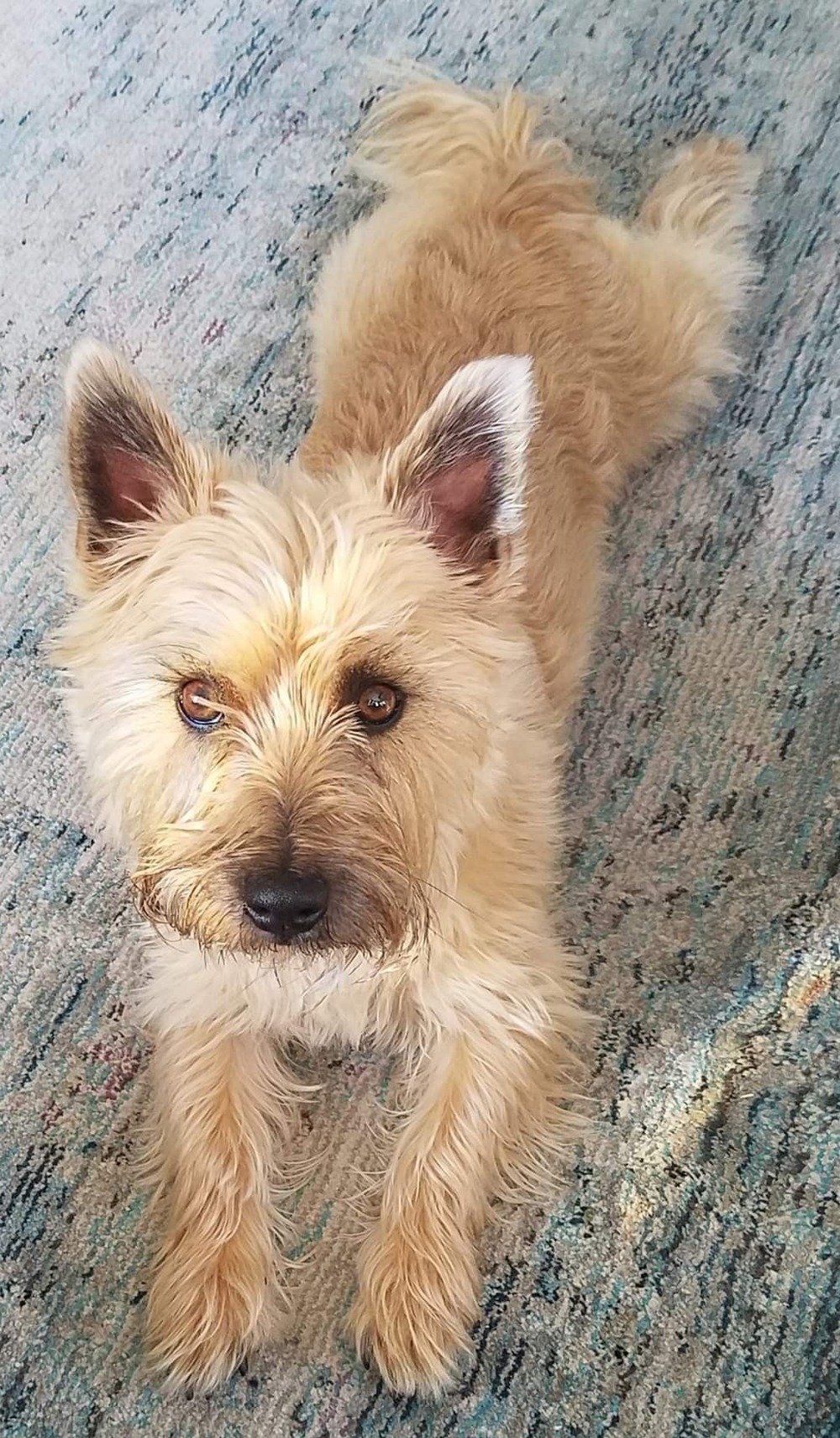
A Cairn Terrier can be a wonderful companion for someone who enjoys a dog with spark and resilience. They are often small enough to suit unit living, but they still need daily movement and mental outlets, plus calm, consistent training that respects how terriers learn.
If you are choosing a Cairn, take your time. Meet adult dogs where possible, ask about health screening and temperament in the line, and be honest about whether you want a gentle lap dog or a lively partner with a working-dog brain in a compact body.
References
- The Kennel Club (UK), Cairn Terrier breed standard
- Cairn Terrier Club of America, Cairn characteristics (health, lifespan, feeding)
- The Kennel Club (UK), Cairn Terrier overview
- United Kennel Club (UKC), Cairn Terrier breed standard
- RSPCA Knowledgebase, Training recommendations and positive reinforcement
- RSPCA Knowledgebase, Reward-based dog training and why it is supported
- RSPCA Australia, Tips to avoid obesity in dogs
- Cairn Terrier Club of America, Grooming information
- RSPCA Pet Insurance, Safe diet for dogs and foods to avoid