

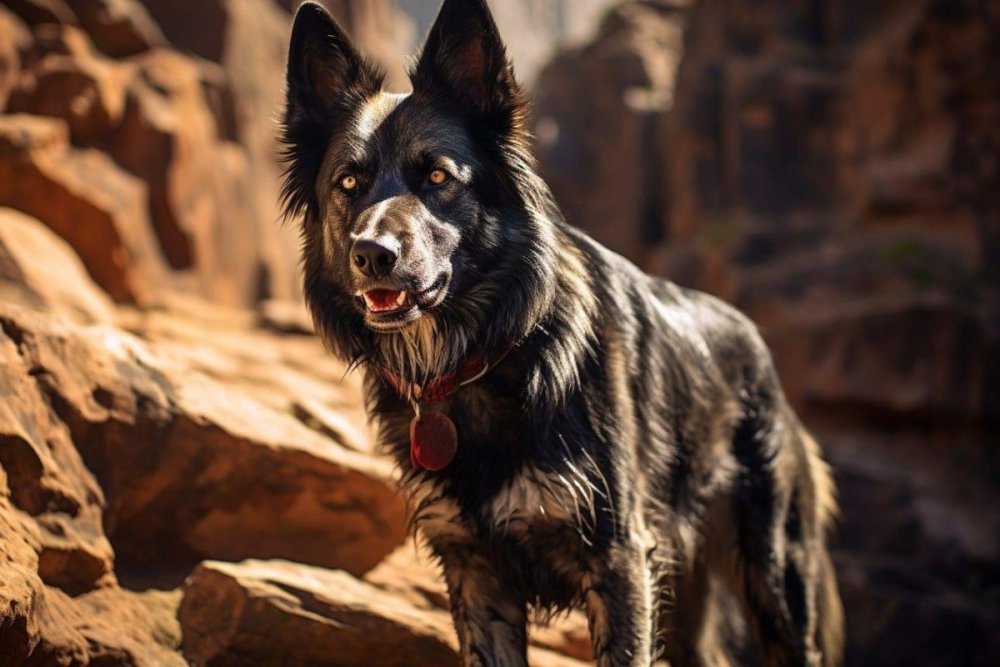
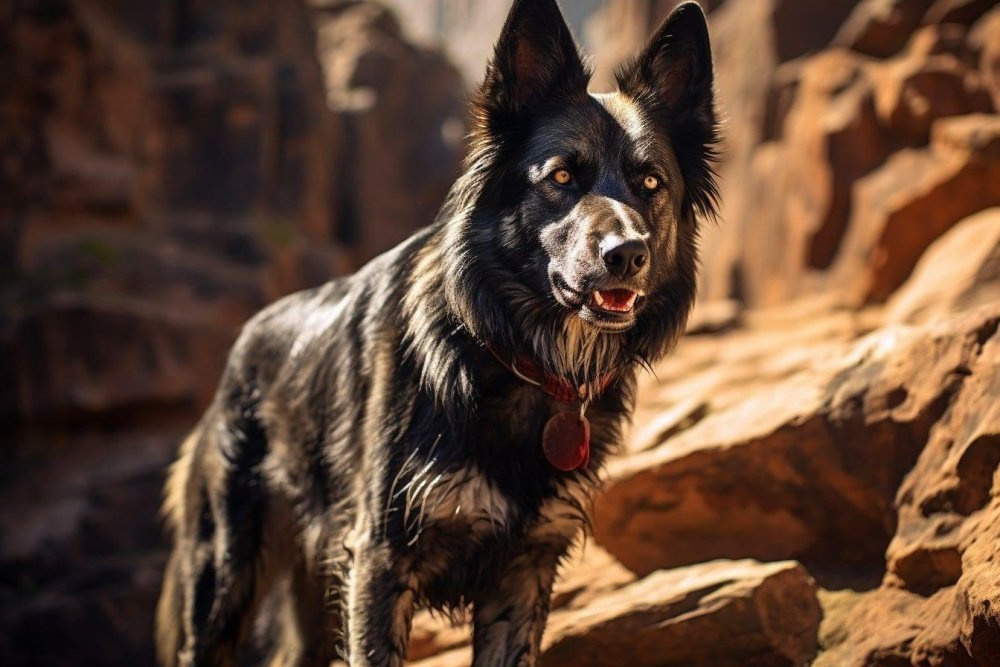
You might come across a Calupoh in a photo and do a double take. It has that wolf-like silhouette, the dense dark coat, the upright ears, and the steady, watchful posture that makes people wonder what they are looking at. Is it a wolfdog, a new designer breed, or something older that has resurfaced?
Part of the confusion is that the Calupoh sits at an unusual crossroads of cultural revival and modern breeding. It is linked to Mexican heritage projects that aimed to recreate the look of pre-Columbian “wolf-like” dogs shown in historical descriptions and artwork, yet it is also a contemporary breed with a written standard and an organised breeding community.1
For would-be owners, the practical questions arrive quickly. How big do they get? What are they like to live with? Are they legal to import or keep where you live? And what does “wolf-like” actually mean for training, health, and day-to-day management?
At a glance: what a Calupoh is (and is not)
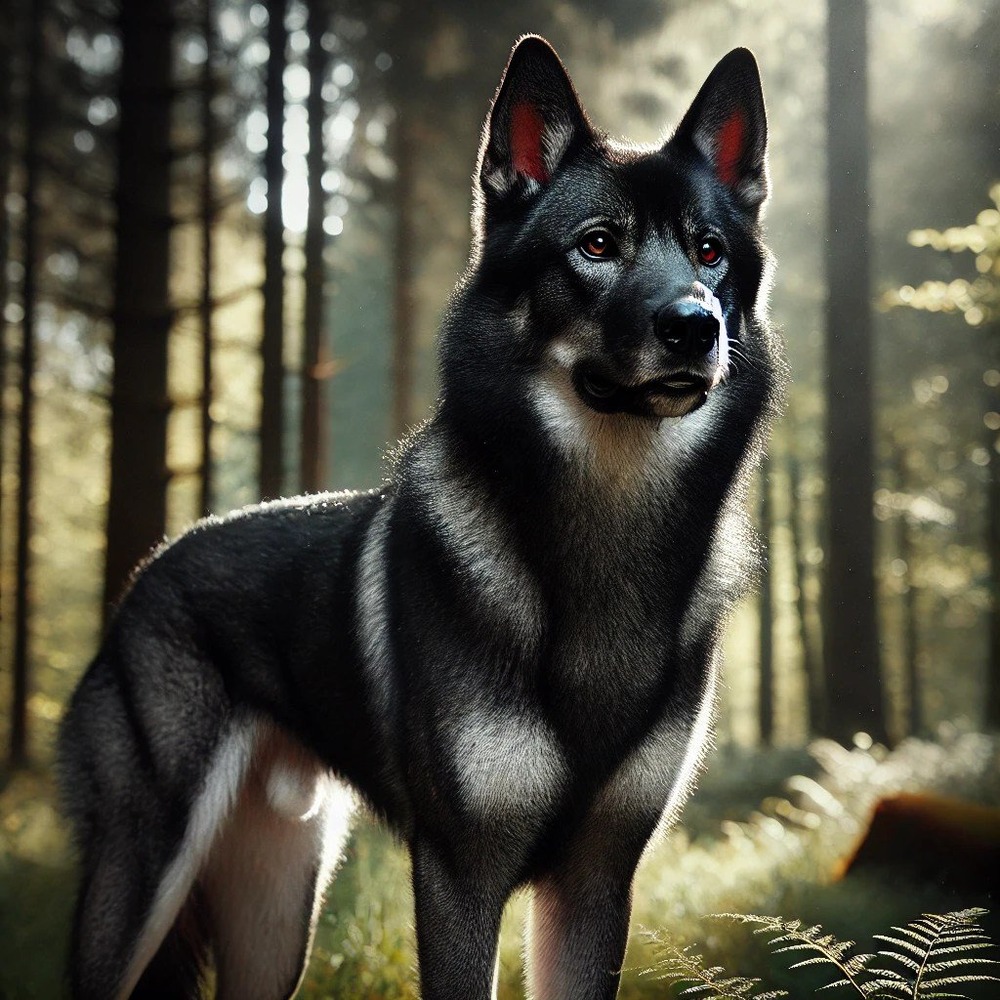
The Calupoh (also known as the Mexican wolf-dog, or Perro lobo mexicano) is a rare breed developed in Mexico in the 1990s as part of a cultural heritage effort, with the intention of recreating a dog resembling historical “Mexican wolfdog” types described in pre-Columbian sources and depicted in Aztec and Mayan art.1
A common assumption is that Calupohs are routinely produced by crossing dogs with wolves today. In practice, modern Calupohs are generally bred as dogs to a standard, and the breed is described as being developed from Mexican wolf and German Shepherd foundations during its creation period.1
Recognition can be another point of misunderstanding. The Calupoh is recognised by the Mexican kennel club (Federación Canófila Mexicana), with recognition commonly cited as September 1999.1 However, it is not listed in the FCI breed nomenclature, so it is not an FCI-recognised breed at this time.2
History and cultural context
The story most often shared about the Calupoh is less about creating a fashionable novelty, and more about recovering a visual and symbolic thread in Mexican dog history. That matters because, for many breeds, “heritage” is marketing. For the Calupoh, it is closer to the reason the breed exists at all.1
It is also worth holding two truths at once. The inspiration reaches back to pre-Hispanic imagery and texts, and the actual development work took place in the late 20th century, using modern breeding choices and modern definitions of what a “breed” is.1
That blend of old and new shapes how Calupohs are talked about today. Owners are often drawn to the look and the symbolism. Living with the dog, though, tends to be much more about the ordinary realities: exercise, boundaries, social learning, and careful breeding for stability.
Size, coat, and the “wolf-like” look
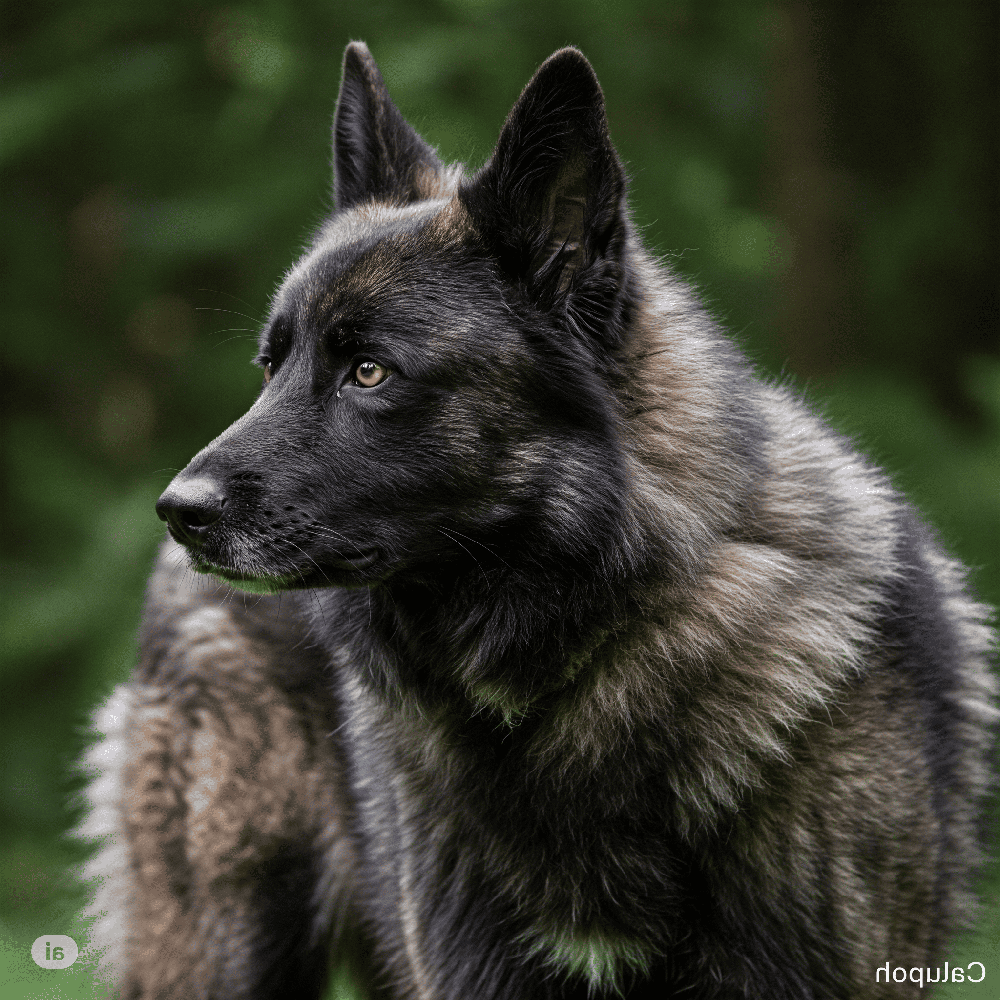
Calupohs are typically large, athletic dogs. Many descriptions place males around 60 to 75 cm at the shoulder and females slightly smaller, with weights commonly in the broad 25 to 45 kg range depending on sex and build.1
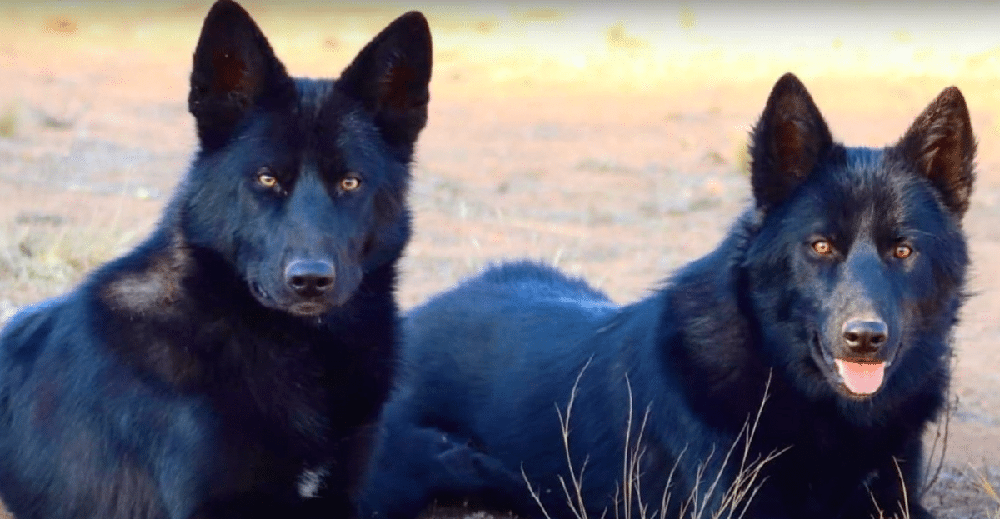
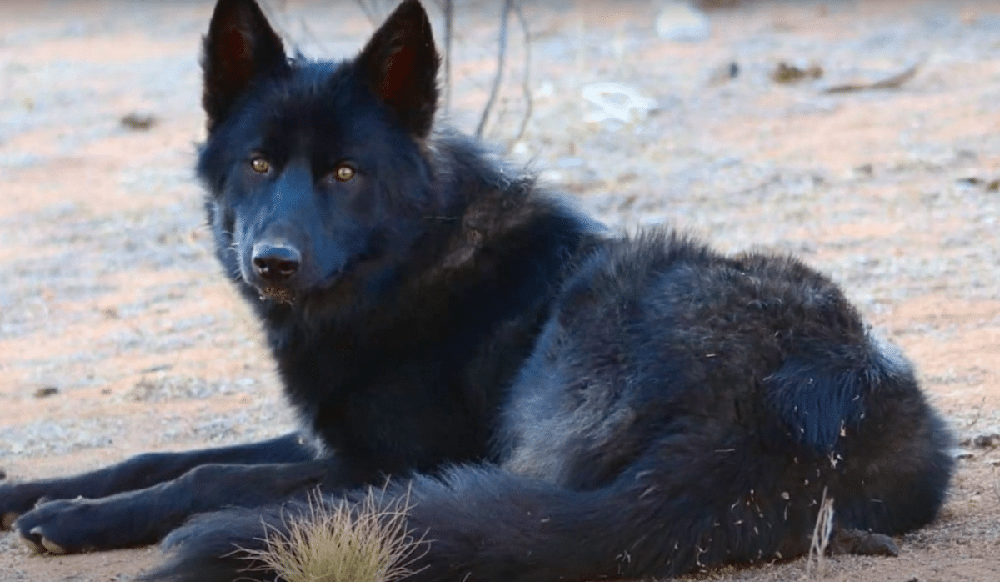
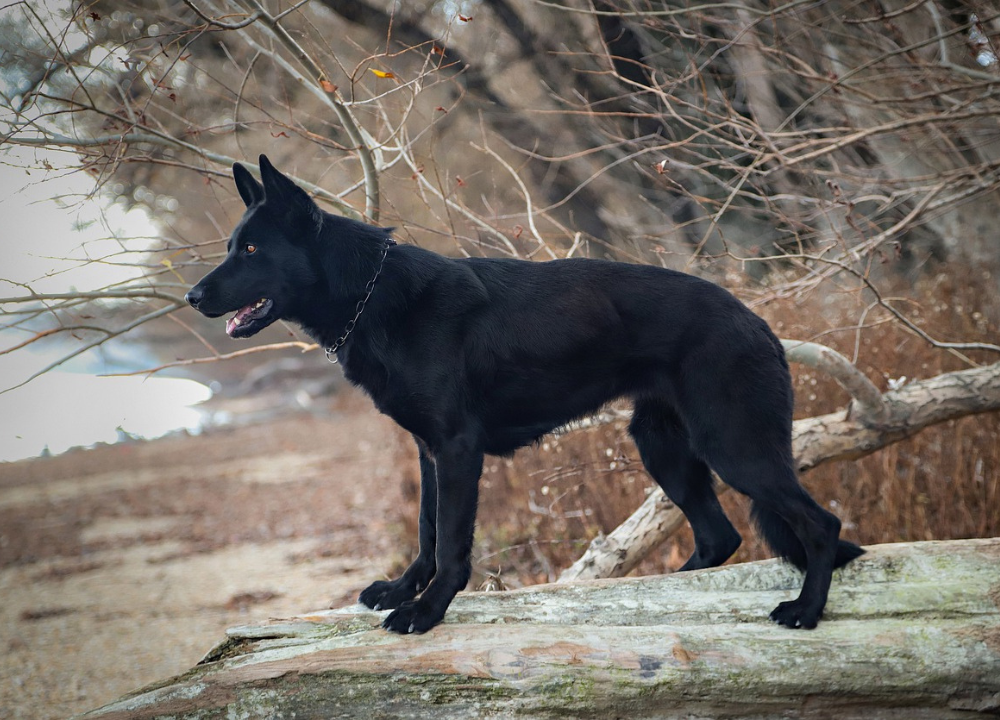
The coat is usually dense, and black is widely described as the desirable colour. Some lines may show variations such as grey or brindle, but the overall impression is a dark, wolfy outline with a strong head, erect ears, and a bushy tail.1
If you are choosing a puppy, it helps to focus on structure and temperament rather than the most dramatic markings. A stable dog with good movement and a sensible response to new things will be easier to live with than a “perfect looking” dog who struggles with everyday handling.
Temperament: loyalty, protectiveness, and what that means at home
People often describe Calupohs as loyal, intelligent, and naturally protective. Those traits can be a genuine strength, but they also come with a responsibility to raise a dog who can cope calmly with modern life: visitors, children’s noise, other dogs on leads, deliveries, vets, and grooming.
Protective behaviour is not automatically “bad” or “good”. It is simply a tendency that needs shaping. Without thoughtful socialisation and training, a dog that is quick to notice change can become quick to react to it. With good guidance, that same dog can learn to pause, look to the handler, and settle.
Most households do best when they treat the Calupoh as a working-minded companion, not a backyard ornament and not a novelty “wolfdog”. That means daily outlets for movement, calm boundaries indoors, and training that is consistent rather than forceful.
Training and socialisation: building stability early
With a large, strong, intelligent dog, early learning is less about party tricks and more about life skills. The basics, coming when called, walking on a loose lead, being comfortable with handling, and settling on a mat, become your safety net as the dog matures.
Useful priorities for many Calupoh homes include:
- Neutral social exposure, seeing people and dogs without needing to greet everyone.
- Comfort with routine handling, ears, paws, brushing, and vet-style touch.
- Impulse control games, such as waiting at doors and offering eye contact before getting what they want.
Training methods built on rewards and clarity tend to suit intelligent breeds well. If a Calupoh is showing anxiety, reactivity, or persistent guarding behaviour, it is worth involving a qualified trainer early, and your vet if health or pain might be part of the picture.
Exercise and enrichment: more than just long walks
High energy dogs rarely need constant, frantic activity. What they need is a steady rhythm of daily movement plus thinking. For many Calupohs, that might look like a long walk or hike, paired with training, scent work, or structured play.
Enrichment does not have to be elaborate. Scatter feeding, sniffy walks, hide-and-seek with toys, and short training sessions can do a lot to take the edge off restlessness. A dog who uses their nose and brain tends to make better choices in the house.
Because many descriptions note sensitivity to heat, plan exercise around cooler parts of the day in warm weather, provide shade and water, and watch for signs of overheating (heavy panting, slowing down, reluctance to continue). If you are unsure, your vet can advise what is safe for your individual dog.
Health considerations: hips, growth, and everyday monitoring
Breed-specific health data for rare breeds can be patchy, so it helps to think in terms of “large, athletic dog” risks as well as what breeders report. Hip dysplasia is a well-known concern in large breeds, and signs can include reluctance to jump, stiffness, difficulty rising, or a bunny-hopping gait.3, 4
One practical point that gets overlooked is growth management. Rapid weight gain and overfeeding in young large-breed dogs can complicate joint development. Keeping puppies lean, feeding appropriately, and avoiding excessive high-impact exercise during growth are sensible protective habits.4
If you are sourcing a puppy, ask what health screening is done in the line (hips, elbows, and eye checks where relevant), and ask to see documentation rather than relying on verbal reassurance.
Grooming and coat care: simple, consistent maintenance
The Calupoh’s coat is often described as relatively low-fuss, but “low-fuss” still benefits from routine. Weekly brushing helps remove loose hair and keeps skin in good condition. During heavier shedding periods, brushing more often is usually easier than trying to catch up later.
Keep grooming practical and positive. A short brush, a treat, and a break is often better than wrestling through a full session. Regular nail trims and ear checks can prevent small problems becoming painful ones, especially in active dogs.
Feeding and nutrition: choose a complete diet, then tailor
Feeding advice online can become unnecessarily complicated. A good starting point is a complete and balanced diet appropriate to your dog’s life stage, then adjusting amounts to maintain a healthy body condition. The WSAVA Global Nutrition Guidelines emphasise individual assessment, including body condition scoring and diet history, as a foundation for good nutritional decisions.5
For large, active dogs, it is especially useful to monitor weight rather than relying on “looks fine” as the only measure. If you are unsure how much to feed, ask your vet team to help you set a target weight and a realistic feeding plan.
If you are considering raw diets or home-prepared diets, do it with professional input so the diet is nutritionally complete, not just high in protein.
Legal and practical realities: importing and “wolf hybrid” rules
Because the Calupoh is often described as having wolf ancestry in its development, it can raise legal questions in countries with rules around hybrids. For example, Australia’s federal guidance on household pets states that hybrids such as wolfdogs must pass a risk assessment to be included on the Live Import List, and notes that the mule or hinny is the only hybrid currently on that list. In practical terms, that means wolfdog-type hybrids are not eligible for import.6
Even where import is possible, local rules can vary widely, and enforcement may focus on documentation, breed declarations, or visible characteristics. Before making plans, check the rules that apply to your exact location, and be prepared for the reality that “rare breed” can mean “hard to move across borders”.
Final thoughts: who the Calupoh tends to suit
The Calupoh draws people in because it looks different. Keeping one successfully is less about the look, and more about whether your life has room for a large, active dog who needs structure, training, and steady social learning.
In the right home, with an experienced handler who enjoys daily engagement, the Calupoh can be a deeply rewarding companion. In the wrong setting, too little exercise, inconsistent boundaries, limited social exposure, or unrealistic expectations can quickly make day-to-day life harder than it needs to be.
If you are seriously considering the breed, prioritise responsible sourcing, meet adult dogs if you can, and involve your vet early to set up a sensible plan for growth, joints, and long-term health.
References
- Wikipedia: Calupoh
- Fédération Cynologique Internationale (FCI): Breeds Nomenclature
- American Kennel Club: Hip Dysplasia in Dogs (Signs, Symptoms, Treatment)
- American College of Veterinary Surgeons: Canine Hip Dysplasia (overview and treatment options)
- WSAVA: Global Nutrition Guidelines
- Australian Government (DCCEEW): Household pets, hybrid pets and the Live Import List