

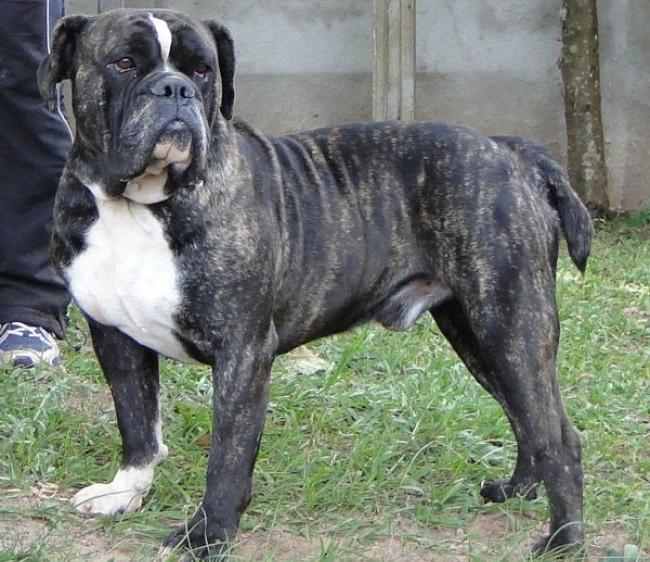
You might come across the Campeiro Bulldog when you notice a sturdy, bulldog-type dog that looks athletic rather than exaggerated, with a calm, watchful way of moving through the world. People often assume any “bulldog” will be a low-energy couch companion, or that a broad head always means the same temperament and care needs. In practice, this breed can surprise you.
The Campeiro Bulldog (also known as the Buldogue Campeiro) sits closer to the working-dog end of the spectrum. It was shaped by rural life in southern Brazil, and many of its day-to-day needs, like exercise, boundaries, and sensible heat management, still reflect that working background.1, 2
If you are considering living with one, or you are simply trying to understand what you are seeing in a dog you have met, it helps to look beyond the “bulldog” label and get specific about history, structure, and what good care looks like in real homes.
At a glance: Campeiro Bulldog
- Breed type: Working molosser-type dog (historically used as a catch and cattle-handling dog)1, 2
- Country of origin: Brazil2
- Typical height: Around 48 to 58 cm at the withers (dogs usually taller than bitches)3
- Typical weight: Often mid-30s to mid-40s kg, with bitches usually lighter3
- Coat: Short and smooth3
- Lifespan: Commonly reported around 10 to 12 years (varies with lines, management, and health screening)1
History and origin
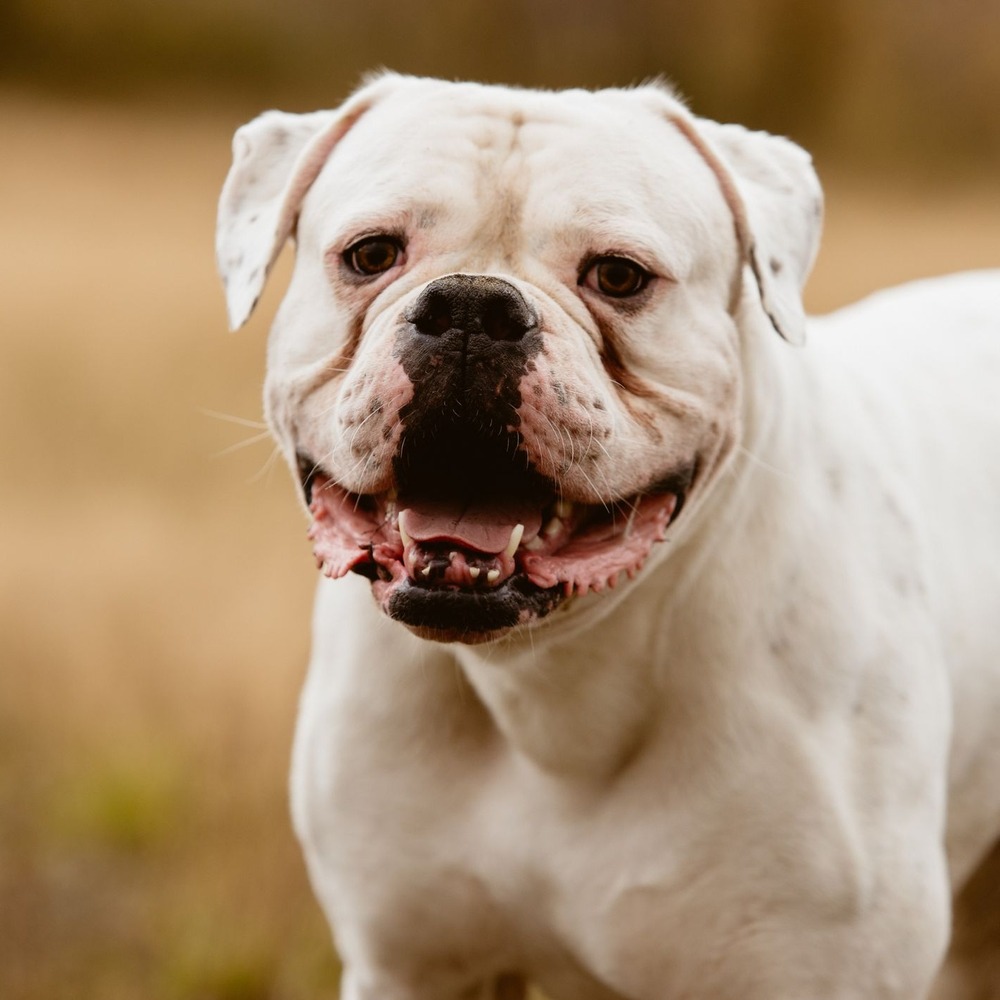
The Campeiro Bulldog developed in southern Brazil, and is most often linked with rural cattle work. Historical accounts describe a “hold” style working dog, used to catch and restrain cattle, including work associated with slaughterhouses and stock handling.1, 2
In the 1970s, changing regulations and practices reduced demand for catch dogs in slaughterhouses, and the breed reportedly declined sharply. Preservation breeding programs are described as beginning in the mid-1970s, helping rebuild numbers over time.1
For formal recognition, the breed was recognised by Brazil’s CBKC in 2001.1 More recently, the FCI lists the Campeiro Bulldog as provisionally recognised (accepted on a provisional basis on 6 August 2025).2 That detail matters if you are researching pedigree paperwork, showing eligibility, or the differences between kennel club systems.
Physical characteristics that affect daily life
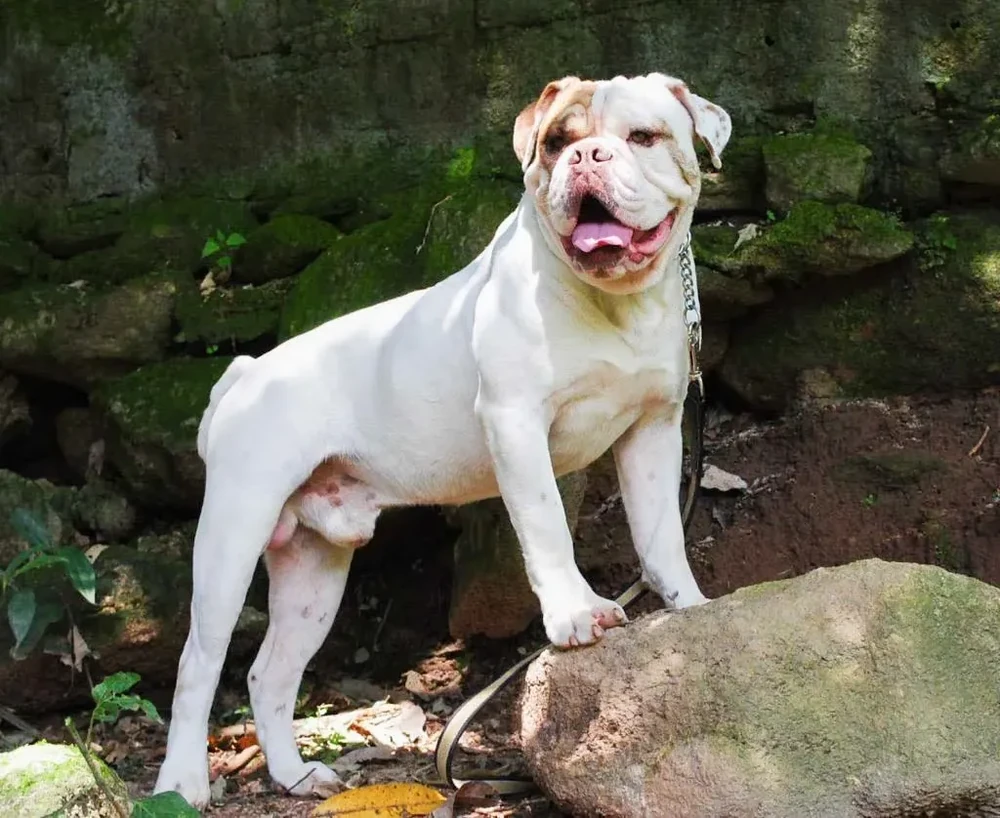
This is a muscular, medium-to-large bulldog-type dog, built to move with purpose rather than waddle. The FCI standard places it in Group 2 (Pinscher and Schnauzer, Molossoid and Swiss Mountain and Cattledogs), and describes a molossian, mastiff-type dog with a short coat.3
One practical point to keep in mind is that “bulldog type” does not automatically mean the same head shape. Some Campeiro Bulldogs may be more brachycephalic than others, and any degree of shortened muzzle can affect heat tolerance and recovery after exertion. This is not about being alarmist, it is about planning exercise and summer routines with care.4, 5
When you are assessing an individual dog, look for easy breathing at rest, steady movement, and a body condition that supports joints. It is often the combination of structure, fitness, and weight management that determines whether these dogs feel comfortable in everyday life.
Temperament and behaviour
Well-bred Campeiro Bulldogs are often described as steady, devoted, and confident around their people. That said, “calm” can be misunderstood. A dog can be calm and still have strong opinions about space, unfamiliar dogs, or the boundaries of the home.
Many breed summaries note that same-sex tension or dog selectivity can occur, and that early, thoughtful socialisation matters. Socialisation is not about flooding a young dog with busy environments. It is about building neutral, safe experiences and teaching the dog how to disengage and look to you for direction.1
With children, supervision is still the rule, especially given the dog’s size and strength. Good family dogs are made by management as much as temperament: calm greetings, clear rules about rough play, and a safe place for the dog to rest without being followed.
Training and exercise needs
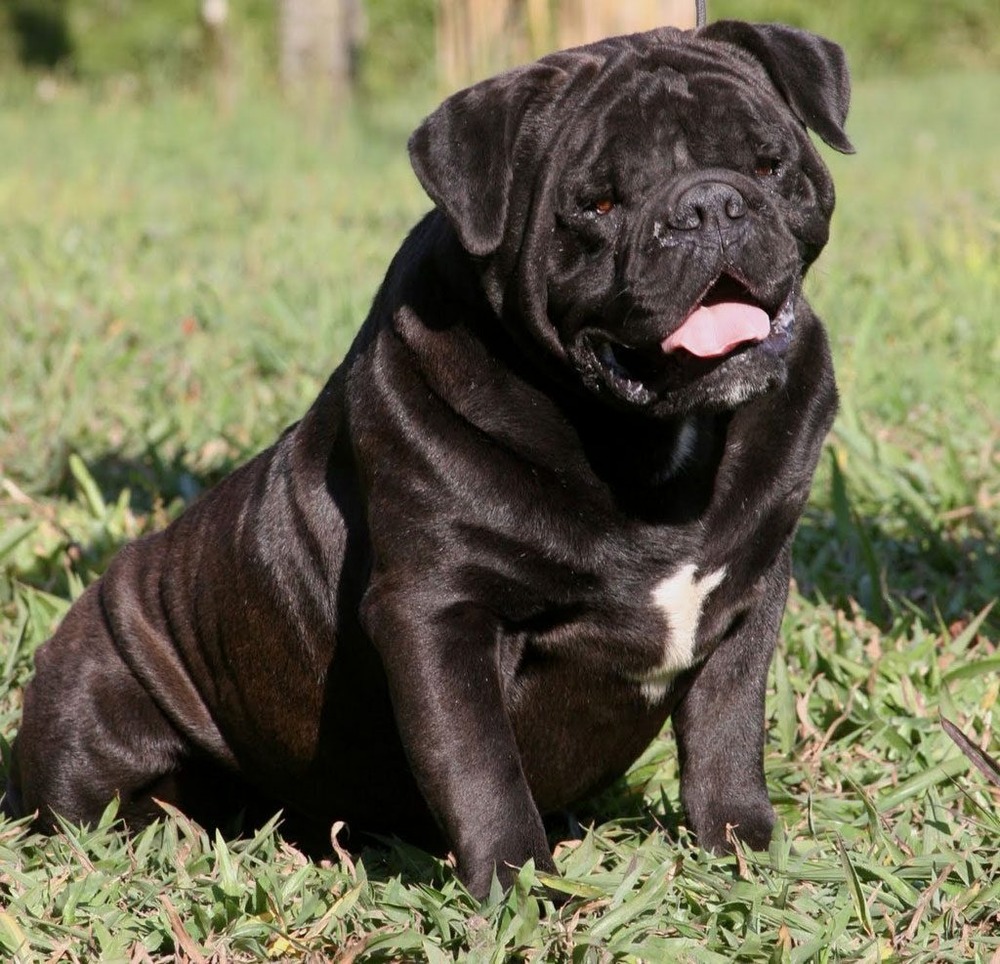
Campeiro Bulldogs tend to do best with training that is structured, fair, and consistent. They are often capable learners, but they are not usually “robotic” dogs that repeat behaviours endlessly just because you asked once. They do well when the rewards make sense and the rules are predictable.
Because of their working roots, daily movement and mental work are important. Aim for a mix of:
- Steady walks with sniffing and calm exposure to the world
- Short training sessions (obedience foundations, leash skills, cooperative care)
- Enrichment that uses the brain, such as food puzzles or scent games
Heat planning deserves its own line here. Flat-faced dogs and bulldog-types are over-represented in heat-related illness, and heavier body weight can add risk. In warm weather, choose early morning or evening exercise, keep sessions steady rather than frantic, and be ready to cut things short.4, 5
Health considerations and lifespan
No single article can predict the health of an individual dog, especially in rarer breeds where lines vary. Still, there are a few areas owners and breeders commonly watch in this type of dog.
Joints and hip dysplasia
Hip dysplasia is seen across many medium and large breeds. It is influenced by genetics and environment, and signs can vary from obvious lameness to subtle stiffness. Screening programs typically rely on radiographs assessed under formal schemes, and keeping a dog lean and fit is one of the most practical supports you can provide over a lifetime.6
Heat and breathing risk
If a Campeiro Bulldog has brachycephalic traits, it is sensible to treat hot weather as a predictable challenge. Research reviews have found brachycephalic dogs are more likely to develop heat-related illness, and welfare organisations consistently recommend cautious exercise in warm conditions, shade, ventilation, and ready access to water.4, 5
Skin and coat
A short coat can be easy to maintain, but it does not guarantee trouble-free skin. Allergies and irritant skin issues occur in many breeds, and are best addressed early with your vet, especially if you see persistent itching, redness, ear irritation, or recurring infections.
Grooming and maintenance
The coat is short and generally straightforward. Weekly brushing (or a grooming mitt) usually handles shedding and keeps the skin under observation. The bigger “maintenance” tasks are often the unglamorous ones: nails, teeth, ears, and keeping the dog at a healthy weight.
In summer, add a heat checklist to your routine. Australian conditions can be unforgiving, and dogs can overheat quickly, particularly if they are exercised in the hottest part of the day or left in poorly ventilated areas. Practical advice from the RSPCA includes cool shade, good airflow, multiple water sources, and avoiding hot surfaces that can burn paws.5
Diet and nutrition
A strong, active dog does not automatically need a “high protein” diet in the way people sometimes mean it online. What matters more is choosing a complete and balanced food that suits the dog’s age, activity, and health, then monitoring body condition and adjusting portions with your veterinary team.
The WSAVA Global Nutrition Guidelines are a helpful touchstone here because they focus on practical nutritional assessment and the realities of owner decision-making. If you are unsure what to feed, a good next step is to ask your vet for a body condition score check, then build a feeding plan you can actually stick to.7
Living with a Campeiro Bulldog: who it suits best
This breed tends to suit people who enjoy daily routines and are comfortable owning a large, powerful dog. Space helps, but what matters most is not acreage, it is consistent exercise, training, and management.
A Campeiro Bulldog may be a good fit if you want:
- A companion with steady presence and loyalty
- A dog that enjoys having a job, even if that job is structured walks and training games
- A breed that is not typically yappy, but is often alert and watchful
It may be a harder fit if you need a highly dog-social dog-park regular, or if you cannot reliably manage heat, exercise, and boundaries. These are not deal-breakers for everyone, but they are worth being honest about before you bring one home.
Final thoughts
The Campeiro Bulldog is best understood as a working-shaped bulldog, not a novelty. When its needs are met, with steady exercise, early training, and careful summer management, it can be an anchored, capable companion. The aim is not perfection. It is building a home routine that keeps a powerful dog feeling safe, healthy, and easy to live with.
References
- Wikipedia: Campeiro Bulldog
- Fédération Cynologique Internationale (FCI): Breeds recognised on a provisional basis
- FCI: Buldogue Campeiro (Breed information and standard publication details)
- Veterinary Evidence (2022): Heatstroke and brachycephalic dogs, is there an increased risk?
- RSPCA Australia: Keeping your pet safe during the heat
- Orthopedic Foundation for Animals (OFA): Hip Dysplasia
- World Small Animal Veterinary Association (WSAVA): Global Nutrition Guidelines
- RSPCA (UK): How to care for a flat-faced dog