

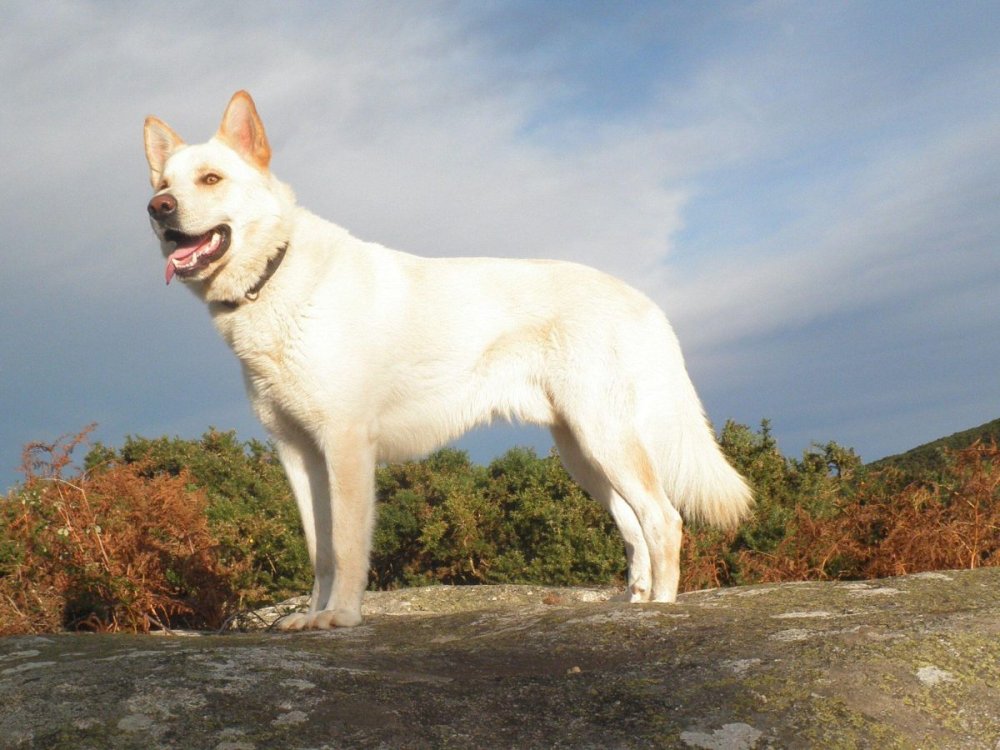
You might come across the Can de Palleiro after spotting a wolfish-looking farm dog in a Galician photo, hearing the name in passing at a working-dog event, or realising there are regional breeds that sit outside the big international kennel club spotlight. It is the sort of dog people notice because it looks practical rather than polished, built for long days and changeable weather.
It is also easy to assume that a lesser-known breed is either brand new or only kept as a curiosity. With the Can de Palleiro, the story is more grounded. This is a traditional Galician herding and farm guardian dog that nearly disappeared, then was actively recovered and formally organised in the early 2000s.1, 2
If you are considering one, or simply trying to understand the breed, what matters in practice is not the romance of rarity. It is the everyday reality of living with a high-drive working dog: exercise, training approach, space, and sensible health management.
At a glance: Can de Palleiro
Breed type: Working herding and farm dog from Galicia (north-west Spain).1, 3
- Height: typically about 57 to 65 cm at the withers, depending on sex and breed standard used.1, 3
- Weight: commonly in the mid-20s to high-30s kg range, with males generally heavier.1, 3
- Coat: dense, weather-protective coat, often thicker in winter; generally low fuss but not “no maintenance”.1, 4
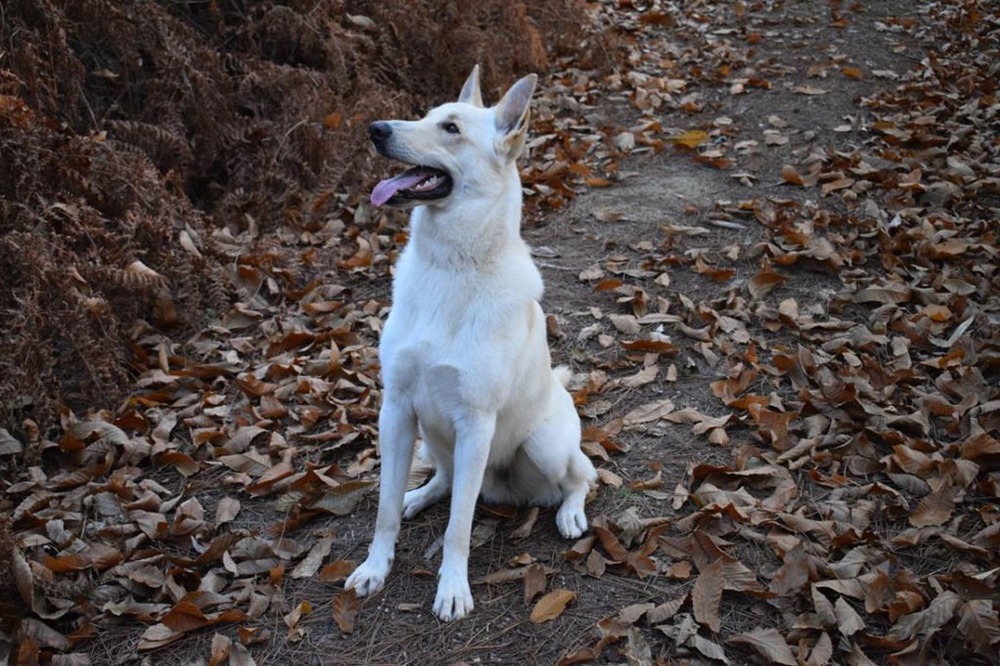
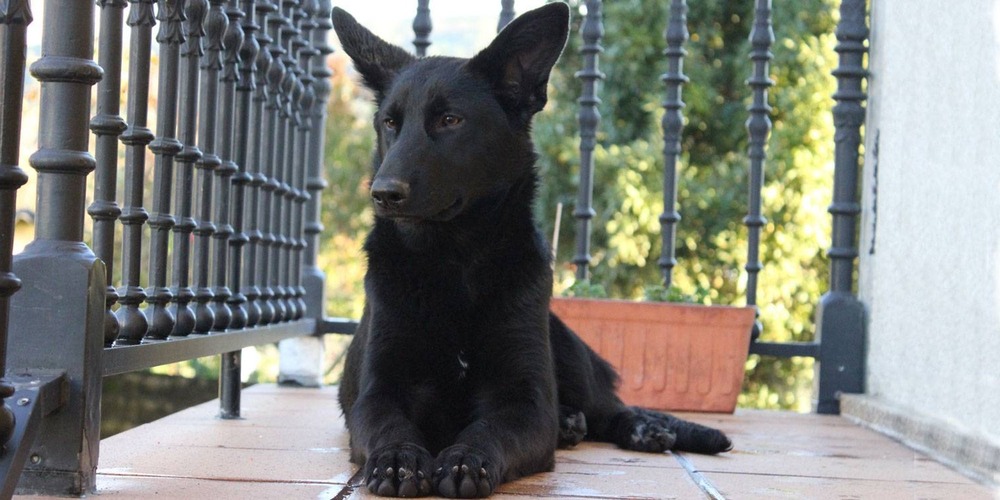
- Colour: wide range, commonly sand, cinnamon, chestnut-brown, wolf-grey, or black; large white markings are typically not desired in registration standards.1, 4
- Life expectancy: often described in the low-to-mid teens, noting that lifestyle, body condition, and genetics all matter.5
- Good fit for: people who enjoy training, can provide daily exercise and mental work, and have enough space for a dog that likes purpose.
Origins and what the breed was built to do
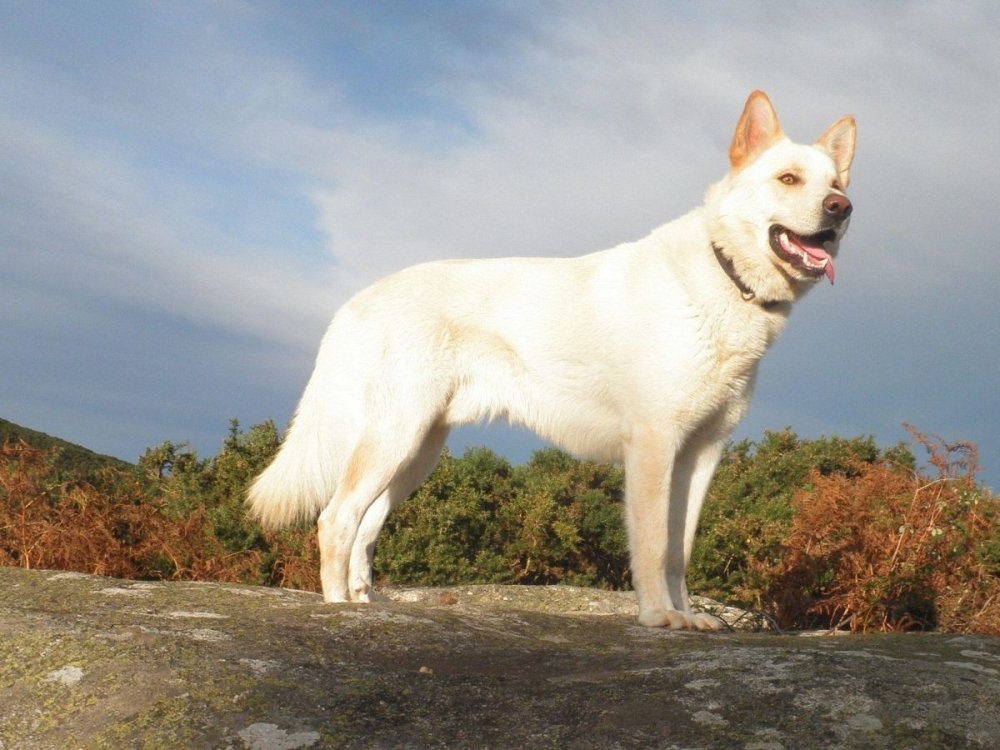
The Can de Palleiro is a traditional shepherd dog from Galicia. Historically, it was kept for practical farm work, moving livestock, helping with day-to-day control around rural properties, and acting as a watchful presence at home.1, 3
Its name is commonly explained as referring to the palleiro, a hay barn where the dog might sleep. That detail is useful not because it is quaint, but because it hints at how these dogs were managed: outdoorsy, robust, and expected to get on with the job.1
If you live with one today, those foundations still show up. Many individuals have strong environmental awareness, quick pattern-learning, and a tendency to “take responsibility” for what moves around them. With thoughtful training, that can become excellent stock sense, solid off-lead skills, or confident hiking companionship. Without enough structure, it can turn into self-assigned duties you did not ask for.
Temperament and day-to-day behaviour
Breed descriptions often highlight loyalty, protectiveness, and intelligence. In practice, that usually looks like a dog that notices change quickly, forms strong routines, and prefers clarity from its people.1, 2
It helps to think in terms of working-dog traits in a home context:
- Independence: many herding dogs are bred to make decisions at a distance. This can be an asset, but it also means training needs to be consistent and rewarding.
- Watchfulness: a farm guardian role can translate into alert barking when something changes outside. Good management focuses on teaching what to do after the alert, not just trying to suppress the noise.
- Movement sensitivity: quick-moving children, bikes, and running games can trigger herding behaviours. Early guidance matters.
A gentle but important note: “protective” does not automatically mean “safe without training”. It means you should plan for socialisation and skills that help the dog feel settled around visitors, handling, and everyday unpredictability.
Training and socialisation that suits the breed

Because the Can de Palleiro is typically quick to learn, training can feel surprisingly easy at first. The tricky part is not teaching behaviours, it is building reliable habits under distraction, especially in a dog that naturally scans the environment.
Reward-based training is widely recommended by animal welfare organisations, including the RSPCA. It focuses on setting the dog up to succeed, then reinforcing what you want more of, rather than relying on intimidation or pain-based tools.6, 7
For many Can de Palleiro types, this approach also supports emotional steadiness. If a dog is unsure, over-threshold, or trying to manage the world with big behaviours, harsh corrections can make responses sharper or more conflicted. Calm, consistent reinforcement tends to produce clearer learning.
Practical priorities that pay off early include:
- comfortable handling (ears, paws, mouth, collar holds)
- recall games and check-ins
- settle-on-a-mat skills for when the household is busy
- loose-lead walking and “leave it” around movement triggers
Exercise and enrichment: meeting the working-dog needs
Most people underestimate what “high exercise needs” means when the dog is also smart. A long walk helps, but many working breeds also need to use their brain and body together.
A good daily rhythm often includes a mix of:
- steady aerobic movement (walks, hikes, trotting beside you)
- skill work (obedience foundations, scent games, agility-style body awareness)
- job-like outlets (structured fetch, carrying a pack, herding activities where available)
In hot weather, plan for earlier or later exercise. Dense-coated working dogs can cope well with cold and wet, but heat can be harder to manage safely, particularly during vigorous activity.
Health: what to watch, and what you can influence
No breed is “health proof”, and with rarer breeds there can be less published data in English than people expect. The most useful approach is to focus on known risks in medium-to-large working dogs, and on what good breeding and daily management can control.
Hip dysplasia is commonly discussed in larger breeds. It is a developmental condition influenced by genetics and also by factors such as growth rate and bodyweight during puppyhood.8
Practical steps that vets often emphasise for joint health include keeping dogs lean, building fitness gradually, and avoiding rapid weight gain, especially during growth. If you are buying a puppy, ask what hip screening is done in the breeding population and how results are used in breeding decisions.
For a dog that works hard, it is also worth having an ongoing relationship with your vet around conditioning, nails and feet, and early signs of soreness. Working dogs are very good at getting on with things, which can delay detection of mild pain.
Grooming and coat care
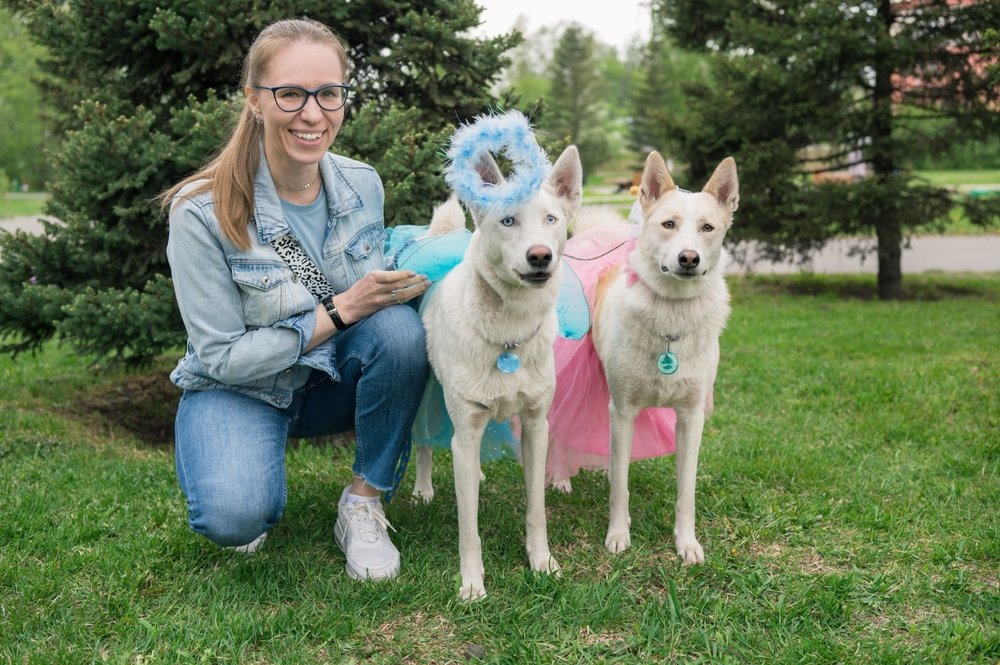
The Can de Palleiro coat is typically described as thick and dense, with more coat in winter. That usually translates to a dog that handles mud and weather well, but still benefits from basic maintenance to keep skin healthy and shedding manageable.1
Low fuss does not mean no brushing. A weekly brush is a reasonable baseline for many dogs, with extra brushing when the coat “blows” seasonally. Focus on checking behind ears, under the collar area, and anywhere friction might trap loose hair.
Routine care also includes nails, ears, and teeth. If you are training handling from puppyhood, these jobs become ordinary rather than a wrestling match.
Feeding and keeping a working dog in good condition
Feeding advice gets noisy fast, especially online. The steady, practical goal is to keep the dog in a healthy body condition and to choose a complete, balanced diet that suits their activity level.
The World Small Animal Veterinary Association (WSAVA) provides global nutrition resources and encourages routine body condition scoring as part of ongoing health care. It is a simple tool, but it helps you notice gradual weight creep before it becomes a joint and fitness issue.9
Two small habits make a big difference:
- adjust food to the dog in front of you (age, desexing status, season, workload)
- treats count as calories, so budget for them if you are doing lots of training
Rarity, recognition, and finding a responsible pathway
Older summaries sometimes describe the Can de Palleiro as “not widely recognised”. It is more accurate to say that the breed has formal recognition in Spain and structured breed management through Galician authorities and the breed club, while international recognition and global availability remain limited.1, 3, 4
If you are trying to find a puppy, the most responsible starting point is often the official breed club, which is involved in breed recovery and manages pedigree documentation (the stud book) within its system.2, 4
For prospective owners outside Spain, it is worth slowing down. With rare breeds, rushed imports and vague paperwork are common points of regret. Ask for clear identification, health testing information, and documentation that matches the recognised registry used for the breed.
Living with a Can de Palleiro: the honest summary

The Can de Palleiro tends to suit people who enjoy structure: daily movement, training that continues past puppy class, and a home life where the dog has both boundaries and meaningful outlets. When those pieces are in place, many owners find they have a steady, capable companion that is happy to work alongside them.
If your life is mostly indoors, your schedule is unpredictable, or you want a dog that is content with minimal exercise, it may be kinder to choose a breed with lower drive. The Can de Palleiro is not difficult because it is “bad”, it is demanding because it is built for real work.
References
- Wikipedia: Can de Palleiro
- Club da Raza Can de Palleiro: Official site
- Boletín Oficial del Estado (Spain): Can de Palleiro breed recognition text (consolidated PDF)
- Xunta de Galicia: Can de Palleiro breed regulations (PDF)
- RSPCA (UK): Caring for older dogs
- RSPCA Knowledgebase: Reward-based dog training and positive reinforcement
- RSPCA Knowledgebase: Training recommendations and avoiding aversive methods
- American College of Veterinary Surgeons (ACVS): Canine hip dysplasia overview
- World Small Animal Veterinary Association (WSAVA): Global Nutrition Guidelines