

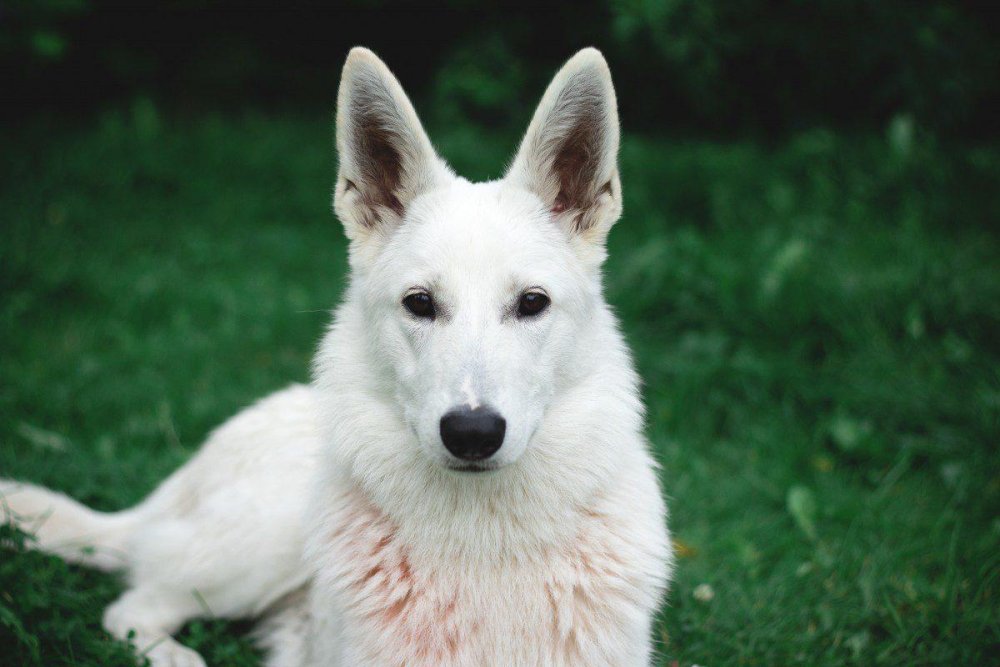
People usually meet the Canaan Dog in a slightly sideways way. You see a medium sized, upright eared dog on a lead who looks a bit like a dingo or a village dog, then you notice how calmly they watch the world. Not clingy, not chaotic, just very aware.
That look can be misleading. Some assume a dog with a “primitive” outline must be untrainable or unsuited to family life. Others assume that because they can settle in the house, they do not need much to do. In practice, Canaan Dogs tend to do best with owners who enjoy building trust, keeping routines steady, and offering real outlets for an active brain.
When they are understood, they can be steady companions and capable all rounders. When they are misunderstood, the same traits that make them interesting, independence, watchfulness, sensitivity to novelty, can become the source of everyday friction.
- Breed category (AKC): Herding
- Country of origin: Israel
- Height: Males about 50 to 60 cm, females about 45 to 55 cm
- Weight: Males about 20 to 25 kg, females about 16 to 20 kg
- Life span: Typically 12 to 15 years
- Coat: Dense double coat
- Shedding: Moderate, often heavier seasonally
- Energy level: High
- Grooming: Low to moderate
Where the Canaan Dog comes from
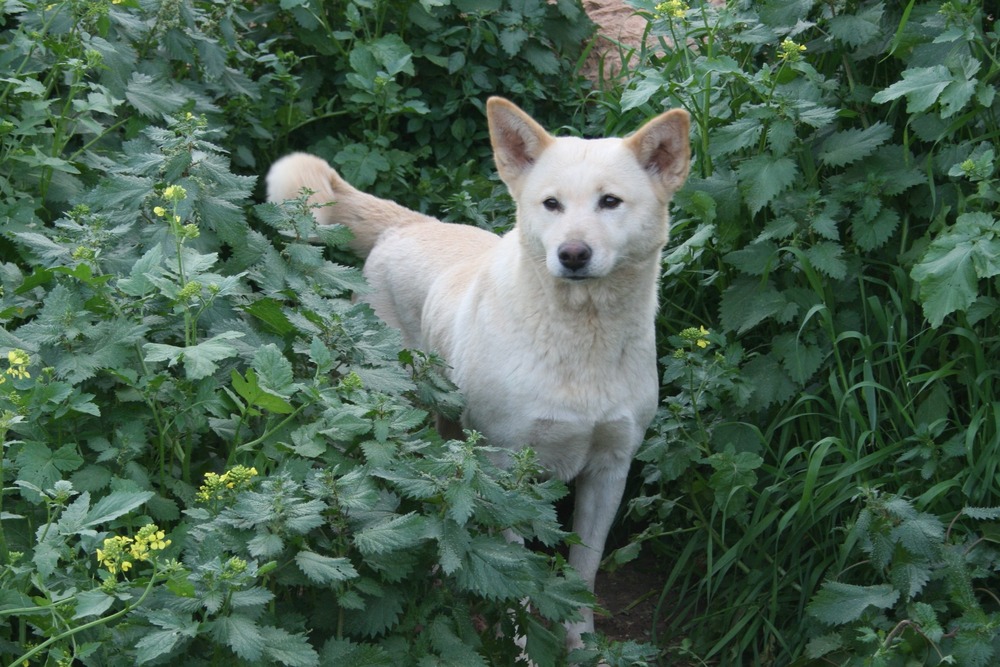
The modern Canaan Dog is closely associated with Israel, and many accounts describe landrace “pariah” dogs living around human settlements in the region for generations. In the 1930s, Dr Rudolphina Menzel is widely credited with developing an organised breeding program in what is now Israel, drawing on local dogs and selecting for trainability and sound working temperament.1, 2
If you like tidy timelines, it helps to separate “ancient type” from “modern breed”. The type may be old, but formal recognition is much more recent. The Federation Cynologique Internationale (FCI) lists definitive recognition for the Canaan Dog in 1966, with breed standard details maintained on its breed page.3
A note on kennel club categories
Breed groups vary by organisation, and they reflect history and function more than personality. In the United States, the American Kennel Club places the Canaan Dog in the Herding Group, and the Canaan Dog became eligible to compete in that group from 12 August 1997.4
In Australia, Dogs Australia lists the Canaan Dog under Group 7 (Non Sporting) and publishes the breed standard as an FCI standard adopted locally. This difference does not mean the dog “changed”, just that the filing system did.5
What they look like in day to day life
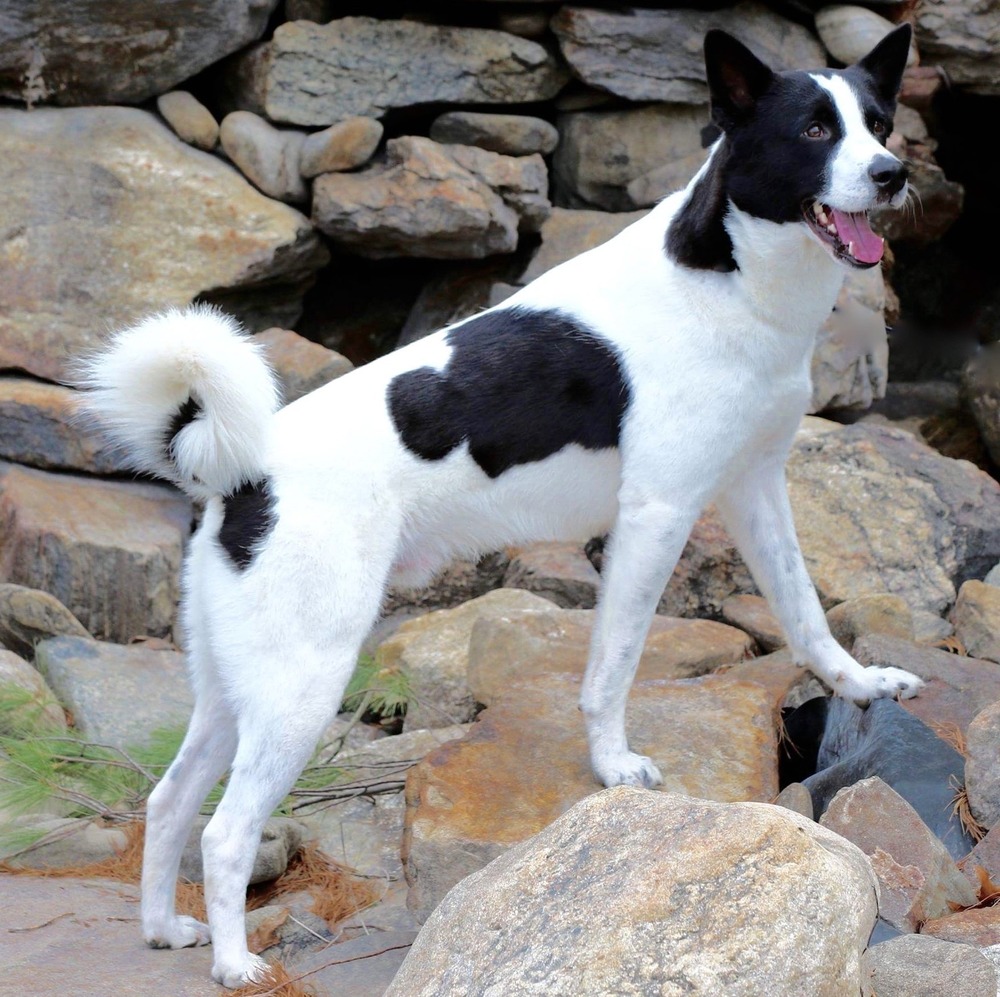
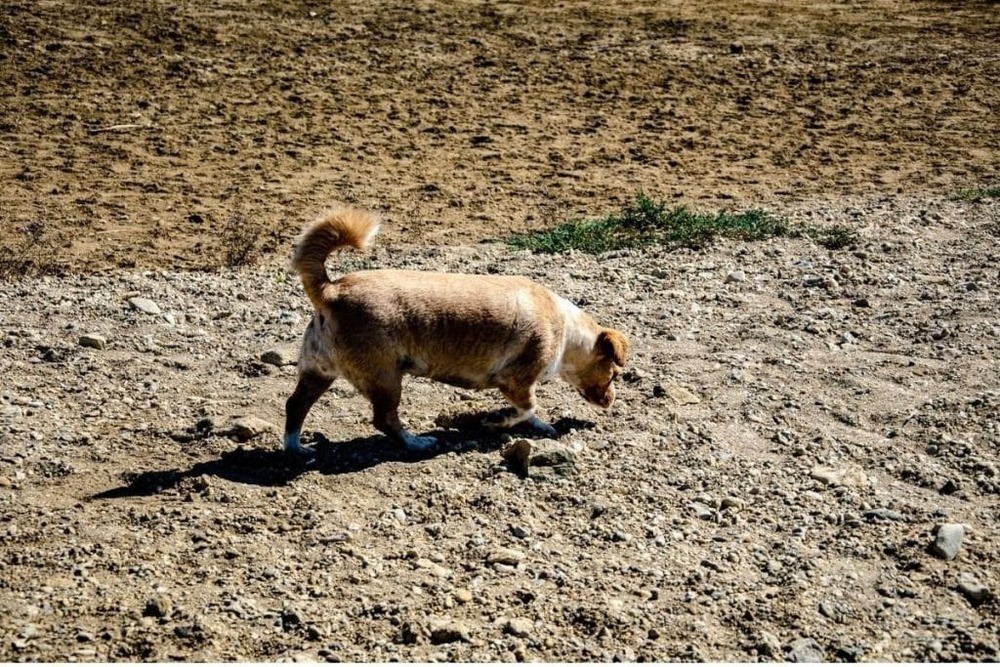
Canaan Dogs are medium sized, squarely built, and athletic. The hallmark features are upright ears, an alert expression, and a tail that often curls over the back when the dog is moving or engaged. The double coat is practical rather than fancy, typically harsh on top with an insulating undercoat, and it tends to suit an outdoorsy lifestyle.
Coat colours vary. Depending on the standard you are reading, you will see descriptions ranging from sand and red through to black and white, sometimes with masking. If markings matter to you, for showing or personal preference, it is worth checking the standard relevant to your kennel club and speaking with an experienced breeder.3, 5
One of the most useful things to notice is not colour, but carriage. A relaxed Canaan Dog can look quite still, even reserved, then spring into movement quickly. That “ready” posture is part of what makes them such attentive companions, and also why they benefit from thoughtful introductions to new places and people.
Temperament, watchfulness, and the way they bond

Many owners describe Canaan Dogs as bright, clean in their habits, and quick to learn patterns. They are often naturally wary of strangers, which can be useful if you want a dog who notices what is happening around the home. It also means they can be slower to warm up, especially if people push for immediate familiarity.
With their own people, they tend to form strong attachments, often expressed as proximity, checking in, and steady companionship rather than constant fuss. It can look “independent” from the outside, but in the home you often see a dog who prefers to keep an eye on the household and stay oriented to routine.
Because they can be sensitive to novelty, the best outcomes usually come from gentle exposure, good timing, and allowing the dog to choose approach rather than being pulled into situations. Confidence grows from predictability, not from flooding them with excitement.
Living with children and other pets
Canaan Dogs can do well in families, including with children, when adults set the tone. The key is not “the dog is good with kids”, but whether the household supports safe, calm interactions. Supervision matters, and children do best when taught to avoid grabbing, cornering, or hugging around the dog’s head and shoulders.
With other pets, early socialisation and sensible management are important. Some individuals are very social with other dogs, others are selective. A cautious, structured introduction often works better than letting dogs “sort it out”.
- Choose neutral territory for first meetings with other dogs.
- Use parallel walking before face to face greetings.
- Give each animal escape space at home, including separate rest areas.
Training and exercise that suits the breed

Canaan Dogs are smart, but they are not always automatically compliant. Training usually goes best when it is calm, consistent, and rewarding, with clear boundaries rather than constant correction. Many handlers find that short, frequent sessions beat long drills, especially if you keep rewards varied and relevant.
They typically need daily activity. That does not have to mean relentless running, but it does mean a combination of movement and thinking time. A bored Canaan Dog can become noisy, restless, or over vigilant, not out of spite, but because the dog’s needs are not being met.
Activities many Canaan Dogs enjoy include:
- Long walks with sniff time and calm observation
- Recall games in secure areas
- Basic agility style skills for body awareness
- Scent work and food puzzles for mental effort
Health considerations and what to watch for
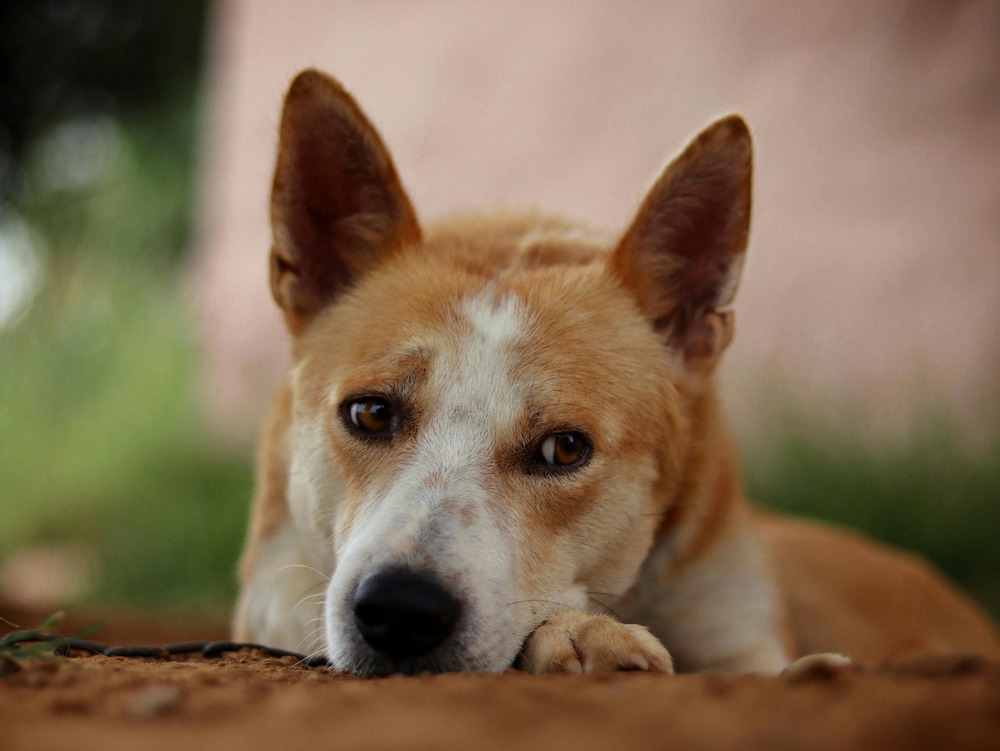
Canaan Dogs are often described as a generally healthy breed, but “healthy” never means “no planning required”. Hip dysplasia is one condition that can occur across many medium to large breeds. It involves abnormal development of the hip joint and can contribute to arthritis over time.6
For a puppy buyer, the practical point is to look for breeders who do appropriate health screening and can explain results in plain language. For an owner, the day to day risk management often looks like keeping a lean body condition, building fitness steadily, and avoiding repeated high impact exercise for young dogs whose joints are still developing.6
Eye conditions are sometimes discussed in breed circles as well. If you are considering a puppy, ask what eye testing is done in that line, what the results have shown, and how often dogs are rechecked. A good breeder will not be offended by careful questions.
Grooming, shedding, and seasonal coat changes
The Canaan Dog coat is usually straightforward to maintain. Most weeks, a quick brush to remove loose hair and check the skin is enough. Then there are the times when the undercoat “lets go” and you realise why people talk about seasonal shedding.
During heavier shedding periods, brushing more frequently helps. It also reduces matting behind the ears and around the hindquarters, and it can make the dog more comfortable. Bathing is generally occasional, since many double coats repel dirt fairly well, but always dry thoroughly and avoid leaving a damp undercoat in cooler weather.
- Weekly brushing most of the year
- More frequent brushing during coat blows
- Routine ear checks, nail trims, and dental care
Feeding and keeping them in good condition
Canaan Dogs tend to suit a high quality, complete and balanced diet matched to their age and activity level. If you are unsure, the World Small Animal Veterinary Association (WSAVA) nutrition guidelines are a helpful framework for talking with your vet about what “appropriate” looks like for your individual dog.7
Try not to let “active breed” become an excuse for overfeeding. Many dogs carry extra weight without anyone noticing until the dog slows down or joints start complaining. A simple check is whether you can easily feel ribs under a light layer, and whether there is a visible waist when viewed from above.
If you are changing diets, do it gradually over several days to reduce tummy upset. And if your dog has ongoing itch, recurrent ear problems, or frequent soft stools, bring it to your vet rather than hopping between trendy foods. Food may be part of the story, but it is not always the whole story.
Is a Canaan Dog a good fit for your life?
The most reliable predictor of success is not whether you are “experienced”, but whether your expectations match the dog in front of you. A Canaan Dog often suits someone who appreciates a dog that observes first, then engages, and who is willing to put time into socialisation, training, and calm household structure.
They can live in a range of homes, including smaller spaces, if daily exercise and enrichment are non negotiable. What tends to be harder is a home with constant novelty, inconsistent rules, or lots of people coming and going who expect the dog to greet everyone like a social butterfly.
If you want a dog who is always instantly friendly with strangers, this may not be your breed. If you like the idea of a companion with steady loyalty and sharp awareness, and you enjoy building trust over time, the Canaan Dog can be deeply rewarding.
References
- Canaan Dog Club of America (CDCA), Breed Information
- Rudolphina Menzel (overview and historical notes)
- Federation Cynologique Internationale (FCI), Canaan Dog (No. 273) breed listing
- CDCA, AKC recognition dates for the Canaan Dog
- Dogs Australia (ANKC), Group 7 (Non Sporting) breed standards index (includes Canaan Dog)
- Merck Veterinary Manual (Pet Owner Version), Hip Dysplasia in Dogs
- WSAVA, Global Nutrition Guidelines
- American Kennel Club (AKC), Breeds by Group (Herding Group includes Canaan Dog)