


People usually come across the Canadian Kennel Club when they are trying to make sense of paperwork that came with a puppy, checking whether a breeder is legitimate, or wondering what “CKC registered” actually guarantees. Sometimes it is prompted by something more ordinary, like wanting to enter a local dog show, or looking for a structured training goal to work towards with a lively adolescent dog.
It is easy to assume a kennel club is mainly about ribbons and pedigrees. In practice, the CKC sits at the intersection of records, rules, and community. For some people it is a gateway into dog sports. For others it is simply a way to understand a dog’s documented background and the responsibilities that come with breeding, buying, or owning a dog with known lineage.
What matters most is not the logo on a certificate, but what the organisation actually does day to day: what it records, what it requires of events, and what it can and cannot tell you about health, temperament, and responsible breeding.
History and origin of the Canadian Kennel Club
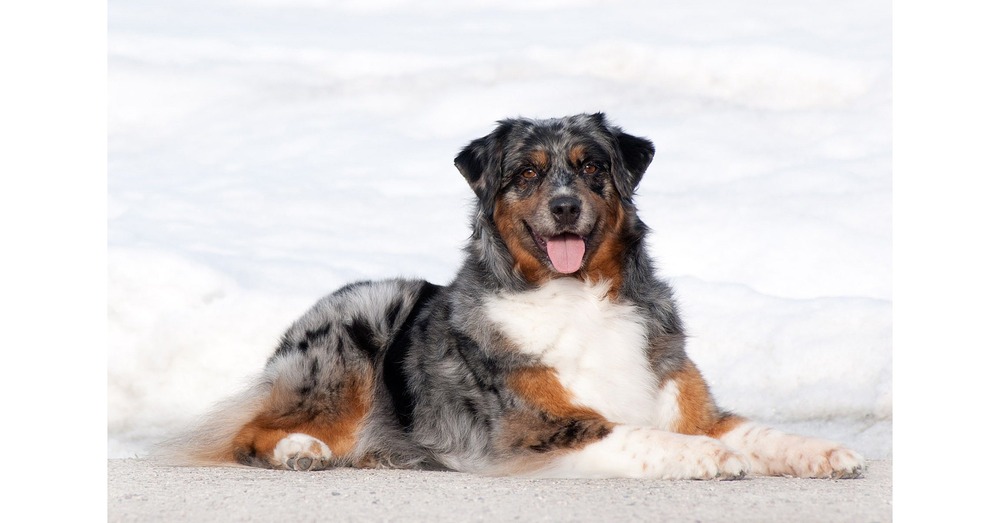
The Canadian Kennel Club was founded in 1888, at a time when dog shows and the idea of formal breed standards were gaining traction in North America.1 In its earliest form, the work was largely about bringing consistency to records, so people could trace ancestry with more confidence and compare dogs against an agreed description of the breed.
Over time, that record-keeping role expanded into a broader framework: registering dogs and litters, recognising breeds, and providing governance for conformation shows and a wide range of trials and events.1 The club also operates within a specific legal context in Canada, including incorporation under the federal Animal Pedigree Act.2
It is worth holding two ideas together here. The CKC has helped shape organised dog activities in Canada for well over a century. At the same time, a long history does not automatically equal best practice in every era, which is why it helps to understand what is covered by registration and what sits outside it.
What the CKC does in practical terms
At its core, the CKC is the primary registry body for purebred dogs in Canada. It registers purebred dogs and litters for the breeds it officially recognises, and it sets rules and oversight for CKC-approved shows, trials, and events.1, 3
That sounds administrative, but it has real-world consequences. A registry exists so that the dog in front of you can be linked to recorded ancestry, and so that the offspring of that dog can be recorded accurately if bred under the relevant rules.
Registration is not a health guarantee. It does not certify that a breeder has done all recommended health testing, or that a particular dog will suit a given household. Those questions are still answered the slower way, by reviewing health test evidence, meeting the dog and the breeder, and being honest about your own needs and experience.
Registration, pedigrees, and common misunderstandings
If you are new to all this, it helps to separate three things that can get blurred together in everyday conversation:
- Registration: the dog’s identity and lineage are recorded according to CKC rules for that breed.
- Breed standard: the written description of what the breed is meant to be like in structure, movement, and other characteristics, primarily for consistency in breeding and evaluation in conformation.
- Health and temperament: shaped by genetics, early environment, socialisation, training, and ongoing care, and not “solved” by paperwork alone.
Pedigrees can be genuinely useful when they are paired with transparent health testing and thoughtful selection of breeding dogs. Without that transparency, a pedigree can still be accurate as a family tree, but it tells you little about the dog’s likely soundness or suitability for your life.
Dog shows, trials, and why people bother
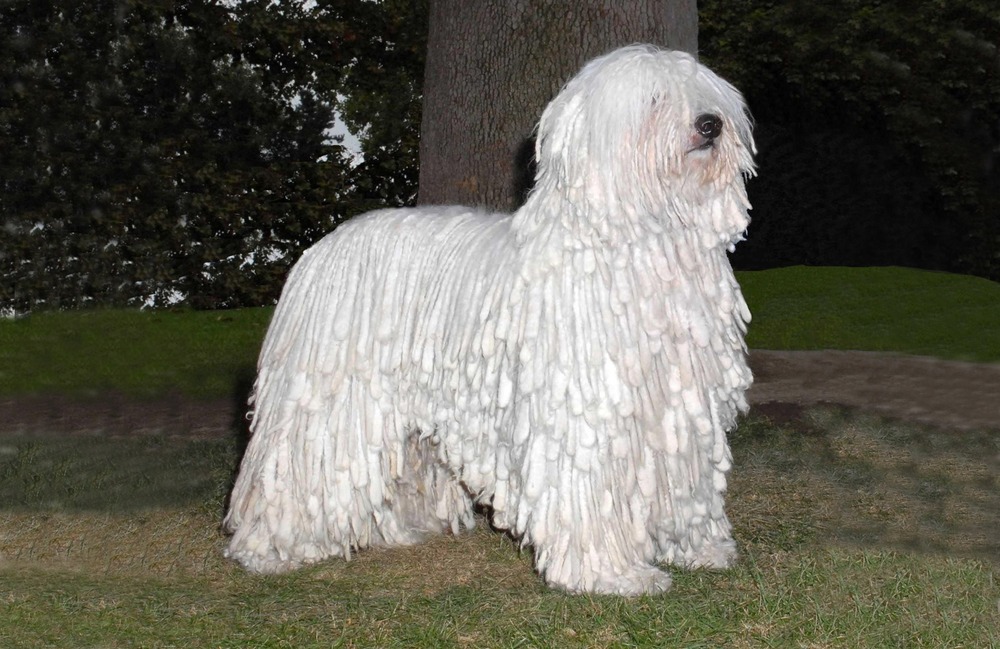
Even if you never plan to show a dog, CKC events shape a lot of the culture around purebred dogs in Canada. The CKC provides governance for approved dog shows, trials, and canine events, which creates a consistent structure for competition and evaluation across regions.1
Conformation shows are the best-known format. They are essentially a way to compare dogs against the breed standard, with the idea that dogs closest to the standard should be favoured for breeding. That goal is often well-intentioned, but it sits alongside modern concerns about health and welfare in some breeds, which is why many experienced owners look for breeders who treat conformation results as one piece of evidence, not the whole story.
Trials and performance events can also be a practical outlet for dogs who need a job. Many owners find that structured training towards a sport makes day-to-day life easier, because the dog’s need for learning, movement, and novelty is being met in a predictable way.
Training and education, including the Canine Good Neighbour program

One of the more grounded parts of kennel club culture is the push for manners in ordinary settings. The CKC’s Canine Good Neighbour (CGN) program is designed to recognise owners and dogs who can demonstrate everyday good manners in common situations, such as being around people and other dogs.3
The CGN test is not meant to be a precision obedience competition. It is more like a check that a dog and handler can move through the world safely and considerately, which is often what people actually want when they say they want a “well trained dog”.3
It also helps to remember that training is not purely mechanical. Good training plans account for the dog’s developmental stage, reinforcement history, stress levels, and the environment. If your dog struggles in public, it does not necessarily mean you have failed, it may simply mean you need to adjust the difficulty and rebuild skills in calmer settings.
Junior involvement and the next generation of handlers
The CKC also runs Junior Handling activities for young people. In practice, this is where many future trainers, breeders, and competitors learn the basics: how to handle a dog in the ring, how to present a dog, and how to build training habits that are consistent and fair.4
For families, the appeal is often less about trophies and more about a structured hobby that rewards patience, observation, and good animal care. In the best cases, juniors learn to read dogs carefully, and to value steadiness and welfare alongside performance.
Health and welfare, where a registry fits and where it does not
The CKC positions itself as an organisation concerned with dog health and welfare, and it regularly communicates on responsible ownership and related issues.1 Still, it is wise to keep your expectations realistic. A registry can support better practice through education and rules, but it cannot replace independent veterinary advice, breed-specific health knowledge, or the due diligence needed when selecting a breeder.
If you are assessing a breeder, look for clear evidence of relevant health testing for that breed, and ask how the breeder makes decisions about temperament, early handling, and puppy placement. If you are adopting an adult dog, focus on observable behaviour and a support plan, rather than assuming background alone will predict outcomes.
For a broader grounding in what responsible breeding and selection can look like, guidance from veterinary bodies and established welfare organisations can be a helpful counterweight to marketing language.5, 6
A few grounded facts people repeat, and what to do with them
You will hear casual claims in dog circles that may be partly true, but incomplete.
- The CKC currently recognises 187 breeds.1
- A well-known “Uno” fact is true in the narrow sense: Uno the Beagle won Best in Show at Westminster in 2008, the first Beagle to do so.7
These details can be interesting, but they do not tell you whether a breeder is careful, whether a dog is well suited to your household, or whether a breed is a good match for your climate, work hours, or training experience. If you take anything from kennel club trivia, let it be this: dogs are shaped by systems, but they are lived with one at a time.
Final thoughts
The Canadian Kennel Club matters most when you treat it as a tool: a way to verify recorded lineage, a framework for events, and a doorway into training goals and community. Used well, it can support responsible ownership and thoughtful breeding. Used carelessly, it can become a substitute for questions that still need asking.
If you are deciding what “CKC registered” means for you, keep the focus on the dog in front of you, the breeder or organisation behind that dog, and the practical supports you have for training, health care, and daily life. The paperwork should back up those realities, not distract from them.
References
- Canadian Kennel Club (CKC): About the CKC
- Government of Canada: Animal Pedigree Act (full text)
- Canadian Kennel Club: Canine Good Neighbour Program
- Canadian Kennel Club: Junior Handling
- RSPCA Australia: What should I look for when buying a puppy?
- Australian Veterinary Association (AVA): Companion animals, dogs (policy and guidance)
- UPI: Uno is first beagle to win best-in-show (Westminster 2008)
- RSPCA Queensland: Choosing a dog
- American Veterinary Medical Association (AVMA): Dog bite prevention