


People usually start looking into the Cane Corso after a moment that sticks with them, a big, watchful dog at the park that seems calm until someone walks too close, or a puppy that grows faster than expected and suddenly feels like a lot of dog to manage.
It is easy to assume this breed is simply “protective” in a neat, predictable way. In practice, what you often see is something more nuanced: a dog that notices everything, takes cues from its household, and can become either steady or overwhelmed depending on the guidance it gets.
When a Cane Corso fits well, it can be quietly impressive. When it does not, the challenges tend to be practical, strength, size, social confidence, and the everyday responsibility of living with a capable guardian breed. The details matter.
Quick breed snapshot
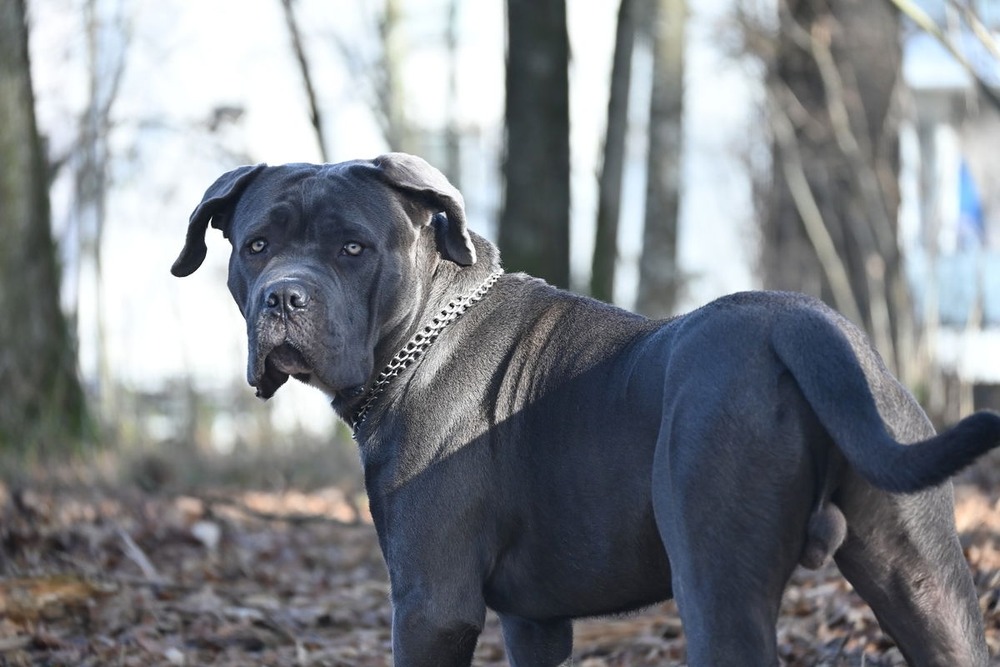
- Group and type: Mastiff type, molossoid, traditionally a versatile working dog1
- Origin: Italy1
- Size: Large, typically around 60 to 68 cm at the withers, with many adults in the 40 to 50 kg range (varies by sex and build)1
- Coat: Short, dense coat, moderate shedding
- Typical lifespan: Often around 9 to 12 years (individual variation is normal)
- Common “owner reality”: Needs structured training, careful socialisation, and daily outlets for body and brain
History and origin

The Cane Corso is widely described as a traditional Italian working dog, shaped by practical jobs rather than ornamental breeding. The modern breed standard links it to Roman molossian type dogs and describes a history that includes guarding property and working alongside people in rural life.1, 2
Like many working breeds, numbers fell when lifestyles changed and the original jobs became less common. In the late 20th century, dedicated enthusiasts rebuilt the population from remaining lines, which is why you will sometimes hear people talk about the “modern” Cane Corso as a relatively recent reconstruction of an older type.2
If you are comparing sources, it helps to separate three things: the older regional “type” of dog, the formal breed standard, and the more recent international popularity. Those timelines do not always align neatly.
Physical characteristics that shape daily life
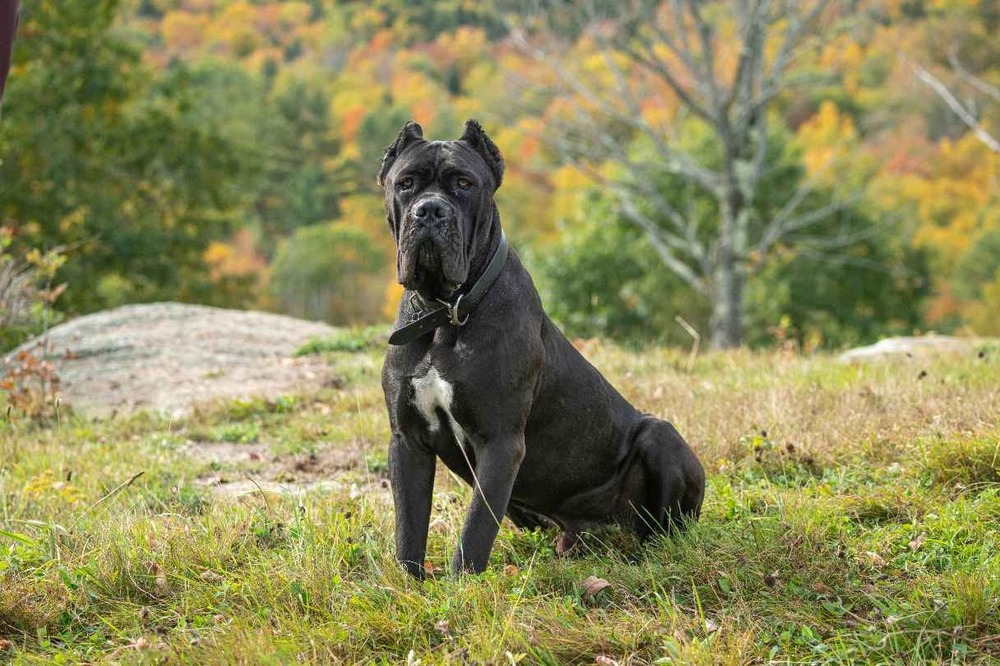
Most people notice the obvious features first, the muscular build, broad head, and the sense of athletic weight behind the dog. The breed standard calls for a robust, sturdy dog with “dry and strong” musculature, meaning power without looseness or clumsiness.1
That structure has practical implications. A Cane Corso that lunges once is not the same as a smaller dog that lunges once. Good management, secure fencing, a well-fitted harness or collar, and training that prioritises calm behaviour around triggers are not “nice to have”. For many homes, they are basic safety habits.
You may also see cropped ears and docked tails in some places. These practices are restricted or illegal in many jurisdictions, including much of Australia, and they are not required for a dog to be a Cane Corso. If you are unsure what applies where you live, check your local animal welfare regulations.
Temperament and behaviour, loyal is not the whole story
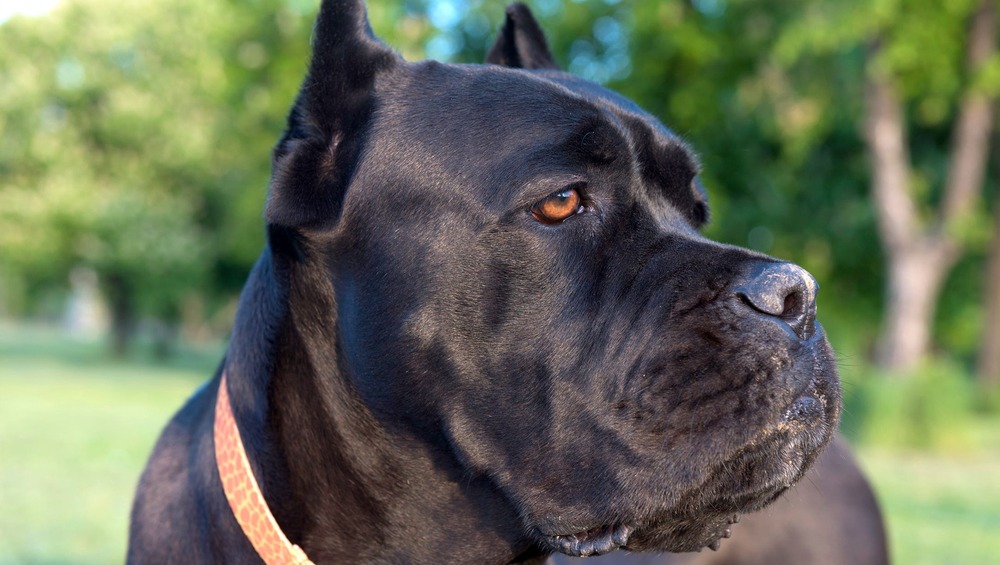
In a settled home, many Cane Corsos present as calm, observant, and closely connected to their people. That steady presence is part of the appeal. It can also slide into watchfulness that is hard to live with if the dog has not learned how to relax when the world changes.
Guarding behaviour is often described as “protective instinct”, but it is more helpful to think in terms of patterns: the dog notices movement, decides whether it is relevant, and then looks to the handler for information. When the handler is consistent, the dog tends to become clearer and steadier. When the household is unpredictable, or the dog is repeatedly pushed over threshold, reactivity and over-guarding can develop.
It is also worth being cautious with labels like “dominant”. Many behaviour professionals now focus less on dominance narratives and more on learning history, reinforcement, and the dog’s emotional state in a given context. If you are seeing guarding, barking at visitors, or stiff, forward body language on walks, the practical aim is usually the same: increase predictability, teach alternative behaviours, and manage exposure while skills build.
Children and visitors
Cane Corsos can do well with children in the household, especially when raised with thoughtful routines. The important detail is not just the dog’s tolerance, it is the environment you create. Supervision matters because large dogs can accidentally knock kids over, and because children may not notice early stress signs such as freezing, lip-licking, turning away, or “whale eye”.3
With visitors, many Cane Corsos benefit from calm, rehearsed setups. For example, bringing the dog out on lead after guests are seated, rewarding quiet observation, and giving the dog a clear “place” to settle can prevent the dog from practising boundary-checking at the front door.
Other dogs and animals
Compatibility varies. Early socialisation helps, but socialisation does not mean “meet everyone”. It means controlled, positive exposure that teaches neutrality and confidence. Poorly planned “flooding” can backfire, especially in a breed that tends to take its time assessing new things.4
Training and exercise that actually suits the breed
Training a Cane Corso is less about teaching clever tricks and more about building everyday behaviours you can rely on: walking past dogs without escalating, settling on a mat while the doorbell goes, waiting at thresholds, calmly accepting handling, and coming when called even when something interesting happens.
Most do best with reward-based training that is consistent, clear, and practiced in small steps. If you are working with a trainer, look for someone who can explain how to set up the environment so the dog can succeed, and who is comfortable helping you with management as well as obedience. Consistency beats intensity for this breed in most homes.
- Mental work counts: short training sessions, scent games, and structured decompression walks can reduce restless behaviour.
- Physical exercise needs judgement: these dogs often enjoy a good daily walk and purposeful activity, but hard running on slippery surfaces, repetitive jumping, or overdoing it with a growing puppy can be unhelpful.
- Social exposure should be planned: aim for calm observation and safe distance, not constant greetings.
Puppies, in particular, benefit from gentle, positive experiences during the early socialisation window, often described as roughly 3 to 17 weeks. The goal is confidence and recoverability, not boldness at all costs.4
Health and lifespan, what to watch for

Cane Corsos, like many large breeds, can be prone to orthopaedic issues such as hip dysplasia. Responsible breeding, sensible growth management, and maintaining a lean body condition all matter here. Your vet is the right person to help you tailor exercise and nutrition during growth.
Another concern in deep-chested, large dogs is gastric dilatation volvulus (GDV), often called bloat. It is a true emergency. Classic signs can include a distended abdomen, unproductive retching, drooling, restlessness, and rapid deterioration.5, 6
Risk is influenced by multiple factors, including conformation, family history, eating quickly, large meals, and exercise around meals. If you own a high-risk dog, ask your vet about practical prevention steps and whether a preventative gastropexy is appropriate for your individual dog.5, 6
Grooming and everyday maintenance

The coat is short and fairly straightforward. A weekly brush usually keeps shedding manageable and gives you a chance to check skin, ears, and paws. Many owners find this breed appreciates predictable handling when it has been taught from puppyhood, so grooming can double as calm training.
What tends to surprise people is not the coat, but the rest: drool management for some dogs, mud on legs after a wet walk, and the space a large dog takes up in a small house. These are not deal-breakers, but they are part of the daily rhythm.
If your dog seems itchy, has recurring ear issues, or has persistent skin redness, it is worth a veterinary check rather than cycling through shampoos. Skin and ear problems often have underlying causes that need a plan.
Diet and nutrition, keep it simple and evidence-led
Nutrition advice online is noisy, and large, muscular breeds attract strong opinions. A steadier approach is to choose a complete and balanced diet appropriate for life stage, monitor body condition, and adjust based on the dog in front of you.
The WSAVA Global Nutrition Guidelines are a helpful anchor point for evaluating foods and food claims, especially if you are feeling pulled between ingredient-list marketing and what actually matters nutritionally.7
For dogs at risk of GDV, it is also sensible to discuss feeding routines with your vet. Evidence and expert summaries commonly recommend avoiding a single very large daily meal, slowing down rapid eaters, and being mindful about heavy exercise around mealtimes.5, 6
Choosing a Cane Corso, and choosing well
Plenty of people are drawn to the Cane Corso for understandable reasons: presence, loyalty, and the feeling of safety that comes with a capable dog. The best outcomes tend to come when the choice is made with a clear-eyed view of everyday management.
Before committing, it helps to ask yourself a few grounded questions:
- Can you provide ongoing training, not just a puppy course, and do you enjoy that process?
- Is your home set up for management, secure fencing, visitor routines, and safe separation if needed?
- Are you comfortable advocating for your dog in public, creating space, declining greetings, and leaving situations early?
- Do you have access to a vet and qualified training support if behaviour concerns show up?
If you are sourcing a puppy, ask breeders about health testing, temperament in their lines, and how they raise puppies during the early weeks. If you are adopting an adult, take your time learning what the dog finds hard, and expect that settling into a new home can change behaviour in the first weeks and months.
References
- Federation Cynologique Internationale (FCI), Cane Corso Italiano (Breed No. 343)
- Wikipedia, Cane Corso (overview and history summary)
- RSPCA, Dog body language
- RSPCA School for Pets, Puppy socialisation and sensitive period
- Cornell University College of Veterinary Medicine, Gastric dilatation volvulus (GDV) or “bloat”
- American College of Veterinary Surgeons (ACVS), Gastric Dilatation-Volvulus and gastropexy
- World Small Animal Veterinary Association (WSAVA), Global Nutrition Guidelines