

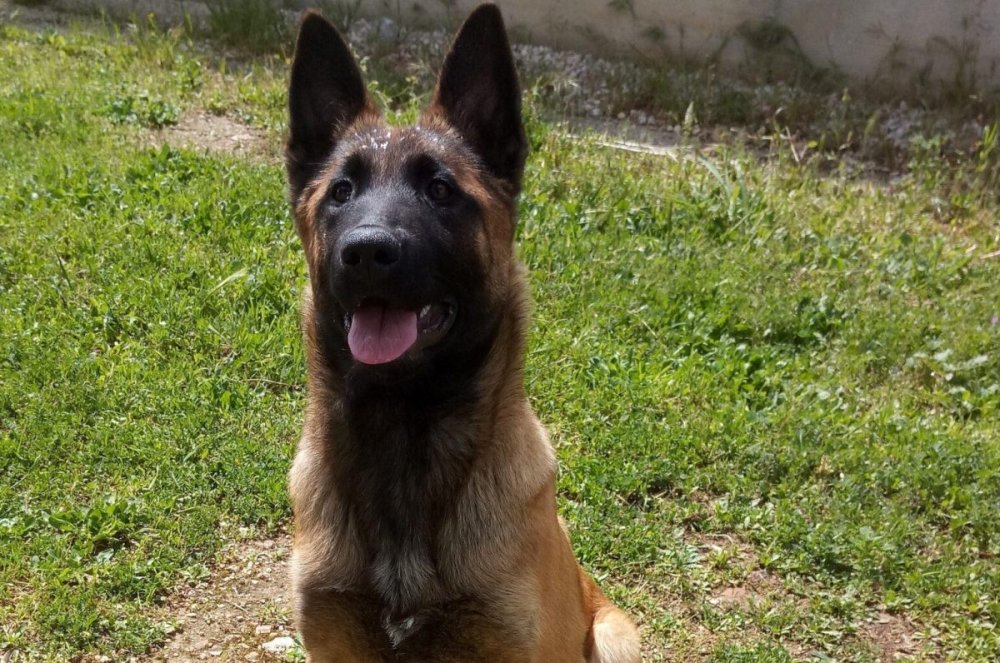
You might come across the Cane di Oropa (also called the Cane da Pastore di Oropa) while scrolling past a striking photo, hearing the name from someone with Italian family ties, or trying to identify a dog that looks like a mountain herder but does not quite match the better known breeds. It often sits in that hazy space between “recognised breed” and “regional working type”, which can make even experienced dog people pause.
What tends to surprise people is that this is not a modern designer cross or a newly invented label. It is a dog shaped by place and work, tied to the pastoral culture of the Biella area in Piedmont, in the Western Alps. That background matters in everyday life because it influences the things you actually live with: stamina, decision making, sensitivity to movement, and a coat built for cold weather.
If you are considering one, or you simply want to understand what you are seeing, it helps to think less in terms of buzzwords and more in terms of function. A dog bred to move stock on steep ground can be a steady companion, but it rarely thrives without purposeful daily activity and clear handling.
Breed snapshot: what people usually notice first

The Cane di Oropa is generally described as a medium sized pastoral dog from the Biella area of Piedmont, used for driving and managing sheep and cattle in mountainous terrain.1 In Italy it is commonly referred to as the Cane da Pastore di Oropa, and it has an ENCI breed page that places it in Group 1 (sheepdogs and cattle dogs) with an FCI code listed on that page.1, 2
In practical terms, most dogs that fit the type share a few outward themes: a robust, athletic build, a dense coat suited to harsh weather, and an alert expression that can read as “on the job” even when they are simply watching the yard. Reported height and weight ranges vary by source, which is common in breeds still consolidating type and recognition, so it is wise to judge the individual dog in front of you rather than expecting a single, fixed template.3
- Original role: herding and managing livestock in alpine and pre alpine areas.1
- General look: medium sized, strong and agile, built for endurance rather than bulk.3
- Common colours reported: often darker coats are described, with variation depending on lines and local type.3
Origins and recognition: why the name can be confusing
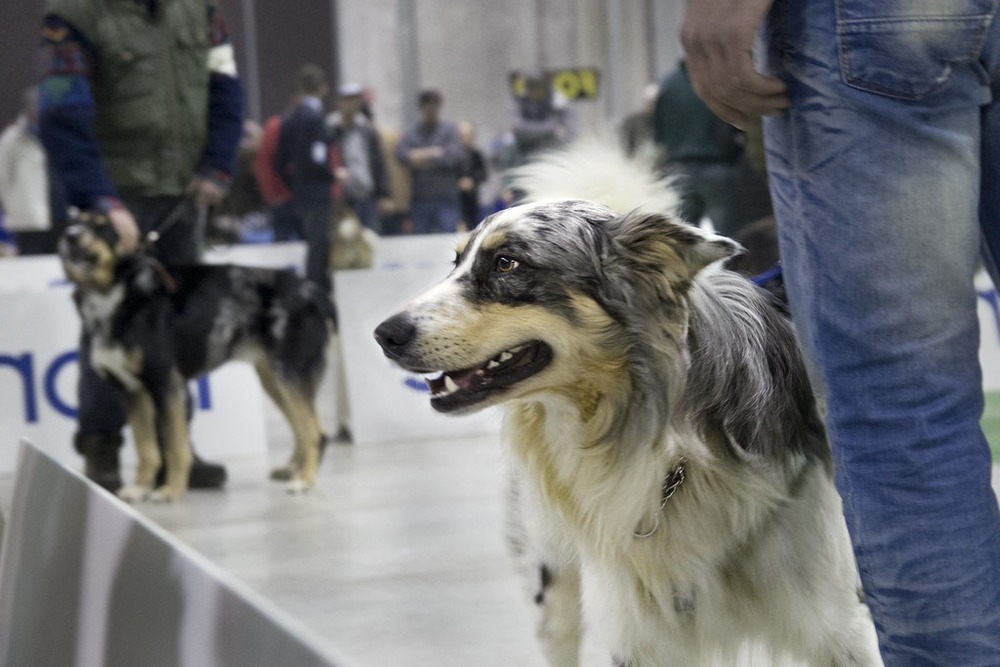
The Oropa name is tied to a specific region and working tradition, which is why you will sometimes see it discussed as a local shepherd dog first, and a modern “breed” second. ENCI lists the Cane da Pastore di Oropa as a breed admitted to the Registro Supplementare Aperto (RSA), with recognition procedures underway, which is a useful clue about why information online can feel patchy or inconsistent.1
There is also a dedicated ENCI associated club for the breed, which points to structured preservation efforts, including a community of breeders and fanciers working within an official framework.2 That matters for prospective owners because it affects what responsible sourcing looks like: you are often dealing with a smaller network, fewer litters, and a stronger emphasis on keeping working traits and soundness.
Temperament in daily life: loyal, watchful, and easily “switched on”
Descriptions of the Cane di Oropa commonly highlight a dog that is intelligent, responsive, and capable of working with a degree of independence, which makes sense for a livestock dog that needs to read movement and terrain without constant instruction.3 In a home setting, that can look like a dog who notices everything and forms strong patterns quickly, both the helpful kind and the inconvenient kind.
A gentle misconception is that herding breeds are automatically easy family dogs. Many are wonderful in the right household, but their behaviour is shaped by what they were selected to do. If a dog is inclined to control movement, you may see circling, stalking, body blocking, or chasing when children run, bikes move past, or visitors arrive in a lively clump. It is not “naughtiness” so much as an untrained skill being expressed in the wrong context.
With visitors, some individuals can be reserved, and a watchful dog can become a habitual barker if the household relies on the dog to “handle” every sound. The goal is not to silence a protective dog, but to teach a calmer routine so the dog learns when to stand down.
Training and exercise: build a life that matches the dog
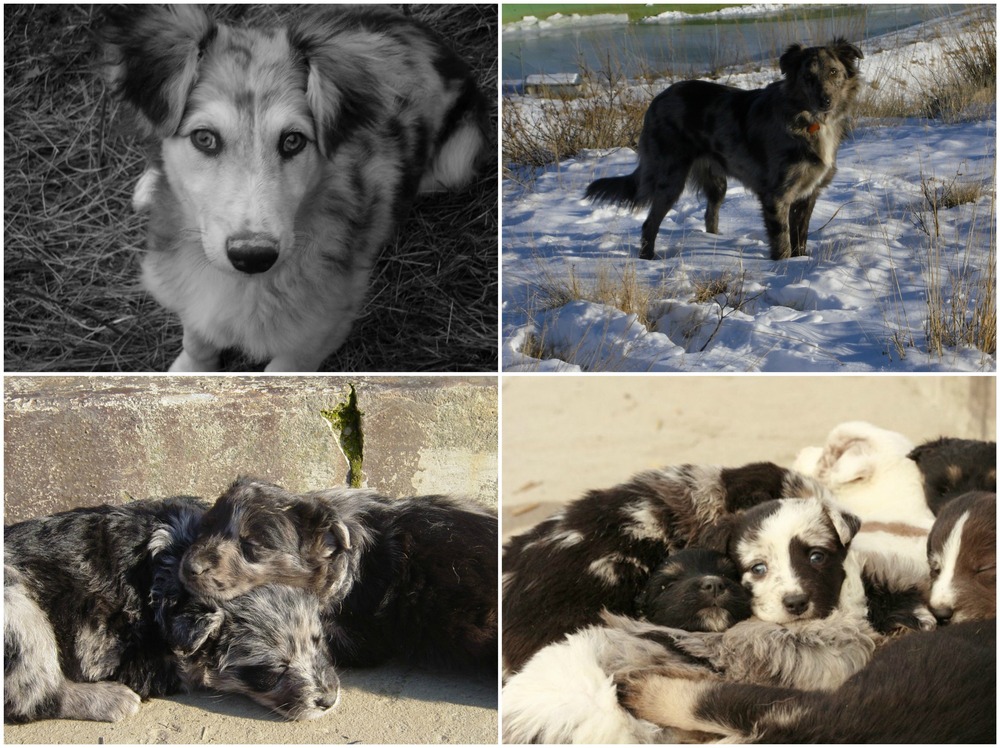
If you live with a pastoral dog, training is less about tricks and more about everyday skills under pressure: settling when the doorbell goes, walking past fast movement, waiting at gates, and disengaging from livestock, wildlife, or neighbourhood cats when asked. Early socialisation helps, but it works best when it is paired with thoughtful management, calm repetition, and rewards that make sense to the dog.
Modern welfare based guidance strongly supports reward based methods for training dogs, and this approach tends to suit smart, sensitive working breeds particularly well. It builds clarity without escalating conflict, which matters if you are living with a dog that can persist when it believes it has a job to do.4
Exercise needs are best thought of as both physical and mental. Long walks are useful, but many herding dogs still feel “unfinished” afterwards unless they have also done some problem solving. For many households, this can be as simple as scent games, structured fetching with cues, or low impact agility style work that emphasises control rather than speed.
- Physical outlets: brisk walks, hiking, controlled running in safe areas, structured tug and retrieve.
- Mental outlets: scent work, food puzzles, short training sessions, pattern games for calm.
- Herding style behaviours: if present, redirect into trained games and boundaries rather than letting the dog rehearse chasing.
Health considerations: what to ask a vet about early
Because the Cane di Oropa is not as globally documented as some established breeds, you will see broad statements online about typical issues. It is reasonable to keep an eye on orthopaedic soundness and eyes, but the most useful approach is very practical: ask what health screening is being done in the lines you are looking at, and have your vet assess your dog’s growth, gait, and body condition over time.
For dogs with athletic working backgrounds, weight management is one of the biggest modifiable factors you can control. Keeping a dog lean does not just help fitness, it can reduce strain on joints over a lifetime.
Coat care, seasons, and heat: the part many owners underestimate
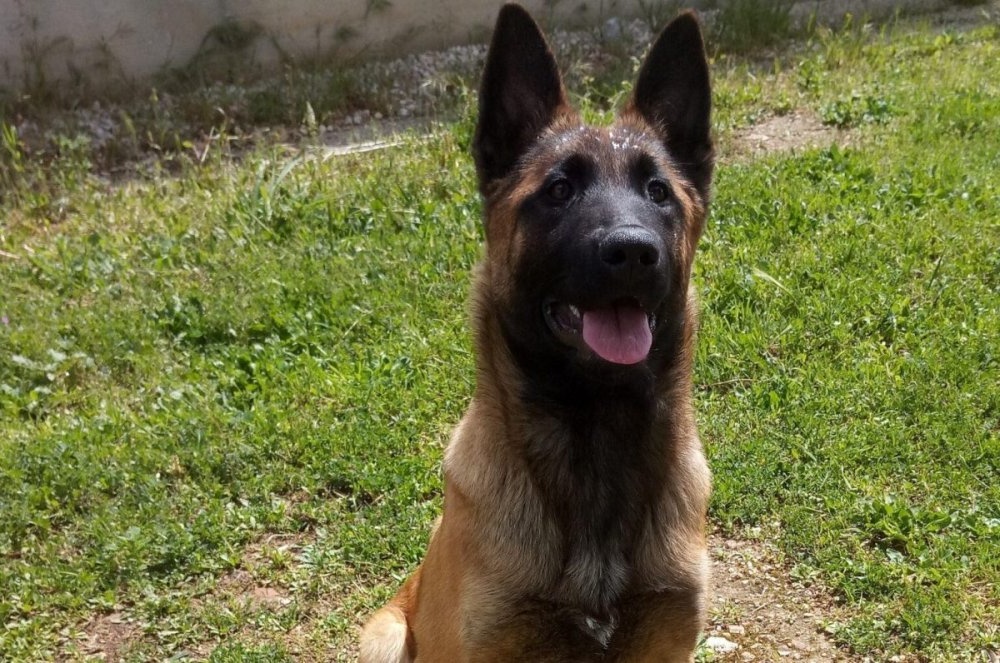
A dense coat is a gift in cold and wet conditions, but it can be challenging in hot weather. Even if your dog seems keen to keep moving, thick coated dogs can overheat quickly in warm, humid conditions. Australian animal welfare organisations recommend adjusting exercise to cooler parts of the day, ensuring access to shade and water, and watching closely for signs of heat stress.5, 6
Grooming is usually straightforward but regular. Brushing a few times a week helps remove dead coat, reduces matting, and makes it easier to check skin condition, grass seeds, and ticks after time outdoors. Seasonal coat blows can be more intense, which is normal for many double coated dogs.
If you are unsure whether to clip a double coat, talk it through with a vet or an experienced groomer who understands working coats. For many dogs, coat removal can create sunburn risk and can interfere with natural insulation, so it is not a decision to make purely for convenience.
Feeding and condition: keep it simple, measurable, and individual
Feeding advice gets noisy fast, especially with active breeds. The simplest healthy baseline is a complete and balanced diet chosen with your veterinary team, then adjusted based on body condition and real world activity. The World Small Animal Veterinary Association provides practical guidance and tools for nutritional assessment, including monitoring and tailoring intake to the individual dog, which is especially helpful when a dog’s workload changes across seasons.7
If your dog is doing long hikes, herding work, or endurance style activity, ask your vet about appropriate energy density and timing of meals, rather than guessing with extra treats. Small changes in routine can reduce stomach upset and help keep arousal levels steadier.
Is the Cane di Oropa right for you?
The Cane di Oropa tends to suit people who enjoy training as part of daily life and who take quiet satisfaction in a dog that watches, learns, and participates. It is often not the best match for someone wanting a low energy dog, or for households where there is little time to provide structured activity.
If you are drawn to the breed because you like the idea of a capable, loyal working dog, it is worth also embracing the less romantic parts: a dog that needs boundaries, a dog that may try to manage movement, and a dog whose coat and heat tolerance will shape your routines in summer.
When sourced thoughtfully and raised with kind, consistent training, these dogs can be deeply steady companions. The key is meeting the dog in front of you, not the myth of what a mountain herder “should” be.
References
- ENCI: Cane da Pastore di Oropa (breed page)
- ENCI: Associazione Amici Cane da Pastore di Oropa
- Wikipedia (Italian): Cane da pastore di Oropa
- RSPCA Knowledgebase: Effective training methods for dogs
- Agriculture Victoria: Caring for animals during extreme heat
- RSPCA ACT: Hot weather tips for pets
- WSAVA: Global Nutrition Guidelines
- FCI: Standards publication list (official site)