

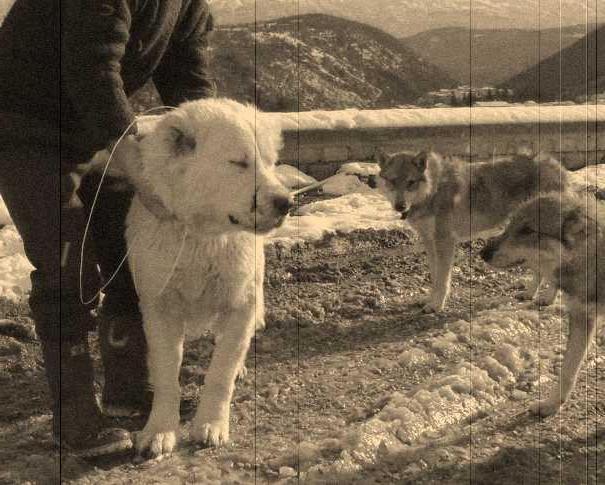
You might come across the Cane Paratore name after seeing a video of a sharp, wolfy-looking shepherd dog moving stock with barely a nudge, or after hearing someone describe a rare Italian working breed that is still doing its original job. It can be tempting to assume it is just another name for a more familiar breed, or that there must be a neat, official breed standard you can look up and be done with it.
In practice, the Cane Paratore sits in a different space. It is tied closely to regional pastoral life, and much of what people share about it online is a mix of real working-dog traits, local naming, and a bit of myth-making. If you are trying to decide whether the breed would suit your home, or you are simply trying to make sense of what you have read, it helps to start with what is reasonably well-supported and stay cautious around the rest.
What follows treats the Cane Paratore as a regional herding type first and foremost, with care needs that look a lot like other athletic, stock-savvy dogs: thoughtful socialisation, plenty of daily movement, and a handler who enjoys training as a routine rather than a quick fix.
History and origin
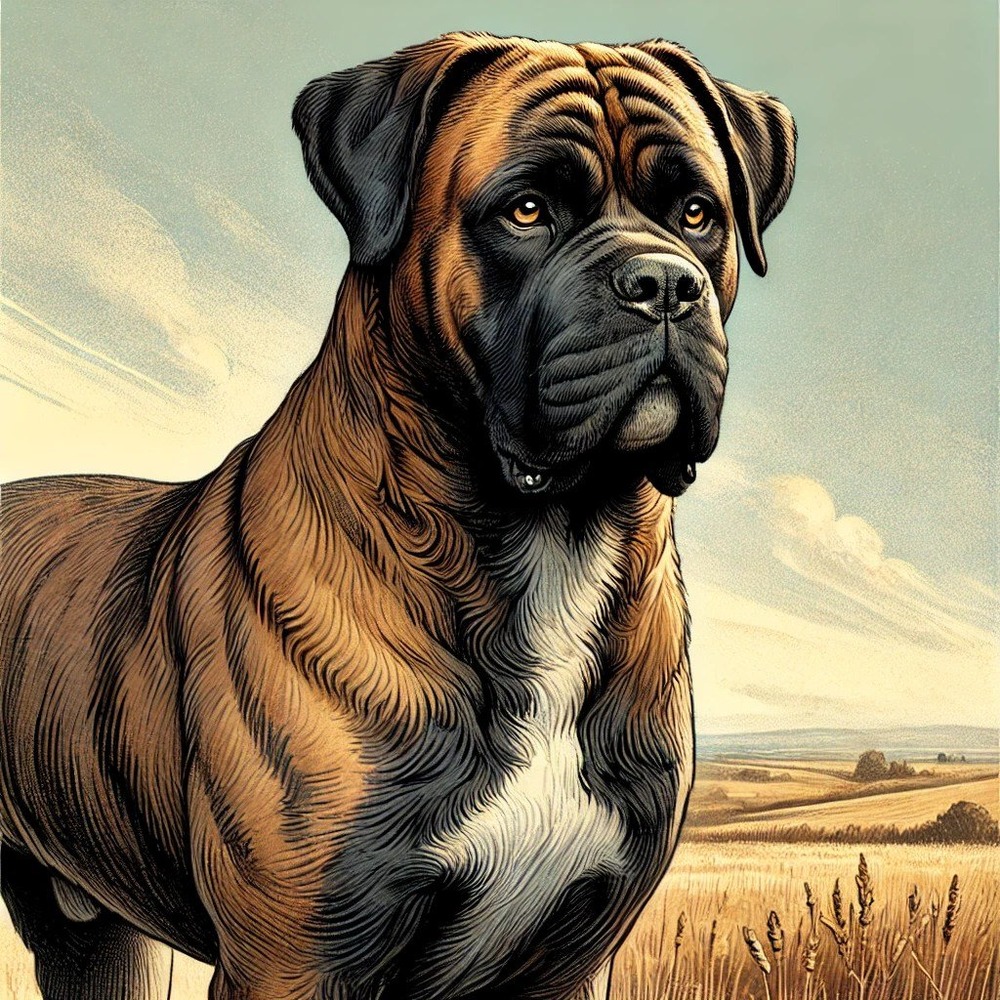
The Cane Paratore is generally described as an Italian herding dog associated with Abruzzo and surrounding pastoral areas, where dogs are expected to work long days, make quick decisions, and stay composed around livestock. The name is also reported as being used alongside “Cane Toccatore”, linked to a style of moving animals by blocking and light contact rather than force.1
One point worth being clear about is recognition. The Cane Paratore is often described as not recognised by the FCI, and it does not have the same kind of widely adopted, international breed infrastructure that you see with more established pedigree breeds. That matters because it affects consistency of type, availability of reputable breeders, and the reliability of “average size” claims you might see repeated from site to site.1
What the Cane Paratore tends to look like (and why descriptions vary)
Most descriptions emphasise a robust, agile, shepherd-built dog with an alert expression and ears that may be erect or semi-erect. Coat and colour are commonly reported as variable, which fits a working background where function is prioritised over uniform appearance.1
Be cautious with neat, confident statistics such as “always short-coated” or “always 60 to 70 cm tall”. You will find quite different height and weight ranges depending on the source, which is often a sign you are looking at a rare or inconsistently defined population rather than a tightly standardised breed. A sensible approach is to plan for a medium, athletic herding dog and to ask to meet adult relatives where possible if you are evaluating a puppy.
Temperament and day-to-day behaviour
Herding dogs tend to be environmentally aware, movement-sensitive, and quick to learn patterns. In a home setting, that can look like a dog who notices everything and becomes skilled at predicting routines. The upside is trainability. The downside is that a bored herding dog can invent work, which might include shadowing, circling, or trying to control movement in the household.
Many Cane Paratore descriptions highlight loyalty and protectiveness. It is more helpful to translate that into practical terms: expect a dog who may be naturally watchful and who benefits from careful socialisation, especially during adolescence, so unfamiliar people, dogs, and places become normal rather than noteworthy.
With children and other pets, the deciding factor is usually not a slogan like “good with kids”, but the combination of the dog’s arousal levels, supervision, and how well everyone understands herding behaviour. Early, well-managed exposure and reward-based training can make a big difference, particularly around smaller animals that may trigger chase responses.
Training and exercise needs
If you are drawn to a working herding breed, it helps to think beyond “an hour of exercise”. Most do best with a blend of movement, skill-building, and rest. A long lead walk where the dog can sniff, a short training session, and an outlet like structured tug, scent games, or agility foundations often leaves them more settled than exercise alone.
For training, positive reinforcement and clear structure are typically the most sustainable. Herding dogs can be sensitive to pressure and repetition, so short sessions with frequent reinforcement, mixed with calm downtime, often produces better results than drilling commands. If guarding or reactivity starts to appear, it is worth involving a qualified trainer early, not because the dog is “bad”, but because patterns set quickly once they start working.
Health considerations and lifespan
Because the Cane Paratore is not widely standardised, reliable breed-wide health statistics are limited. Some sources list particular conditions, but treat these as signals for what to discuss with a vet rather than as a confirmed “breed profile”.1
What is more universally useful, especially if you are looking at a medium-to-large, athletic dog, is sensible joint care. Hip dysplasia is influenced by genetics, growth rate, body condition, and management. Keeping a dog lean, avoiding overfeeding fast-growing pups, and using appropriate screening where available are widely recommended risk-reduction steps.2, 3, 4
In day-to-day terms, that usually means:
- Keeping your dog at a healthy body condition (you should be able to feel ribs easily, without them being visible).
- Building fitness gradually, especially in young dogs, rather than relying on high-impact running.
- Asking your vet about the most appropriate timing and method for hip evaluation based on your dog’s size and history.2, 4
Grooming and maintenance
Most working shepherd types are relatively practical to keep: regular brushing, occasional baths, and routine checks of ears, nails, and teeth. If your dog has a thicker or double coat, seasonal shedding can be more noticeable and brushing needs increase accordingly.
Even with “low fuss” coats, grooming is still valuable because it lets you spot small changes early, such as skin irritation, new lumps, sore pads, or a dog that is avoiding being handled in one area. That is often the first quiet sign of discomfort.
Food and feeding: keeping an athletic dog steady
An active herding dog generally does best on a complete and balanced diet suited to their life stage, with portions adjusted so they stay lean. If you are raising a larger, fast-growing pup, it is worth talking to your vet about growth-appropriate feeding, since rapid growth and excess calories can place extra demand on developing joints.2
Be careful with well-meaning additions. For growing dogs in particular, supplementing calcium or vitamin D without veterinary guidance is commonly discouraged because it can disrupt normal skeletal development.2
Sorting fact from folklore
Rare regional breeds attract stories, and some are repeated so often they start to sound like established facts. One example is the claim that Cane Paratore dogs have webbed feet and a “natural affinity for water”. That is not a commonly supported breed hallmark in the more credible overviews available, so it is best treated as unverified unless you can confirm it in the specific dog in front of you.
If you are researching the Cane Paratore because you are considering bringing one home, the most practical step is to focus on what can be observed and supported: temperament around strangers, ability to settle, interest in working with a person, health screening history, and the living conditions the dog will actually have day to day.
References
- Wikipedia: Cane Paratore
- Cornell University College of Veterinary Medicine: Canine hip dysplasia (CHD)
- American Kennel Club: Hip dysplasia in dogs (signs, treatment, prevention)
- Orthopedic Foundation for Animals (OFA): Hip dysplasia
- RSPCA Australia Knowledgebase: How can I tell if my pet is a healthy weight?
- Australian Veterinary Association (AVA): Dog behaviour (policy and guidance)
- World Small Animal Veterinary Association (WSAVA): Global Nutrition Guidelines
- American Veterinary Medical Association (AVMA): Socializing your dog