

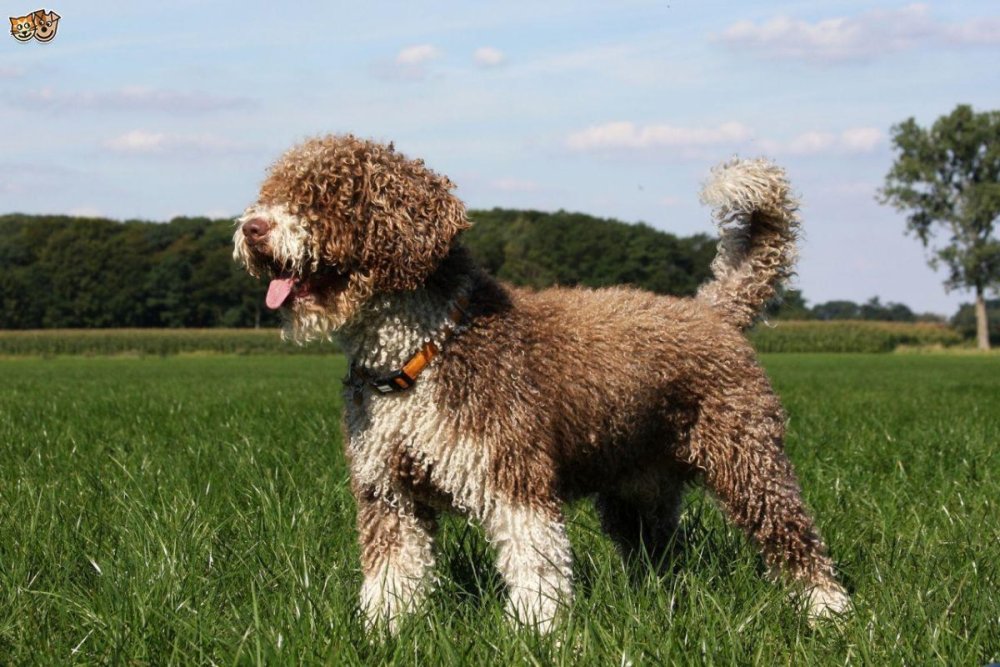
People often come across the Cantabrian Water Dog because they have seen a curly white “water dog” in a photo, heard the name in a working dog context, or noticed that some dogs seem built for cold water in a way others are not. Then the questions start: is it just another name for the Spanish Water Dog, is it a recognised breed, and what would living with one actually look like?
It helps to slow down and separate regional working types from kennel club breeds. Along the Cantabrian coast, dogs were kept because they could do a job in and around boats and shorelines, not because they matched a show ring look. That history still shows up in the way these dogs move, cope with wet conditions, and often prefer being involved in whatever their people are doing.
In practical terms, the Cantabrian Water Dog sits at the intersection of companion dog life and traditional coastal work. If you are considering one, or you are trying to understand a dog you already have, the details that matter most are temperament, daily outlets for energy, coat care, and a clear-eyed view of what is and is not formally recognised.
Quick breed snapshot
Breed category: Working water dog type
Origin: Cantabria, northern Spain
Build: Medium, athletic, made for stamina and swimming
Coat: Curly, water-resistant, generally low shedding but high maintenance
Typical lifespan: Around 12 to 14 years (varies by individual, lines, and care)
History and origin in the Cantabrian coast
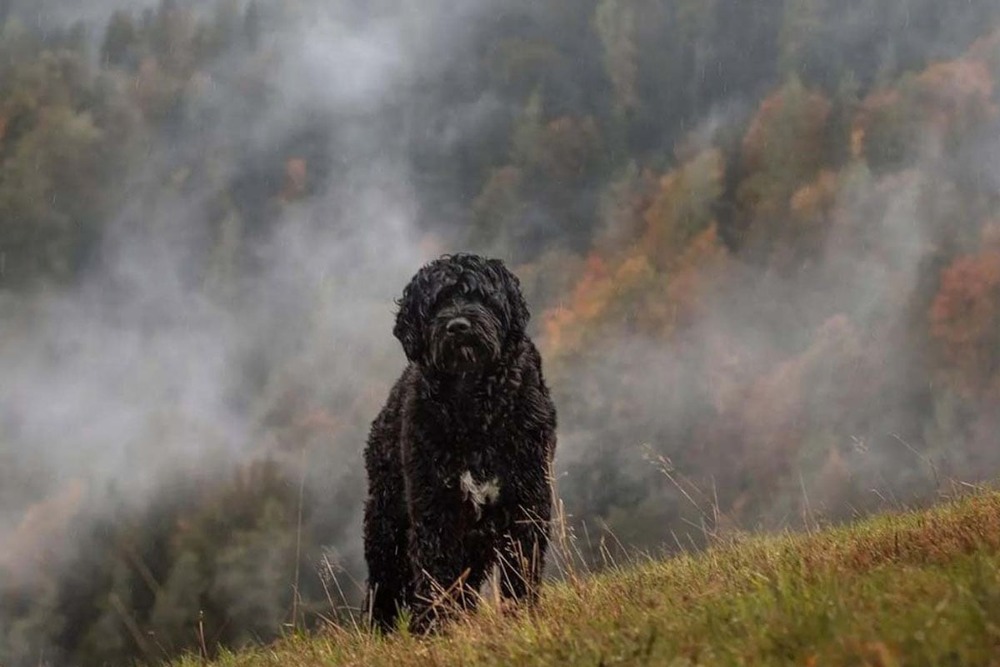
The Cantabrian Water Dog, also known locally as Perro de Agua del Cantábrico, is tied to the fishing towns of northern Spain. Historically, these dogs were kept for tasks that demanded confidence around water: retrieving items, assisting with ropes and moorings, and working close to boats and busy docks.1, 2
Because the breed developed around function, you will see it described as a traditional coastal type rather than a long-established show breed. That can make the paper trail feel patchy compared with more widely registered dogs, but it also explains why so many descriptions focus on practical ability in water and steady work habits.
Recognition and where confusion can creep in
A common point of confusion is whether the Cantabrian Water Dog is “the same as” the Spanish Water Dog. They share the broader Spanish water dog tradition, and both were used as multi-purpose helpers (including assisting fishermen), but they are not treated identically in official systems.1, 3
At the time of writing, the Spanish Water Dog (Perro de Agua Español) is recognised by major international kennel bodies such as the FCI.4 The Cantabrian Water Dog is reported as recognised in Spanish legislation, while not being recognised by Spain’s national kennel club (RSCE), and it is described as a breed in recovery locally.1
If you are dealing with registration, importing, showing, or breeding plans, this distinction matters. If you are simply living with a curly-coated, water-loving dog, what matters more day to day is individual temperament and needs, not the label on a database.
Physical characteristics that show up in daily life

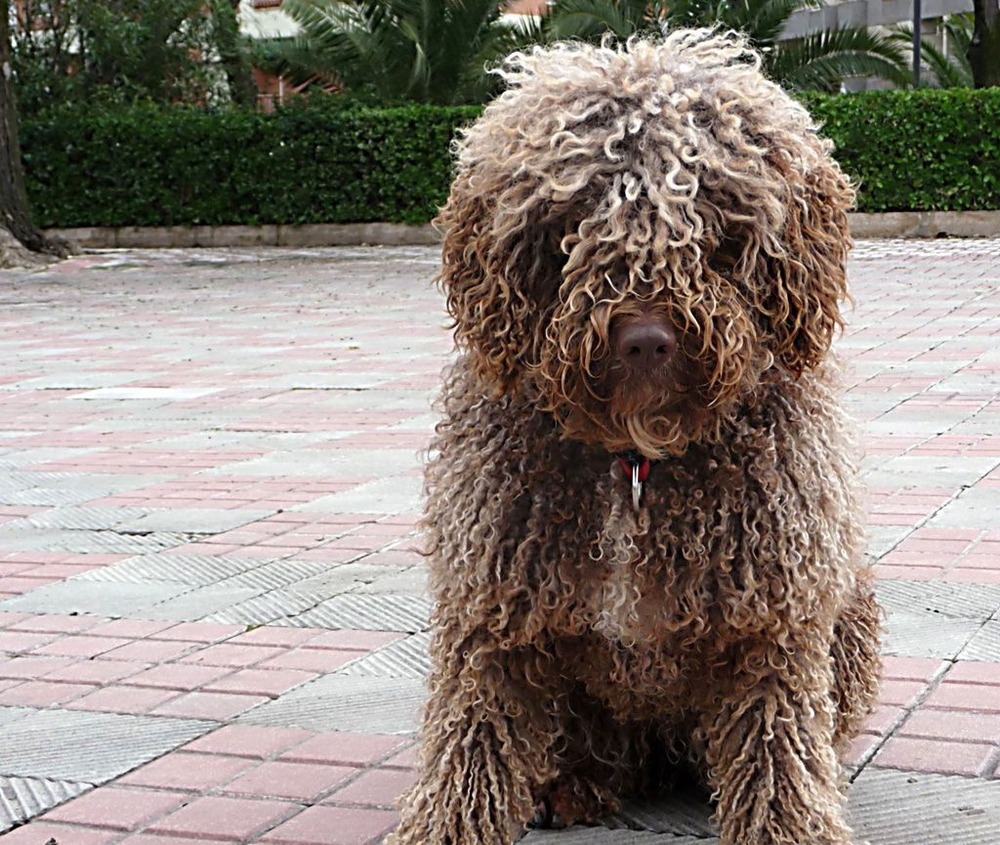
These are medium dogs built for movement: steady endurance, good agility, and enough strength to work in rough coastal conditions. You will often see the coat described as curly and water-resistant, which is not just a look, it changes how the dog copes with cold water and wind.1, 2
Be cautious with sweeping claims like “all water dogs have webbed feet”. Some individuals do have more noticeable skin between the toes, but in most real-world situations, swimming ability is better explained by conditioning, confidence, and structure than any single trait.
Temperament and behaviour
A dog shaped by working life tends to notice patterns quickly. Many owners describe this type as bright, energetic, and attached to their people, often doing best when they have a role, even if that “role” is training games, retrieving, or coming along on outings.
That intelligence is a gift, and also a responsibility. Without enough structured activity, clever working dogs can rehearse the behaviours that work for them, like barking at movement, experimenting with boundary-pushing, or turning everyday household items into enrichment.
With children and other pets, outcomes usually hinge on early socialisation, sensible supervision, and teaching the dog what calm behaviour looks like. High energy does not automatically mean unsuitable, but it does mean you may need to be more deliberate about routines.
Training and exercise needs
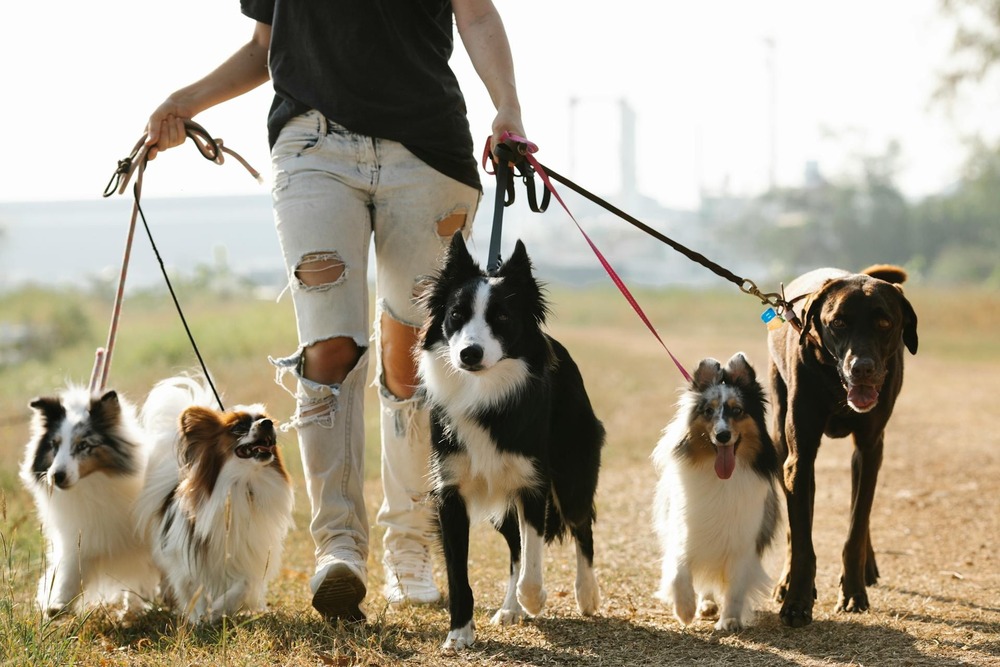
For most working-bred water dogs, the need is not only “more exercise”. It is the right mix of physical outlets and thinking work. RSPCA guidance on enrichment is a useful framework here: daily walks are helpful, but so are sniffing opportunities, play, and safe novelty that keeps the dog engaged.5
Positive reinforcement tends to suit intelligent, responsive dogs. Keep sessions short, repeatable, and woven into daily life, like recalls on a long line, retrieve games with rules, or basic cues practised before meals.
If you are considering swimming as exercise, treat it like any sport: build fitness gradually, watch for over-arousal, and make sure the dog can exit the water easily. A “natural swimmer” can still become exhausted or make poor choices when overstimulated.
Health and lifespan
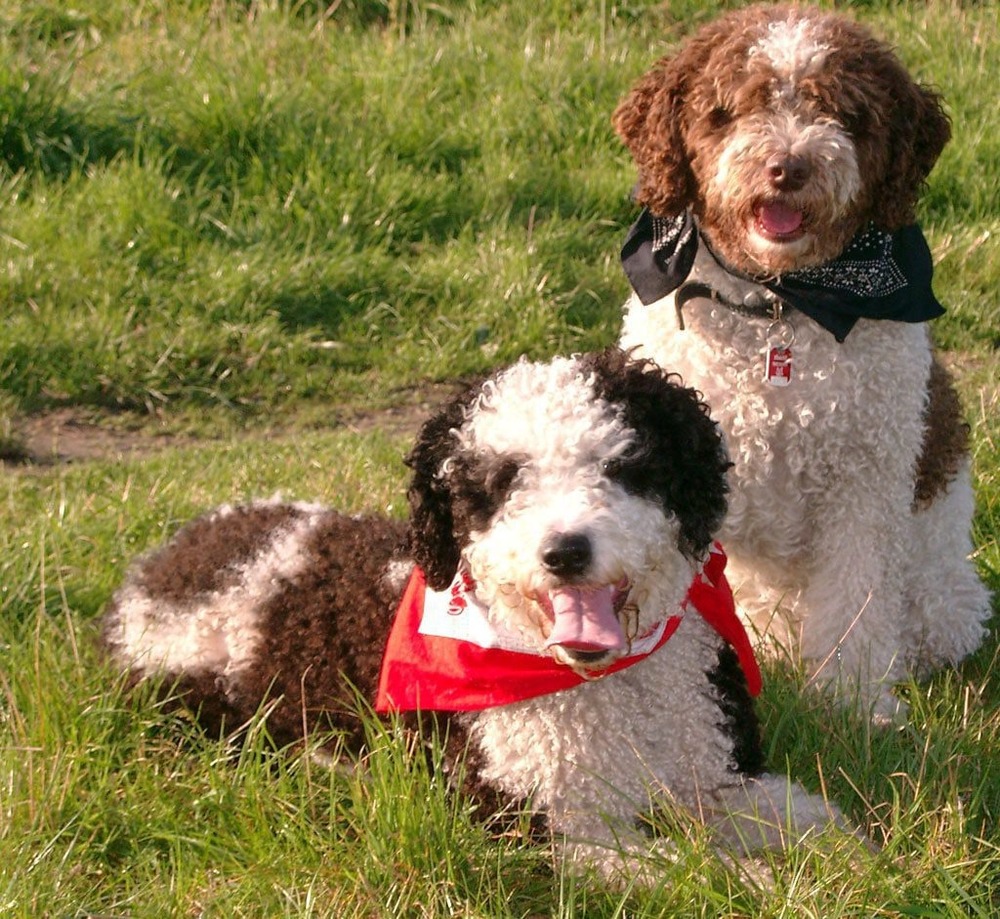
Individual dogs vary, but medium, athletic working types are not immune to common canine issues. The original article mentions hip dysplasia and eye conditions, which are sensible areas to discuss with your vet, especially if you are sourcing a puppy or planning strenuous sport work.
In day-to-day management, the basics carry a lot of weight: maintaining a lean body condition, building fitness gradually, and using routine veterinary checks to catch problems early. Lifespan is often described in the low-to-mid teens, which aligns with many healthy medium dogs, but it is not a guarantee for any individual.
Preventative care habits that matter
- Keep weight steady, extra load can worsen joint strain over time.
- Talk to your vet about appropriate screening, especially if your dog is very active.
- Prioritise dental care early, it is much easier to maintain than to recover later.6
Grooming and coat maintenance
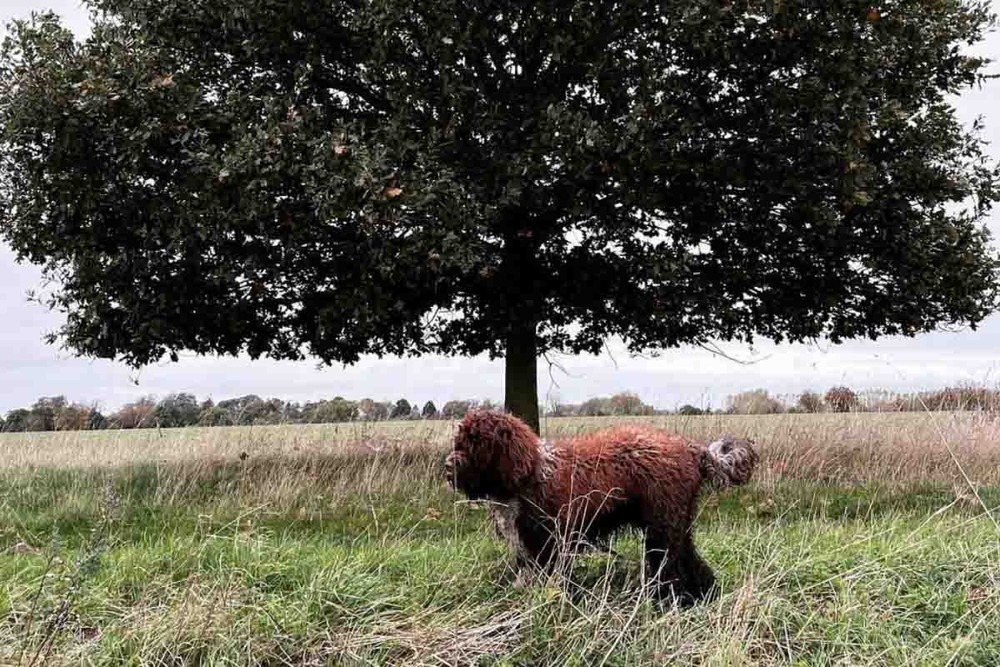
Low shedding is often misunderstood as low effort. Curly coats can trap loose hair rather than drop it, which can mean fewer hairs on the couch, but a higher risk of matting if grooming slips.
A practical routine usually includes checking high-friction spots (behind ears, armpits, groin), keeping the coat clean after salt water or mud, and choosing a grooming approach you can keep up long term. If you use a professional groomer, ask for a plan that supports skin health and comfort rather than a purely cosmetic finish.
Dogs that swim often benefit from extra attention to ears. Moisture trapped in the ear canal can contribute to irritation or infection, so it is worth discussing safe ear-cleaning habits with your vet if your dog is in and out of water frequently.
Diet and nutrition for an active dog
For energetic, working-minded dogs, nutrition is not only about a high protein number on a label. It is about whether the diet is complete and balanced, whether it suits your dog’s digestion, and whether the feeding amount matches real activity.
WSAVA’s owner guidance is helpful because it gently challenges a common habit: choosing food based mainly on the ingredient list. The ingredient list can be misleading, and it does not tell you whether the overall diet is well formulated.7
If you add “fresh” extras, keep them genuinely small, and make sure they do not displace the balanced portion of the diet.
Foods to avoid
Some human foods are well-established risks for dogs, including chocolate, grapes and raisins, and onions or garlic. If your dog gets into any of these, contact your vet promptly, even if the amount seems small.8
Living with one, apartment life included
“Apartment friendly” can be true in a narrow sense: a medium dog can physically fit into a smaller space. The harder question is whether the dog’s daily rhythm can be met. A water-working type that gets consistent exercise, training, and quiet downtime can settle beautifully indoors. A similar dog without outlets may struggle, regardless of housing size.
Plan for the real-world time costs: coat care, training, and getting outside in weather that you might prefer to avoid. If you are comfortable with that, you often end up with a dog that is highly engaged with their people and willing to learn.
Weather sensitivity and heat safety
A dense, curly coat that performs well in wet and cold conditions can be a disadvantage in hot weather. Australian summers can catch owners off guard, especially when a dog is enthusiastic and tries to keep moving past safe limits.
RSPCA heat guidance is straightforward: avoid exercising in the hottest part of the day, avoid hot surfaces, provide shade and water, and never leave a dog in a vehicle. If you suspect heat stress, start cooling with tepid or cool water and seek veterinary attention.9
Final thoughts
The Cantabrian Water Dog makes the most sense when you picture the coastline it comes from: wet air, hard work, and a dog expected to be steady around water and people. If you can meet the daily needs of a bright, energetic working type, you are likely to appreciate the breed’s practical intelligence and willingness to stay involved.
If you are choosing a puppy or trying to identify a dog, keep the label in perspective. Focus on the dog in front of you, the support you have around training and grooming, and the lifestyle you can sustain for the next decade.
References
- Wikipedia: Cantabrian Water Dog
- Asociación Perro de Agua del Cantábrico (official site)
- Wikipedia: Spanish Water Dog
- Fédération Cynologique Internationale (FCI): Spanish Water Dog (Perro de Agua Español) standard listing
- RSPCA Australia: The importance of enrichment for dogs
- RSPCA Pet Insurance: Guide to dog dental care
- WSAVA: Global Nutrition Guidelines (pet owner tools and label guidance)
- ASPCA: People foods to avoid feeding your pets
- RSPCA Australia: Keeping your pet safe during heat