

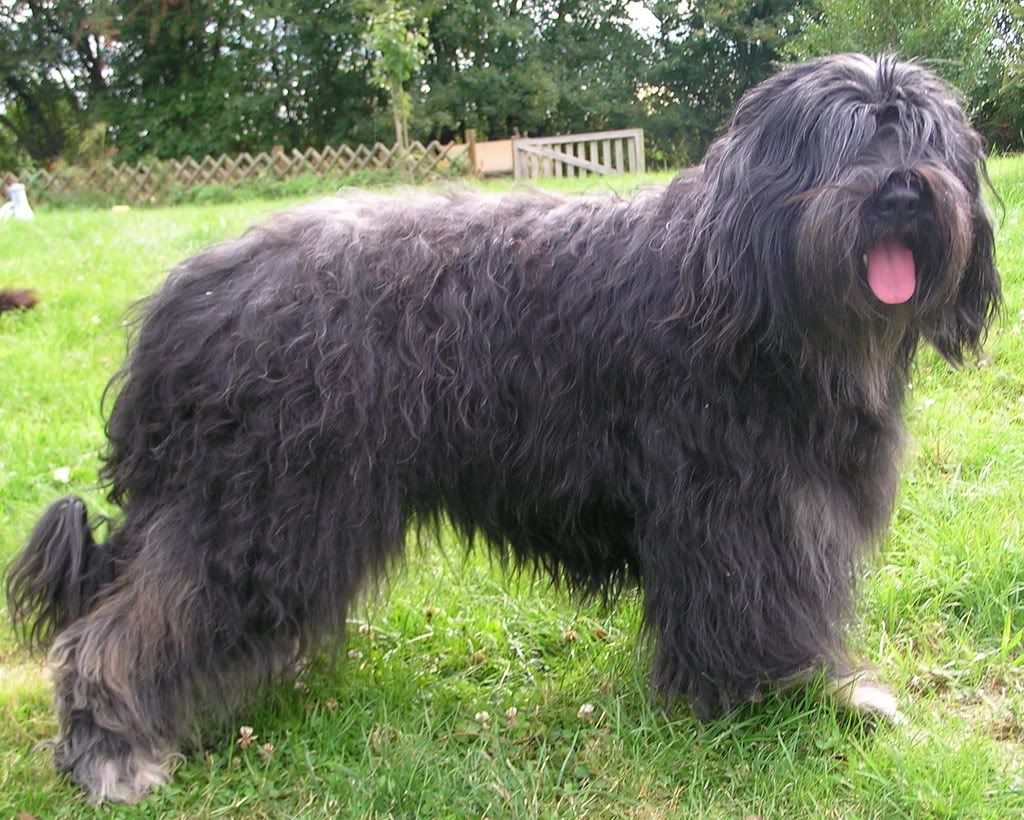
You might come across the Cão da Serra de Aires after noticing a shaggy, bearded dog that looks a bit like it has wandered out of an old farming photograph. Or you might be comparing herding breeds and realising that not all of them have the same “busy all day” temperament, even when they were bred for work.
This Portuguese sheepdog can live quite happily as a companion, but it tends to do best when its brain and body have something regular to do. The coat and the nickname (“monkey dog”) can distract from what matters day to day: how this breed thinks, how it copes with modern life, and what it needs from the people around it.
If you are considering one, or already share your home with one, it helps to see the Cão da Serra de Aires as a practical working dog first, and a quirky-looking one second. That small shift makes grooming, training, exercise, and even “problem behaviours” much easier to understand.
- Breed category: Herding (sheepdog type)
- Country of origin: Portugal
- Height: Males 45 to 55 cm, females 42 to 52 cm (approx.)
- Weight: Males 17 to 27 kg, females 15 to 25 kg (approx.)
- Life expectancy: Commonly around 12 to 14 years
- Coat: Long, wavy, dense, typically low shedding
- Exercise needs: High, daily physical and mental work helps
- Temperament: Intelligent, lively, loyal, often people focused
Where the Cão da Serra de Aires comes from
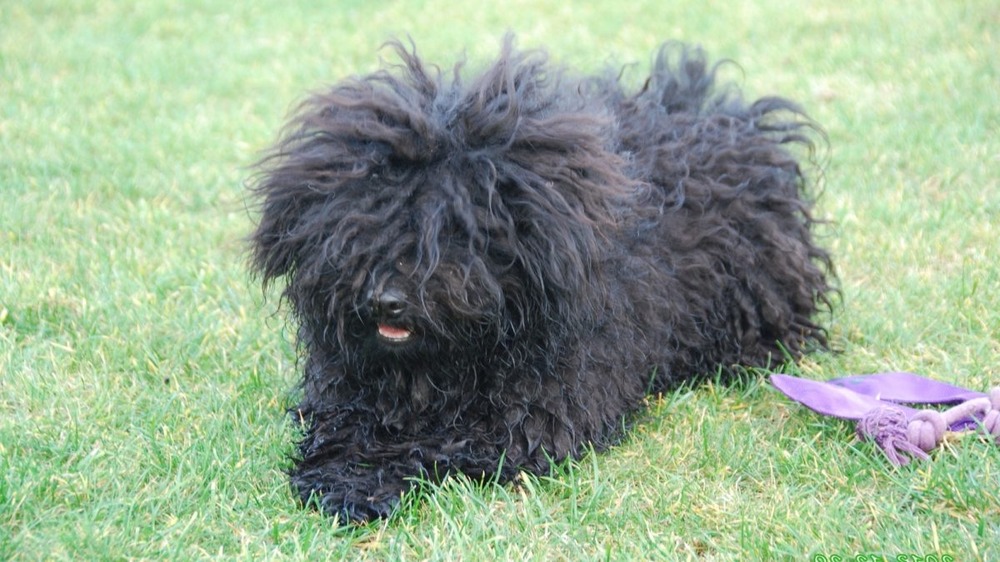
The Cão da Serra de Aires is also known as the Portuguese Sheepdog. It developed as a herding dog in Portugal, associated with the Serra de Aires region and the Alentejo, where a capable all-round farm dog was valued more than a specialist built for one narrow job.2, 3
Like many landrace working dogs, its early history is not recorded in a neat timeline. What is clearer is the type of work it was shaped by: moving and managing livestock in tough conditions, making quick decisions, and staying close enough to people to take direction, but independent enough to keep a job moving.2, 3
Some accounts describe influence from other European herding breeds, including French Briards, brought into Portugal in the early 1900s and crossed into local dogs. You will see this mentioned alongside the Count of Castro Guimarães, who is often linked with the breed’s development, although details vary depending on the source.3, 4
On the formal side, the breed is recognised by the Federation Cynologique Internationale (FCI) as a sheepdog (Group 1, Section 1). The FCI lists definitive acceptance in 1954, with an official valid standard published in 2008 (and later language publications following).1
Coat, build, and the “monkey dog” look
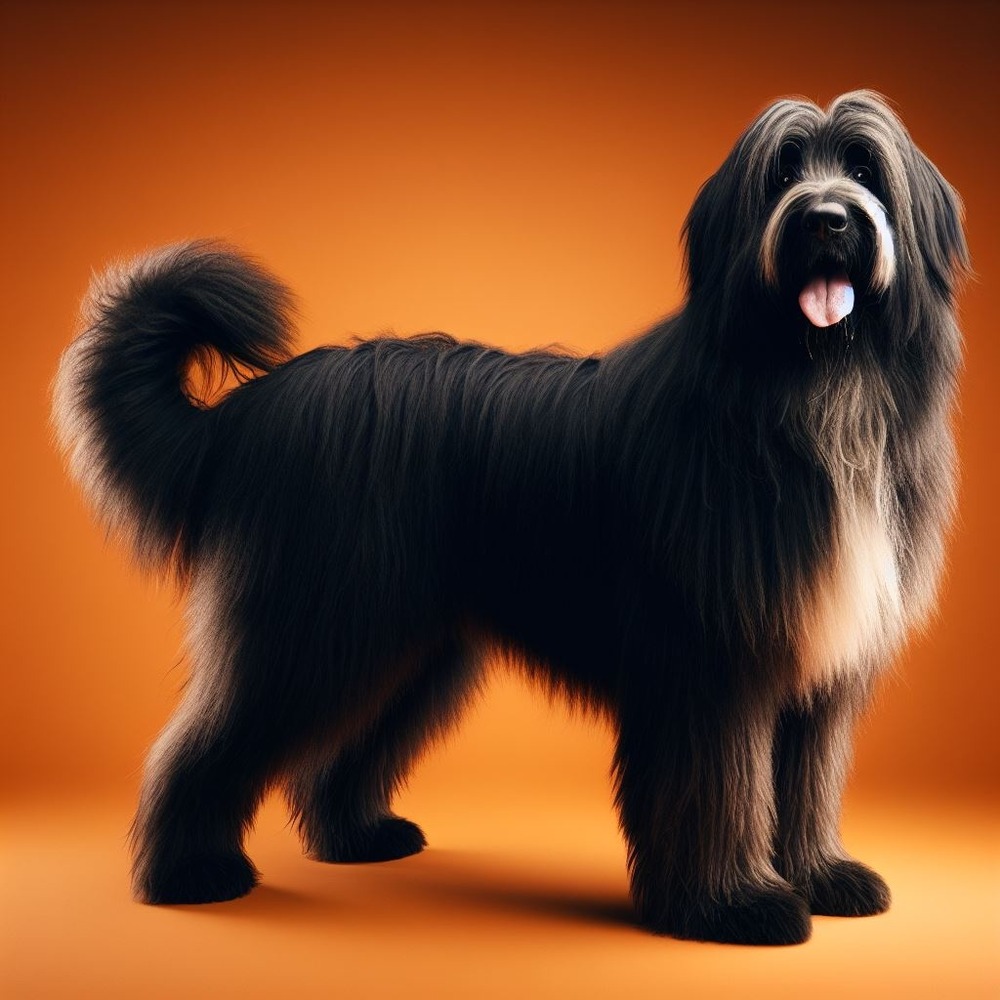
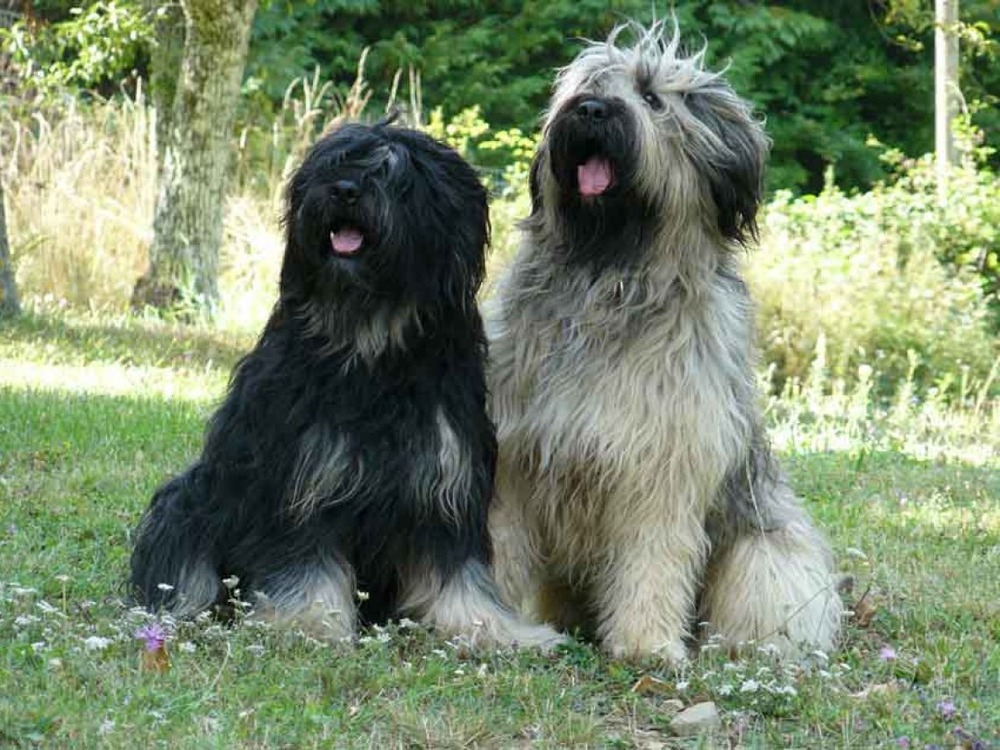
Most people remember this breed for its face. The long hair around the muzzle and eyes can give a beard-and-moustache effect, and in Portugal the breed is nicknamed cão macaco, which translates to “monkey dog”.3
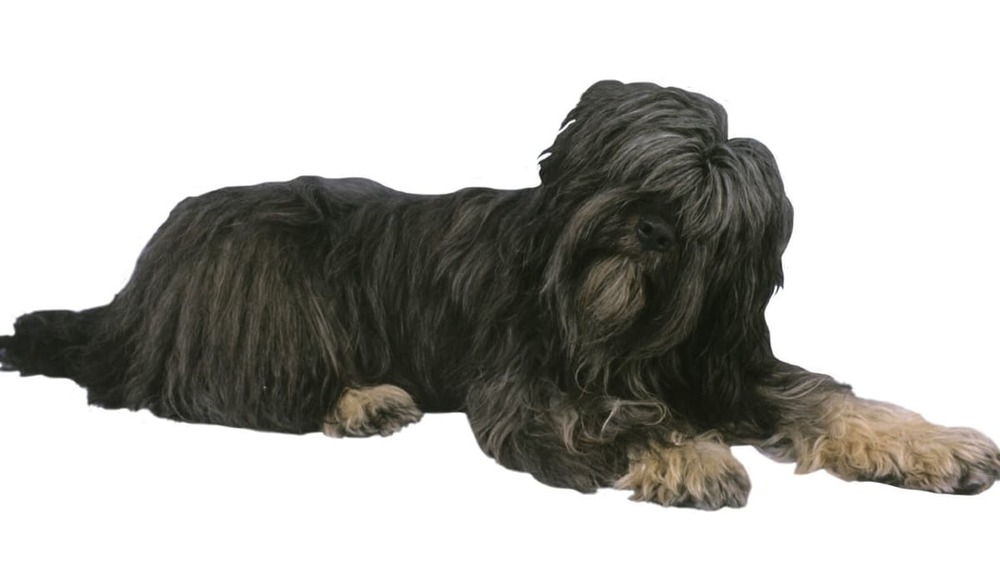
That coat is functional as well as distinctive. It is typically long, wavy, and dense, offering protection in variable weather. Owners often describe it as low shedding, but low shedding does not mean low maintenance. Hair that stays in the coat has to be removed with brushing, or it tends to tangle and matt.
In day-to-day life, the coat can also hide small issues. Burrs, grass seeds, and minor skin irritation are easier to miss in a shaggy dog, so it is worth building quick hands-on checks into your routine, especially after bush walks or paddock time.
Temperament: bright, lively, and often very “switched on”
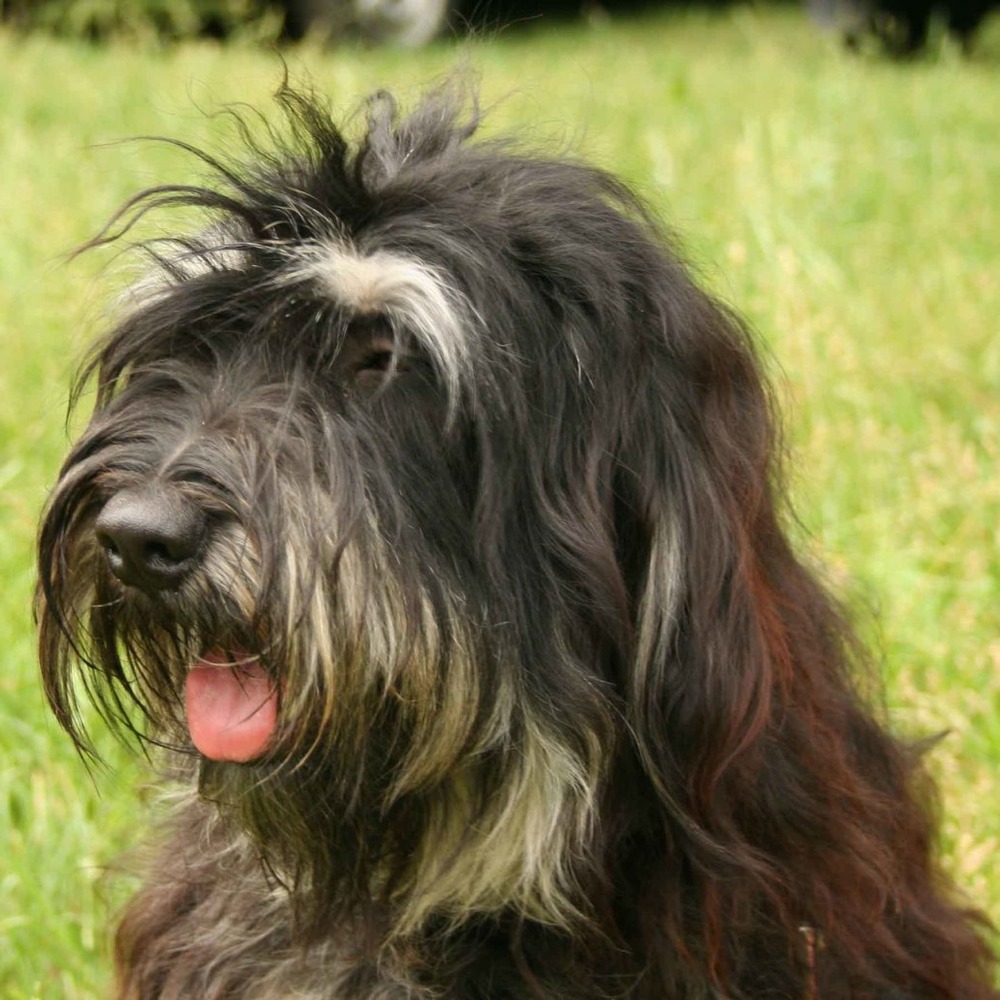
The Cão da Serra de Aires is commonly described as intelligent and lively. In practice, that often looks like a dog that notices patterns quickly, anticipates routines, and can become restless if the household is quiet but the dog’s mind is not engaged.
It can be a warm companion with its people, while still having a working dog’s tendency to track movement in the environment. With children and other pets, many do well, but it helps to remember that herding behaviour is not “naughtiness” so much as an old job showing up in a new setting. Early, thoughtful socialisation makes a real difference to how comfortably the dog navigates visitors, busy footpaths, and other animals.6
If you notice chasing, circling, or attempts to control motion (including bikes, running kids, or other dogs), it is usually more productive to redirect into training and structured activity than to simply try to suppress it. The goal is to teach the dog what to do instead, and to lower the overall arousal level in situations that trigger the pattern.
Training and exercise that suits the breed
Most Cão da Serra de Aires dogs respond well to training that is consistent, reward-based, and broken into manageable pieces. With a bright dog, drilling can backfire. Short sessions, clear criteria, and rewards that actually matter to the individual dog tend to work best.
For puppies, socialisation is not just about meeting other dogs. It is also about calm exposure to surfaces, noises, handling, car travel, and unfamiliar people, in a way that keeps the puppy feeling safe and able to learn.6
Exercise is more than distance. This breed often benefits from a mix of:
- Steady daily movement (walks, hikes, controlled off-lead where appropriate)
- Problem-solving (food puzzles, scent games, simple tracking)
- Skill-building (obedience foundations, trick training, agility-style body awareness)
A dog that is physically tired but mentally under-stimulated can still look “busy” at home. Conversely, a moderate walk plus ten minutes of focused training can take the edge off far more effectively than another kilometre on the lead.
Health: what to watch, and what to screen for
Breed overviews commonly mention hip dysplasia and inherited eye disease risk. Not every dog will have problems, but it is sensible to treat screening as normal, especially if you are buying a puppy or considering breeding.
Hip dysplasia is a developmental condition of the hip joint that can contribute to osteoarthritis and pain over time. Severity varies widely, and good management often includes maintaining a lean body condition, sensible exercise, and veterinary guidance. Formal screening is typically done with radiographs interpreted through recognised schemes, such as those described by the Orthopedic Foundation for Animals (OFA).5
For eye health, progressive retinal atrophy (PRA) is a broad term for inherited retinal degenerations. Importantly, PRA is not one single disease with one single genetic cause across all breeds. Depending on the line and the population, DNA tests and ophthalmic exams may be relevant, and your vet or a breed club can help you interpret what is meaningful for your dog.7
Good basics still matter most: routine veterinary care, parasite prevention appropriate to your area, dental care, and a plan for maintaining healthy weight and mobility across the dog’s adult and senior years.
Grooming that keeps the coat comfortable
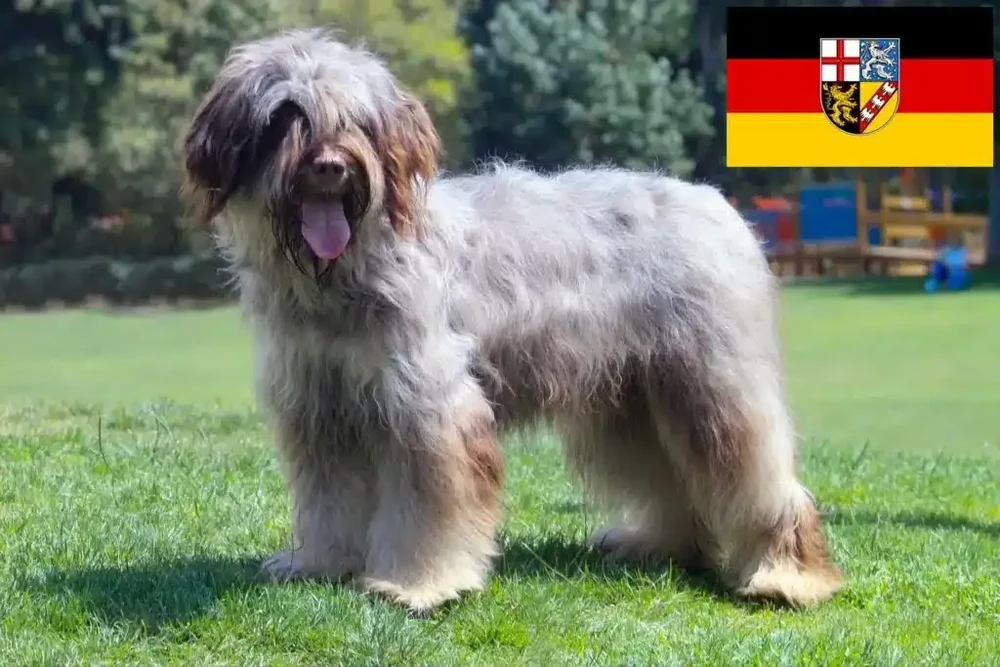
The coat is usually described as “moderate” grooming, but that depends on what you mean by grooming. If you want the dog comfortable and matt-free, you will likely need regular brushing and combing. If you want a neatly maintained outline, you may also choose occasional professional grooming.
A practical routine for many owners looks like:
- Two to three thorough brush-outs a week, focusing on friction points (behind ears, armpits, groin, collar area)
- Line brushing or careful combing through to the skin in areas prone to matting
- Quick coat checks after walks for grass seeds and burrs
Bathing can help, but bathing a coat that is already matted can tighten knots. If you are finding mats close to the skin, it is kinder to get grooming help early, rather than trying to “save” the coat at all costs.
Feeding and body condition for an active sheepdog
This breed tends to do well on a high-quality, complete diet that matches activity level and life stage. The most useful measure is not a brand name, but the dog’s condition over time: you should be able to feel ribs easily under a light covering, and see a waist from above.
If a dog is highly active, you may need a more energy-dense food, but it is still worth reassessing portions regularly. Many owners accidentally “feed the lifestyle” year-round, even when activity drops in summer heat, injury, or ageing.
If you are unsure, a vet check that includes a weight trend, body condition score, and a simple plan is often more helpful than constantly changing foods.
Living with a Cão da Serra de Aires in a modern home
Despite the herding background, many do adapt to suburban living if their needs are met. The bigger question is not whether you have a farm, but whether the dog has a job to do, even if that job is “train with me, walk with me, settle with me”.
They are often more comfortable when they have predictable routines and clear boundaries. That can be as simple as a consistent place to rest, a small number of well-rehearsed cues, and an outlet for natural behaviours like sniffing and exploring.
If you are choosing a puppy, it is worth asking what the breeder does to set puppies up for life in homes: early handling, exposure to everyday sounds, and evidence of health testing that is relevant to the breed population they are working with.
References
- Fédération Cynologique Internationale (FCI): Cão da Serra de Aires (Breed No. 93)
- Border Collie Museum: Herding Dogs of Western Europe (Portugal section, Portuguese Sheepdog)
- Wikipedia: Portuguese Sheepdog (Cão da Serra de Aires)
- Wikipedia (DE): Cão da Serra de Aires
- Orthopedic Foundation for Animals (OFA): Hip Dysplasia
- RSPCA Australia: Socialising your puppy
- The Guardian: Genetic test could eradicate a type of inherited blindness in dogs (PRA)
- RSPCA ACT: Puppy Basics Course (positive reinforcement and controlled exposure)