

People often start looking up the Cão Fila de São Miguel after noticing a sturdy, brindle cattle dog with a watchful look, or after hearing it described as “protective” and wondering what that means day to day. Sometimes it comes up the other way around, because you are drawn to working breeds and want something capable, steady, and not fussed by rough weather, but you also want to know what you are signing up for in an ordinary household.
This is a breed shaped by practical work. On São Miguel in the Azores, dogs were expected to move cattle, hold ground, and make sensible decisions without constant direction. That background can produce a companion who is deeply connected to their people, but it can also create a dog who takes unfamiliar visitors seriously and needs careful, early guidance to live comfortably in modern neighbourhood life.1
It helps to think less in terms of “good” or “bad” temperament, and more in terms of fit. The Cão Fila de São Miguel can be a brilliant match for an experienced, active home that enjoys training and structure. In a home that expects an easygoing, instantly social dog, the same traits can become hard work.
At a glance: what kind of dog is the Cão Fila de São Miguel?
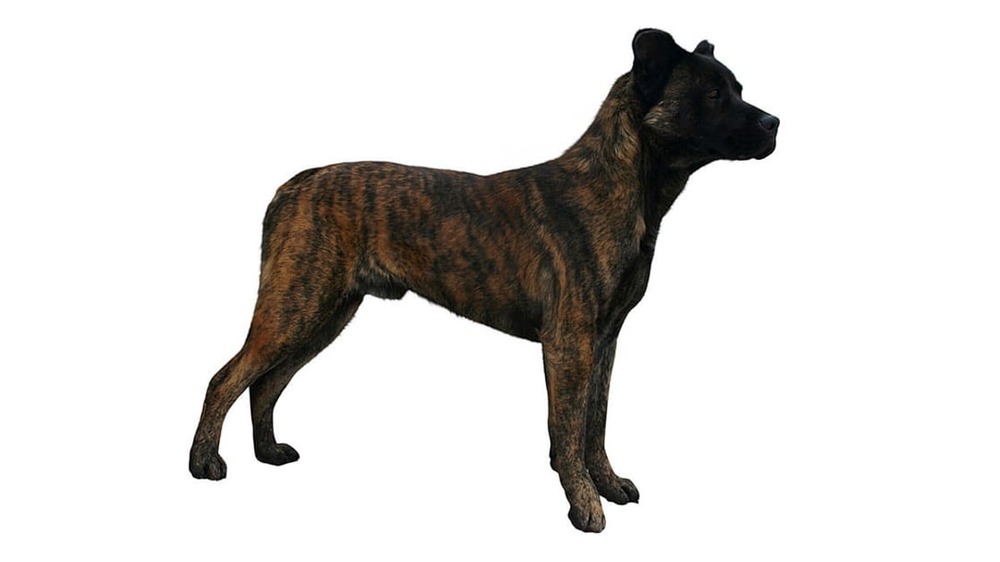
The Cão Fila de São Miguel (also called the Saint Miguel Cattle Dog) is recognised internationally as a Portuguese breed originating from the island of São Miguel in the Azores.1 It is robust, slightly longer than tall, and built to keep moving over uneven ground.
If you are comparing size, adults are commonly described in the medium to large range, with males typically taller and heavier than females. Breed references often cite males around 50 to 60 cm and 25 to 35 kg, females around 48 to 58 cm and 20 to 30 kg, with natural variation either side of that depending on lines and conditioning.1, 2
Coat is short and dense, commonly brindle. The overall impression is of a dog made for work rather than ornament, with a body that looks capable of sudden speed and sustained effort.1
Origins and working purpose on São Miguel
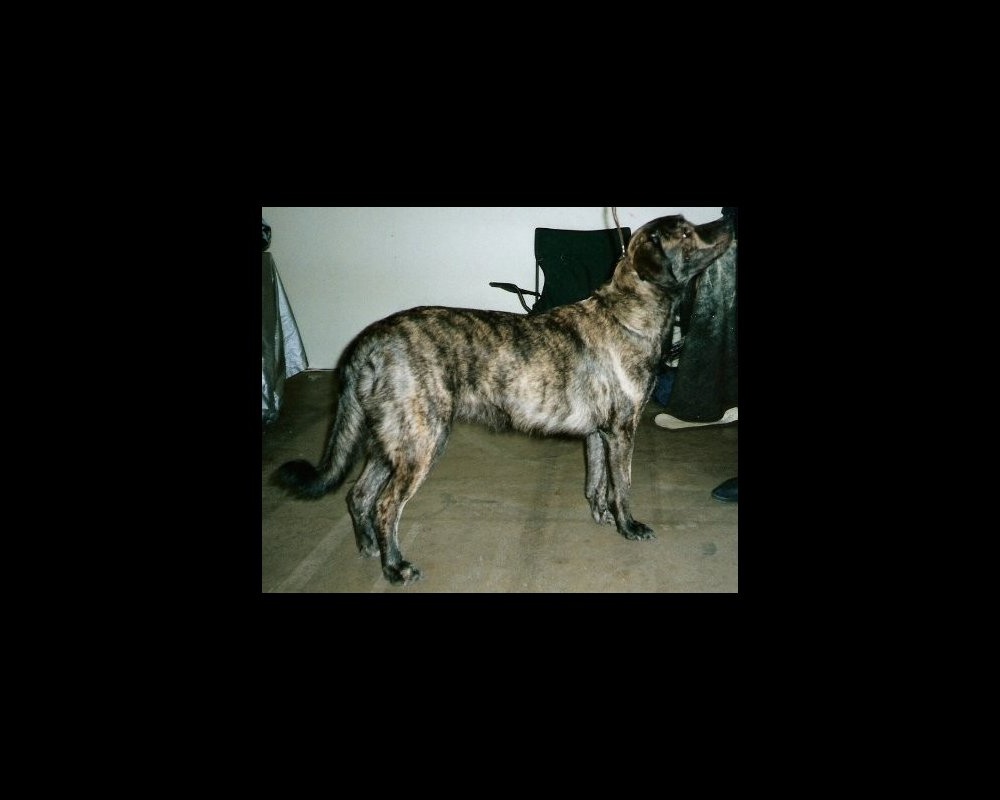
In the FCI breed standard, the Cão Fila de São Miguel is described as a cattle dog from São Miguel, with documentation of the type dating back to the early 19th century.1 Herding and guarding were not separate jobs. A dog needed to move stock efficiently, stay close enough to influence a stubborn animal, and still be ready to deter threats around the property.
That working context matters because it explains a lot of what owners see at home. Many individuals are naturally attentive to movement and boundaries, and can be quick to notice unfamiliar people near the house or yard. In the right hands, that becomes a clear-headed, reliable presence. Without guidance, it can tip into over-responsibility where the dog starts deciding too much for themselves.
It is also worth keeping in mind that “working instinct” is not the same as being busy all the time. A good cattle dog often alternates between intense focus and calm waiting, but they learn that pattern through routine and training, not through being left to invent their own job.
Temperament: determined with strangers, devoted at home
Descriptions of this breed can sometimes lean into dramatic labels. The more useful framing is that many Cão Filas are decisive and watchful with unfamiliar people, while remaining closely bonded and responsive with their own household.1
In the breed standard, the temperament is described as very determined towards strangers and docile with the owner, reflecting a dog that can take guarding seriously without being indiscriminately confrontational.1 That distinction is exactly why early socialisation matters. The goal is not to force friendliness, but to build calm, learned expectations about visitors, busy streets, other dogs, and the everyday surprises of modern life.
With children, suitability tends to come down to supervision, training, and the dog’s individual tolerance. As with many herding and cattle-driving breeds, some individuals may try to control movement by circling, blocking, or using body pressure. That is manageable when adults notice it early and teach alternative behaviours, and when kids are coached to interact safely.
Training that suits a thinking, physical working dog
This is not usually a “train once and forget” breed. Many do best with training that is ongoing, practical, and woven into daily life. Reward-based training is a good fit for dogs who learn quickly and can become resistant if handled harshly or inconsistently.3
Early work is mostly about life skills: settling on a mat, walking on lead without scanning for trouble, swapping objects willingly, and being able to disengage and look back to the handler. Those skills support the more obvious goals, like recall and polite greetings.
Socialisation is a particular priority. The RSPCA describes a critical socialisation period (commonly discussed as roughly 3 to 17 weeks), when positive exposure to people, places, surfaces, sounds, and safe dogs can shape long-term behaviour.4, 5
- Keep exposures positive, short, and controlled.
- Prioritise calm observation over forced interaction.
- Use management (leads, gates, distance) so the dog can succeed.
Exercise needs: more than a long walk
The Cão Fila de São Miguel is commonly described as high energy, and many adults will need a genuine daily outlet. In practice, that means two parts: physical movement and mental load. A long walk can help with conditioning, but it does not always meet the dog’s need to think, solve, and practise self-control.
Activities that tend to suit this type of dog include structured obedience, scent games, problem-solving toys, and controlled off-lead time in secure areas where recall and arousal can be managed. If you live in a suburb, it is often the calm, repetitive training and the ability to settle afterwards that makes life work, rather than trying to “tire them out” every day.
For puppies, it is sensible to avoid heavy impact exercise while they are growing. Your vet can advise on safe activity levels for your dog’s age and development.
Health considerations and sensible prevention
No breed is entirely free of inherited risk. Larger, athletic dogs can be prone to orthopaedic problems, and hip dysplasia is a common concern discussed across many medium to large breeds. Canine hip dysplasia involves joint laxity and abnormal wear that can lead to arthritis and pain over time.6
Practical prevention is rarely one magic step. It is usually a combination of:
- Keeping a lean body condition, especially during growth.
- Appropriate exercise that builds muscle without repetitive high impact.
- Choosing breeders who health test and can discuss orthopaedic history.
- Early veterinary assessment if you notice stiffness, reluctance to jump, or hind-end weakness.
Eye problems are sometimes mentioned in general breed summaries, but specific conditions and true frequency can be hard to pin down without breed-club health reporting. If you are buying a puppy, ask what eye screening is done in that line, and what the results have been over time.
Grooming, handling, and day-to-day care
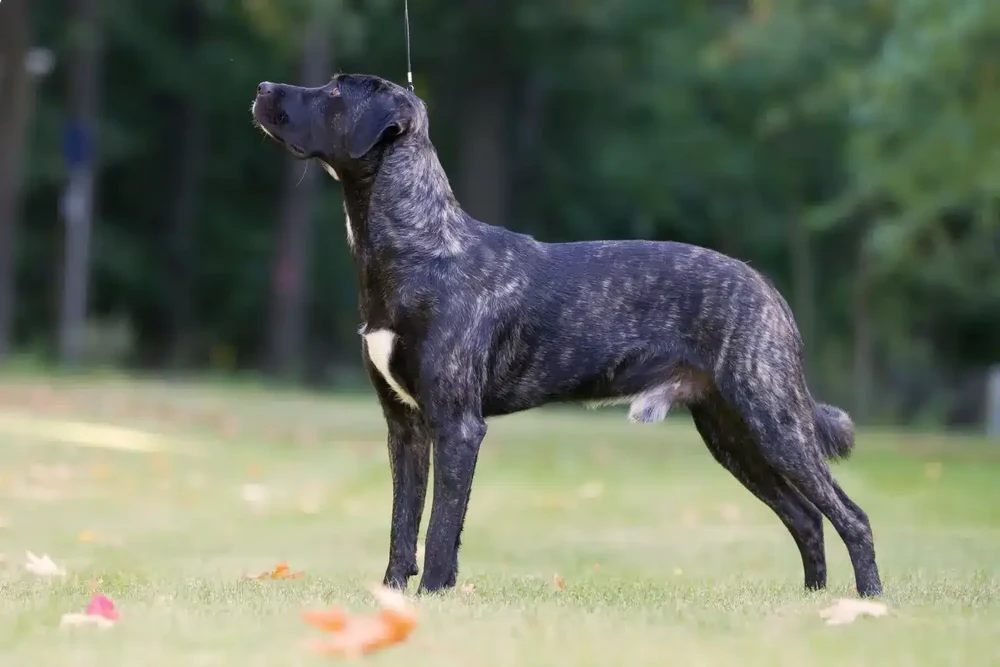
The short coat is generally straightforward: occasional brushing to lift dead hair, routine nail trims, and regular ear and dental care. The bigger “maintenance” question is often behavioural rather than grooming related, because a watchful working dog benefits from routine and clear handling.
One practical note for Australian readers is the tail. Some older materials still mention docking. Cosmetic tail docking has been banned nationwide in Australia since 2004, with docking only permitted for therapeutic reasons in line with state and territory legislation.7 If you are offered a puppy with a docked tail, it is appropriate to ask direct questions and walk away if the answers do not stack up.
Feeding: aim for steady growth and long-term soundness
With active, muscular dogs, feeding can drift into guesswork, especially when online advice focuses on ingredients over outcomes. The WSAVA Global Nutrition Guidelines emphasise the value of an individual nutrition plan and regular nutritional assessment, including monitoring body condition and adjusting intake over time.8
In practical terms, many owners do well by choosing a complete, balanced diet from a reputable manufacturer, then working with their vet to keep the dog lean and well-muscled rather than simply “big”. This matters for joint load, stamina, and overall comfort as the dog ages.
Is this breed a good fit for your home?
The Cão Fila de São Miguel tends to suit people who enjoy training, boundaries, and a dog that pays attention. They are often at their best with handlers who can stay calm, be consistent, and manage introductions to visitors thoughtfully.
This breed may be a poor fit if you need a dog who is reliably social with strangers, if you cannot provide secure fencing and structured daily activity, or if you prefer a low-drive companion who blends easily into busy public spaces without much training.
If you are considering one, it is worth meeting adult dogs, not only puppies, and talking through real-life management with breeders or experienced owners. A good match feels less like a project and more like a rhythm you can actually keep.
References
- FCI: Cão Fila de São Miguel (Breed No. 340)
- DogZone: Cão Fila de São Miguel breed information
- RSPCA Australia: Here’s how to care for your puppy (reward-based training)
- RSPCA Knowledgebase: Is socialising my puppy important?
- RSPCA Australia: Socialising your puppy
- American College of Veterinary Surgeons: Canine Hip Dysplasia
- RSPCA Knowledgebase: Is the tail docking of dogs legal in Australia?
- WSAVA: Global Nutrition Guidelines