

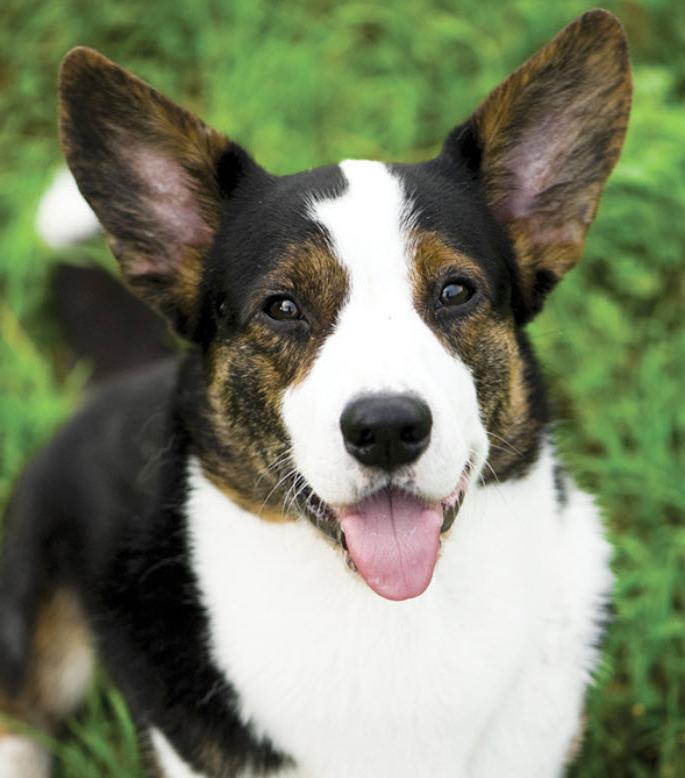
People often notice a Cardigan Welsh Corgi the same way they notice a well-made tool, compact, purposeful, and quietly confident. Maybe you have seen one trotting along on a lead with that long, fox-like tail, or you have met a small dog who seems to read the room faster than most people. It can be surprising how much dog is packed into such a low frame.
It is also easy to assume that a short-legged herding breed will either be a “small dog in disguise” or, on the other hand, too busy for ordinary life. The reality sits somewhere in the middle. Cardigans are often adaptable and steady, but they still carry working-dog instincts that show up in everyday moments: watching movement, reacting quickly, and needing something meaningful to do.
If you are considering the breed, or already living with one, the details matter in practice. Their build affects how you manage exercise, weight, and household routines. Their intelligence affects how you train, enrich, and settle them. Getting those foundations right is what tends to shape the dog you end up sharing your life with.
Quick breed snapshot
- Breed group: Herding (pastoral)
- Origin: Wales
- Typical height: About 27 to 32 cm at the withers
- Typical weight: Often around 11 to 17 kg, depending on sex and build
- Life expectancy: Commonly 12 years or more
- Coat: Double coat, generally short to medium
- Grooming: Regular brushing, heavier shedding at times
- Exercise needs: Moderate to active, plus daily mental work
Where the Cardigan comes from, and what that still means today
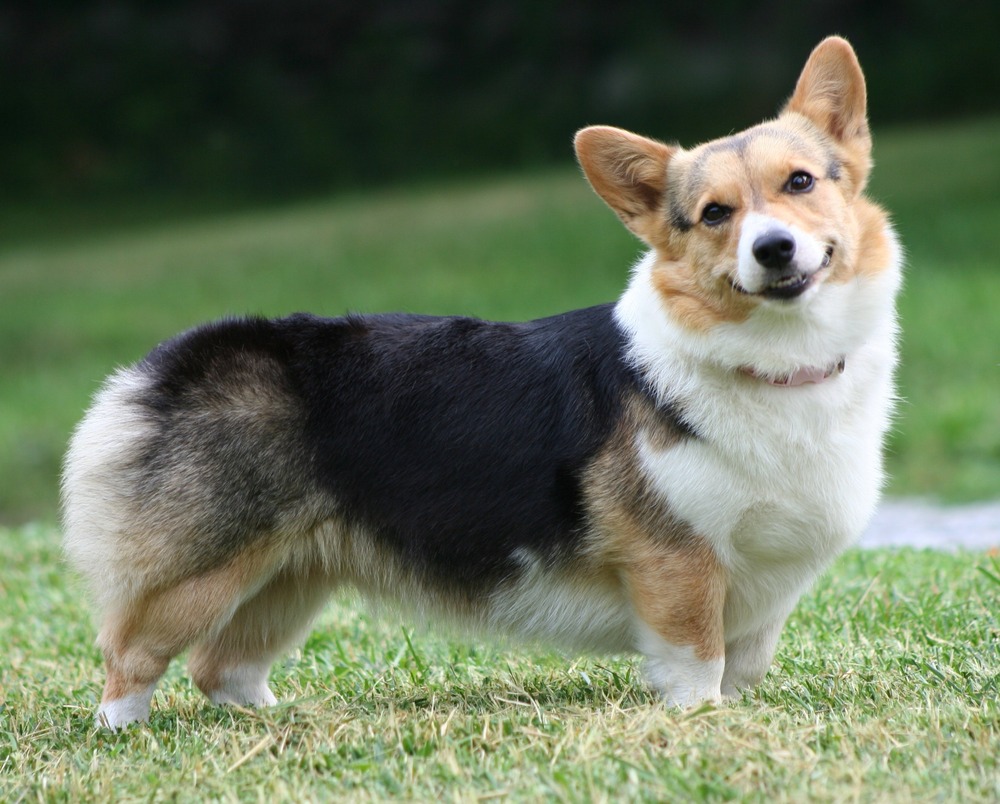
Cardigans were developed in Wales as practical farm dogs, especially for moving livestock. A low body and quick footwork allowed them to work close to cattle, darting in to control movement while staying safer from hooves. That history helps explain why many Cardigans are alert to motion, responsive to changes in the environment, and inclined to take initiative.
The Cardigan and Pembroke were long associated under the general “Welsh Corgi” label, then later recognised as distinct. In the UK, the two types were ultimately separated for showing in 1934, which shaped modern breed identities and breeding goals in a lasting way.1
When you live with a Cardigan, those farm-dog roots can show up as a tendency to notice everything, to keep track of who is where, and to prefer a household with routines they can learn. It is not “dominance” so much as a working brain doing what it was built to do.
Appearance and the traits people often miss at first
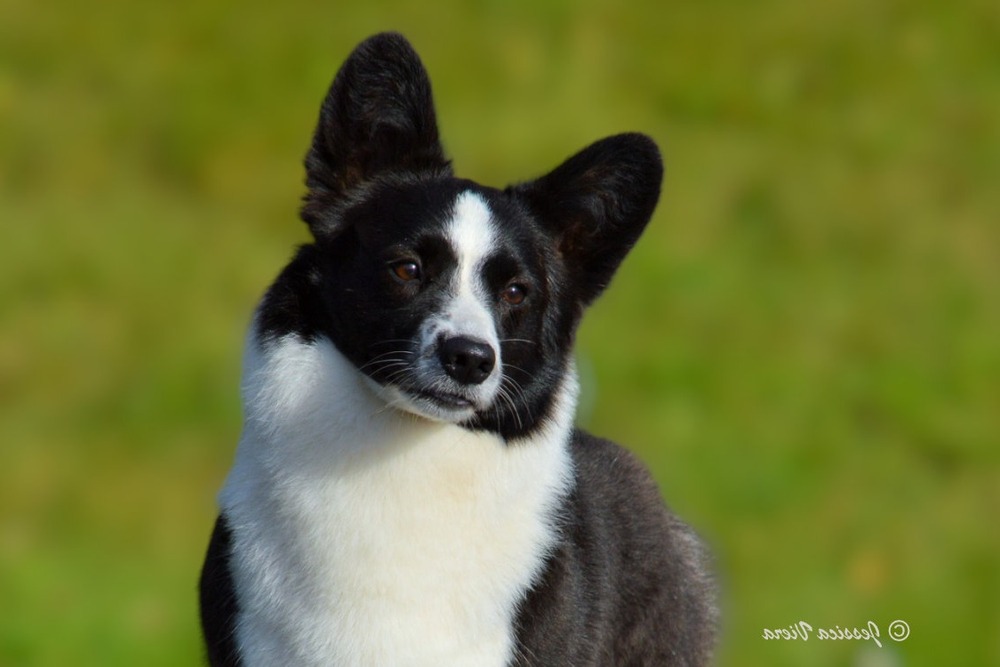
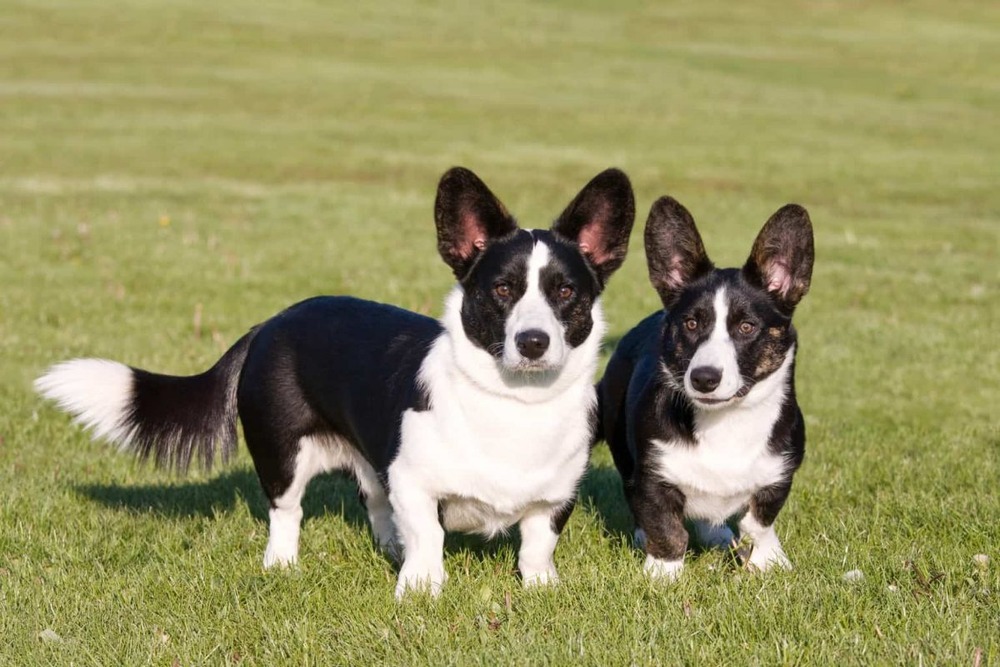
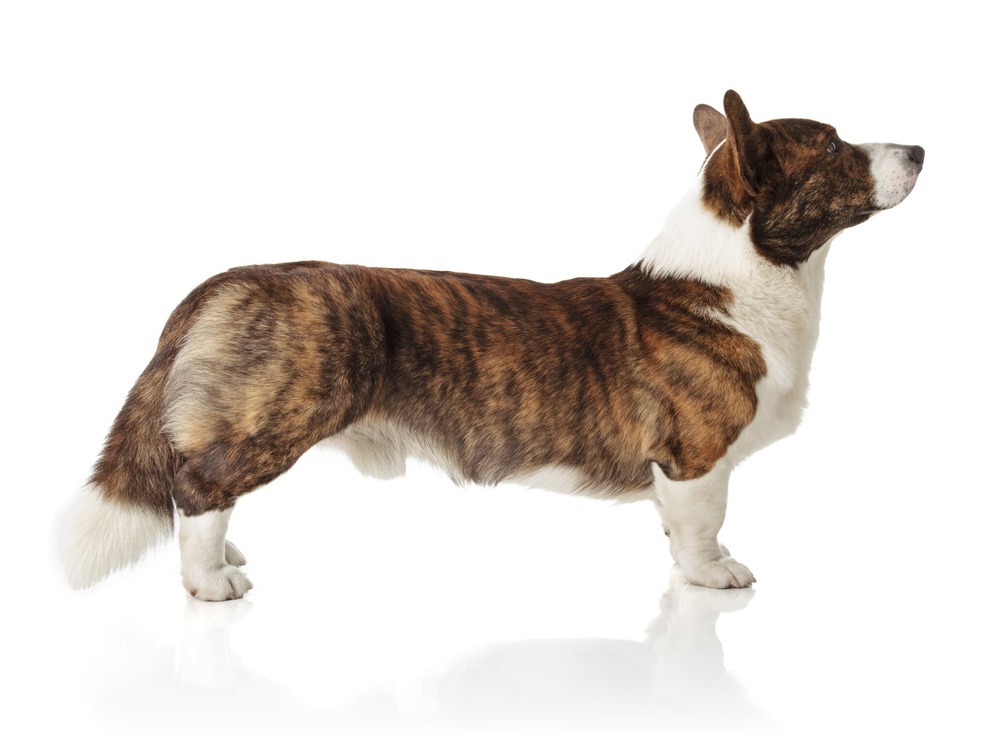
The Cardigan’s silhouette is unmistakable: long body, short legs, and large ears set high enough to give that attentive look. The tail is a defining feature. Breed standards describe it as a fox’s brush, set in line with the body and moderately long, often reaching to (or near) the ground.2, 3
Coats are typically weather-resistant, with a dense undercoat and a harsher outer coat. Colours vary widely, including red, sable, brindle, black, and blue merle, often with white markings. This variety is part of the Cardigan’s charm, but it also means your dog’s coat care needs may be slightly different depending on texture and density.
Practical note for long-backed dogs: while Cardigans are robust, it is still wise to keep them lean and strong, and to avoid repeated high-impact jumping off furniture. Their body shape does not mean they are fragile, but it does reward sensible management.
Temperament and suitability for everyday homes
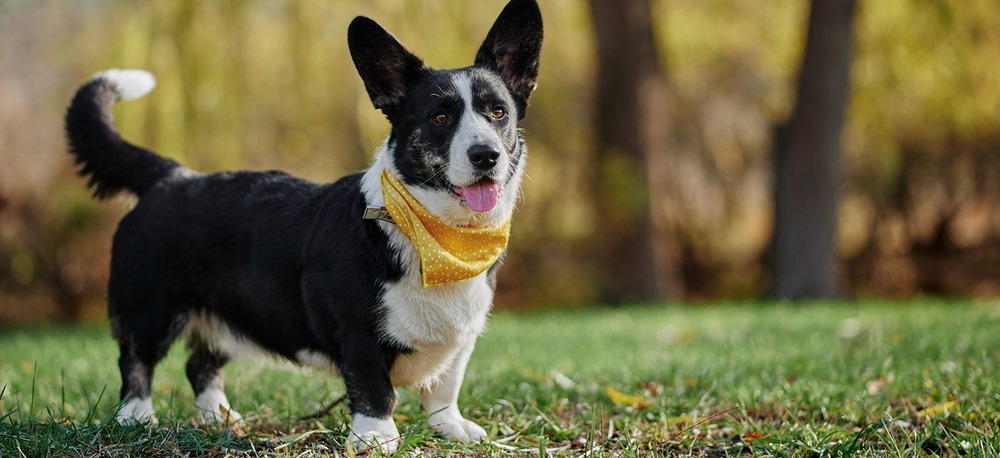
Many Cardigans are affectionate with their people and thoughtful with strangers. They often enjoy being near the action without needing constant fuss. You might see them choose a spot where they can watch the front door, the kitchen, and the hallway at once. That watchfulness is common in breeds with a history of farm work and guarding.
They are also bright, which can look like “easy to train”, but it can just as easily look like “quick to form habits”. If barking becomes a habit, it tends to be because it works, not because the dog is trying to be difficult. A calm plan, consistent responses, and enough daily activity usually make more difference than any single command.
Good matches often include households that enjoy walking, training games, or dog sports, and people who like a dog that engages with them. Cardigans can live in smaller homes, including apartments, as long as their exercise and enrichment needs are met.1
Training and exercise that fits the breed
Cardigans tend to do best with training that is clear, reward-based, and built into daily life. Short sessions, repeated often, usually beat the occasional long “drill”. If they seem stubborn, it is often a sign the task is unclear, the reward is not meaningful, or the environment is too distracting.
Early socialisation matters, but think of it as teaching the dog how to cope, not forcing them to “love” every interaction. Calm exposure to people, surfaces, handling, grooming tools, traffic sounds, and other dogs builds steadier adults.
For exercise, aim for a mix:
- Daily walking at a sniff-and-explore pace
- Skill games such as recalls, loose-lead practice, and simple tricks
- Brain work like food puzzles, scent games, and hide-and-seek
- Sport options such as obedience or agility, tailored to the individual dog
The goal is not to “tire them out” at any cost. It is to meet the dog’s needs in a way that produces a calmer nervous system, better focus, and fewer behaviours that spill over into nuisance barking or nipping at moving feet.
Health, screening, and weight management
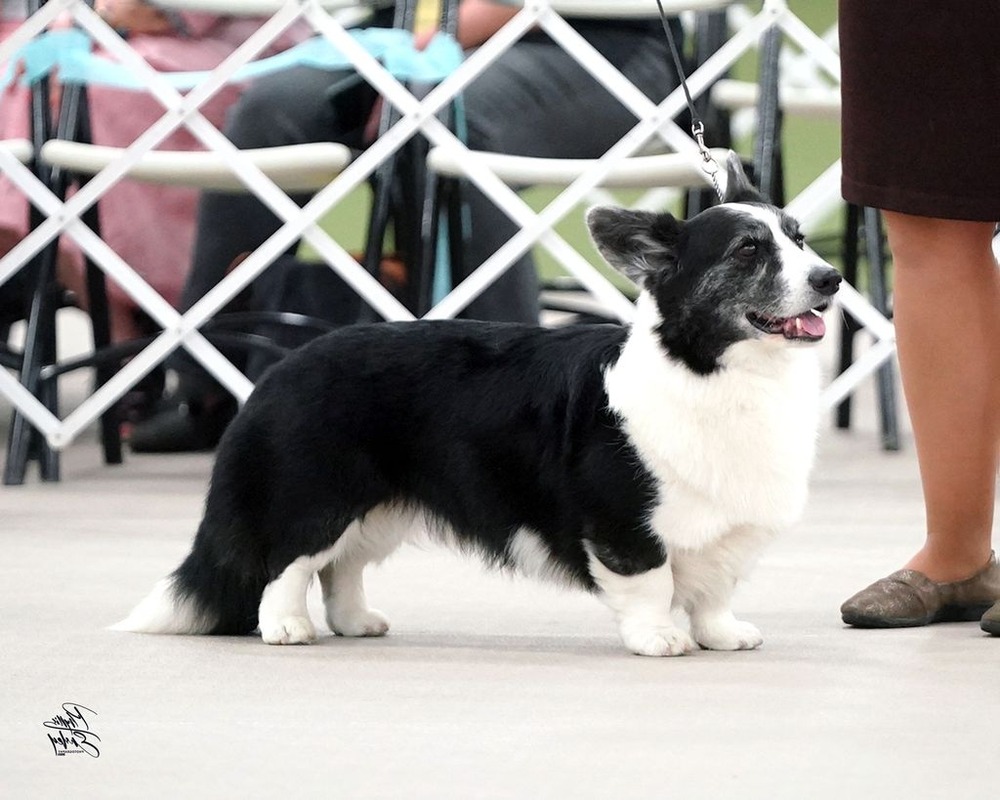
Like all breeds, Cardigans can be predisposed to certain conditions. Two that commonly come up in breed discussions are hip dysplasia and inherited eye disease, including progressive retinal atrophy (PRA). Hip dysplasia involves abnormal hip development and can contribute to arthritis and pain over time. Screening and responsible breeding reduce risk, but they do not remove it entirely.4
PRA is a group of inherited retinal diseases that can lead to vision loss, and it is relevant across many dog breeds. DNA testing options exist for some forms, and eye examinations can help identify problems earlier, which is useful for both owners and breeders.5
One of the most protective choices an owner can make is keeping a Cardigan at a healthy body condition. Extra weight puts more load through joints and can make everyday movement harder, especially in a long, low dog. If you are unsure, ask your vet to show you how to assess body condition and set a target weight.
Coat care, shedding, and the day-to-day basics
Cardigans have a practical coat, built for weather, mud, and farm life. Most weeks, a thorough brush is enough to remove loose hair and keep the coat in good order. At certain times of year, shedding ramps up and brushing becomes more frequent. It is normal, and it does not mean the dog is unhealthy.
Use grooming as a quiet check-in. Look for skin irritation, ear debris, sore spots between toes, and overgrown nails. Many dogs cope better when grooming is predictable and paired with small rewards. A dog who learns that handling is safe is often easier to care for across their whole life.
Feeding and nutrition, keeping it simple and safe
Feed a complete and balanced diet that suits your dog’s life stage (puppy, adult, senior) and activity level. Cardigans can be enthusiastic eaters, so measuring meals and limiting high-calorie treats helps prevent gradual weight gain that is easy to miss until it becomes a problem.
It can be tempting to share scraps, especially with a dog who stays close during meal prep. The safer approach is to know which foods are genuinely dangerous, then manage the environment so accidents are less likely. In Australia, welfare and government guidance consistently lists common toxins such as chocolate, grapes and raisins, onions and garlic, macadamias, and cooked bones (which can splinter).6, 7
Practical habit: keep “drop zones” like kids’ snack areas and kitchen benches tidy, and have a plan for guests. Many household poisonings happen during busy, social moments, not during quiet routine.
Living well with a Cardigan Welsh Corgi
A well-settled Cardigan is usually the result of ordinary, steady care: consistent training, enough daily movement, and a home that understands how a herding dog thinks. Their intelligence is a gift, but it does ask something of you. They notice patterns, they learn quickly, and they thrive when their brain has a job to do.
If you enjoy a dog who is engaged, capable, and companionable, the Cardigan can be a deeply satisfying breed to share life with. The best outcomes tend to come from focusing on the basics, healthy weight, calm training, and daily enrichment, then letting the dog’s personality unfold from there.
References
- The Kennel Club: Welsh Corgi (Cardigan), breed information
- The Kennel Club: Welsh Corgi (Cardigan), breed standard
- United Kennel Club: Cardigan Welsh Corgi breed standard (tail and general description)
- Orthopedic Foundation for Animals: Canine hip dysplasia overview
- American College of Veterinary Ophthalmologists: Progressive retinal atrophy (PRA)
- RSPCA Australia Knowledgebase: What should I feed my dog? (including toxic foods list)
- Agriculture Victoria: Human foods to avoid for cats and dogs