

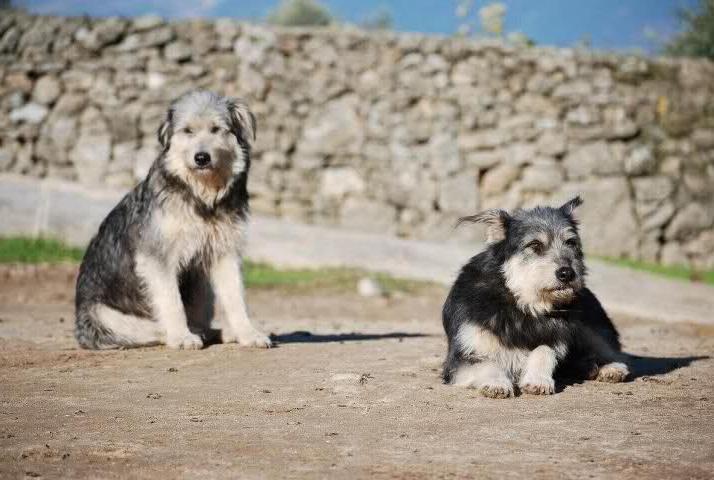
People usually come across the Carea Castellano Manchego in a slightly sideways way. You might see a video of a scruffy, quick moving sheepdog working a flock in central Spain, or you meet a dog that looks a bit like a collie type, but does not neatly match the better known breeds.
It is tempting to assume all herding dogs are broadly interchangeable, or that a “rare” breed is simply a more exotic version of the same thing. In practice, regional working dogs are shaped by land, livestock, and the people who needed a dog that could cope day after day, often making decisions at a distance, then settling back into village life.
The Carea Castellano Manchego sits in that tradition. When you understand what it was selected for, the day to day realities make more sense, especially the need for purposeful exercise, the quick learning, and the tendency to notice everything happening around the home.
At a glance
- Type: Spanish herding dog (regional working type)
- Origin: Castilla La Mancha (Spain), especially the province of Toledo1
- Typical size: medium to medium small, adults commonly in the mid 40 cm range at the withers (varies by sex)1
- Temperament: often described as rustic, balanced, obedient, and intuitive, with an innate attraction to livestock1
- Common owner challenge: meeting daily mental and physical needs without letting arousal and reactivity build
Where the breed comes from, and why it matters
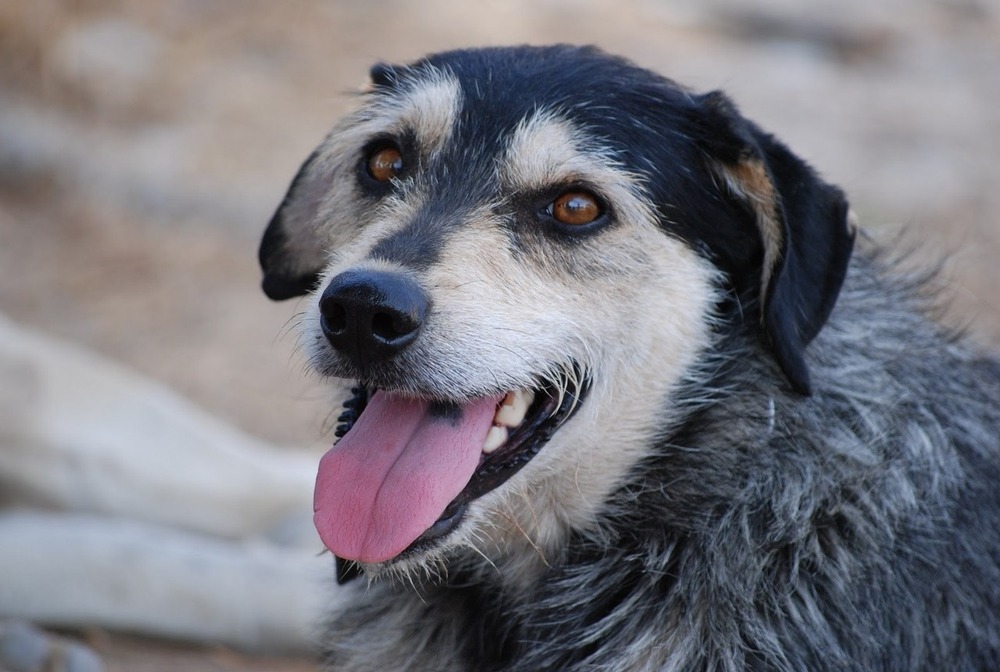
In Spain, “carea” is commonly used for herding dogs. The Carea Castellano Manchego is associated with the broad farming landscapes of Castilla La Mancha, and nearby areas where flocks and open ground shaped the kind of dog people valued: one that could move stock efficiently, keep a clear head, and keep working when conditions were dusty, cold, or simply long.1
The Real Sociedad Canina de España (RSCE) describes the Carea Castellano Manchego as a rustic, balanced dog used to drive flocks, with an innate pull towards that work.1 That is useful context for modern homes because it hints at what motivates the dog. Many individuals will find moving objects, running children, bicycles, and other dogs intensely interesting, not out of “naughtiness”, but because motion is hard for a herding brain to ignore.
It is also worth noting that this is not an FCI recognised breed in the way many international show breeds are. Instead, it appears within RSCE’s list of regional canine populations (grupos étnicos caninos), which is a practical way of acknowledging consistent local type and function.2
Appearance and physical traits you will notice
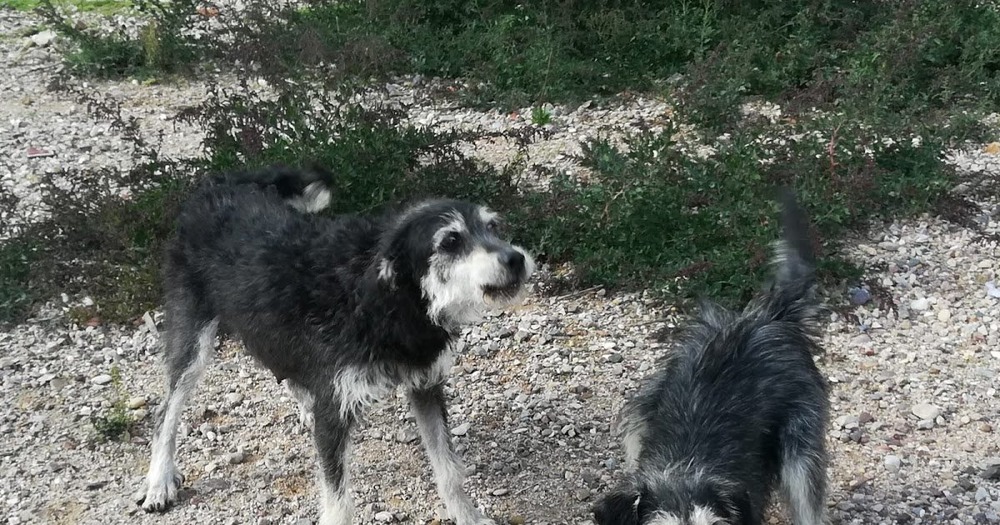
Most people notice the overall impression first: a medium sized, well proportioned dog built to move. The RSCE standard places height at the withers in the low to high 40 cm range (depending on sex), and describes a dog that is slightly longer than tall, with an agile, vigorous outline.1
Coat is described as straight or slightly wavy, coarse to the touch, with an undercoat that is heavier in colder months and lighter in warmer ones.1 In real life, that often translates to a dog that looks “weather ready” rather than heavily groomed.
Colour can vary. The RSCE standard describes black with lighter areas as common, alongside other combinations and lighter coats, with small white markings possible.1 Online, you may also see mention of smooth and rougher coated types in regional working dogs of the area, which reflects how working populations can vary more than tightly standardised show lines.3
Temperament, and the family life fit
A well matched herding dog can be a joy to live with: observant, quick to learn, and ready to participate. The flip side is that the same sensitivity and pattern noticing can tip into over vigilance if the dog does not have enough to do, or if the home environment is hectic and unpredictable.
When people say a dog is “independent”, they often mean the dog can work without constant instruction. That can look like confidence, or it can look like the dog rehearsing its own plan, especially if it has learned that rushing the fence line, chasing birds, or bossing other pets is self rewarding.
With children, the key is management and teaching, on both sides. Some herding dogs will attempt to control movement by circling, staring, or in some cases nipping at heels. This is not “dominance”, it is unrehearsed herding behaviour finding an outlet. Calm supervision, structured games, and giving the dog an appropriate job tend to help more than simply telling the dog off.4
Training and exercise that actually helps
Herding dogs usually do best when exercise is not just about kilometres. A long run can create a very fit dog with the same unmet instincts, which is how some owners end up with a dog that is physically tired for an hour, then revs back up again.
Instead, aim for a balance of movement, thinking, and calm recovery. Many owners find it helpful to build a day around a few repeatable elements, rather than constantly escalating activity.
- Skill building walks: sniffing time, loose lead practice, and a few short cues (sit, hand touch, recall games).
- Brain work at home: food puzzles, scatter feeding in grass, simple scent games, and short training sessions.
- Appropriate outlets: agility foundations, obedience, rally, and where available, herding instinct tests or lessons with a qualified instructor.
- Rest as a skill: a mat settle, crate training if it suits the household, and gentle routines that help the dog switch off.
For training methods, positive reinforcement and clear structure are strongly supported by veterinary behaviour organisations. It tends to produce better learning outcomes, with less fallout such as fear, avoidance, or defensive aggression.4
Health considerations and routine care
Because the Carea Castellano Manchego is not widely standardised internationally, reliable breed wide health statistics can be hard to find in English. In practice, it is sensible to treat this as you would any active, medium sized working dog: keep a close eye on mobility, maintain lean body condition, and take gradual approaches to high impact sport until growth plates are closed.
If you are sourcing a puppy, the most useful questions are often practical ones: what are the parents like to live with, what work do they do, and what health screening has been done. For many herding breeds, screening for hip dysplasia and heritable eye disease is a sensible starting point, even if the exact tests and schemes vary by country.5
Dental care is another area where working dogs can be overlooked. Veterinary dental guidelines generally emphasise that daily tooth brushing is the gold standard for plaque control, with other products as secondary supports rather than substitutes.6
Grooming and seasonal coat management
The RSCE description of coat and undercoat changes maps neatly to what many owners notice: shedding can lift when seasons shift, and the undercoat can thicken in colder weather.1
A simple routine is usually enough:
- Brush once or twice weekly most of the year, and increase during heavier shedding.
- Check ears, nails, and paw pads routinely, especially if the dog is active on rough ground.
- Bathe when needed, then dry thoroughly, particularly if the dog has a dense undercoat.
If you are unsure what “normal” shedding looks like for your dog, your vet or groomer can help you judge whether you are seeing seasonal coat drop, skin irritation, parasites, or a diet related issue.
Feeding for a busy herding brain and body
Most active dogs do well on a complete and balanced diet that matches their life stage and workload. If a dog is genuinely working stock or training hard, energy needs can climb, but for many pet dogs, the bigger issue is accidental overfeeding, especially when treats are used heavily for training.
It can help to think in terms of outcomes rather than brand promises. You want steady energy, good stool quality, a coat that stays glossy without greasiness, and a waist you can see and feel. The World Small Animal Veterinary Association (WSAVA) provides practical guidance on choosing a pet food, including how to assess whether a company has appropriate quality control and nutritional expertise.7
If you are considering a raw diet, it is worth weighing up both claimed benefits and known risks, including bacterial contamination and nutritional imbalance. Veterinary schools commonly recommend discussing raw feeding with your vet so you can make an informed choice for your household, particularly where there are children, elderly people, or immune compromised family members.8
Final thoughts
The Carea Castellano Manchego makes the most sense when you see it as a partner shaped by real work. It is typically alert, capable, and fast to learn, and it tends to cope best when life includes structure, training, and downtime, not just exercise for exercise’s sake.
For the right home, often an active household that enjoys training and can offer meaningful outlets, this kind of dog can be deeply satisfying. The goal is not to “tire them out”, but to help them feel oriented: clear routines, fair boundaries, and something constructive to focus on.
References
- Real Sociedad Canina de España (RSCE): Carea Castellano Manchego
- List of Spanish dog breeds (includes RSCE grupos étnicos caninos listing)
- Border Collie Museum: Herding Dogs of Western Europe (Spain), includes Carea Castellano Manchego overview
- American Veterinary Society of Animal Behavior (AVSAB): Position statements (humane training)
- Orthopedic Foundation for Animals (OFA): Hip dysplasia overview
- American Animal Hospital Association (AAHA): Dental care guidelines, home oral hygiene recommendations
- WSAVA: Global Nutrition Guidelines
- UC Davis School of Veterinary Medicine: Raw food diets and pets (client information)