

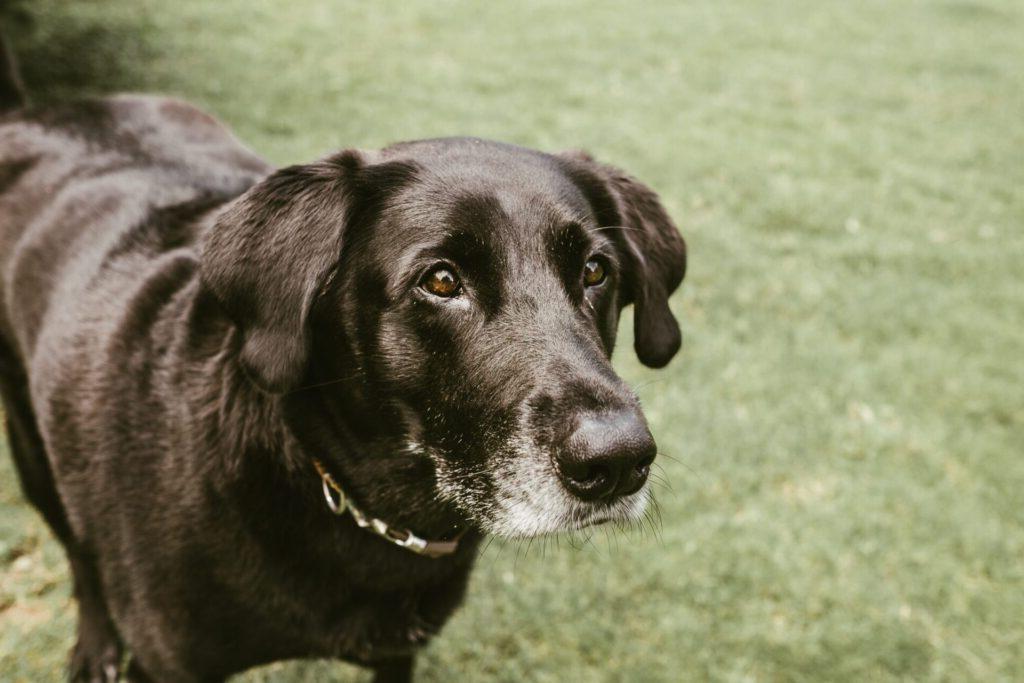
Most people do not set out to learn about “senior dog care”. They notice small shifts instead. A dog who used to bounce up for a walk now takes a moment to stand. A familiar jump onto the couch turns into a careful climb. The face goes a little greyer, the sleep a little deeper, and the appetite or toileting habits feel just slightly different.
It is easy to assume these changes are simply “old age” and nothing much can be done. In practice, ageing is rarely one single thing. It is a collection of ordinary, manageable changes in the body, the senses, and the way a dog copes with daily life. When you recognise what is changing, you can often make simple adjustments that keep your dog comfortable and confident.
Senior care is less about doing more, and more about doing things with better timing: earlier check-ups, steadier routines, and a home setup that matches how your dog moves now.
Recognising signs of ageing in dogs
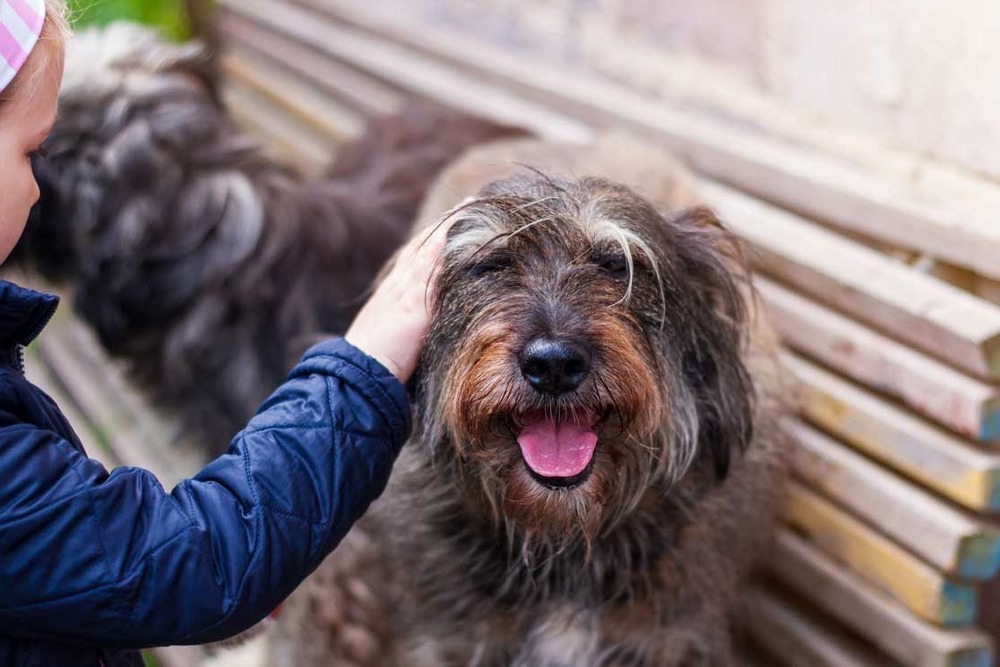
Ageing tends to show up in daily rhythms. Some dogs slow down on walks, some become fussier with food, and others start waking more at night. You might notice more sniffing and pausing, or a dog that prefers shorter outings and longer rests afterwards.
A helpful way to think about it is function over age. “Senior” is not a single birthday, and it varies by size and breed, but changes often become more noticeable from around the later adult years, sometimes earlier in giant breeds.1
Common changes you might notice
Many older dogs develop some combination of mobility stiffness, changes in hearing or vision, weight gain or weight loss, new lumps or bumps, and shifts in behaviour like confusion at night or restlessness.1, 2 None of these automatically means something serious, but they are worth tracking because they are also how health problems first appear.
When “slowing down” can be pain
A very common misconception is that arthritis always looks like limping. Some dogs do not limp at all. Instead, they stop jumping, hesitate on stairs, take shorter strides, or seem reluctant to play or walk as far.3 If your dog is moving differently, assume there may be discomfort and talk it through with your vet rather than waiting for it to become obvious.
Health and wellness for senior dogs

Older dogs can look fine on the surface while their body is quietly adapting underneath. That is why senior care leans heavily on regular examinations and basic screening. It is not about chasing tests. It is about building a picture of what is normal for your dog, so changes stand out early.
How often to see the vet
Many veterinary organisations and practices recommend six-monthly check-ups for senior dogs, even when everything seems stable, because problems can develop and progress more quickly in later life.2, 4 Your vet may suggest blood and urine testing, blood pressure checks, and other screening based on your dog’s size, breed, and history.5
Common conditions that deserve early attention
In older dogs, vets commonly see osteoarthritis, dental disease, heart disease, kidney or liver disease, endocrine disorders (such as diabetes), eye disease, and tumours.2, 4 Not every dog will experience these, but being alert to subtle shifts makes it easier to respond early and keep life comfortable.
Dental care matters more than many people expect
Dental disease is extremely common and often goes unnoticed at home. By around three years of age, most dogs already have some degree of periodontal disease, and it can worsen with age if not managed.6 Home toothbrushing helps, but your vet also needs to check the mouth at visits, and some dogs benefit from professional dental treatment under anaesthetic when indicated.7
Nutrition for senior dogs

Feeding an older dog is often a balancing act: fewer calories if activity has dropped, enough quality protein to support muscle, and a plan that fits any medical conditions developing with age. There is no single “best” senior diet, but there is usually a best next step for your dog.
Many dogs do well with a diet designed for their life stage, and if you are preparing food at home, it becomes even more important to ensure it is complete and balanced.8 If your dog has kidney disease, heart disease, or another chronic condition, ask your vet about a therapeutic diet rather than experimenting with supplements or restrictions on your own.
Weight, joints, and everyday comfort
Extra weight can make mobility harder and arthritis more difficult to manage, while being underweight can signal disease or poor absorption. If you are unsure, ask your vet to assess body condition score and set a realistic target. Keeping weight in a healthy range is one of the most practical ways to support joint comfort long term.9
Foods to avoid
Some foods that seem harmless can be genuinely dangerous to dogs. It is worth being strict about what is “not for dogs”, particularly in older dogs who may be less resilient to illness.
- Never feed grapes, raisins, sultanas, onion, garlic, chocolate, macadamias, and products containing xylitol.8
- Avoid cooked bones, which can splinter and cause choking or gut injury.10
- If your dog gets into something unsafe, contact your vet promptly rather than waiting for symptoms to “settle”.8
Exercise and mobility for senior dogs
Older dogs still need movement, but it often needs a gentler shape. Think in terms of keeping joints lubricated and muscles active, rather than trying to maintain the same distance, speed, or intensity as earlier years.
How to adapt exercise without making it boring
Shorter, more frequent walks can be easier to tolerate than one long outing. Let your dog set the pace, and allow time for sniffing, which can be mentally satisfying without adding physical strain.
Low-impact activity like swimming can be useful for some dogs, but not every dog enjoys it, and not every body is suited to it. If you are considering new exercise, especially after an injury or if your dog has heart or breathing issues, check with your vet first.
Spotting arthritis early
Look for stiffness after rest, reluctance to jump or use stairs, slower walks, changes in posture, or less interest in play. These signs are often more meaningful than a visible limp. Arthritis cannot be cured, but it can usually be managed with a combination of weight management, appropriate activity, and veterinary treatment plans.3, 9
Mental stimulation and enrichment for ageing dogs
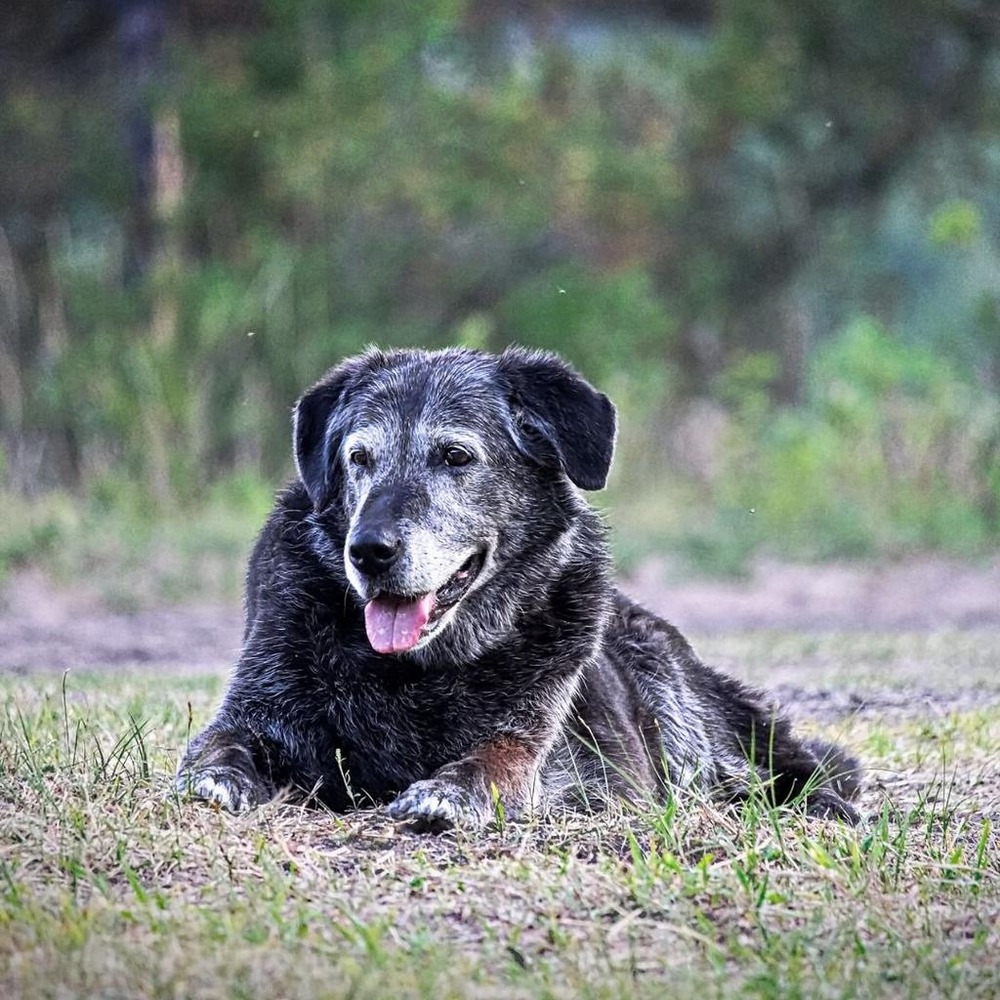
With age, some dogs become more settled, while others seem a little less flexible in their routines. Mental stimulation can help maintain engagement with the world, and it often improves quality of life in very ordinary ways, like better sleep and calmer restlessness.
Simple enrichment that suits an older body
Choose activities that are gentle on joints and do not require fast turns or jumping. A few minutes at a time is often plenty.
- Food puzzles that are easy to manipulate
- Sniffing games (scattering part of a meal in the grass, or hiding treats around one room)
- Short training refreshers using familiar cues
When behaviour changes might be cognitive
Some older dogs develop canine cognitive dysfunction, which can look like disorientation, altered sleep patterns, house soiling, or changes in social interaction. Signs often appear from around 8 to 10 years of age, though it varies by dog.5 These changes deserve a veterinary visit because medical problems can mimic cognitive decline, and there may be management options that help.
Comfort and living environment for senior dogs
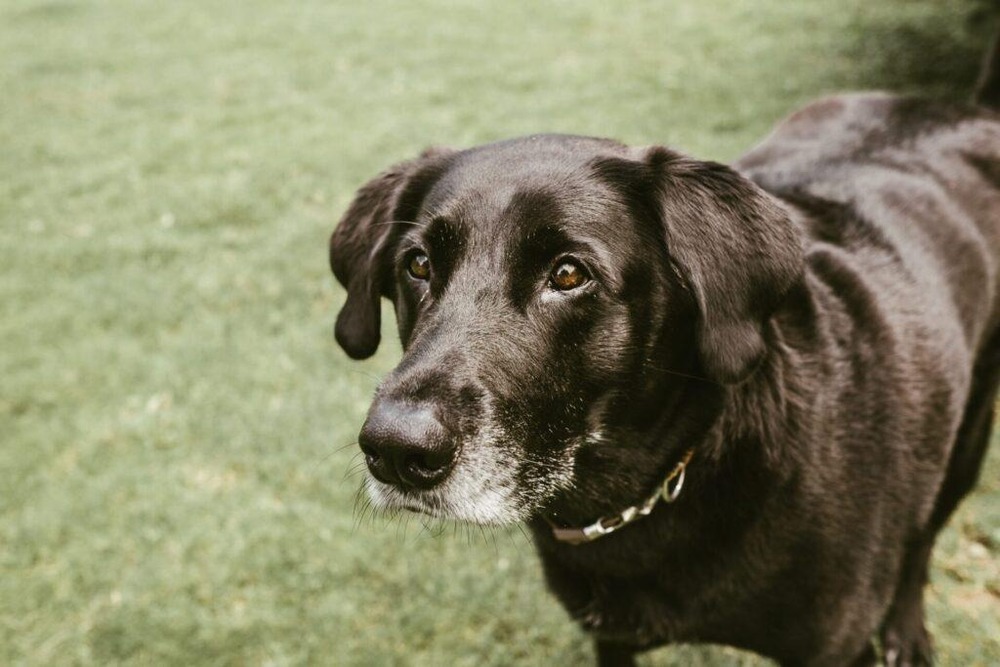
Home is where older dogs spend most of their time, and small environmental tweaks can have an outsized effect. The goal is not to wrap your dog in cotton wool. It is to remove the daily “friction” that makes life harder than it needs to be.
Comfort basics that genuinely help
A supportive bed, easy access to water, and a warm, draft-free resting spot make a difference, especially for dogs with joint disease. If your dog struggles on slippery floors, add rugs or non-slip runners along common paths.
Safety adjustments without changing everything
Consider ramps or steps for car access and favourite furniture, and use baby gates if stairs have become risky. If your dog hesitates at thresholds or in dim light, adding a night light can help them navigate without confusion.
The quiet power of routine
Older dogs often cope better with predictable daily patterns. Consistent feeding times, familiar walking routes, and a calm bedtime routine can reduce restlessness and help you notice changes sooner because the baseline is steady.
Grooming and hygiene for older dogs
Grooming is not just cosmetic in older dogs. It is a comfort and health check rolled into one. Regular brushing helps you spot new lumps, skin irritation, sore areas, or changes in coat quality early.
Coat, nails, and skin
Older dogs may be less active, so nails often need more frequent trimming. Long nails can change posture and worsen foot and joint strain. Use gentle, steady handling, and if your dog finds grooming uncomfortable, break it into short sessions.
Managing accidents kindly
Incontinence can appear with age and can have treatable medical causes, so start with a vet visit. At home, you can protect skin and dignity with washable bedding, waterproof covers, and gentle cleaning to prevent urine scald. Aim for comfort and prevention, rather than frequent bathing that can dry the skin.
Quality of life and end-of-life planning
There is a point where senior care becomes less about “fixing” and more about keeping good days easy to have. That might mean pain control, easier movement around the house, or fewer stressful outings and more time in familiar places.
If you are unsure how your dog is really travelling, ask your vet about quality-of-life tools and what to monitor between visits. Planning ahead can feel heavy, but it usually brings relief, because decisions become clearer when you have agreed signs to watch for and a plan you trust.
Final thoughts
Ageing in dogs is not a single cliff edge. It is a gradual reshaping of needs, often so subtle that it can be missed when you are living it day by day. When you respond early, keep routines steady, and work closely with your vet, you give your dog the best chance of staying comfortable, engaged, and secure in the life they already know.
References
- Greencross Vets: Senior dogs (health concerns and senior age guidance)
- RSPCA Pet Insurance: The importance of regular veterinary care for your senior dog
- RSPCA Knowledgebase: I think my dog has arthritis, what can I do?
- St Vincents Vets: Senior health checks (frequency and what is assessed)
- AAHA: 2023 Senior Care Guidelines for Dogs and Cats
- AAHA: 2019 Dental Care Guidelines for Dogs and Cats
- AAHA: Senior care dentistry considerations (oral exam and periodontal disease in seniors)
- RSPCA Pet Insurance: Foods to avoid feeding your dog and diet considerations
- RSPCA Pet Insurance: How to treat arthritis in dogs (weight and low-impact exercise)
- RSPCA Australia: Household dangers to your pet (including cooked bones and toxic foods)