

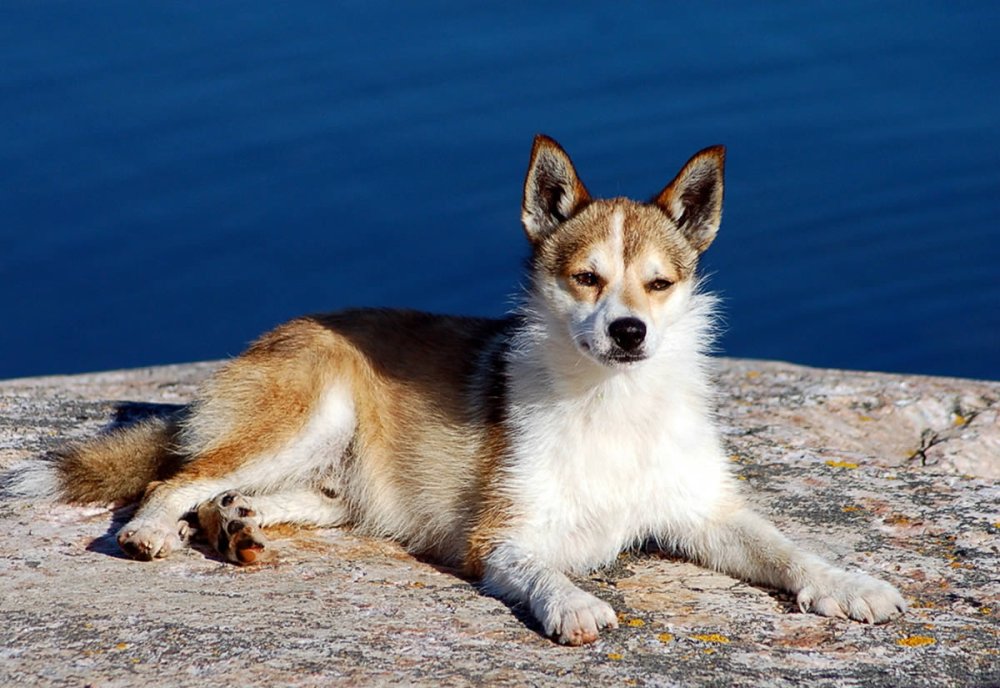
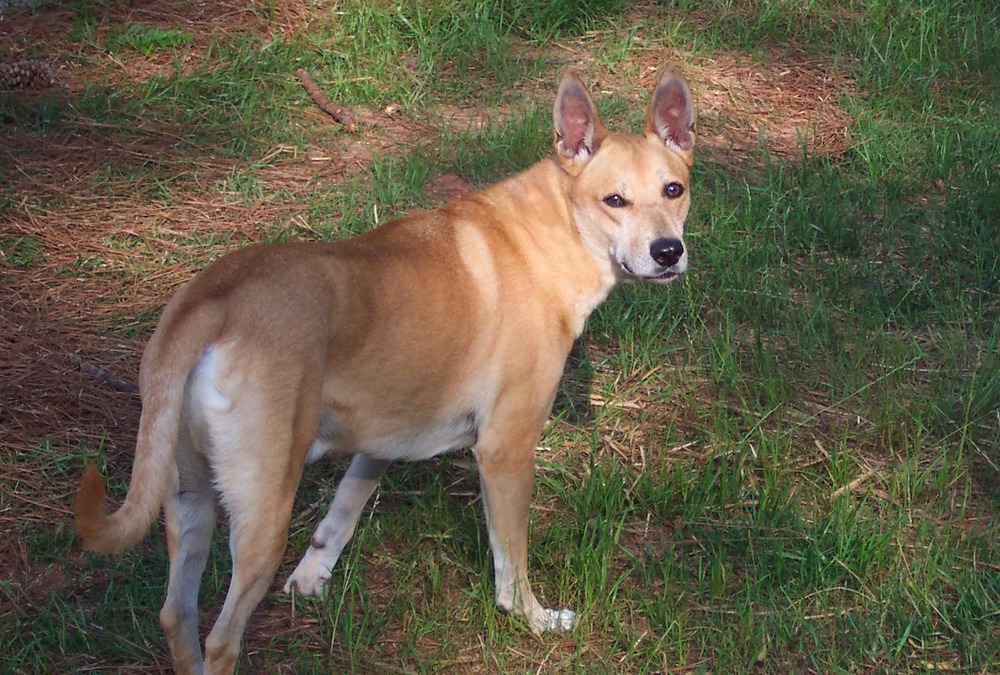
You might first notice a Carolina Dog because it looks a bit like something you would expect to see at the edge of a forest rather than on a suburban footpath. The upright ears, the ginger coat, the tucked waist, even the slightly hooked tail, all add up to a dog that does not quite match the familiar “modern breed” picture.
That look often leads to a few assumptions, that they are part dingo, that they are untrainable, or that they are happiest “wild”. In practice, many Carolina Dogs settle well into home life, but they tend to do best when people understand what they were shaped by: generations of free-ranging survival, caution around novelty, and a strong preference for predictable routines.
If you are considering one, or you have met one and felt unsure how to read them, it helps to think less in terms of myths and more in terms of behaviour. The Carolina Dog is a landrace type that has been formalised into a breed, and that history shows up in the way they move through the world.
Where the Carolina Dog comes from
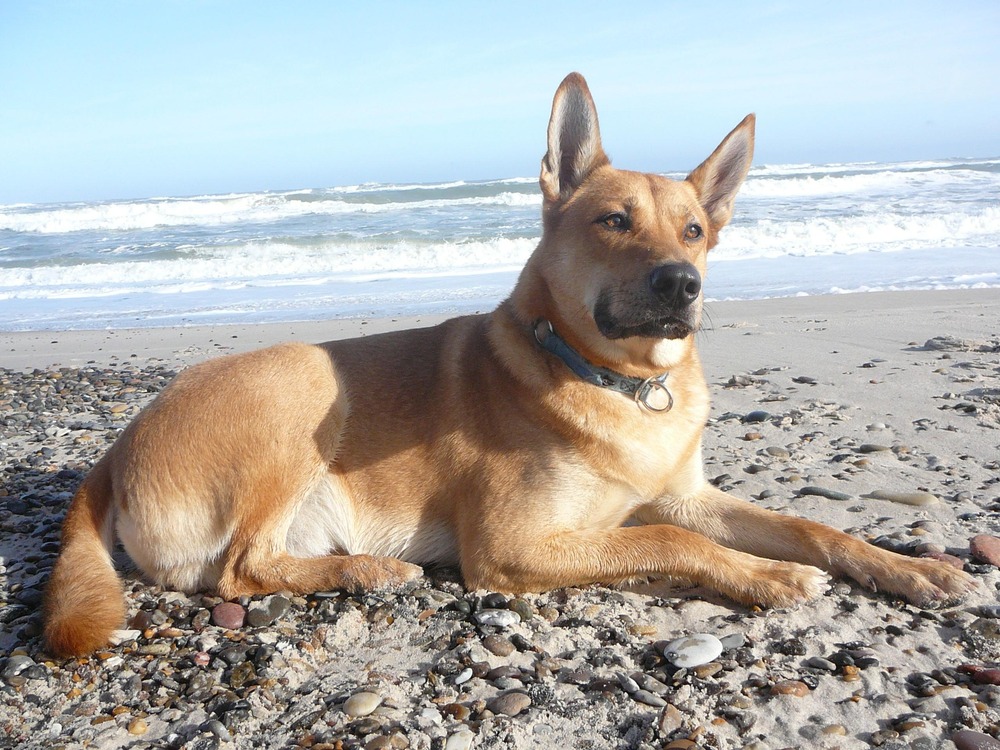
The Carolina Dog is often described as a “primitive” breed, meaning it retains many traits seen in landrace dogs shaped by environment and function rather than intensive modern selective breeding. Free-ranging populations were documented in the south-eastern United States, and research in the 1970s helped bring wider attention to them, particularly the work of I. Lehr Brisbin Jr., who described and studied these dogs in detail.1, 2
It is also where the nickname “American dingo” comes from. It is a comparison based on appearance and general “pariah dog” type traits, not an indication that the breed is a dingo hybrid as a rule. In other words, the label is catchy, but it can be misleading if it makes you expect a wild animal rather than a domestic dog with a strong self-preservation streak.
In the kennel club world, the Carolina Dog has recognition through the United Kennel Club (UKC), which recognised the breed on 1 January 1995, and the American Kennel Club (AKC) lists Carolina Dog within its Foundation Stock Service (FSS) program rather than full AKC breed recognition.3, 4
Appearance and the traits people tend to notice
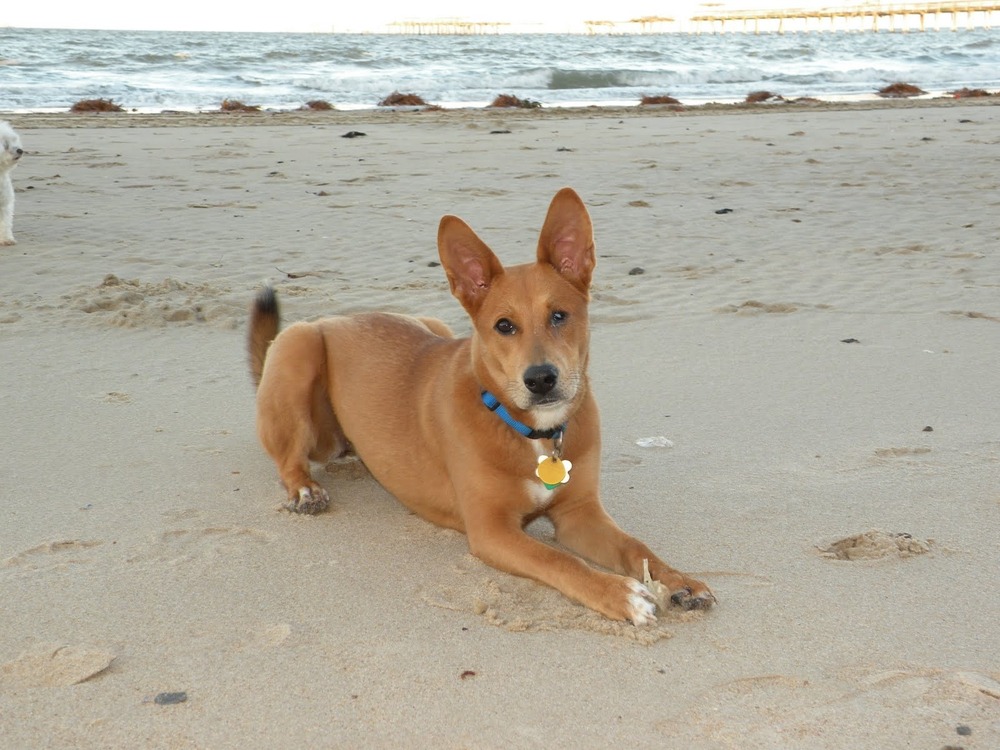
Most Carolina Dogs are medium sized, lightly built, and athletic rather than bulky. The UKC standard describes a dog that can look “thin and tight” in ideal condition, with a deep brisket, a distinct tuck-up, upright ears, and a tail that often shows a fish-hook curve at the end.3
Coat is usually short and dense, often in ginger or buff tones. The overall impression is efficient and clean-lined, a body built for covering ground and coping with heat, humidity, and rough terrain.
These physical details are not just aesthetics. They are closely linked to how the dog uses its body, quick directional changes, bursts of speed, and a steady ability to keep moving without looking like it is working very hard.
Temperament, caution, and what “independent” often looks like at home
Carolina Dogs are commonly described as intelligent and independent. In day-to-day life, that independence can look like a dog that pauses before approaching strangers, watches new situations carefully, and prefers to make its own assessment rather than rushing in.
That does not mean they are cold or unreachable. Many form close attachments to their people, but it is often a quieter style of bonding that builds through repetition and trust, rather than instant friendliness. A useful expectation is “slow to warm up”, especially in adolescence.
They can also be sensitive to pressure. Heavy-handed handling or confrontational training methods may not “snap them into line” so much as make them more avoidant, more watchful, or more likely to disengage. Calm consistency usually gets better results.
Training and socialisation that suits a Carolina Dog
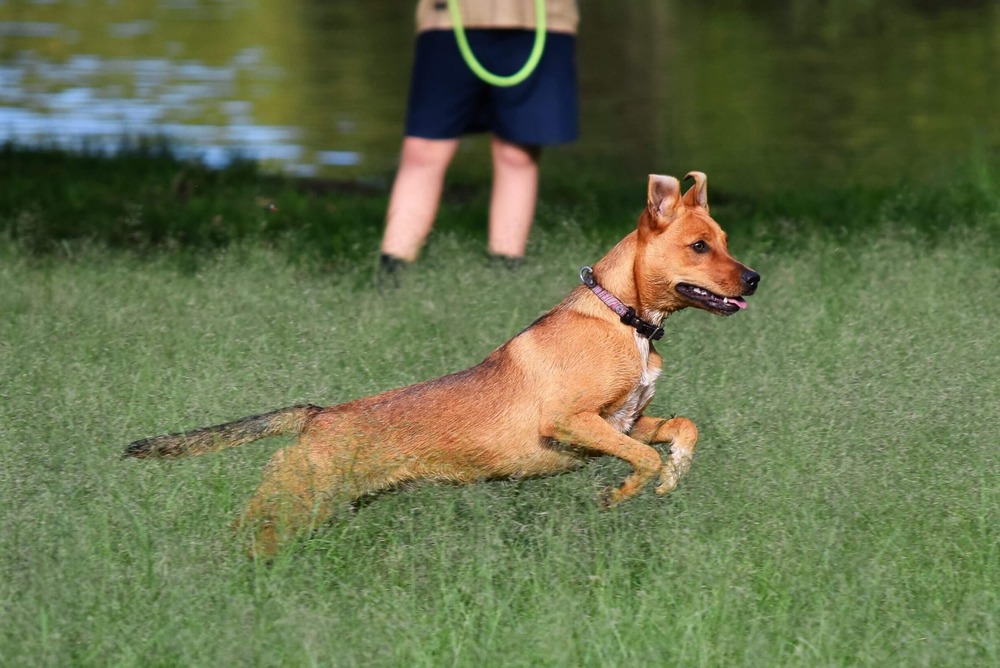
With Carolina Dogs, training is less about domination and more about creating clear patterns. They often do best when you make the right behaviour easy and rewarding, then practise it across lots of everyday contexts.
Reward-based training, also called positive reinforcement, is widely supported by welfare organisations because it is both humane and effective. It focuses on reinforcing behaviours you want (with food, toys, or praise) and managing the environment so unwanted behaviours are not accidentally rewarded.5
Early socialisation matters, but it helps to interpret “socialisation” correctly. It is not forcing lots of greetings. It is controlled exposure where the dog can observe, retreat, and process without being pushed over threshold.
- Keep sessions short, end while the dog is still coping well.
- Practise calm behaviours first, such as mat settling, leash skills, and recall games.
- Use management when needed, including long lines, fences, and predictable routines.
Exercise and enrichment, meeting the need to move and think
Carolina Dogs are typically active, and they often enjoy movement with a purpose. Long walks are a starting point, but many also benefit from sniff-heavy routes, scatter feeding, basic tracking games, and training that asks for self-control.
A good rule of thumb is that exercise alone is not enough if the dog is under-stimulated mentally. Scent work, puzzle feeding, and structured play can reduce restless behaviours that people sometimes interpret as stubbornness.
If you are aiming for off-lead reliability, build recall in low-distraction environments first, then gradually increase difficulty. Many owners find it helpful to treat recall as a life skill you keep paying for, not a cue you “proof once and forget”.
Health, lifespan, and what to watch for
Carolina Dogs are often described as generally healthy, with many sources citing a lifespan in the low-to-mid teens. As with any breed or type, individual risk varies, and the most practical approach is to plan for routine care and stay observant for early changes in movement, appetite, or behaviour.2
Orthopaedic problems like hip dysplasia can occur in dogs, particularly in larger or fast-growing individuals, and it is influenced by multiple factors including heredity, growth rate, and body condition. Signs can include stiffness, a “bunny hop” gait, reluctance to jump, or soreness after exercise. Diagnosis is typically made with veterinary examination and radiographs.6
Weight management is one of the simplest ways to reduce stress on joints over a dog’s lifetime. If you are sourcing a puppy, it is reasonable to ask what health screening is done in the breeding lines, and to discuss growth and exercise plans with your vet.
Coat care, grooming, and everyday maintenance
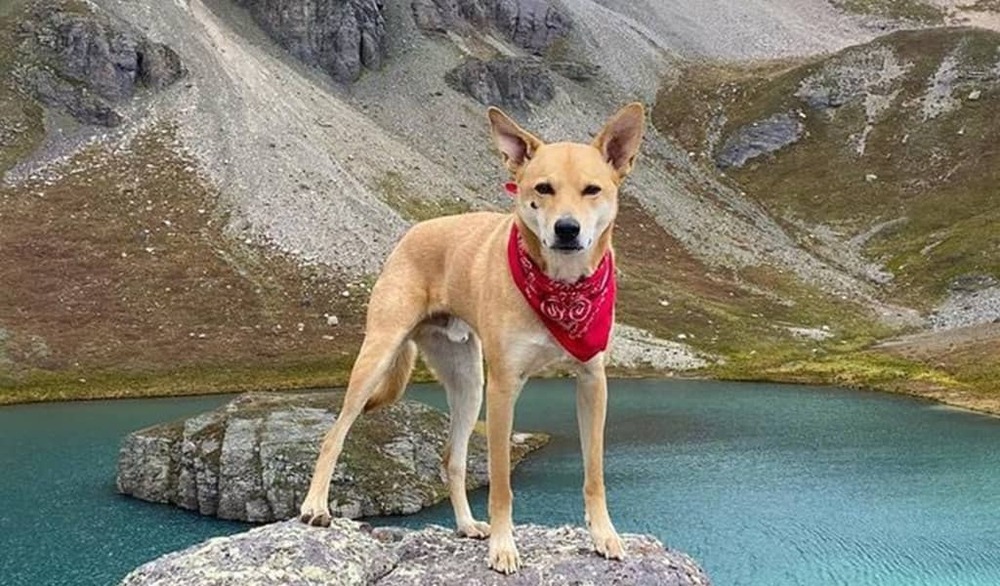
The Carolina Dog’s coat is usually straightforward: short, dense, and more “shake and go” than salon. A weekly brush often covers it, with extra brushing during seasonal shedding.
Bathing can be occasional rather than frequent, unless the dog has found something unpleasant to roll in. Over-bathing can dry the skin, so it is worth choosing a gentle dog shampoo and rinsing thoroughly.
Like most dogs, they still benefit from the basics: nail trims, ear checks, dental care, and parasite prevention appropriate to your region. If your dog is cautious with handling, build these routines slowly, using treats and brief, predictable steps.
Feeding and keeping it simple
There is no single perfect diet for every Carolina Dog, but the priorities are consistent: a complete and balanced food that suits the dog’s life stage, a body condition you can maintain, and a feeding routine that does not accidentally reward fussiness or stress.
Be wary of advice that treats fillers or single ingredients as universally “bad”. What matters most is whether the diet is nutritionally complete, digestible for your dog, and appropriate for activity level. If you are changing foods, do it gradually and monitor stools, skin, and energy.
If you want practical feeding guidance grounded in veterinary nutrition, the World Small Animal Veterinary Association (WSAVA) has a helpful overview of what to look for in a pet food, including the importance of formulation and quality control rather than marketing claims.7
Living with a Carolina Dog, who they suit best
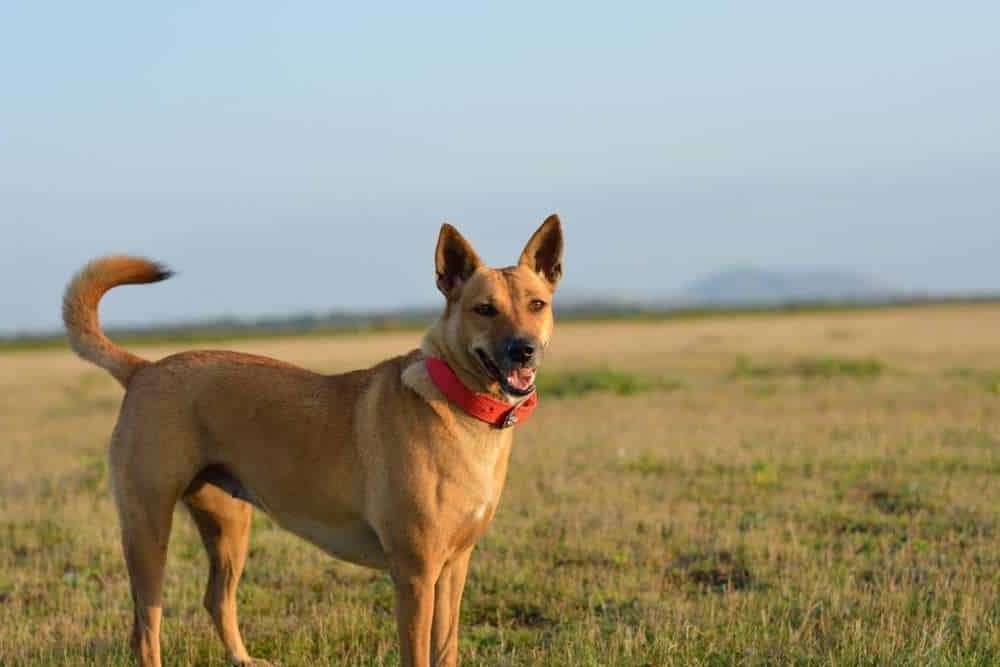
A Carolina Dog often suits people who appreciate a dog that is observant, active, and not automatically social with everyone. They can do well in families, but children should be coached in respectful handling, and the dog should always have a place to retreat.
Homes that tend to work best usually offer secure containment, predictable routines, and time for training that builds confidence rather than compliance. If you want a dog that greets every stranger like a long-lost friend, a Carolina Dog may not be the most natural fit.
For those who enjoy training, hiking, and watching a dog’s confidence grow over time, they can be deeply rewarding companions. The key is meeting them where they are, then patiently showing them what “safe and normal” looks like in your home.
References
- Savannah River Site, Carolina Dog factsheet
- PetMD, Carolina Dog breed overview
- United Kennel Club (UKC), Carolina Dog breed standard
- American Kennel Club (AKC), FSS breeds in companion events (includes Carolina Dog)
- RSPCA Australia Knowledgebase, reward-based dog training
- Merck Veterinary Manual (pet owner version), hip dysplasia in dogs
- WSAVA, Global Nutrition Guidelines
- Cornell University College of Veterinary Medicine, hip dysplasia in dogs
- American Veterinary Medical Association (AVMA), socialisation for dogs and puppies