

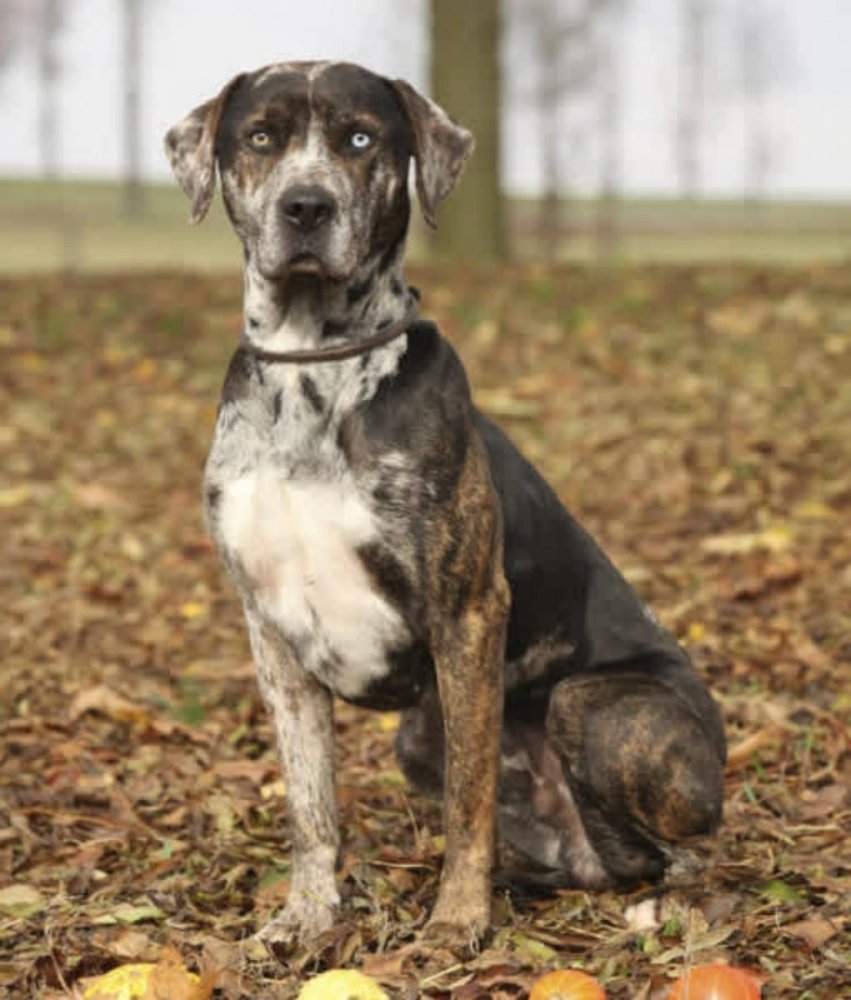
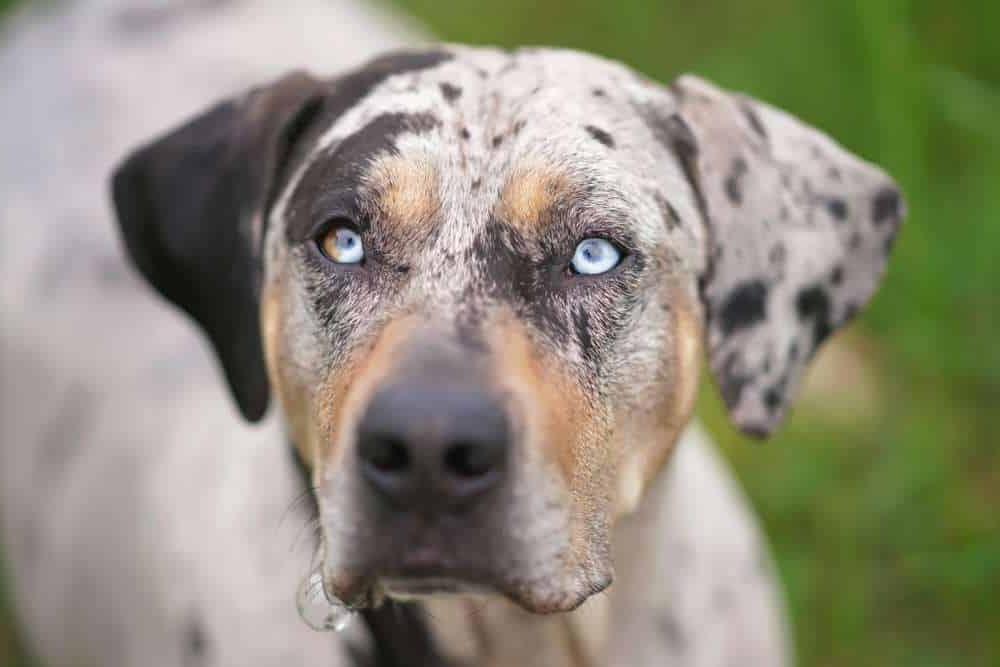
You might come across a Catahoula Leopard Dog at the park and find yourself doing a double take. The coat can look painted on, the eyes can be strikingly pale or mismatched, and the whole dog tends to move with a purposeful, switched-on sort of focus. People often assume that look means the dog is “just a pretty breed”, but with Catahoulas, the looks are tied to a working history that still shows up in everyday behaviour.
It also explains why some Catahoulas slot beautifully into busy homes, and why others struggle if their world is too small, too repetitive, or too loosely managed. They are often at their best when their people understand what they were built to do: make decisions, cover ground, and keep going.
If you are weighing up whether this breed suits your life, it helps to look past the photos and into the practical realities. Energy, structure, and training matter more than coat colour, and small choices early on can make a big difference to how life feels with a Catahoula.
At a glance: Catahoula Leopard Dog
- Origin: United States (Louisiana)
- Typical height: About 51 to 66 cm (females often smaller than males)
- Typical weight: About 20 to 40 kg
- Coat: Short to medium length, usually a single coat
- Shedding: Moderate
- Life expectancy: Commonly 10 to 14 years
- Exercise needs: High
- Best fit: People who enjoy training, daily activity, and clear household routines
A working history that still shows today
The Catahoula Leopard Dog is closely associated with Louisiana, including Catahoula Parish and the area around Catahoula Lake. The breed is widely described as a versatile working dog used historically for handling cattle and hunting feral hogs, often in challenging terrain where a dog needed stamina and initiative.1, 2
Origins are discussed with a bit of healthy uncertainty, as with many landrace-style working dogs. Accounts commonly point to local dogs influenced by dogs brought by European settlers, with later development shaped by the practical needs of farmers and hunters rather than a strict “show” blueprint.1, 2
One clear historical marker is formal recognition. The breed was named the official state dog of Louisiana in 1979, and the United Kennel Club recognises it as the Louisiana Catahoula Leopard Dog, with recognition dated 1 January 1995.1, 7
Appearance and the traits people notice first
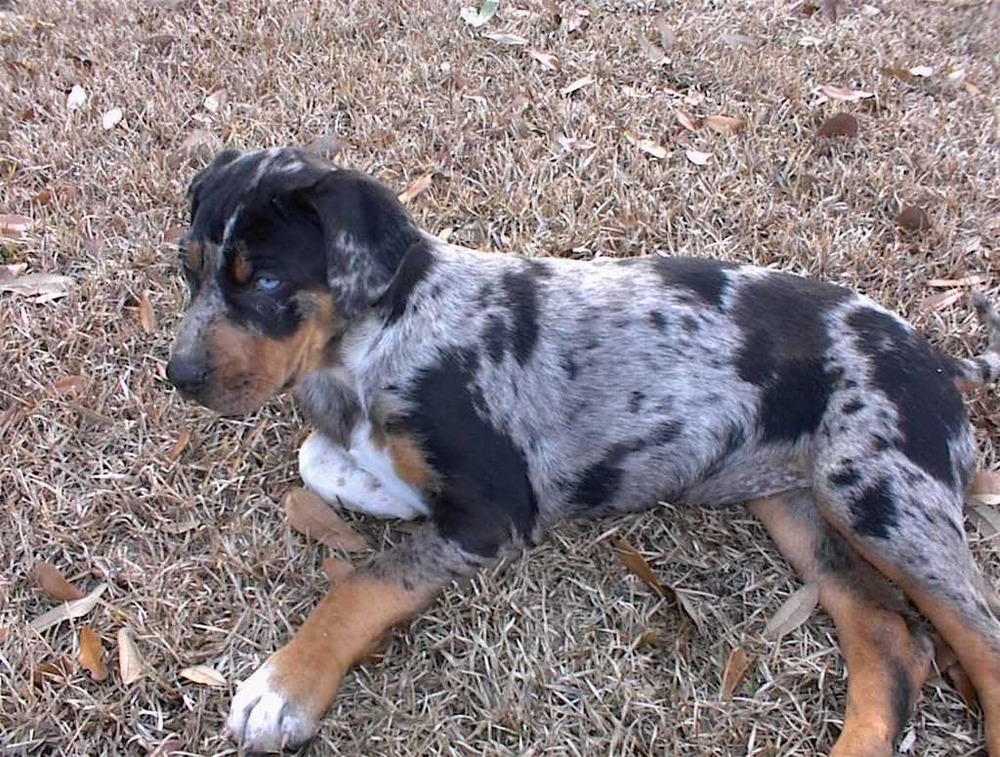
Catahoulas tend to be medium to medium-large, athletic, and strongly built without being bulky. They are often recognised by their varied coat patterns (including merle and brindle) and the possibility of very light or mismatched eye colour. Still, it is worth remembering that not every Catahoula has “leopard” spotting or blue eyes. Variation is normal in this breed’s look.7
You will also hear a lot about webbed feet. Many dogs have some degree of webbing, and Catahoulas are often described as capable swimmers, which fits a history tied to wet, swampy ground. In day-to-day life, though, what matters more is the dog’s conditioning, confidence in water, and safe introductions, rather than assuming a dog will automatically enjoy swimming.2
Temperament, drive, and what that means in a home
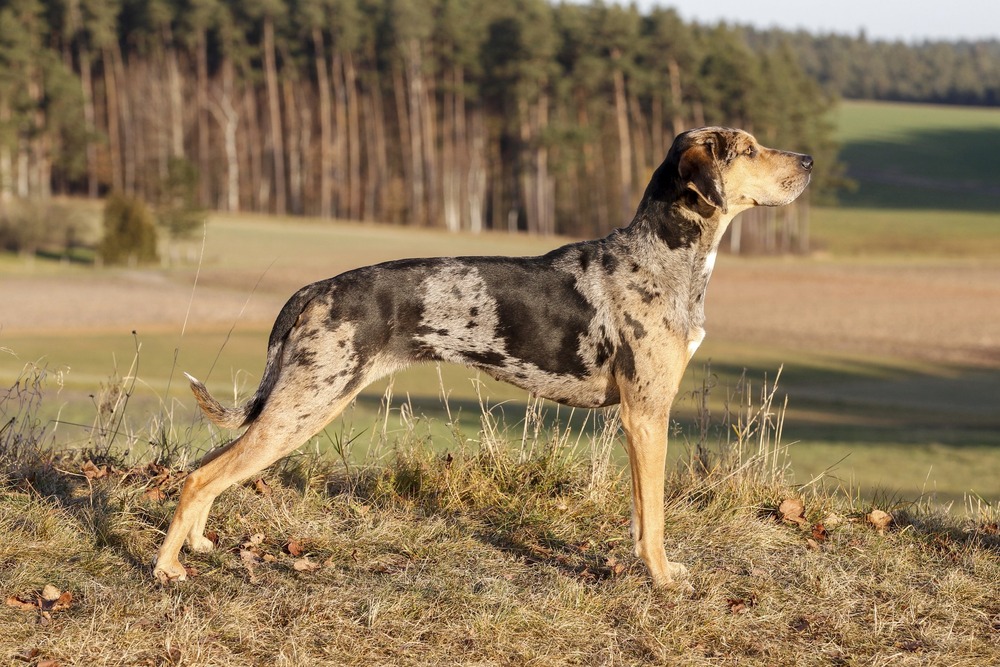
Many Catahoulas are quick to learn, physically capable, and inclined to make their own decisions. That can look like independence, persistence, or a dog that is always “reading” the environment. Done well, it is a joy. Done loosely, it can become the classic problem of a smart dog practising the wrong habits.
People often describe them as loyal to their own people and more reserved with strangers. This does not mean a Catahoula is destined to be suspicious or difficult, but it does mean that calm, planned socialisation tends to matter. The goal is not to force friendliness, but to build predictability and confidence in everyday situations.5
Households with small pets need to think carefully. Some individuals have a strong chase instinct, and even when a dog is not “aggressive”, fast movement can trigger chasing. Management, training, and realistic expectations go a long way here.4, 5
Training and exercise: setting the tone early
Catahoulas typically do best with training that is clear, consistent, and rewarding. A harsh approach can create fallout (avoidance, conflict, or a dog that shuts down), while an inconsistent approach can produce a dog that negotiates every request. Firm does not need to mean forceful.
Because they are so capable, it helps to train the “boring” life skills with the same care you would give to tricks or sport: settling on a mat, coming when called, walking on a loose lead, and disengaging from distractions. These are the behaviours that make an energetic dog feel manageable in a busy household.
Exercise needs are high, but it is not only about kilometres. Many Catahoulas benefit from a mix of:
- Movement (walks, runs suited to the dog’s age and fitness)
- Problem-solving (scent work, structured games, training sessions)
- Purposeful tasks (carrying a pack, learning jobs around the property, well-managed herding activities where appropriate)
If you are considering dog sports, it is worth knowing the Catahoula Leopard Dog is included in the American Kennel Club Foundation Stock Service and is listed among FSS breeds eligible for herding performance events under certain criteria.8
Health to know about: hips, hearing, and eyes
Catahoulas are often described as generally robust, but there are a few health topics that come up regularly in breed discussions and veterinary resources. Hip dysplasia is one of them, and it is part of why reputable breeders prioritise appropriate screening and thoughtful pairing.6
Another is congenital deafness. There is evidence across breeds that pigment and coat pattern can be associated with congenital deafness, and Catahoulas with a lot of white are often discussed as having higher risk. The most reliable way to confirm hearing status is BAER testing, which the Orthopedic Foundation for Animals (OFA) describes as the accepted diagnostic method.6, 9
Eye problems are also mentioned in relation to merle patterning in some dogs, which is why it is sensible to ask breeders what health screening they do and what they see in their lines over time. If you are adopting or buying an adult, your vet can help you plan a baseline check that fits the individual dog’s needs.6
Grooming, coat care, and everyday maintenance
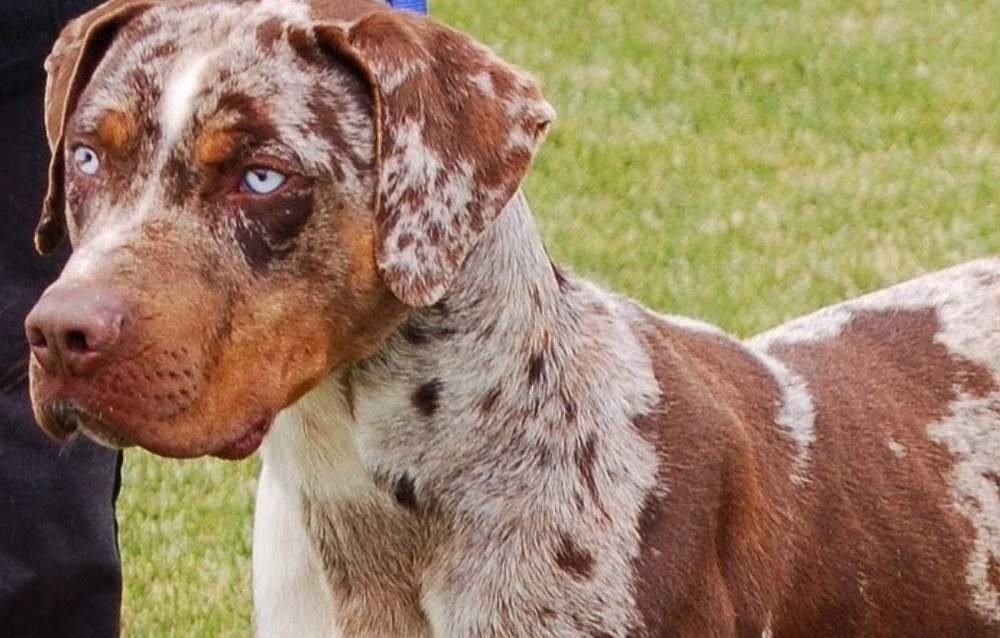
The coat is usually short and relatively easy to manage. Weekly brushing is often enough to lift dead hair and keep shedding under control. During seasonal shedding, brushing a little more frequently can help, especially if the dog spends time indoors.
Most of the “real” maintenance is not glamourous. Nails, ears, teeth, and skin checks matter, particularly for dogs that spend time in scrub, water, or long grass. A practical rhythm helps: a quick look over after outings, and a slightly more thorough check once a week.
If you live somewhere colder, remember that many Catahoulas are short-coated. They may tolerate heat reasonably well compared with heavy-coated breeds, but they can feel cold more quickly, especially when wet or resting. Comfort is part of care, and it is often as simple as providing shelter, bedding, and sensible exercise timing.4
Food and body condition: keeping an athlete healthy
Catahoulas are often described as high-energy dogs, but their calorie needs still vary with age, season, desexing status, and how much structured work they do. It is easy to overfeed a dog who looks “busy” but is not actually moving that much day to day.
A good starting point is a complete and balanced diet appropriate for the dog’s life stage, then adjust based on body condition, stools, and performance. If you are unsure, your vet can help you assess body condition score and build a feeding plan that suits your dog’s lifestyle.10
Living with a Catahoula: who they suit best
In the right home, a Catahoula can be a deeply satisfying companion. They tend to suit people who enjoy training as part of daily life, who can offer meaningful activity, and who appreciate a dog that thinks for itself.
They are often less comfortable as a “weekend exercise” dog. When their world is too small, they can become inventive, pushy, or restless, not because they are trying to be difficult, but because they are under-used. If you can offer structure, enrichment, and a clear role in the household, you are much more likely to see the steadier, more capable side of the breed.
References
- United Kennel Club (UKC): Louisiana Catahoula Leopard Dog breed standard
- Wikipedia: Catahoula Leopard Dog
- American Kennel Club (AKC): FSS and Miscellaneous breeds broken out by group
- The Spruce Pets: Catahoula Leopard Dog breed profile
- PetMD: Catahoula Leopard Dog health and care
- Orthopedic Foundation for Animals (OFA): Congenital deafness and BAER testing
- United Kennel Club (UKC): Background and recognition notes for the Louisiana Catahoula Leopard Dog
- American Kennel Club (AKC): FSS breeds in performance events
- Australian Shepherd Health & Genetics Institute (ASHGI): Deafness and white colour genetics
- WSAVA: Global Nutrition Guidelines