

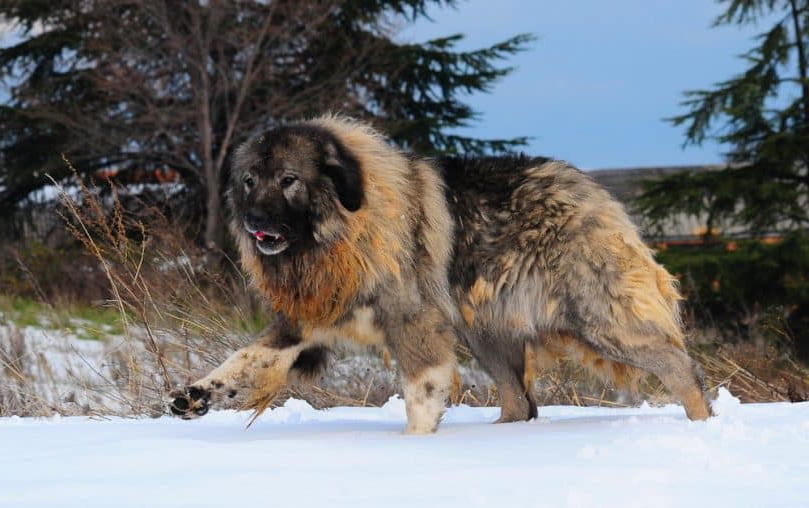
- Breed category: Working (livestock guardian type)
- Country of origin: Russian Federation (Caucasus region)
- Average height: Males about 68 to 75 cm, females about 64 to 70 cm (varies by lines)
- Average weight: Commonly 45 to 80+ kg, some males can be substantially heavier
- Average lifespan: Around 10 to 12 years
- Coat: Thick double coat
- Shedding: High, especially seasonally
- Temperament: Loyal, protective, independent
- Training ease: Often challenging, best suited to experienced handlers
- Best suited for: Rural or semi-rural homes with secure fencing
You usually do not start reading about a Caucasian Ovtcharka because you want a casual family pet. It tends to happen after you have seen a photo of a huge, bear-like dog, or you have heard someone describe one as a “gentle giant” and wondered how that squares with their reputation as serious guardians.
What catches many people out is that size is not the main story. These dogs were shaped by a job, guarding livestock in tough country, often with limited direction from people. That history matters because it shows up in everyday life as independence, strong territorial behaviour, and a style of decision-making that does not always fit modern suburban routines.
If you are considering the breed, or simply trying to understand one you have met, it helps to look past the myth. The Caucasian Shepherd can be steady and devoted with their own people, but they are not “easy-going” by default. They are a working guardian in a companion dog world, and that mismatch is where most problems, and most preventable ones, begin.
Where the Caucasian Ovtcharka comes from, and why it shaped the breed
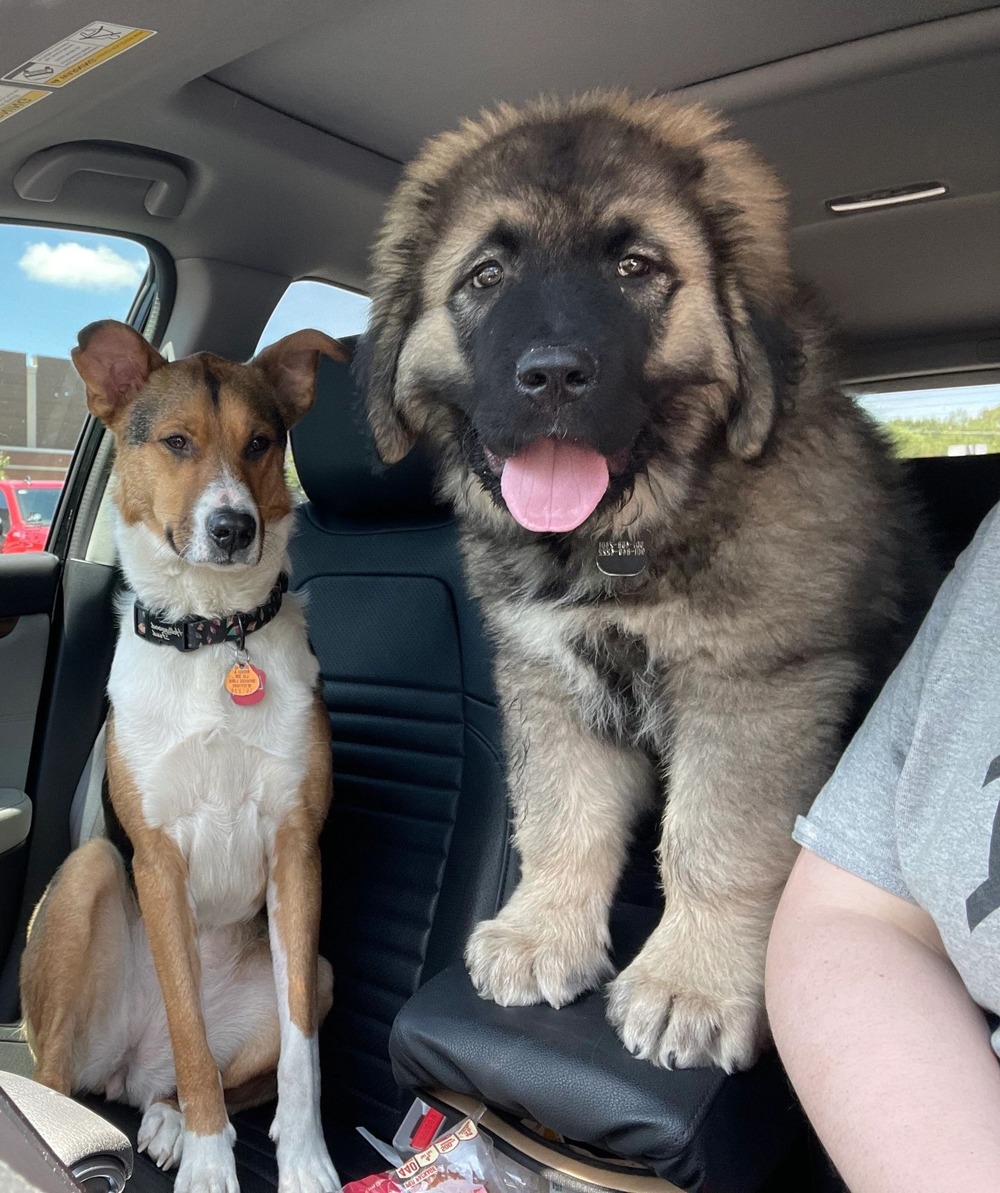
The Caucasian Ovtcharka (often called the Caucasian Shepherd Dog) developed as a livestock guardian in the Caucasus region, where dogs had to cope with weather, distance, predators, and unfamiliar people moving through grazing areas.1 In that context, “good temperament” did not mean friendly with everyone. It meant stable, resilient, and capable of responding to a threat without waiting to be told what to do.
That background helps explain two traits that owners notice early. First, many Caucasian Shepherds have a high threshold for pressure, they can stay put and hold ground. Second, they can be slow to accept strangers, especially when they believe the home, yard, or family group is theirs to protect.
The breed is recognised by the Federation Cynologique Internationale (FCI). The FCI’s breed listing notes the country of origin as the Russian Federation and places the breed in Group 2, Molossoid type, mountain type.1
Size, coat, and the practical reality of living with a giant guardian
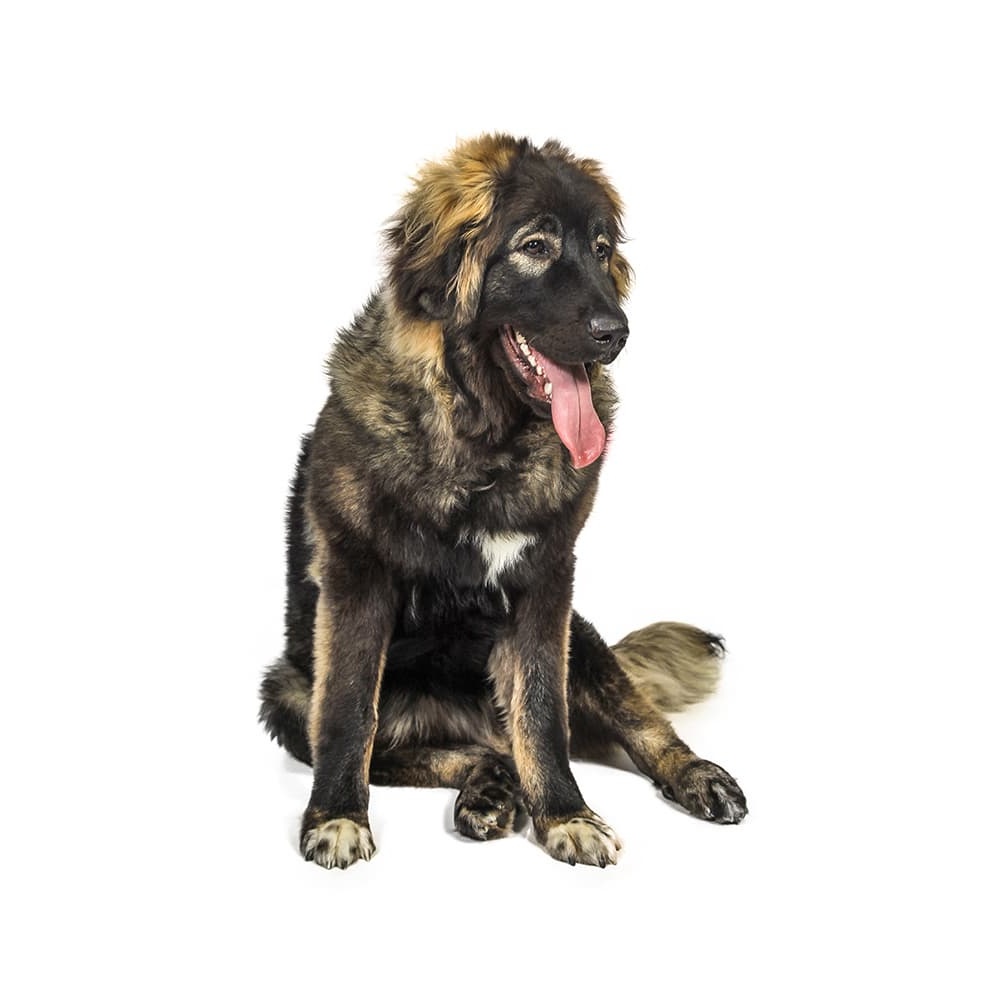
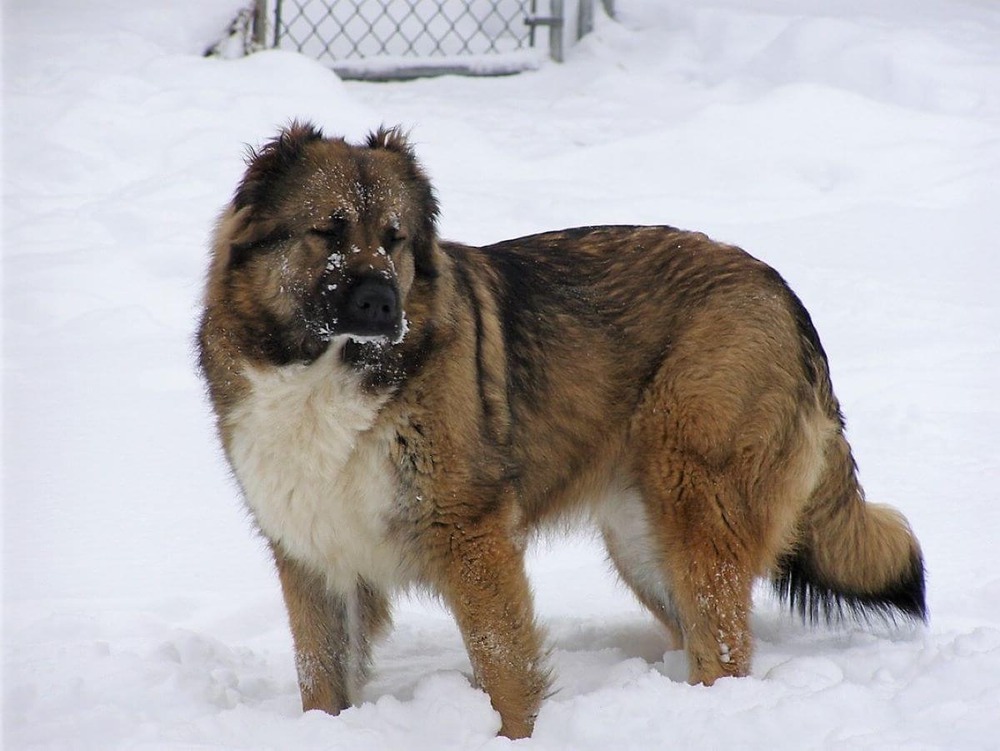
People often focus on the height and weight numbers, but what matters day to day is the whole package: heavy bone, substantial strength, and a coat built for harsh conditions. The double coat is not just decorative. It insulates, sheds water, and tends to drop heavily in seasonal blows, which can surprise first-time owners.
It is also worth being clear-eyed about how size changes ordinary tasks. Getting a large dog into a car, safely separating dogs after a scuffle, lifting a dog with an injury, or managing veterinary handling all become more complicated. A calm handling plan, taught early, is not optional with a dog of this scale.
Ear cropping is sometimes seen in photos of the breed, but it is not a requirement of the FCI standard and is prohibited or restricted in many places. If you are researching breeders, it is reasonable to ask what their approach is and why.1
Temperament and family life, steady bonds and serious boundaries
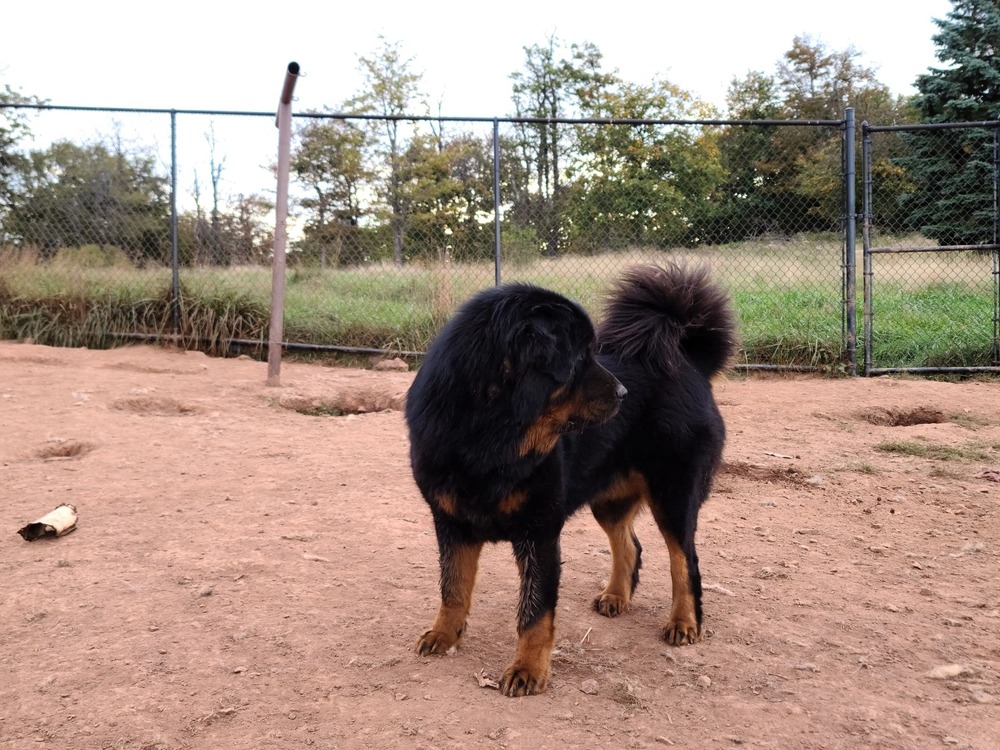
With their own people, many Caucasian Shepherds are steady, observant, and physically affectionate on their terms. They often prefer to watch rather than constantly engage, and they may position themselves where they can monitor doors, gates, and movement around the property. That is normal guardian behaviour, not stubbornness.
Where families can struggle is expecting “friendly” to be the default setting. A Caucasian Shepherd may be polite with visitors once properly introduced, or they may remain wary. Either way, their comfort with strangers is not something to push. When people try to force sociability, they can accidentally teach the dog that humans override its signals, which is the opposite of safe.
If there are children in the home, the usual advice applies with extra weight: supervise, teach kids how to move around big dogs, and do not allow climbing, hugging, or rough play. The risk is often not intent, it is accidental force from a large animal changing direction quickly.
With other pets, outcomes vary. Some individuals live peacefully with other animals, especially if raised with them, but the breed’s guarding tendencies can complicate introductions and can include intolerance of unfamiliar dogs on their land. Plan for careful management rather than hoping it “just works”.
Training and socialisation, building skills without picking fights
With a guardian breed, training is less about drilling obedience and more about building predictable patterns: how to settle, how to accept handling, how to move through gates, how to walk on lead without dragging, and how to disengage when aroused. Those skills keep everyone safe.
Reward-based training is widely recommended because it builds cooperation and reduces the risk that fear or conflict will be layered into the relationship. The RSPCA specifically advises reward-based methods and cautions against aversive tools and punishment-based techniques.2
Socialisation is often misunderstood. It is not a checklist of overwhelming experiences. It is careful exposure to the world in a way the dog can cope with, paired with good things, and with the dog allowed to move away when unsure. The aim is not to make a Caucasian Shepherd love strangers. The aim is to teach the dog that new things are manageable and that you will guide situations thoughtfully.3
Because this breed tends to mature into its guarding instincts, early work matters, but so does ongoing practice through adolescence. If you are unsure, working with a qualified trainer experienced with guardian breeds can save a lot of heartache later.
Exercise and enrichment, not just “more”, but the right kind
Caucasian Shepherds need movement and space, but they are not usually built for repetitive high-speed exercise like some herding or gundog breeds. What they often benefit from is steady, joint-friendly activity and opportunities to use their brain: scent games, slow exploration walks, structured time in the yard, and training that teaches impulse control.
Many will patrol fences and scan the environment, which can look like “self-exercise”, but it does not replace guided activity. If a dog spends all day rehearsing guarding behaviours at the boundary, that can increase reactivity. A good routine tends to include settling practice indoors, calm lead walking, and controlled access to the yard, rather than constant unsupervised “watch duty”.
Heat is another practical factor. Thick-coated, large dogs can struggle in hot weather. Plan walks for cooler parts of the day, provide shade and water, and be cautious about strenuous activity in Australian summers.
Health considerations and preventative care in giant breeds
Like many giant breeds, Caucasian Shepherds can be prone to orthopaedic issues such as hip dysplasia. Breeding choices, growth rate, body condition, and exercise type all influence how much trouble a dog has over its lifetime. Keeping a dog lean is one of the simplest, most evidence-supported ways to reduce load on joints.
Another condition owners of deep-chested, large dogs should know about is gastric dilatation-volvulus (GDV), often called bloat. It is a medical emergency, and prevention focuses on practical routines: feeding two or more smaller meals, slowing down fast eaters, and avoiding hard exercise around mealtimes.4, 5
Some dogs at higher risk may be candidates for preventative gastropexy, a surgical procedure that reduces the risk of the stomach twisting. This is a conversation to have with your veterinarian, ideally before an emergency ever arises.6
Grooming, shedding, and the kind of maintenance people underestimate
The coat is thick and functional, and it asks for regular care. A few thorough brushing sessions a week is often the baseline, with more needed during seasonal coat blows. The goal is not perfection, it is comfort: preventing matting, keeping skin healthy, and reducing the amount of coat packed into the underlayer.
Bathing can be occasional, but drying a dense double coat takes time and matters for skin health. Many owners find it easier to maintain a routine of brushing and spot-cleaning, using bathing strategically when the dog is truly dirty.
- Brush to the skin, not just the topcoat.
- Check ears, feet, and under the collar area for knots and trapped debris.
- Build handling skills early: paws, nails, ears, and gentle restraint.
Is this breed right for you, and what “right” usually looks like
The best homes for a Caucasian Shepherd are usually the ones that can meet three needs at once: space, management, and experience. Space matters, but it is not just land size. It is the ability to use fencing, gates, and routines to prevent the dog rehearsing boundary conflicts with passers-by, neighbours, or visiting dogs.
Experience matters because these dogs are powerful and can be slow to change their mind once aroused. That does not mean they are “bad” or “dominant”. It means the handler needs to be skilled at prevention, reading early signals, and setting up situations that do not escalate.
If you are drawn to the breed because you want a guardian, be honest about what that means. A Caucasian Shepherd may be naturally protective, but safe protection in a modern community depends on training, containment, and supervision, not instinct alone.
References
- Federation Cynologique Internationale (FCI): Caucasian Shepherd Dog (Kavkazskaïa Ovtcharka), Standard No. 328
- RSPCA Australia Knowledgebase: Dog training recommendations (reward-based methods)
- RSPCA Australia Knowledgebase: How to socialise a puppy (reward-based, choice, positive associations)
- American Animal Hospital Association (AAHA): Understanding canine bloat (GDV), feeding and management advice
- Cornell University College of Veterinary Medicine: Gastric dilatation-volvulus (GDV) and prevention
- American College of Veterinary Surgeons: Gastropexy and GDV information
- World Small Animal Veterinary Association (WSAVA): Global Nutrition Guidelines for dogs
- American Veterinary Medical Association (AVMA): Canine hip dysplasia overview