

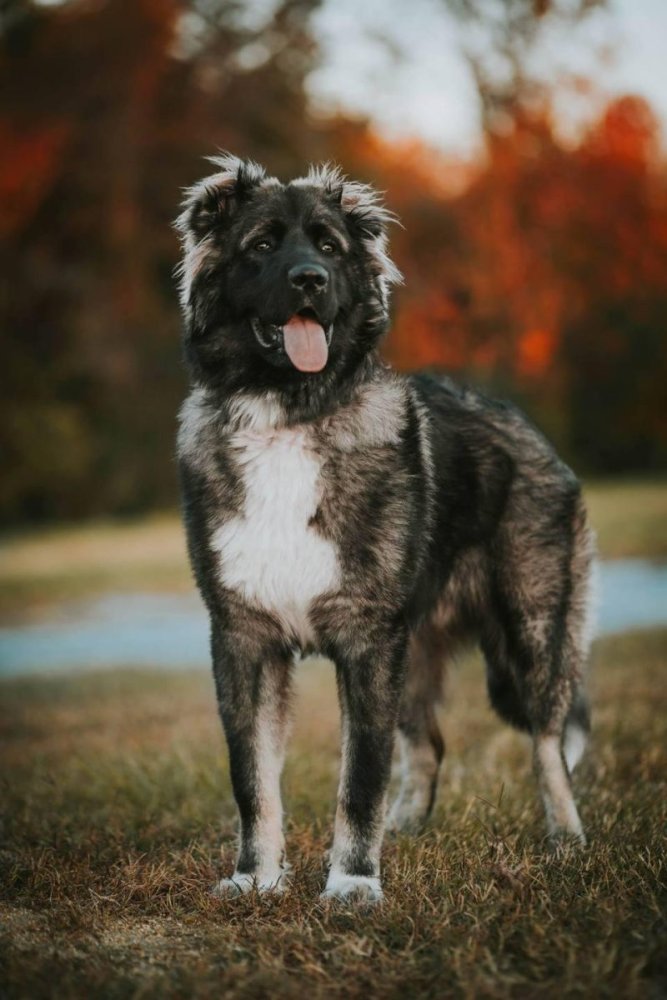
People usually stumble onto the Caucasian Shepherd Dog after seeing a huge, fluffy guardian online, or meeting one that watches a fence line with a kind of stillness you do not see in most pet dogs. It is easy to assume it is simply a larger version of a typical family dog, just needing a bigger bed and a stronger lead.
In practice, this breed tends to bring a different set of realities. It was shaped to make independent decisions about what belongs near the flock and what does not, often at a distance from people. That can be a good fit for the right property and the right handler, but it can be a difficult match for busy neighbourhood living, or for anyone hoping for an easygoing social butterfly.
Getting clear on what the Caucasian Shepherd Dog was bred for, and what that looks like in a modern home, helps you make better choices. It is less about “taming” a tough dog, and more about setting up a life where the dog can feel safe, predictable, and properly managed.
At a glance: the breed in context
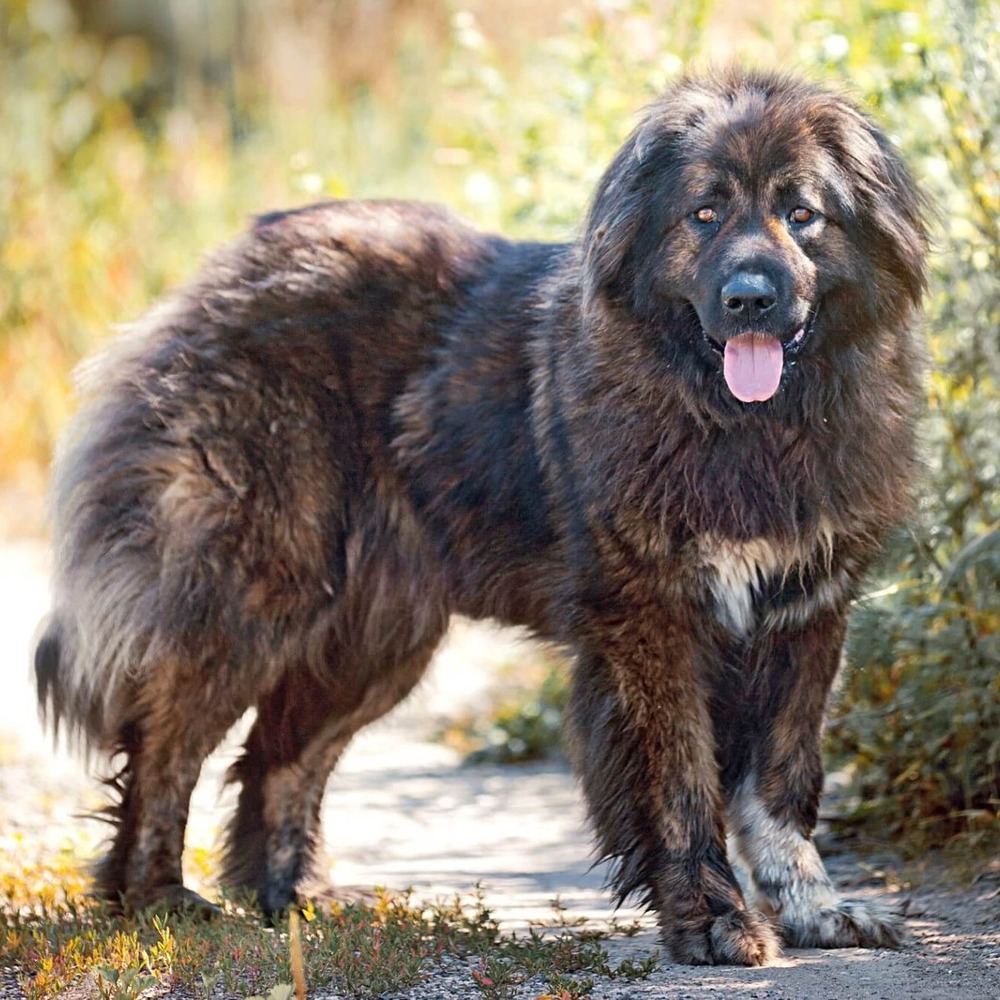
Breed type: livestock guardian, often grouped with working and guardian breeds.1, 2
- Also known as: Caucasian Ovcharka
- Origin: Caucasus region, with modern breed country of origin listed as the Russian Federation in the FCI standard.1, 2
- Size: very large, typically around 64 cm plus at the withers for bitches and 68 cm plus for dogs, with many individuals substantially heavier than most companion breeds.2
- Coat: dense double coat, heavy seasonal shedding is common
- Life expectancy: often cited around 10 to 12 years, but as with many giant breeds, individual outcomes vary with genetics, weight, and management.1
The most useful summary is simple: this is a breed designed to deter threats. That tends to show up as watchfulness and boundary awareness in day to day life.
History and origin
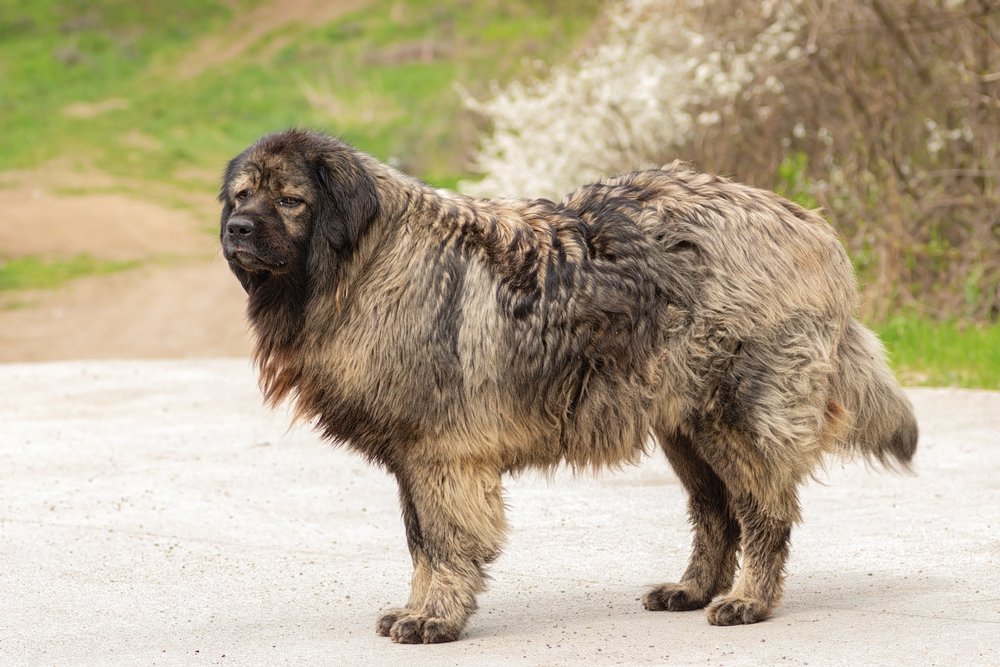
For centuries, dogs of this type were used across the Caucasus to protect livestock and property, particularly against predators such as wolves, and against theft. The work rewarded dogs that could cope with harsh conditions, stay with stock for long periods, and respond decisively when something approached.1
In the 1900s, the breed was further standardised in the former Soviet Union, drawing on regional types and preferences. The modern, written standard sits with the Federation Cynologique Internationale (FCI), which recognises the breed as Caucasian Shepherd Dog (Kavkazskaia Ovtcharka).2
That history matters because it explains a lot of what people experience today: independence is not a training flaw in this breed, it is part of the original job description.
Physical characteristics
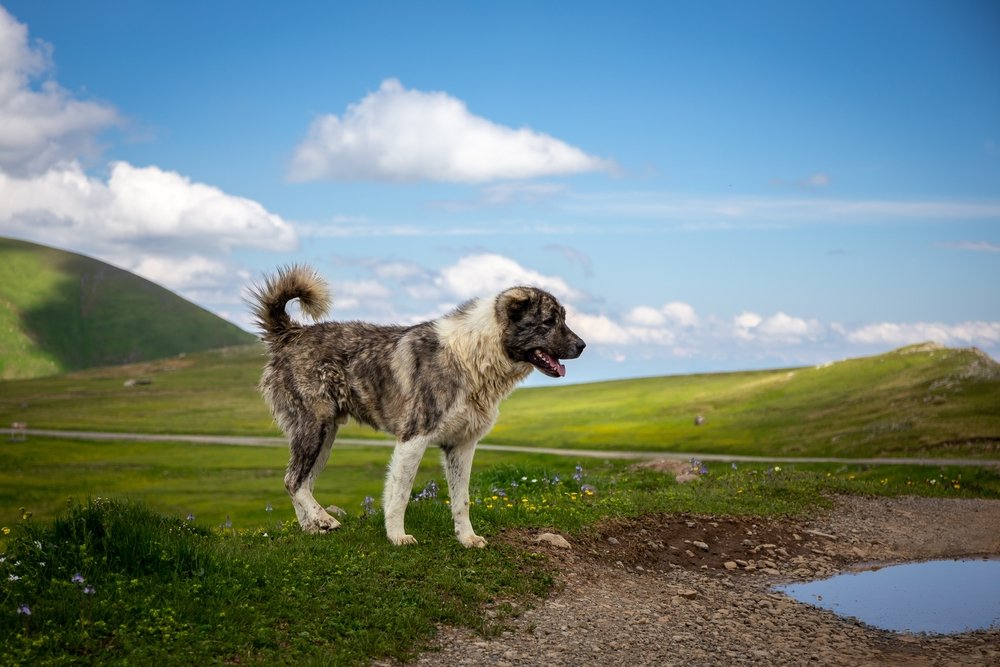
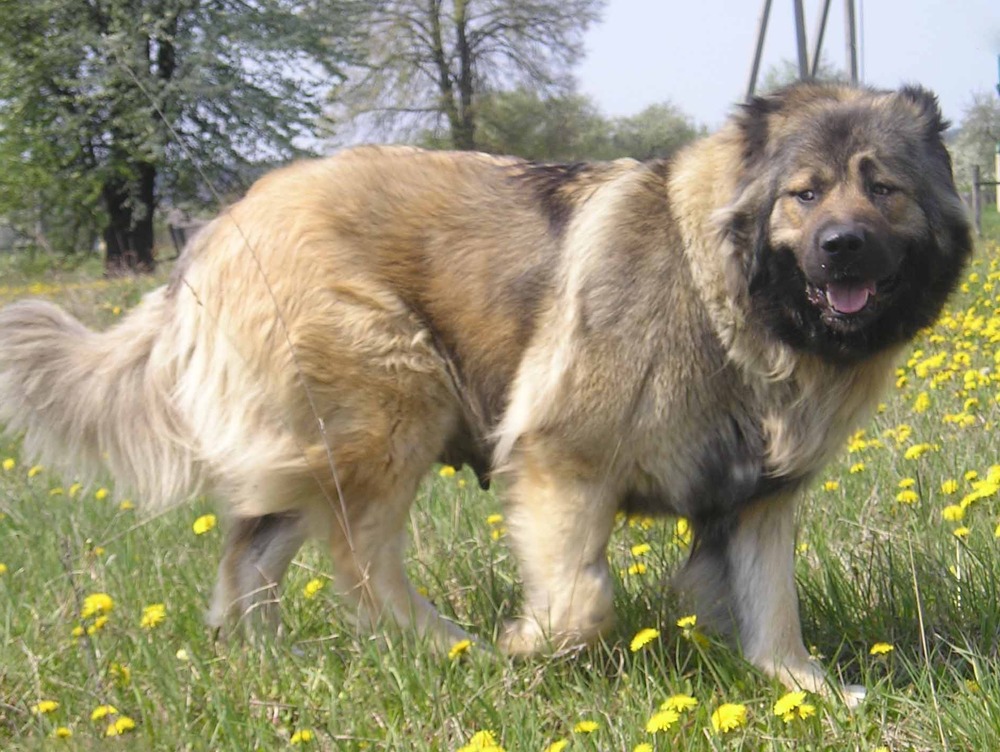
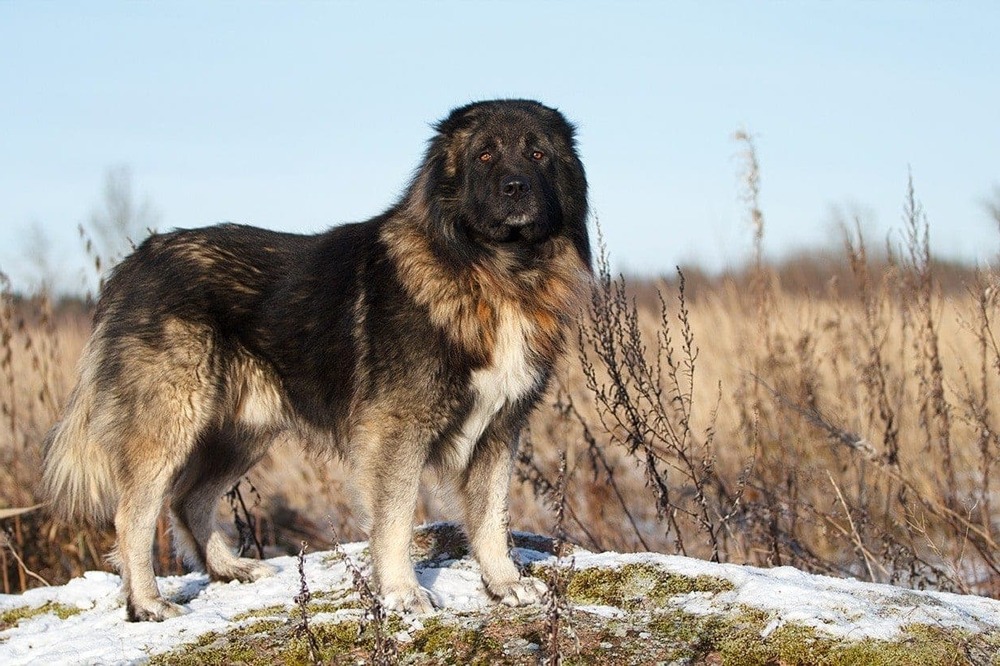
This is a powerful, heavy boned dog with a broad frame and a thick double coat. Many have a “mane” effect around the neck and shoulders, which is partly coat density and partly the silhouette of a dog built to stand their ground.
Coat length can vary, but the undercoat is typically well developed. Expect hair in the house, in the car, and on your clothes, especially during seasonal coat blow.
You will also see references to cropped ears. Ear cropping is a traditional practice in some regions, but it is not necessary for pet life and is illegal or restricted in many places. If you are looking at puppies, it is worth considering breeders who prioritise health and welfare outcomes over “traditional” looks.
Temperament and behaviour in real homes
Most owners describe a dog that is deeply loyal to its people, but not automatically friendly with strangers. A well raised Caucasian Shepherd Dog often watches first, then decides. That can feel reassuring on acreage, and awkward in a busy front yard.
It helps to think in terms of traits rather than labels. Many individuals show:
- Strong territorial behaviour, especially around fences, gates, and cars entering the property
- Low social “neediness”, compared with breeds bred to work closely with humans all day
- Selective sociability, preferring familiar people and predictable routines
A common misconception is that more obedience training will automatically make a guardian breed “safe with everyone”. Training helps, but management and environment matter just as much. This breed tends to do best when it can live with clear boundaries, controlled introductions, and a calm, consistent household rhythm.
If there are children in the home, supervision is non negotiable. Not because the dog is “bad”, but because size and guarding instincts can combine in ways that are easy to misread. A child’s running friends, a noisy game near the fence, or a visitor entering unannounced can all look “different” to a dog built to notice differences.
Training and socialisation
With a Caucasian Shepherd Dog, training is less about tricks and more about building habits that make life workable. The goal is a dog that can be safely handled, calmly confined, and guided through everyday events, such as visitors arriving, tradespeople entering, or wildlife moving along a boundary.
Early, thoughtful socialisation matters, but it is not a numbers game. A flood of busy outings can backfire for a dog that is naturally cautious. Better tends to be slow exposure, good distance, and predictable outcomes, so the dog learns that novelty does not automatically require action.
Reward based methods are a practical fit here. They build cooperation without escalating conflict, and they reduce the risk that the dog learns to associate people, handling, or approaching strangers with discomfort. The RSPCA recommends reward based training and advises against aversive tools and punishment based methods, noting welfare risks and potential for behaviour fallout.3
For many households, the most important trained skills are not flashy. They are the ones that support safety:
- Reliable recall indoors and in a fenced area
- Settle on a mat when the doorbell goes or visitors arrive
- Muzzle training as a calm, preventive skill for vet care or emergencies
- Comfort with handling, including feet, ears, brushing, and being guided by a lead
Exercise and enrichment
This is not usually a “run until it drops” breed, and endless high intensity exercise can create a fitter dog with the same guarding instincts. What tends to help more is a mix of physical movement and low arousal enrichment.
Daily needs vary by age and individual, but many do well with:
- steady lead walks where the dog can sniff and observe
- short training sessions focused on calm behaviours
- food enrichment (scatter feeding, puzzle feeders) to occupy the mind
- secure property time that does not turn into fence running
If the dog is regularly patrolling a boundary and reacting to passers-by, it is worth treating that as a behaviour to manage, not “self exercise”. Over time, repeated rehearsals can strengthen reactivity.
Health and lifespan
Like many large and giant breeds, the Caucasian Shepherd Dog can be vulnerable to joint issues, including hip dysplasia. Canine hip dysplasia is a developmental condition involving hip joint laxity, which can contribute to pain, lameness, and progressive arthritis changes over time.4
While genetics play a major role, growth rate and weight management matter too. Rapid weight gain can add stress to developing joints, which is one reason vets often emphasise keeping large breed puppies lean and steadily growing, rather than “big for their age”.4
Practical health habits that tend to pay off include:
- Keeping the dog lean throughout life
- choosing breeders who screen breeding stock where possible, and who can discuss health lines openly
- regular vet checks, including early discussion of lameness, stiffness, or reduced willingness to jump or climb
A typical lifespan is often described around 10 to 12 years, but there is normal variation, especially in very large individuals and in dogs carrying excess weight.1
Grooming and day to day maintenance
The coat is beautiful, but it is not a “brush once a month” situation. Regular brushing helps prevent matting, reduces hair build-up indoors, and gives you a chance to check skin, ears, and feet.
As a baseline, many owners find that:
- brushing a few times a week keeps the coat manageable
- during seasonal shedding, daily brushing can make a noticeable difference
- baths are occasional, not frequent, to avoid drying the skin and stripping oils
Because this breed can be wary of strangers, it is worth teaching cooperative grooming early. A dog that calmly accepts brushing, nail trims, and vet handling is easier to keep healthy, and safer for everyone involved.
Diet and nutrition
For a dog this size, nutrition is not just about protein or “big dog” marketing. It is about consistent quality, an appropriate calorie level, and choosing a food you can trust long term.
The World Small Animal Veterinary Association (WSAVA) Global Nutrition Guidelines note that ingredient lists can be misleading, and encourage owners to use more meaningful criteria when selecting a pet food, including manufacturer expertise and quality control standards.5
If you add fresh foods, keep it simple and safe. Several common household foods can be dangerous for dogs, including chocolate, grapes and raisins, onions and garlic, and xylitol. If you are ever unsure, treat it as a vet question, not a social media poll.6, 7
If a dog ingests something toxic, contact your vet promptly. In Australia, the Animal Poisons Helpline lists a range of common poisons and provides a contact line for advice.8
Is this breed a good fit?
Sometimes the question is asked as “are they good family dogs?” A more helpful question is whether your household can support the kind of management a guardian breed requires.
This breed tends to suit people who have:
- secure fencing and a plan for visitors
- experience with large, strong dogs, or professional support lined up early
- time for steady training and careful social exposure
- realistic expectations about stranger friendliness and dog park life
It tends to be a harder fit for apartment living, frequent social gatherings, or homes where different people come and go all day. That does not make the breed “too much”, it just means the original job still echoes through modern life.
References
- Wikipedia: Caucasian Shepherd Dog
- Federation Cynologique Internationale (FCI): Caucasian Shepherd Dog (Standard No. 328)
- RSPCA Knowledgebase: Reward based dog training guidance
- American College of Veterinary Surgeons: Canine hip dysplasia overview
- WSAVA: Global Nutrition Guidelines
- Agriculture Victoria: Human foods to avoid for cats and dogs
- RSPCA Pet Insurance: Foods to avoid feeding your dog
- Animal Poisons Helpline: Common poisons