

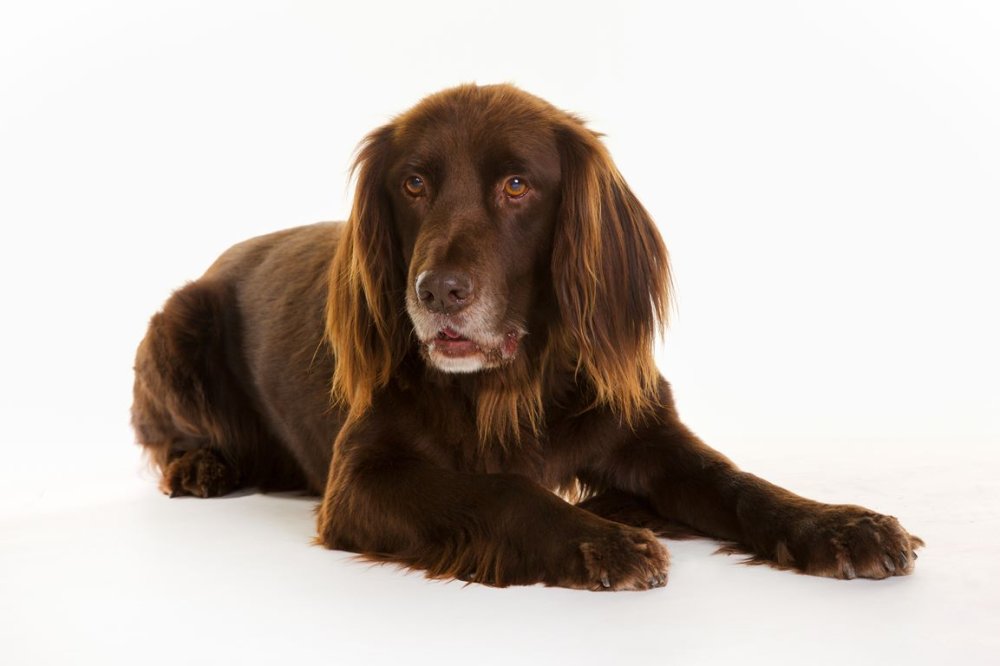
You might first notice a Chesapeake Bay Retriever because they look built for weather: a dense coat that sits a bit differently to other retrievers, a solid, athletic frame, and a calm focus that can switch on fast when something interesting happens near water.
It is easy to assume they are simply a Labrador type with a different coat colour, or that any dog that loves swimming will fit smoothly into family life. In practice, Chesapeakes (often called Chessies) tend to be a little more individual, and they were shaped for cold, difficult work where persistence mattered.
Understanding that background helps with everyday choices, including exercise that actually satisfies them, grooming that protects the coat rather than strips it, and training that respects their independence while still building reliable manners.
Chesapeake Bay Retriever at a glance
- Breed group: Gundog (retriever type)1
- Origin: United States (Chesapeake Bay region)2
- Typical height: males 58 to 66 cm, females 53 to 61 cm1
- Typical weight: males 29 to 36 kg, females 25 to 32 kg (breed standard ranges given in pounds)3
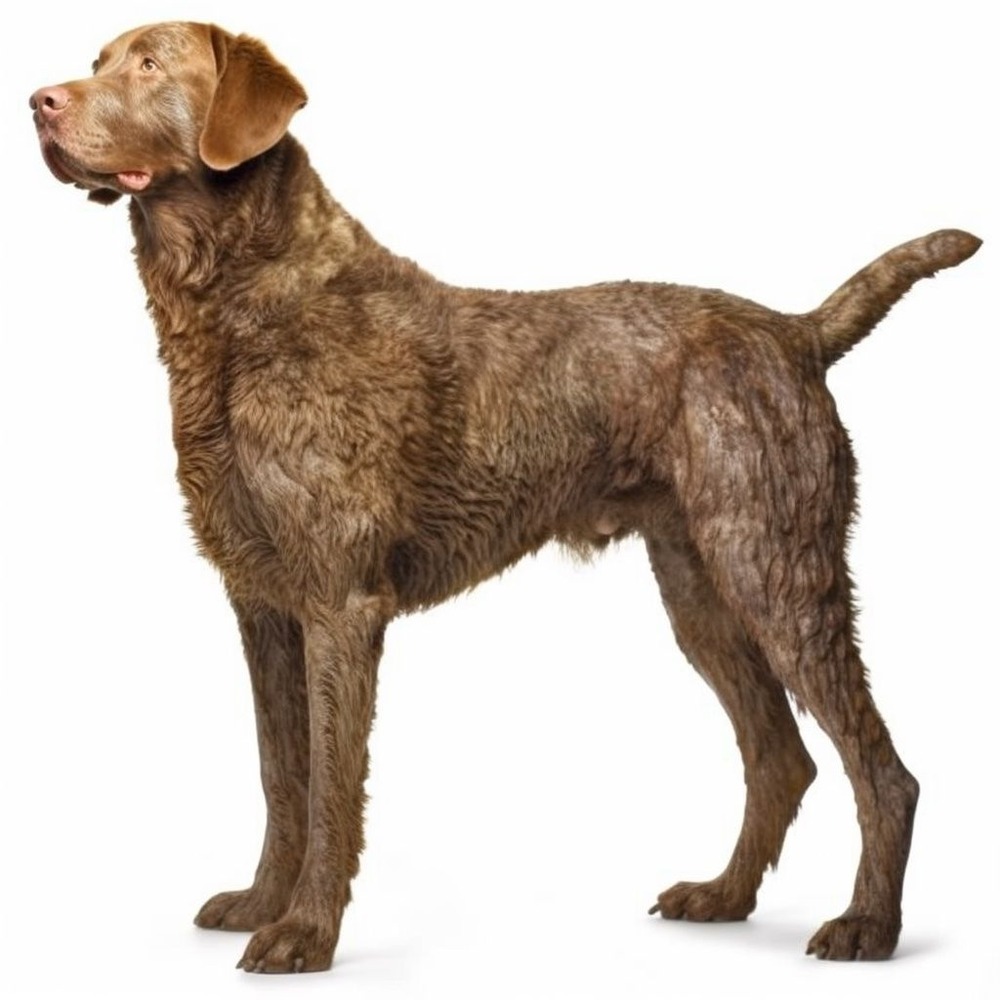
- Coat: short, harsh outer coat with a dense undercoat, naturally oily and water resistant1, 4
- Life expectancy: often around 10 to 13 years5
History and origin
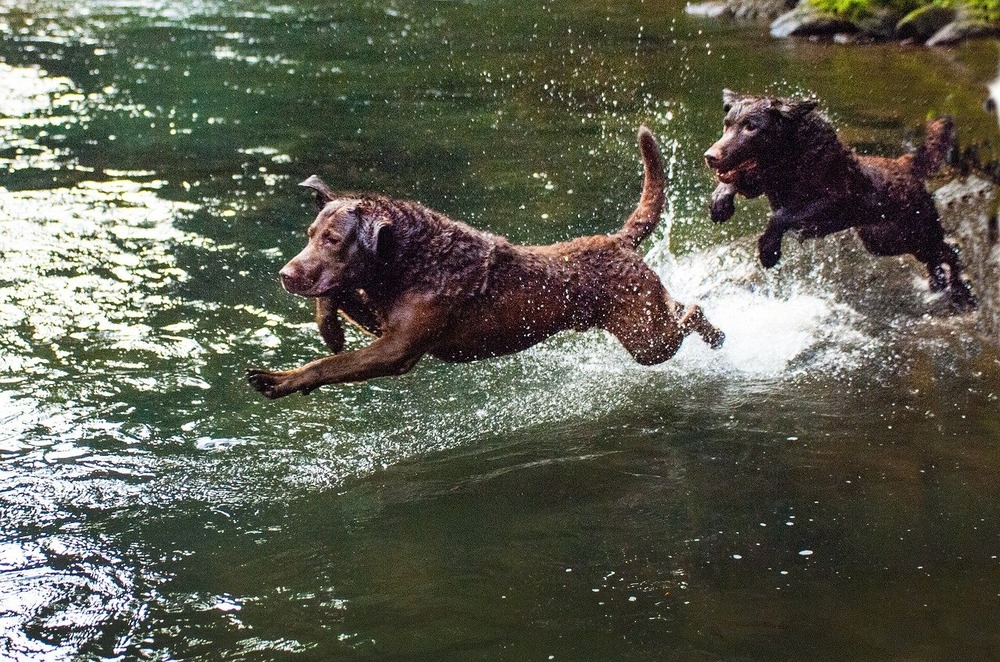
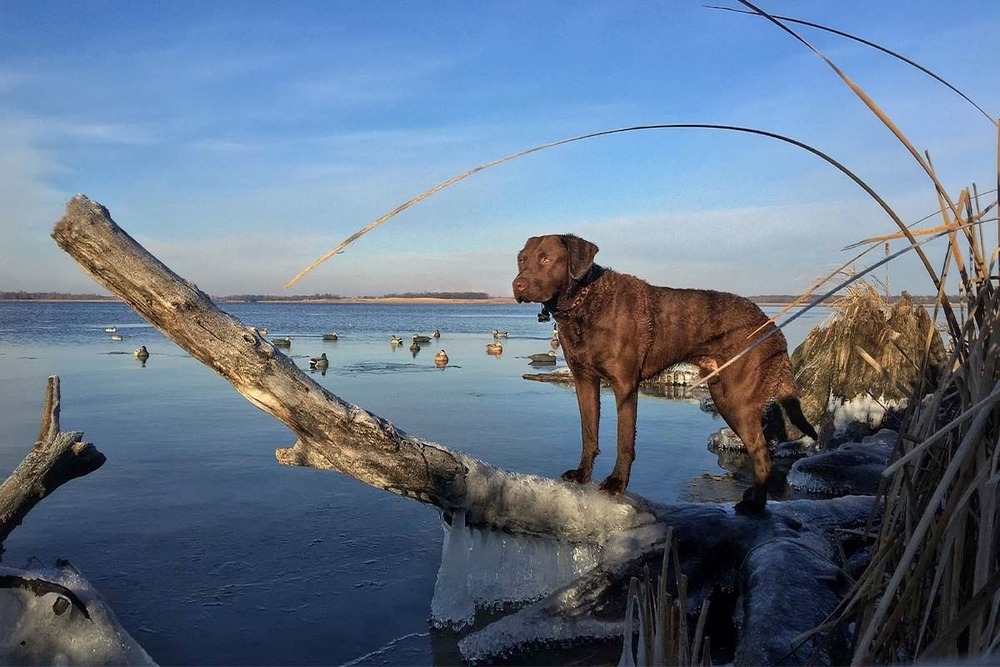
The Chesapeake Bay Retriever developed in the Chesapeake Bay area in the 1800s, with a clear purpose: retrieving waterfowl from cold water and heavy cover, then doing it again and again without fuss.2 That working brief shaped almost everything people notice today, from their physical toughness to the way many of them prefer to think for themselves.
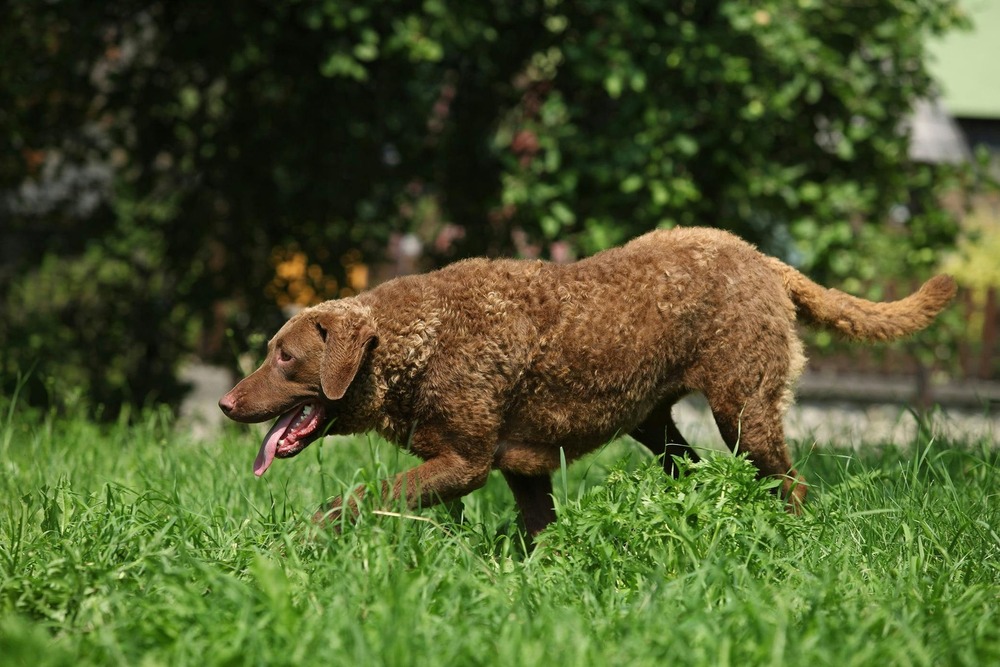
Their coat, in particular, is not a cosmetic feature. Breed standards describe a thick, reasonably short coat, with a harsh, oily outer layer and a dense, woolly undercoat that helps resist water and insulate the dog in harsh conditions.1
Physical characteristics that matter day to day
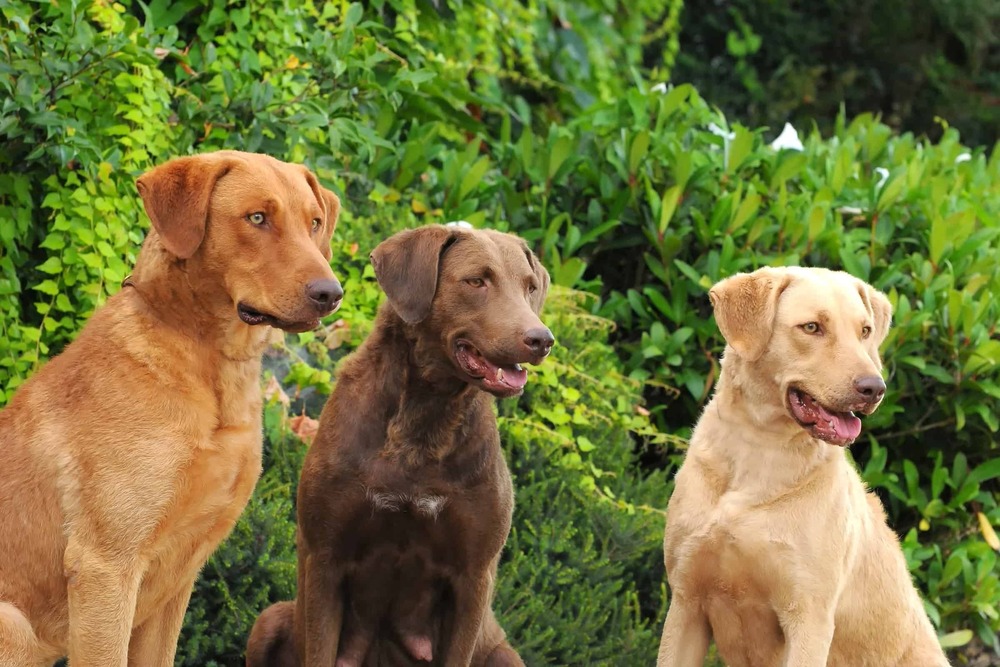
Chesapeakes are medium to large, strongly built dogs. Adults commonly sit within the breed standard ranges of 58 to 66 cm for males and 53 to 61 cm for females, measured at the withers.1 Weight varies with sex and condition, with breed standards commonly citing males at 65 to 80 pounds and females at 55 to 70 pounds.3
The coat deserves special mention because it can surprise new owners. It is meant to feel a little oily, and the characteristic wave is typically seen along the neck, shoulders, back and loins, rather than all over the body.4 If you are used to bathing a dog until they smell like shampoo, a Chessie will gently challenge that habit.
Many Chesapeakes also have webbing between the toes, which supports efficient swimming alongside their water-ready coat.5
Temperament and behaviour
People are often drawn to Chesapeakes for their intelligence and loyalty. Those traits are real, but they do not always look like a dog that automatically agrees with you. A common pattern is a dog that bonds deeply with their household, watches situations carefully, and prefers clear, consistent handling over constant repetition.
In family life, that can be a strength. They are often steady companions and can be wonderful with children when adults supervise interactions and the dog has space to rest.6 Like any large, energetic breed, it helps when children are taught how to approach, pat, and leave a dog alone when the dog is eating or sleeping.
With other pets, outcomes vary. Early socialisation and thoughtful management matter, especially if you have small animals or a cat that does not enjoy being chased. Their retrieving heritage can come with a strong interest in movement, so it is worth planning for slow introductions and training, rather than relying on good luck.
Training and exercise needs
A Chesapeake Bay Retriever usually does best when training starts early and stays practical. They are bright dogs, and many respond well to reward-based methods, but they can switch off if sessions feel unfair, confusing, or repetitive. Short, skilful sessions, with real-life rewards (a retrieve, a swim, access to the environment) often suit them.
Because they were developed for sustained work, exercise needs are typically high. Think in terms of both physical activity and problem-solving, not just running the dog until they collapse. Swimming, scent games, retrieving drills, bush walks, and structured play can all help provide daily outlets for energy.6
It is also worth remembering that a dog can be physically fit but mentally restless. If your Chesapeake is inventing their own hobbies, like digging, shredding, or patrolling the fence line, it is usually a sign you need to adjust the balance of activity and enrichment, not simply add more kilometres.
Health considerations and sensible screening
Chesapeakes can be robust dogs, but they are not immune to inherited conditions. Hip dysplasia is one of the better-known concerns across many medium to large breeds, and it involves abnormal development of the hip joint that can contribute to arthritis and pain over time.7
If you are choosing a puppy, it is reasonable to ask what health testing has been done on the parents. The American Chesapeake Club recommends breeding stock be screened for hips and elbows, and tested for several inherited conditions including progressive retinal atrophy (PRA), exercise induced collapse (EIC), and degenerative myelopathy (DM).8 Even if you are not in the US, those recommendations are still useful as a starting point for conversations with breeders and your vet.
Whatever the dog’s age, keep an eye on comfort and movement. Subtle signs, such as reluctance to jump into the car, stiffness after rest, or a change in stride, are often worth discussing early rather than waiting for obvious lameness.
Grooming and coat care
The Chesapeake coat is designed to protect the dog, and you can support it without overdoing it. Occasional brushing helps remove debris and reduces shedding, and it also distributes the natural oils that contribute to water resistance.
One of the most common mistakes is frequent bathing with strong shampoos, which can strip the coat’s oils and leave the dog feeling dry or itchy. Unless your dog has rolled in something truly dreadful, you will often get further with a rinse, a towel-off, and a brush once dry. When you do use shampoo, choose a gentle dog product and rinse thoroughly.
As with any floppy-eared breed, check ears regularly, especially after swimming, and talk to your vet if you notice redness, odour, or recurrent wax build-up.
Diet and nutrition that supports an active dog
Chesapeakes tend to be athletic and food-motivated, which is a handy training tool but also a quiet risk for weight gain. A practical goal is a diet that supports steady energy, lean muscle, and joint health, while keeping body condition in check.
It is tempting to choose a food based mainly on the ingredient list, but the WSAVA Global Nutrition Guidelines point out that ingredient lists can be misleading and do not reliably indicate overall quality.9 Instead, it can help to look for clear nutritional adequacy statements, manufacturer transparency, and advice from your veterinary team, especially if your dog has skin, gut, or weight issues.
If your dog is the sort who bolts meals, consider slow-feeder bowls or food puzzles. Feeding routines also matter for bloat and gastric dilatation volvulus (GDV), a serious emergency that is associated with risk factors such as deep-chested conformation and being fed a single large meal once daily, and many veterinary sources recommend two to three smaller meals and avoiding intense activity around mealtimes.10
Living with a Chessie: who they suit best
A Chesapeake Bay Retriever often suits people who genuinely like training, enjoy being outdoors, and can give a dog both companionship and structure. They can be affectionate and deeply connected to their people, but they are not always the breezy, everybody’s-best-friend retriever some expect at first glance.
If you want a dog that will happily swim, work, and think, and you have the time to build skills early, a Chessie can be a satisfying partner. If your household is very busy, space is limited, or daily exercise is unpredictable, it may be kinder to look for a breed with lower needs.
References
- The Kennel Club: Retriever (Chesapeake Bay) breed standard
- Wikipedia: Chesapeake Bay Retriever (overview and history)
- United Kennel Club (UKC): Chesapeake Bay Retriever breed standard (height and weight)
- American Kennel Club (AKC): That Marvelous Coat of the Chesapeake Bay Retriever
- The Spruce Pets: Chesapeake Bay Retriever breed profile
- RSPCA Australia: What should I consider before getting a dog?
- Orthopedic Foundation for Animals (OFA): Hip Dysplasia
- American Chesapeake Club: Health resources and breed health statement
- WSAVA: Global Nutrition Guidelines and pet owner tools
- American College of Veterinary Surgeons (ACVS): Gastric dilatation volvulus (GDV) and gastropexy